30 Japandi Living Room Ideas for Serene Style
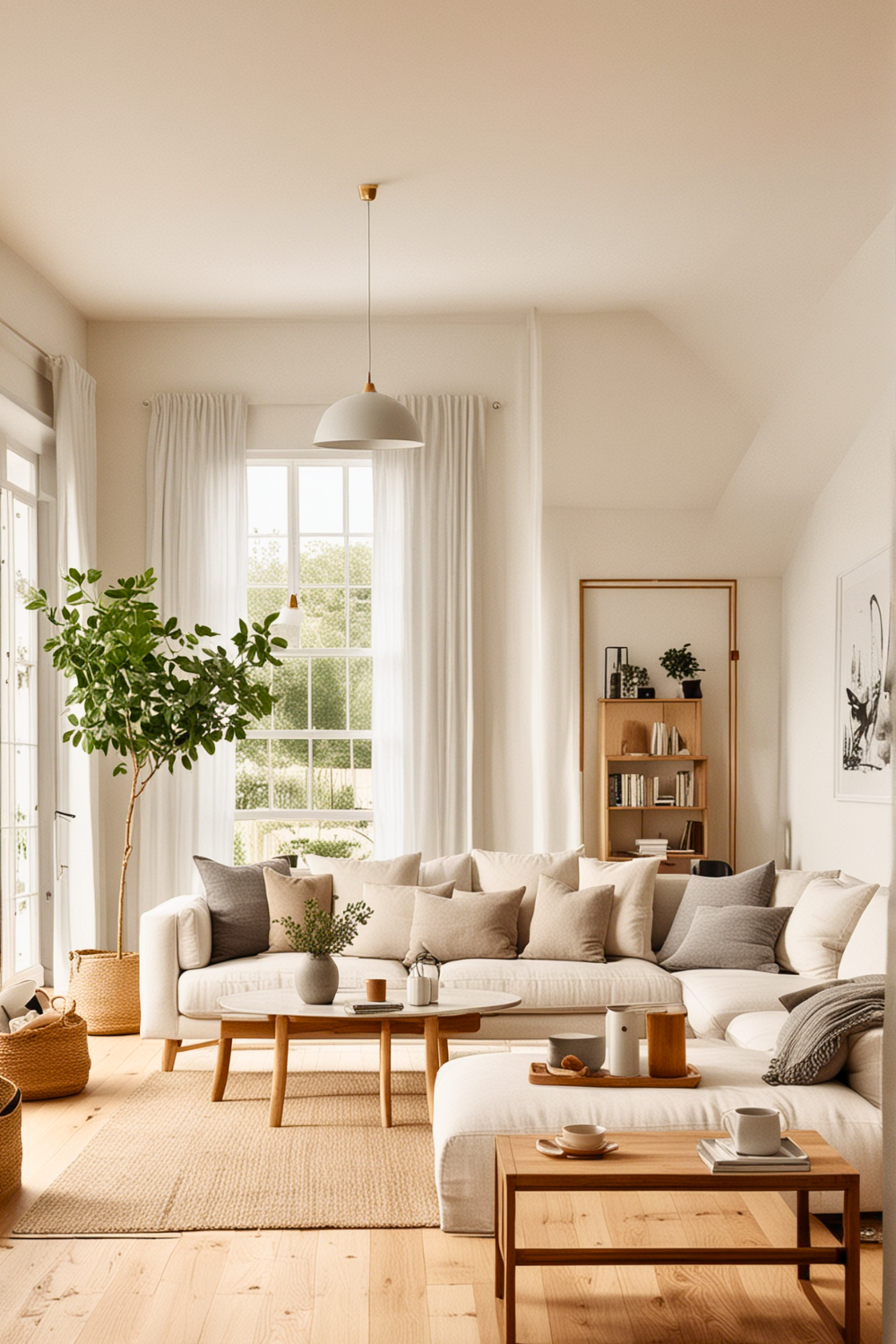
Japandi decor harmonizes Japanese minimalism with Scandinavian practicality, forming a design approach that perfectly weds these two styles.
The color scheme mostly remains neutral, with earthy shades and gentle pastels chosen to keep the ambiance peaceful.
Yet, it isn’t merely about being simple; this design highlights intentional living, inspiring you to make rooms that are lovely and highly practical.
Important features of Japandi decor include furniture that sits low, crisp lines, and an abundance of natural illumination. Keep accessories to a minimum, often limiting yourself to a few carefully selected items that lend character without adding mess.
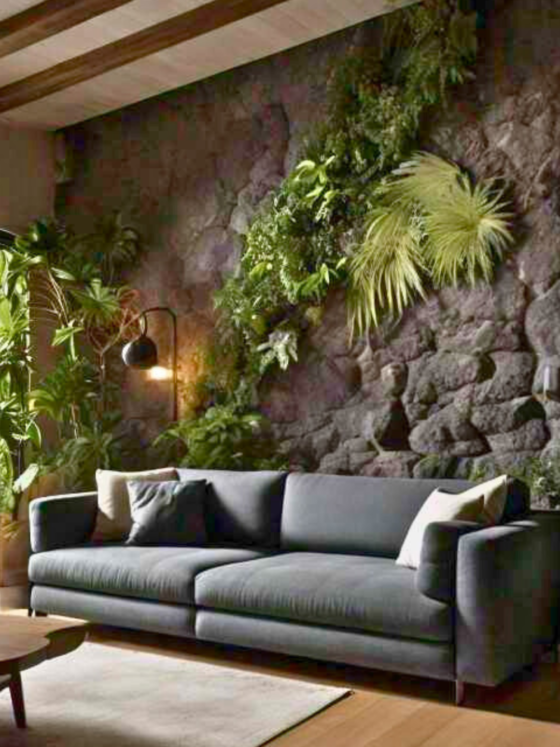
Greenery frequently plays a significant part, introducing natural elements inside and boosting feelings of calm.
The charm of Japandi decor comes from how it brings about peace and structure, making it ideal for crafting a retreat in today’s hectic world. This approach prioritizes quality over sheer volume and encourages a thoughtful, deliberate way of living.
Ideas to Add Japandi Decor in Living Room
1. Sleek Technology
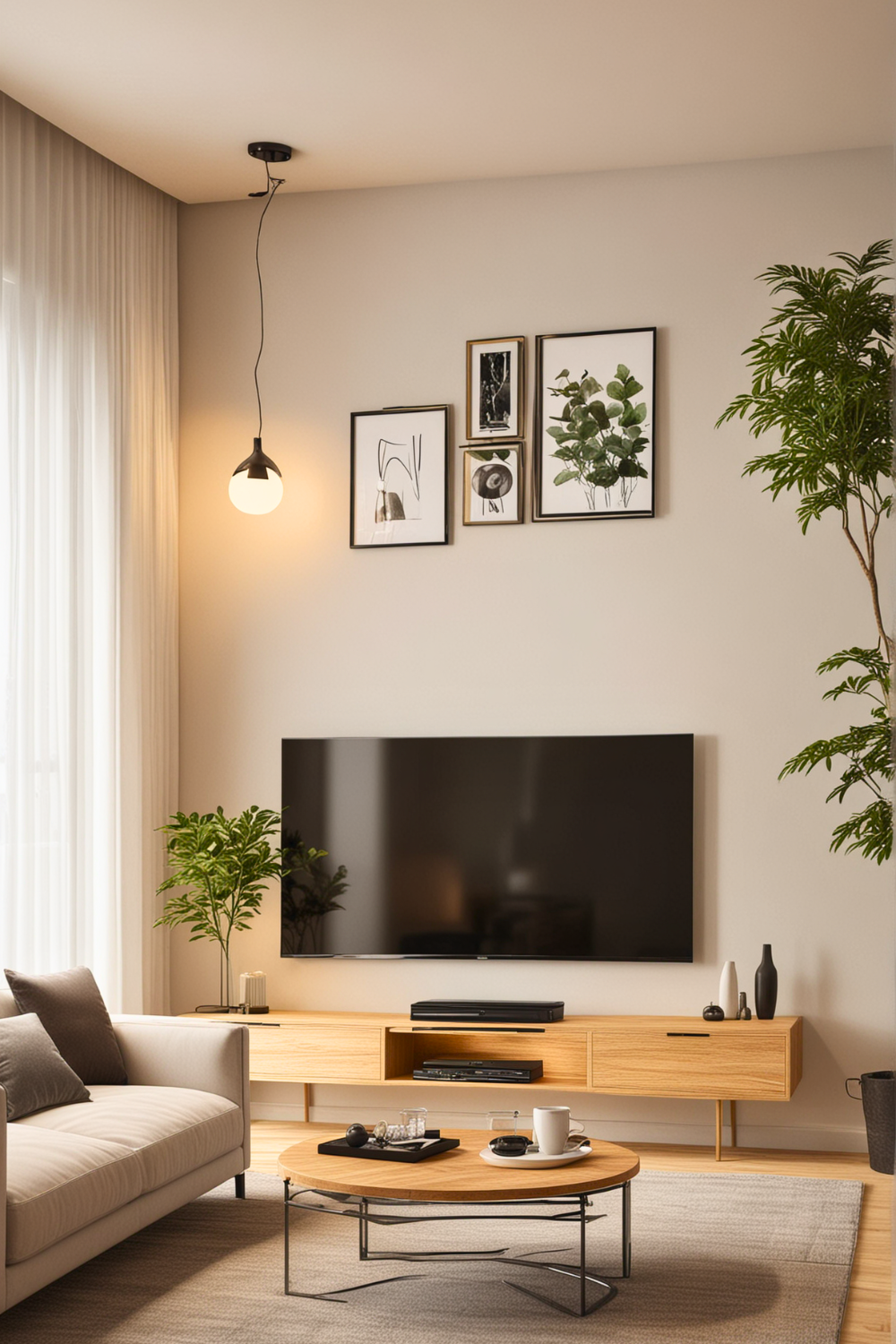
Choosing streamlined, contemporary technology means uniting usability with visual appeal. The concept centers on picking tech devices and appliances that not only perform their tasks well but also seamlessly fit into your home’s decoration.
It maintains your living area looking tidy and structured, free from the visual distraction of large gadgets. This method improves a room’s calm, peaceful mood, creating a more pleasant area.
Expect a refined design, less mess, and a balanced appearance that enhances modern home styles. To put this into practice, begin by assessing your current technology and pinpointing items that could be replaced with more elegant versions.
Seek out devices with simple designs and neutral hues. Additionally, think about multi purpose gadgets to lessen the total number of items you require.
This approach guarantees your home stays a peaceful, fashionable retreat without giving up any tech advantages.
2. Plants and Greenery
Bringing in plants, such as bonsai or large green varieties, invigorates any living space. This is more than just about how things look; it’s about fostering a healthier setting.
Plants enhance air quality by taking in harmful substances and releasing vital oxygen, which makes your area feel cleaner and more lively. They also introduce a peaceful quality, easing tension and boosting spirits.
They serve as natural air cleansers. Also, their presence can quiet sounds and establish a calm mood.
They are adaptable decorative items that suit any style or location, whether you have a bright window ledge or a shaded spot. To add plants, start modestly.
Choose containers that match your decor and select plants appropriate for your room’s light levels. Water them when necessary and ensure they receive enough sunshine.
Gradually, you will observe the beneficial changes plants introduce, transforming your home into a greener, healthier sanctuary.
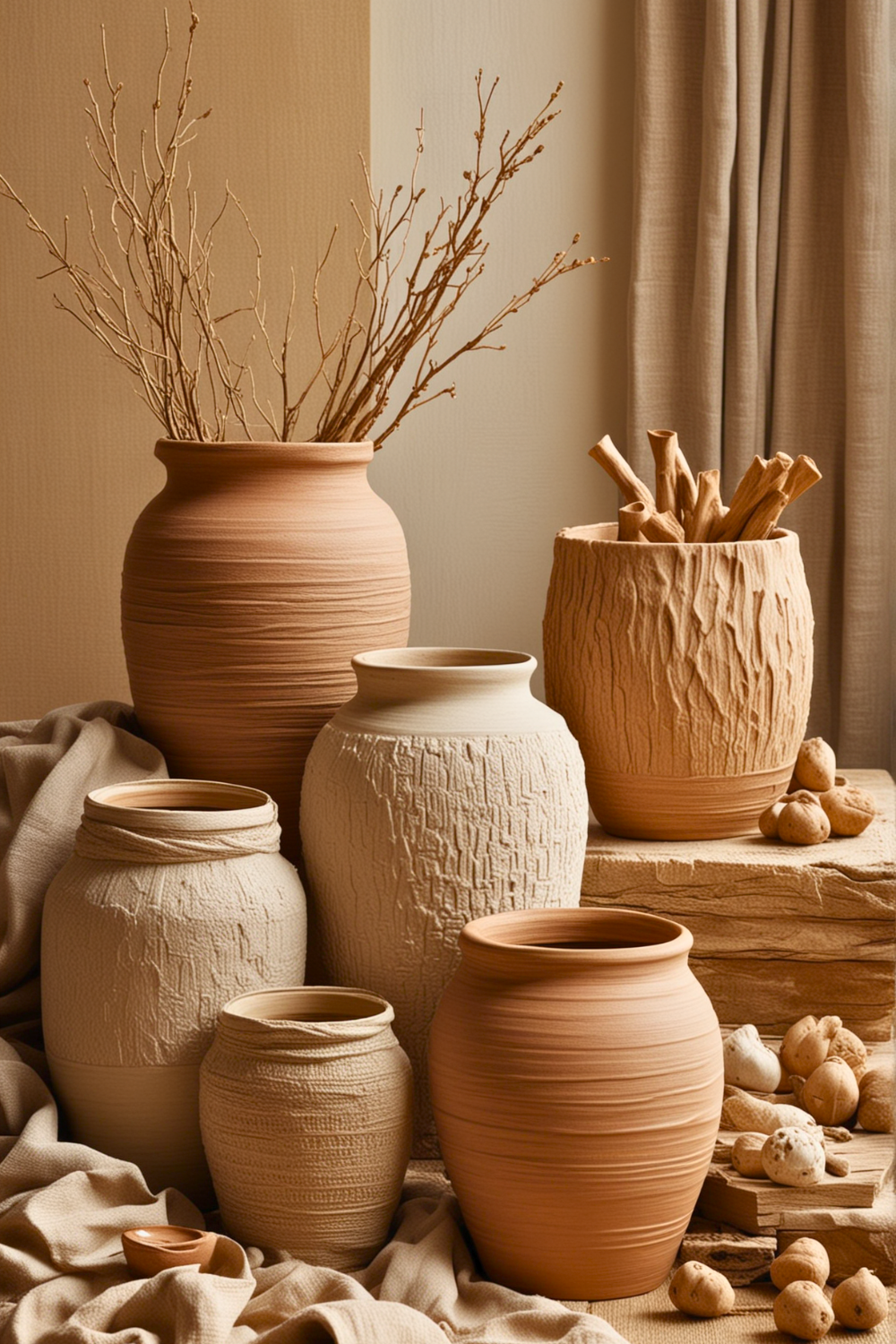
3. Textural Contrast
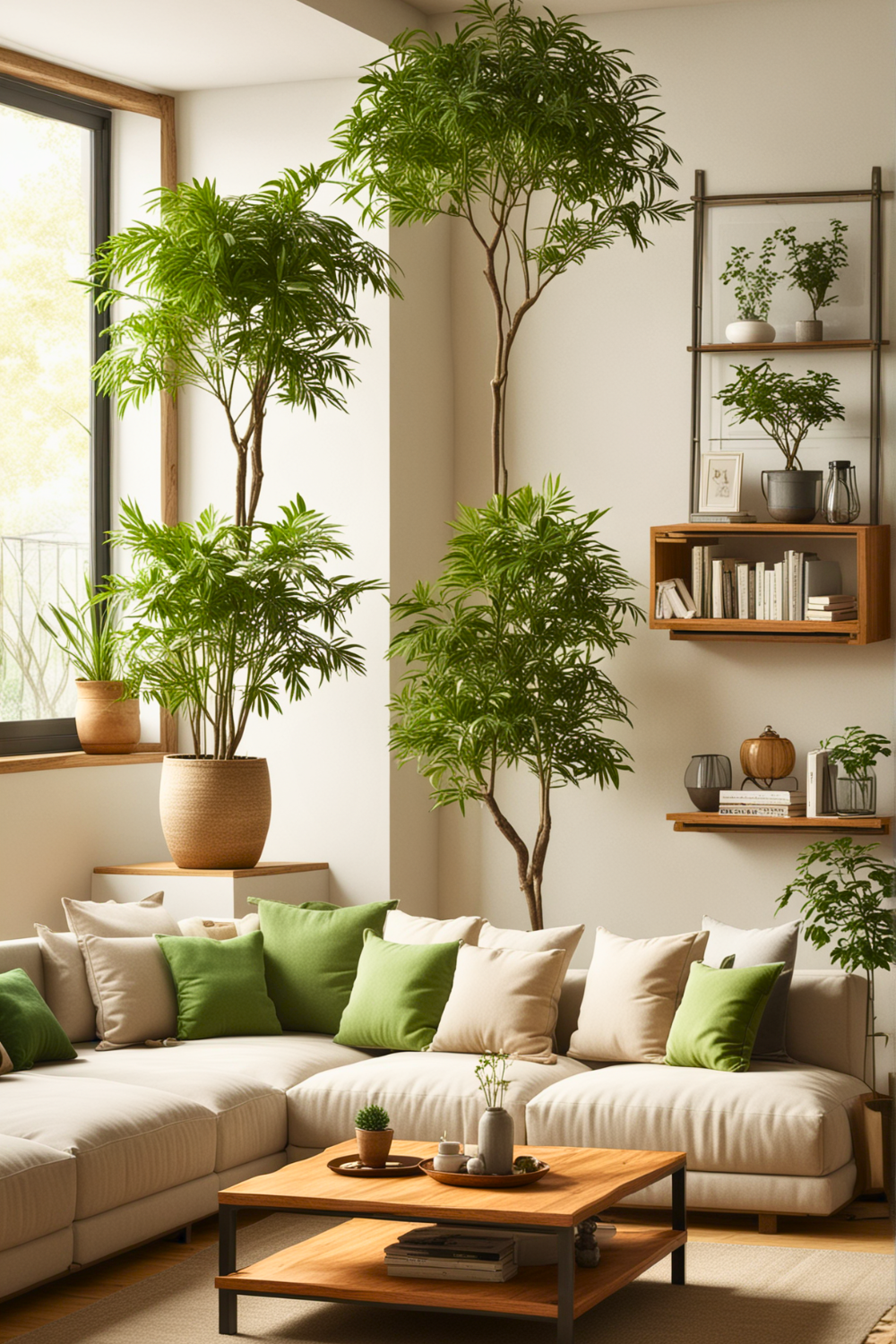
Combining materials like soft textiles, polished woods, and coarse ceramics creates depth, keeping things engaging and multi layered without appearing chaotic. This concept succeeds by forming a rich, sensory experience in any area.
By blending various textures, you appeal to several senses, making the room feel warm and welcoming. Playing with textures stops spaces from appearing dull or unvaried.
It adds warmth and visual appeal to the design without making the room seem messy. It helps emphasize important features and builds focal points, giving the area a more energetic feel.
To use this approach, begin by choosing a foundational material, such as sleek wood furniture. Layer in plush fabrics using pillows, carpets, or curtains, providing comfort and softness.
Add rough ceramics or patterned artifacts as small details. By balancing these distinct textures, you accomplish a unified yet visually striking atmosphere.
4. Natural Lighting
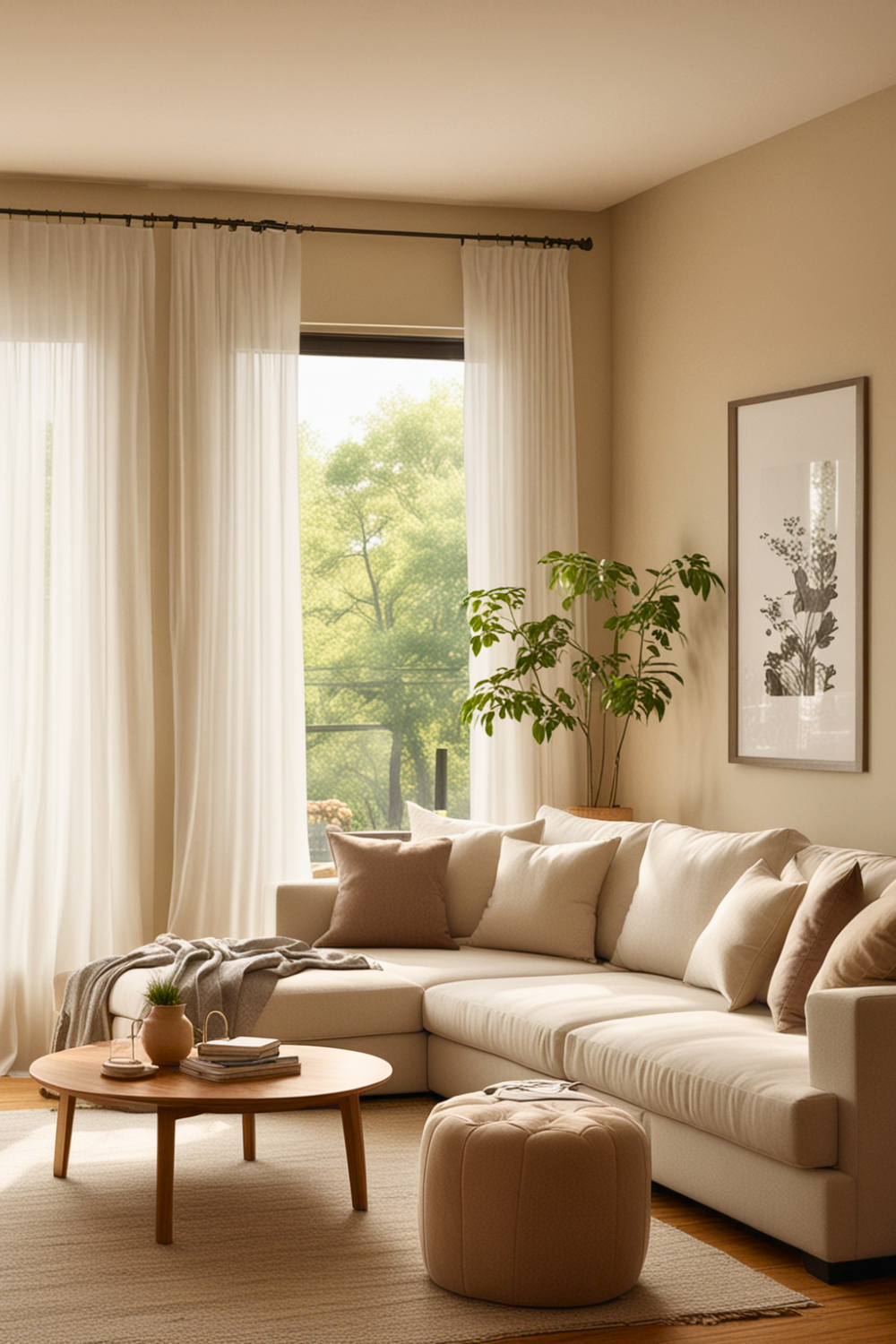
Daylight can make any area feel larger, more vibrant, and more welcoming. The concept of making the most of natural light is straightforward: allow maximum sunshine into your home.
Natural light provides many benefits, such as uplifting your mood, cutting electricity costs, and even increasing efficiency. To accomplish this, minimize heavy window coverings and opt for thin drapes instead.
These let light in while cutting down on harsh brightness and keeping things private. Start by assessing each window in your residence.
Take down heavy curtains or blinds that block the sun. Exchange them for lighter, transparent options that diffuse light softly and uniformly.
This not only improves the general atmosphere but also lessens the need for electric lights during daytime hours. Maintaining clean windows is also crucial, since dirt and residue can obstruct incoming light.
5. Paper Lanterns
Choose paper lanterns for traditional lighting that also softens the space with a gentle glow. They provide a graceful method to introduce feelings of calm and warmth into any room.
Being light and simple to hang, they allow for rapid spatial transformation. They spread light wonderfully, producing a warm and welcoming mood.
Available in diverse sizes and forms, they permit personalization to match your aesthetic. Select the appropriate location in your room.
Then, hang the lantern using either a hook or a ceiling fixture. Place a soft light bulb inside, ideally a low wattage LED, to preserve the gentle radiance without causing the paper to overheat.
6. Wabi-Sabi Elements
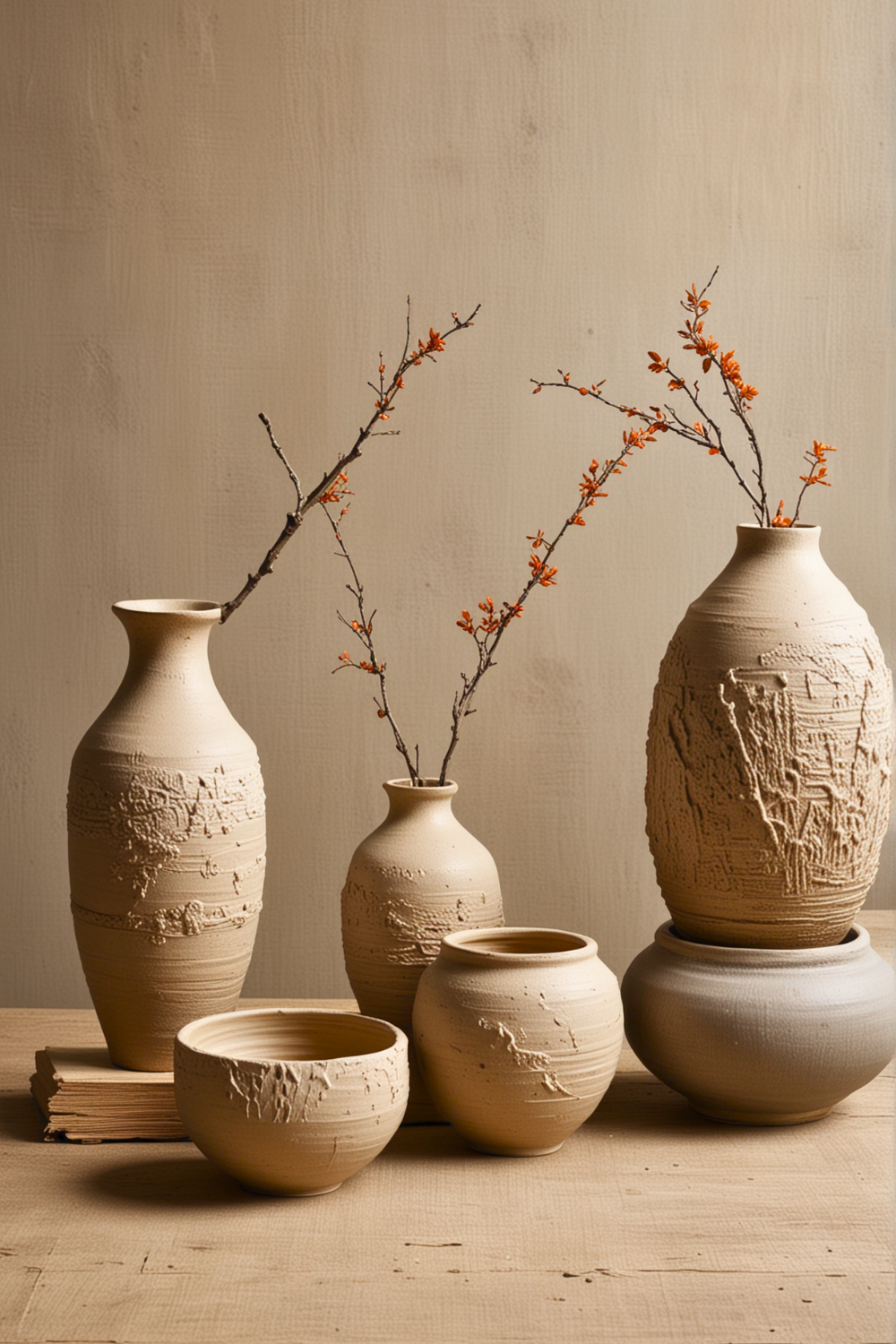
Adopting wabi sabi means appreciating what is imperfect and crafted by hand. Why choose this philosophy? It encourages you to find beauty in imperfections, fostering feelings of acceptance and peace.
The benefits are numerous: it cultivates awareness by keeping you conscious of the current instant, and it also aids craftspeople and eco friendly methods by valuing items made by hand. To bring wabi sabi into your area, begin with minor, deliberate adjustments.
Choose handmade pottery with uneven forms or slight flaws; these objects tell a tale and add personality to your residence. Opt for fabrics that are not perfectly uniform but instead display the maker’s touch through small variations.
By choosing these distinct pieces, you not only beautify your surroundings but also embrace a deeper, thoughtful appreciation for life’s natural imperfections.
7. Open Space
The idea of an expansive, breezy floor plan forms a core part of Scandinavian design, striving to embody feelings of spaciousness and warmth. To put it simply, an open floor plan boosts natural light and makes an area more welcoming.
It permits easier movement and causes the room to appear bigger than its actual size, which is especially helpful in compact residences. It increases the illumination of the area, promoting a more joyful and inspiring atmosphere.
It also encourages social engagement by eliminating divisions between various parts of the house, making it ideal for get togethers and family moments. To put this concept into action, begin by taking down needless walls and dividers.
Choose furniture that is both practical and simple. Maintain a light and neutral color scheme to bounce more light.
Position mirrors thoughtfully to enhance the feeling of space and expansiveness.
8. Statement Vase
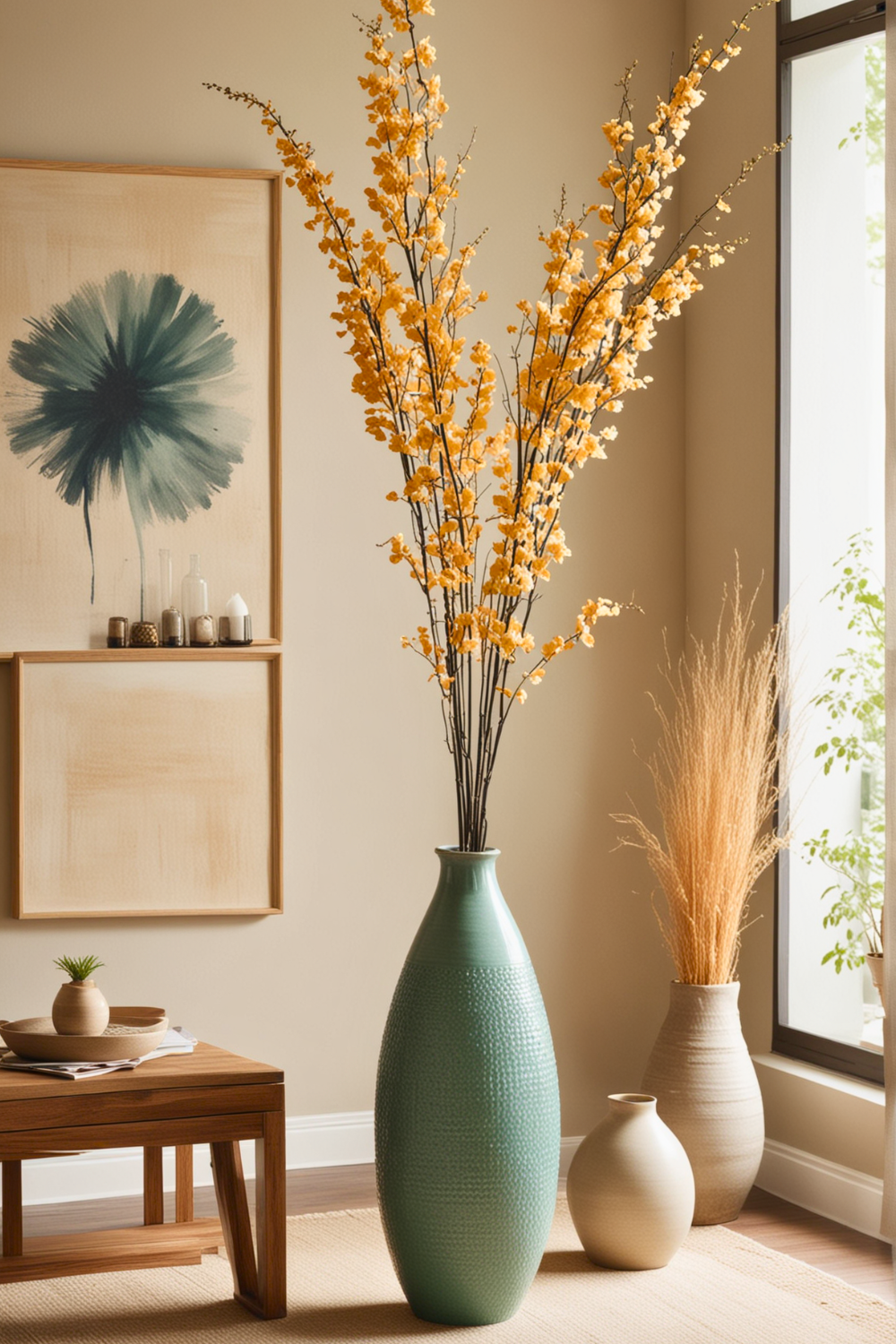
The concept of using an impactful vase as a central feature in your home is both fashionable and practical. A big vase with understated colors or patterns can ground a room’s design, attracting attention without dominating the area.
This concept succeeds because it balances simplicity with visual force, making it a perfect pick for any indoor decoration. Striking vases offer the ability to suit diverse styles, from contemporary to classic, and provide flexibility in being relocated or refreshed for different seasons.
To put this idea into practice, place the vase in a noticeable position like a fireplace mantel, a coffee table, or an entrance area. Fill it with vibrant flowers, delicate branches, or even leave it bare to let its unique design truly stand out.
9. Minimal Window Treatments
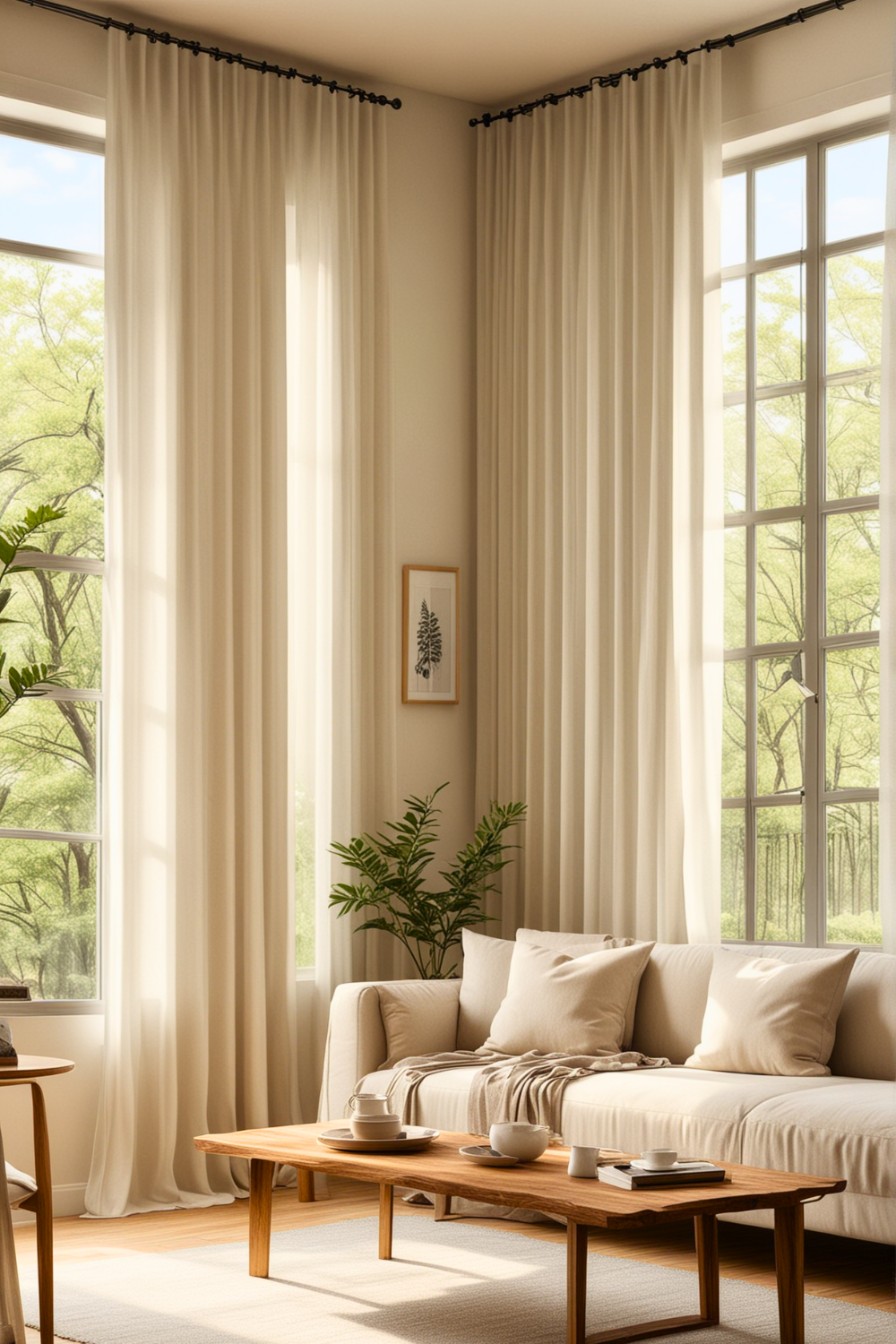
Simple window coverings are a superb technique to keep your home looking tidy and connected to the outside world. It’s straightforward: simplicity is key.
Fewer window treatments make your room feel expansive and breezy, inviting an abundance of natural light. The advantages are plentiful.
They form a smooth connection between your indoor and outdoor areas, making your home appear more spacious. They are simpler to clean and care for compared to heavy curtains or intricate blinds.
Furthermore, they can be more economical and adaptable, suiting various decor styles. How can you get this appearance?
Choose sheer curtains that softly filter light without completely obscuring it. Instead, select basic roller shades that can be lowered for privacy but vanish when retracted.
10. Harmonious Palette
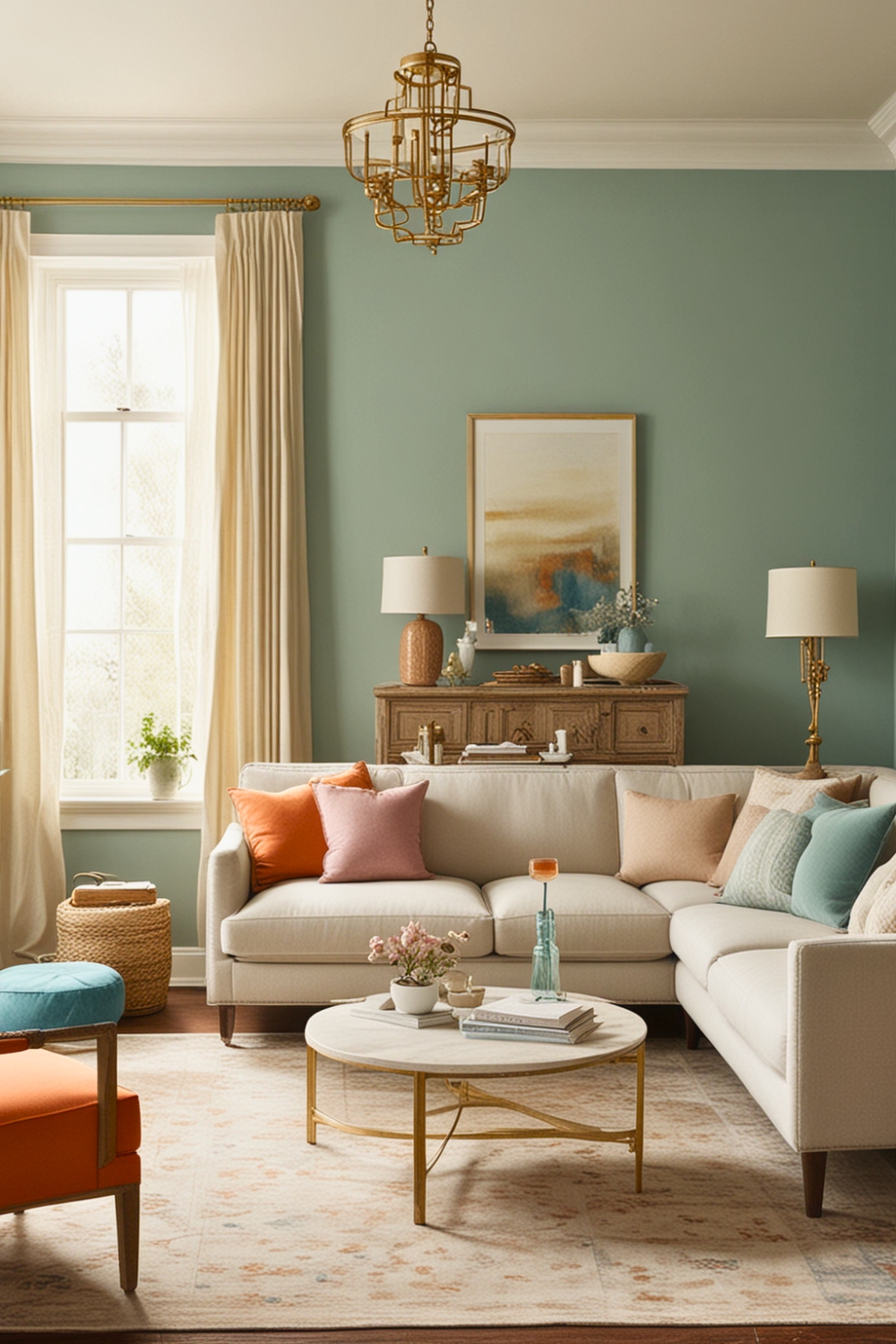
A balanced color scheme is vital for establishing a peaceful and unified feel in any room. This idea depends on utilizing shades that work well together, lessening visual stress and fostering a sense of tranquility.
The primary benefit of a carefully chosen palette is its power to make an area feel connected and stable, which can boost comfort and overall good health. To make this happen, start by picking a main color that establishes the mood for the room.
Choose two or three matching shades to construct a unified scheme. Remember to include neutral colors to balance the palette and offer visual rest.
Apply these hues uniformly across walls, furnishings, and decorative items. This approach guarantees that all parts of the room blend harmoniously, forming a space that is not only beautiful but also comforting to inhabit.
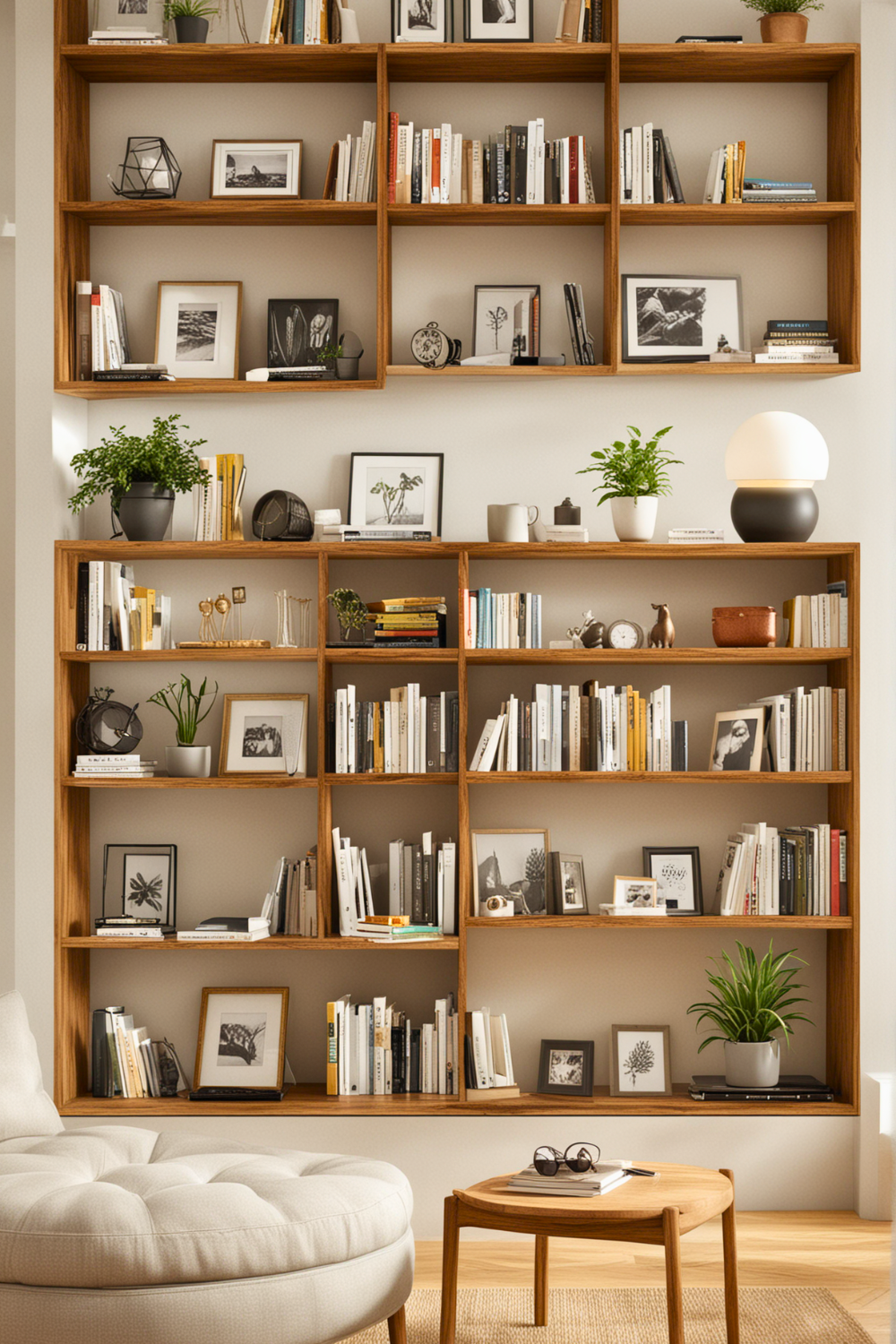
11. Low Bookcases
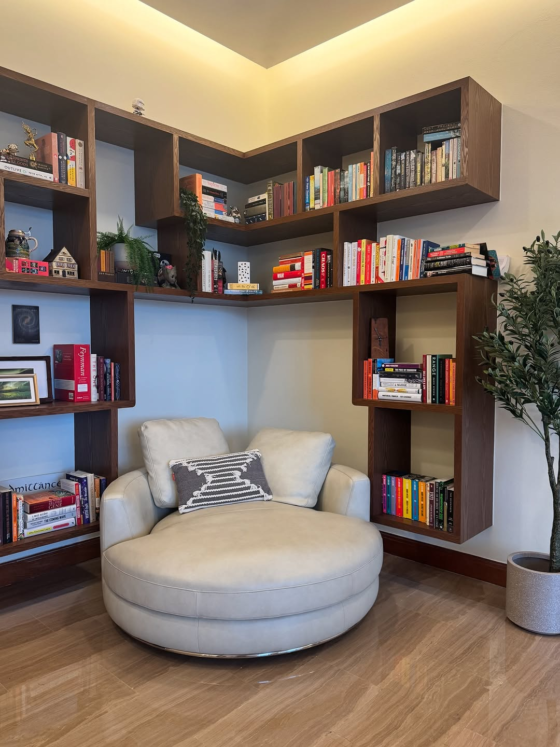
Short, horizontal bookcases are adaptable furniture pieces that fulfill two roles: they hold your books and showcase your cherished decorative objects. This concept is ideal for anyone aiming to introduce both usefulness and visual charm to their living area.
The primary benefit of low bookcases is that they do not dominate a room, causing it to feel less crowded and more expansive. To achieve this, begin by choosing a bookcase that matches your room’s decoration.
Place the bookcase against a wall, ideally where it is simple to reach but does not block other pieces. Organize a balanced combination of books and ornamental items such as framed pictures, small plants, or artistic creations.
Always remember, less is often better; keep things simple to preserve that peaceful atmosphere. Short bookcases gracefully blend style and function, making your room both useful and attractive.
12. Low Furniture
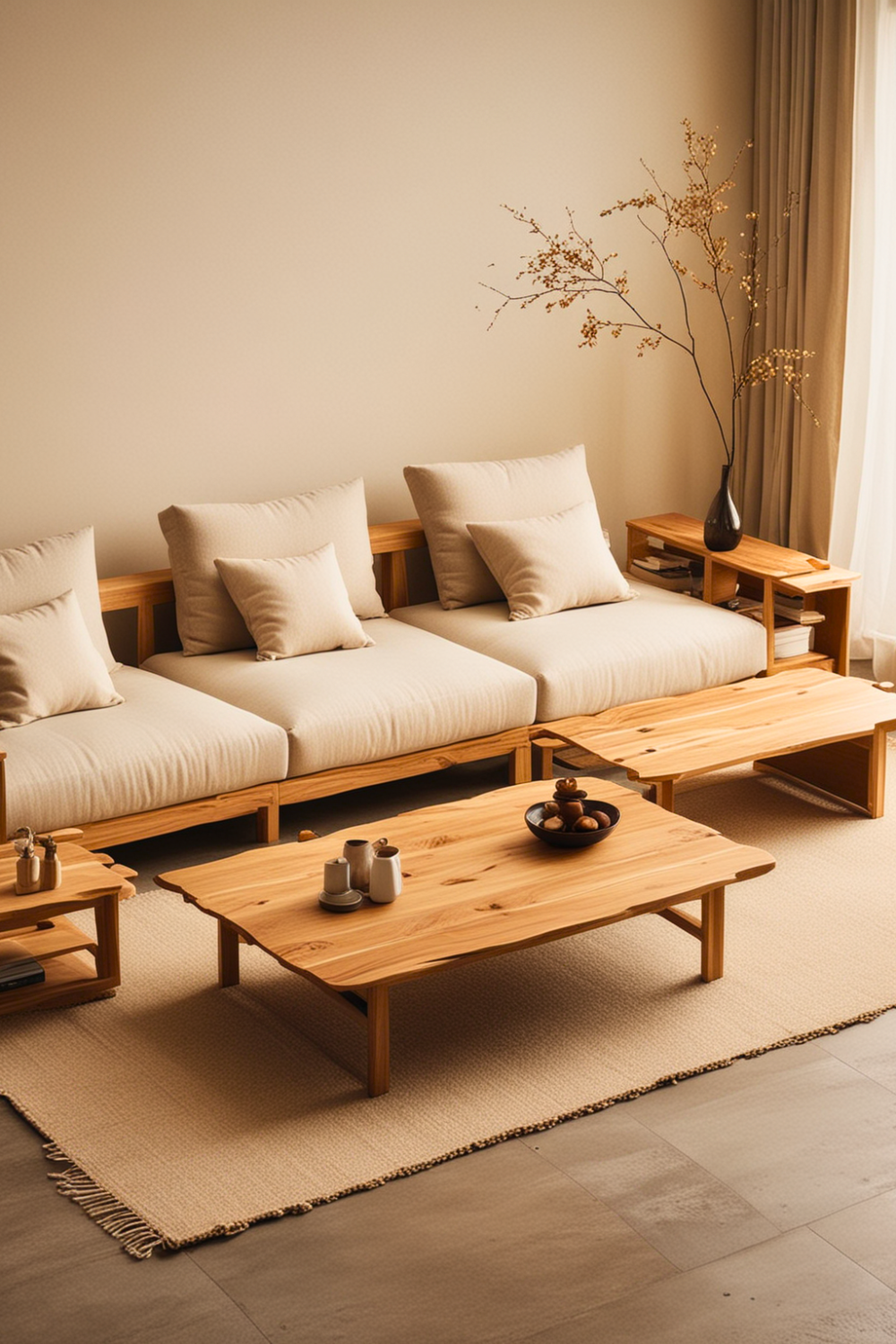
Choosing low profile furniture, like floor sofas and short tables, is more than a trend; it’s a design preference that comes from Japanese minimalist beauty. This method assists in creating a relaxed and tranquil feeling in your lounge area.
The advantages are numerous: low pieces make your room appear larger and more grounded, fostering a feeling of peace and expanse. Furthermore, it can aid posture by prompting you to sit in ways that maintain proper spinal alignment.
To bring this look into your home, begin by selecting comfortable items that sit low to the ground. Consider futons, tatami mats, or platform beds without visible legs.
Maintain a neutral color scheme with natural hues to amplify the tranquil effect. Balance these low pieces with a few well chosen decorations, such as floor pillows or simple wall art, to keep the appearance unified and tidy.
13. Zen Garden Elements
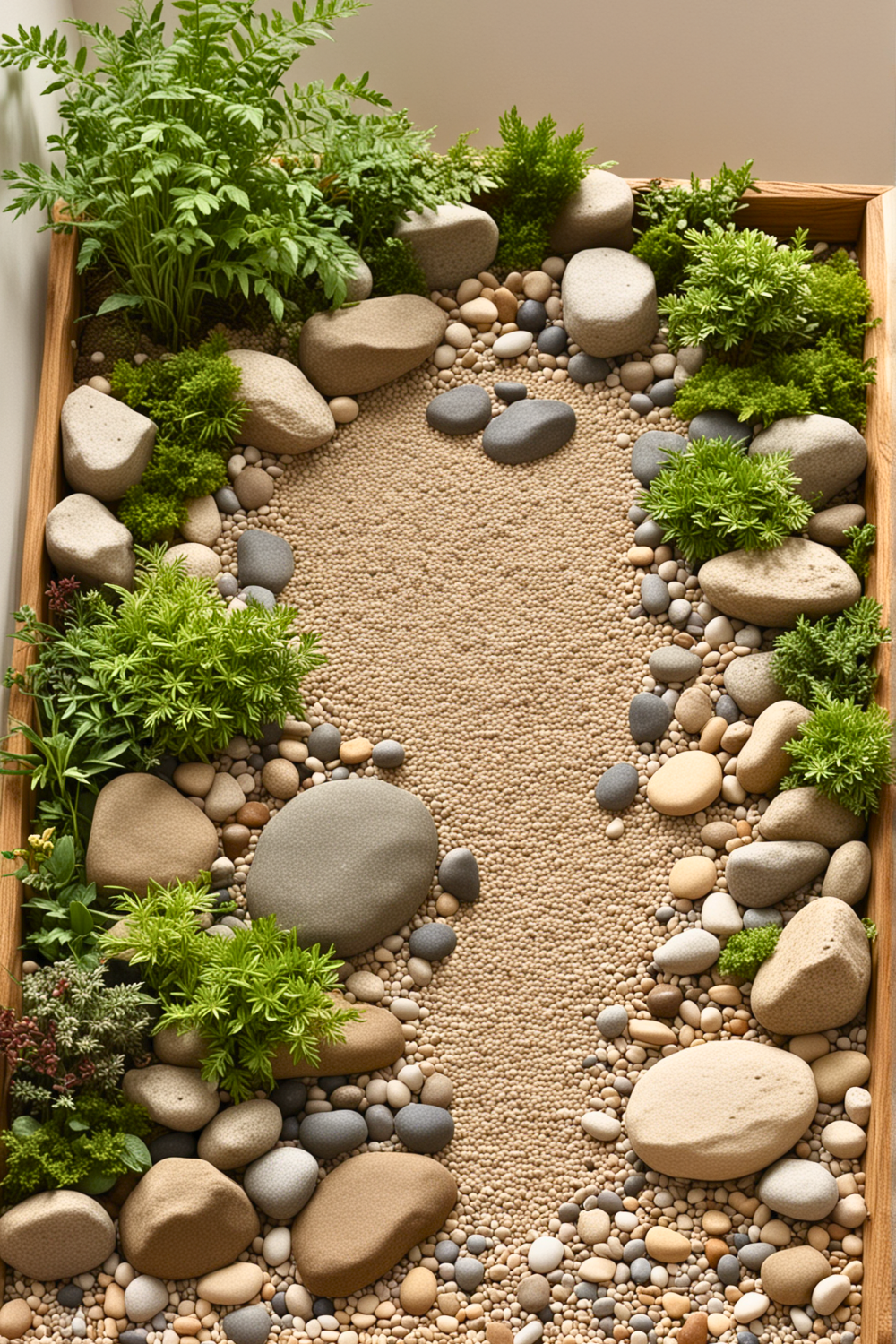
Introducing small Zen garden components into your area, such as a tiny rock garden or a basic water feature, greatly boosts tranquility and awareness in everyday existence. Zen gardens are crafted to encourage relaxation and lower stress, which makes them perfect for forming a calm environment.
These are simple to care for and suit many different spots, from office workspaces to small garden nooks. They also promote present moment awareness through moving rocks or raking sand, which can feel calming.
To bring in these elements, start with a small tray filled with fine sand for the rock garden. Add a few thoughtfully selected rocks and use a tiny rake to make designs in the sand, changing them with your shifting mood.
For a water piece, pick a small, silent pump and a basin to produce a gentle, soothing water sound. These actions will build a peaceful and contemplative area in your surroundings.
14. Clean Lines
Selecting furniture with crisp, simple lines means fully embracing minimalism. Forget fancy details or embellishments; it’s about clear, unadorned design.
This strategy can make a room seem more expansive and less busy. The goal is to develop a serene, structured area that appears bigger and more welcoming.
A significant benefit of this style is its lasting attraction. Uncomplicated designs stay current, and they are simple to blend with other decorations.
Another plus is how simple it is to clean and care for; with fewer elaborate parts, there are fewer spots for dust to accumulate. The way to achieve this aesthetic is direct: choose furniture items with smooth finishes and geometric forms.
Maintain a uniform color scheme and avoid anything too complex. Prioritize quality and usefulness, making sure every item you choose serves a function without dominating the room.
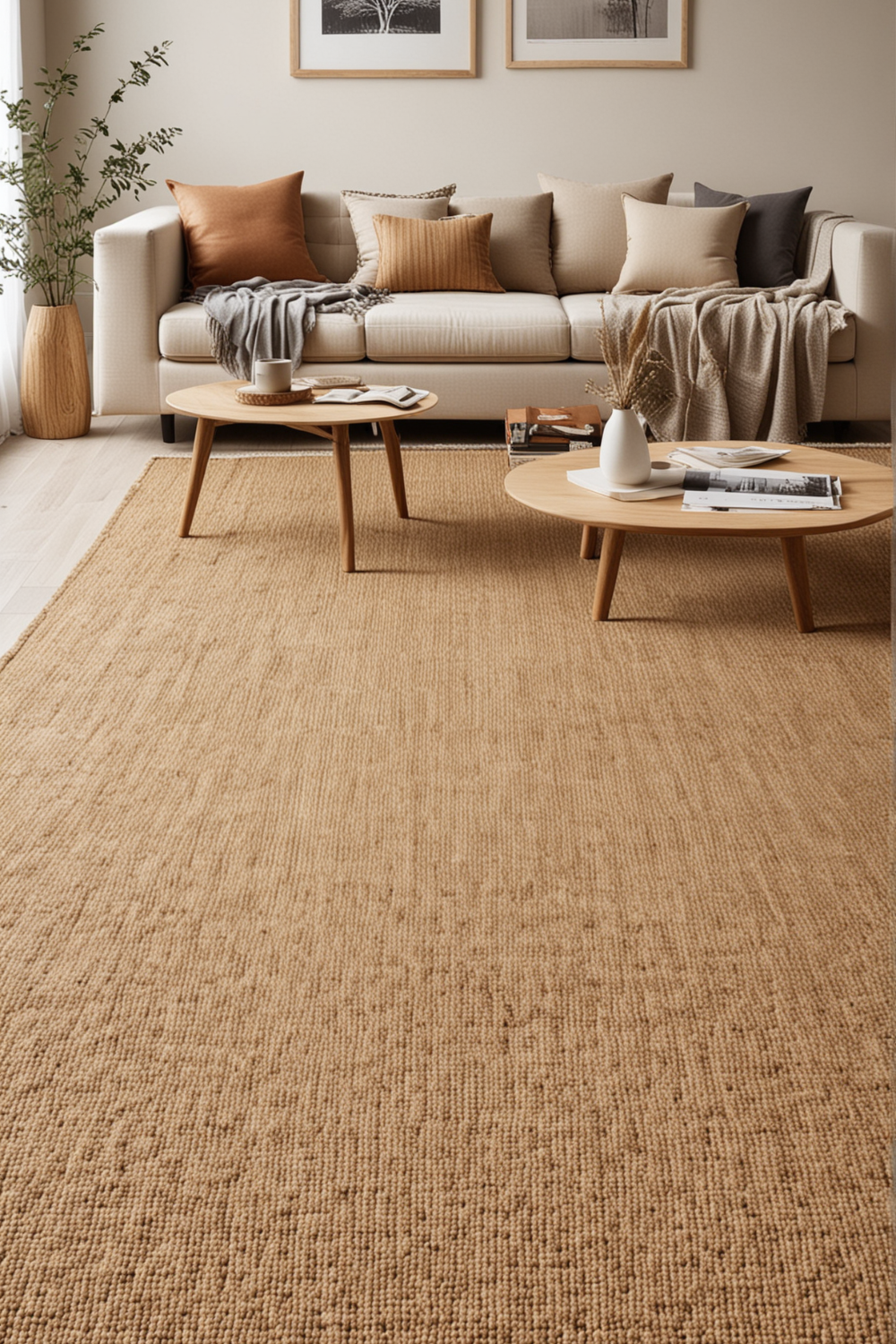
15. Rugs with Natural Fibers
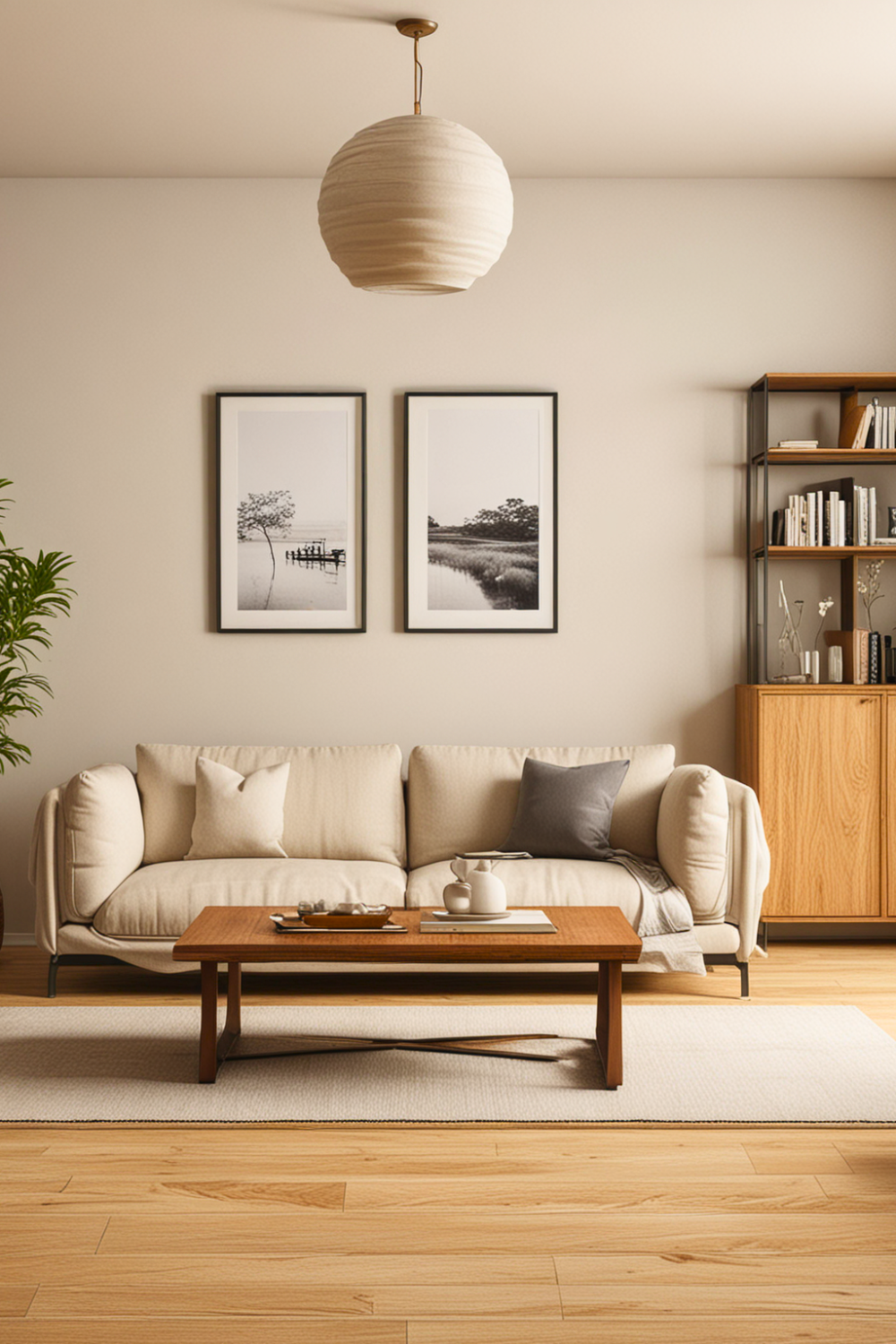
Incorporating natural fiber rugs, such as jute or wool, into your home decor is a wonderful idea. These rugs not only add warmth and texture to any area but also complement the simplicity of modern design.
The natural fibers of jute and wool form a gentle, welcoming surface that is both comfortable and aesthetically pleasing. Rugs made from natural fibers are tough, eco friendly, and simple to care for.
Jute rugs are celebrated for their strength and sustainable qualities, given that jute is a renewable material. Wool rugs, by contrast, provide superb insulation and stand up well against stains and daily use.
To include these rugs in your home, start by evaluating the area where more warmth and texture are desired. Pick a rug that matches the room’s dimensions and style.
Be sure to vacuum frequently and rotate it occasionally to ensure even use and a longer lifespan.
16. Bamboo Accents
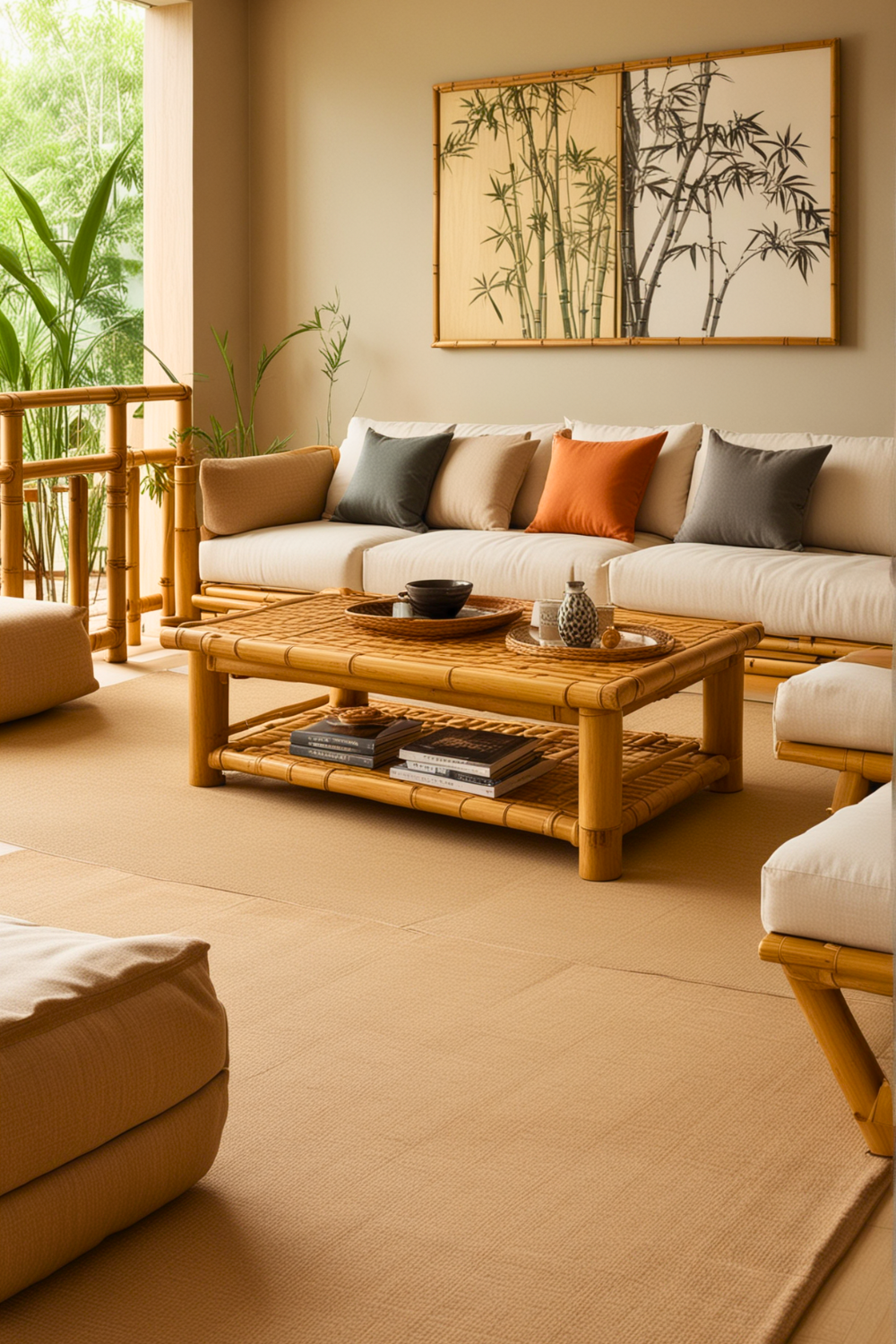
Bamboo furniture or decorative items introduce a unique Japanese flair that feels both classic and new. Including bamboo in your home decoration is an excellent concept since it merges elegance with eco friendliness.
Bamboo grows fast and is a sustainable resource, making it an environmentally sound option. The advantages of utilizing bamboo details are many.
Bamboo is strong and resists damage, ensuring your items endure for many years. Also, its pale hue and inherent texture create a peaceful, meditative atmosphere in any room.
To bring bamboo into your home, begin with small items like bamboo photo frames or dining ware. Slowly, you can introduce bigger pieces like bamboo shelving or seating.
Blend it with other natural elements such as wood and stone for a unified appearance. The approach is direct: pick high quality bamboo products and arrange them thoughtfully throughout your home to create a balanced, pleasant setting.
17. Soft Lighting
Gentle, warm light from lamps is crucial in your living room; avoid harsh overhead lights to maintain a cozy feel. This idea comes from needing a relaxed atmosphere that encourages peace and ease.
The advantages are plentiful. Subtle lighting lessens eye fatigue, making it simpler to read, watch television, or relax without the harshness of bright lamps.
It also creates an inviting mood that is ideal for both calm nights and hosting visitors. To get this effect, consider gentle whites or sunny yellows.
Place these lamps thoughtfully around the room, for example, near couches and corners, to ensure light spreads evenly. Steer clear of positioning them right at eye height to avoid any harsh reflections.
Light dimmers are a fantastic addition, allowing you to adjust brightness according to your activity or desired mood.
18. Neutral Color Palette
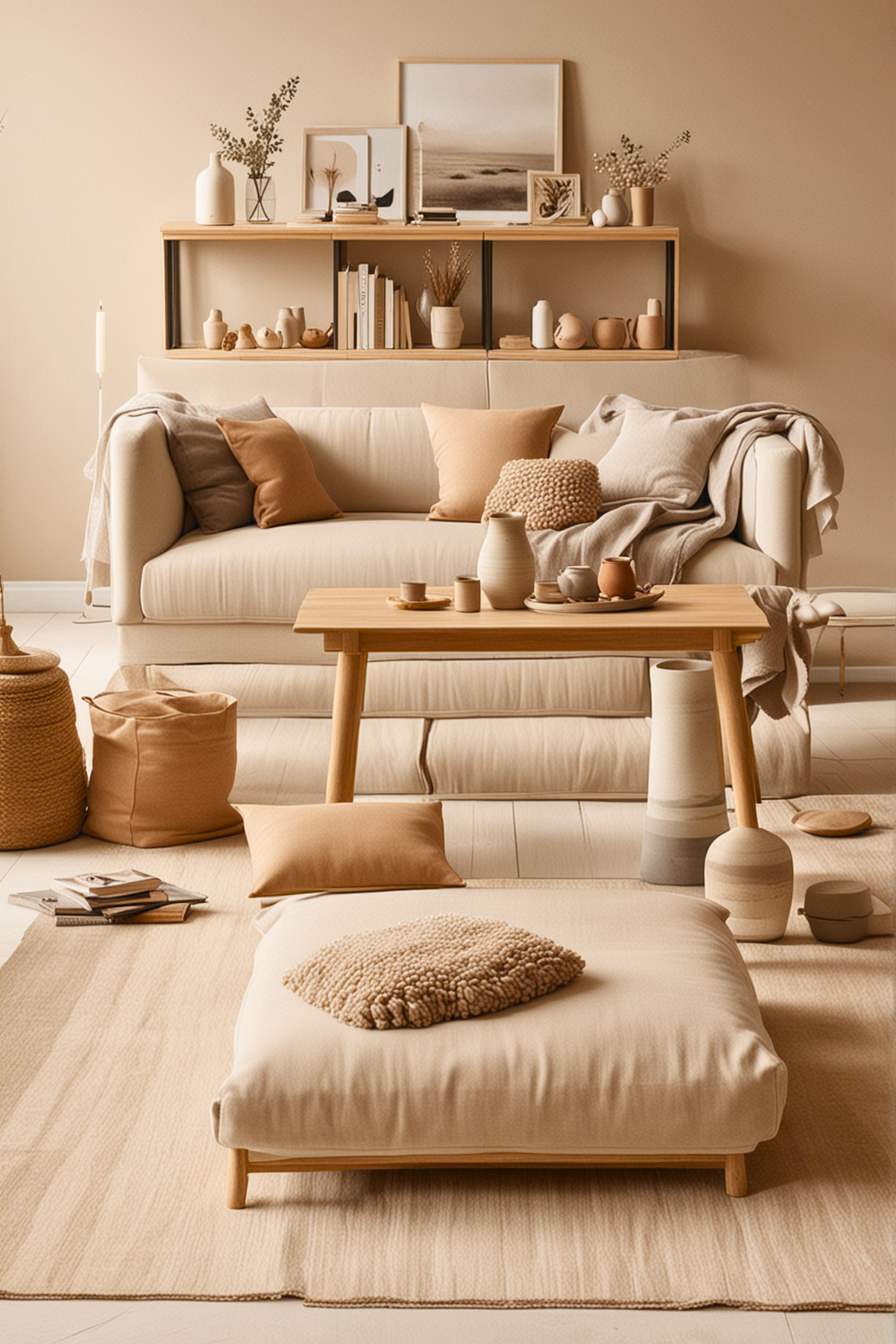
Neutral color schemes are a go to for creating a calm vibe in any space. By choosing gentle colors like beige, grey, and soft pastels, you can easily foster a tranquil and welcoming setting.
The thinking here is straightforward: neutral tones are less likely to overpower your senses than more vibrant, daring hues. This makes them ideal for rooms where relaxation is primary, such as family rooms, sleeping areas, and work from home spaces.
Neutral palettes offer many benefits. They form a flexible background that suits many decorating styles, from ultra modern to country charm.
Moreover, these shades can make a room seem larger and breezier, giving the impression of wide open space. To achieve this look, select a main color and then layer it with different tones and materials.
For instance, combining a gentle beige wall with grey furniture and pastel details can form a unified, peaceful area.
19. Monochrome Textiles
Incorporating single color textiles into your home can turn your area into a chic yet peaceful getaway. The concept is uncomplicated: by adhering to a single color scheme, you achieve a clean and coherent appearance that feels well coordinated.
The main benefit here is how it imparts a feeling of calm and structure to your rooms, making them seem larger and more welcoming. Moreover, gentle fabrics such as cotton or linen boost comfort, lending a luxurious feel without dominating the entire design.
To use this technique, start by selecting a primary color you admire. Black, white, and grey are traditional choices, but any one shade can function well.
Collect various fabrics within this color spectrum, like blankets, pillows, and drapes. Blend textures to enhance depth, combining sleek silks with rustic wools, for example.
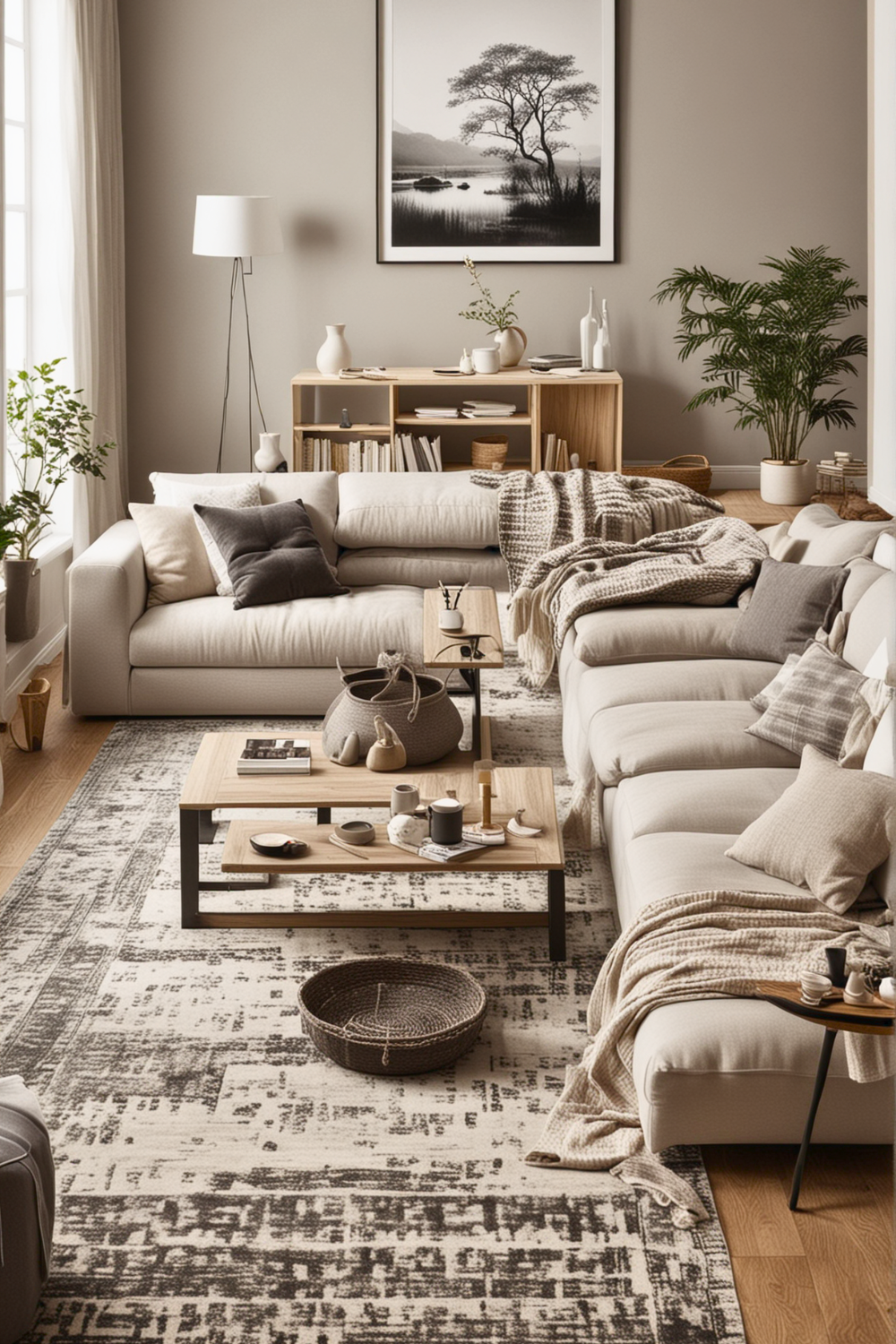
20. Natural Wood
Choosing light, raw wood for furniture and decorative touches is a superb option for designing a cozy yet refined living area. The concept is straightforward but powerful: by adding these natural parts, you infuse warmth and an organic touch into any space.
Pale woods like oak or pine provide your home with a subtle allure that is both inviting and graceful. Real wood is remarkably adaptable and complements diverse decor styles, ranging from country to contemporary.
It is also eco friendly, frequently sourced responsibly, and breaks down naturally. Furthermore, raw wood ages beautifully, forming a distinct patina over time that enriches your room’s character.
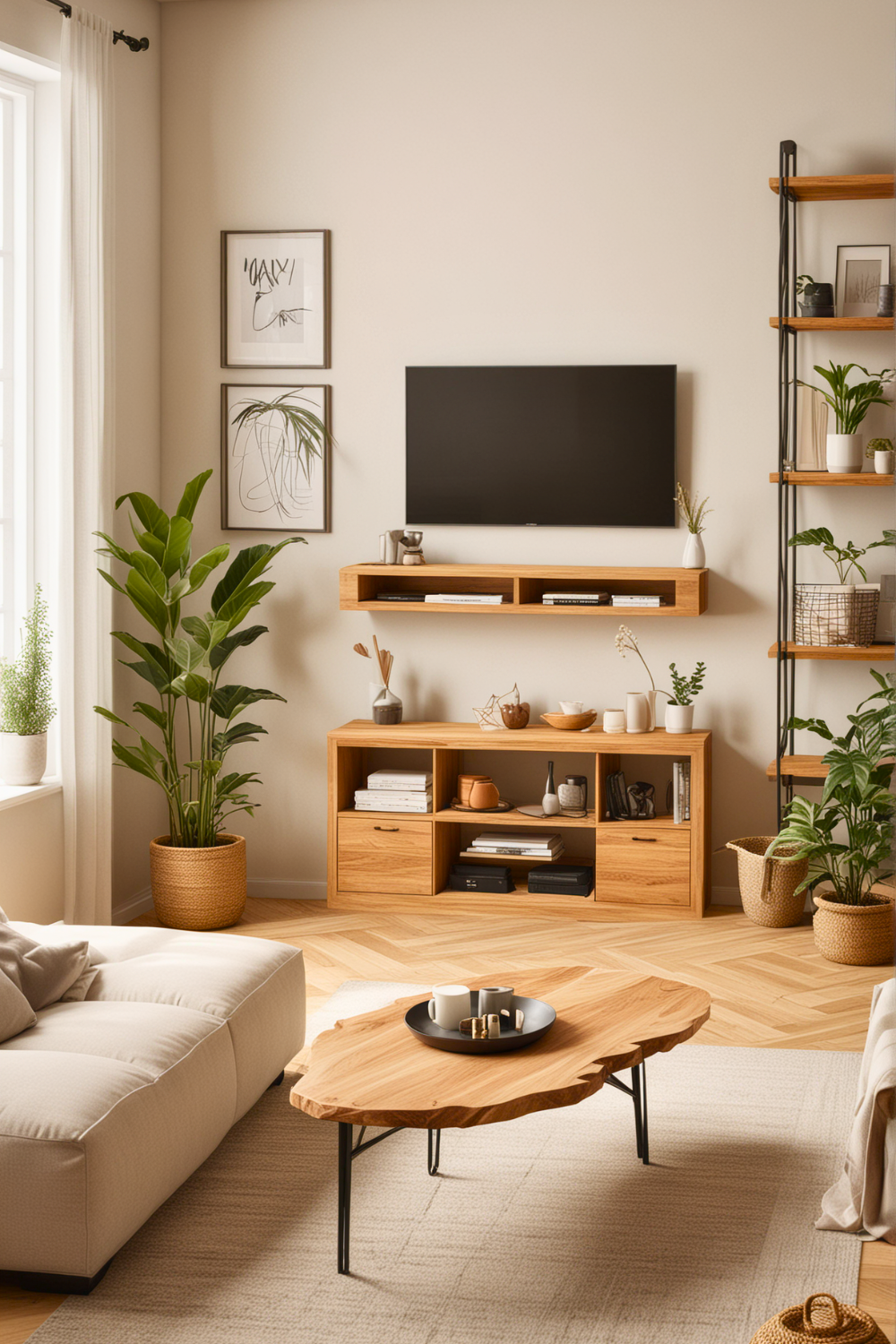
To include this style, start by picking essential items such as coffee tables, shelving, or seating made from light, unfinished wood. For small details, think about wooden photo frames or ornamental bowls.
Keep their appearance nice with regular dusting and steer clear of harsh cleaners to protect the wood’s innate charm.
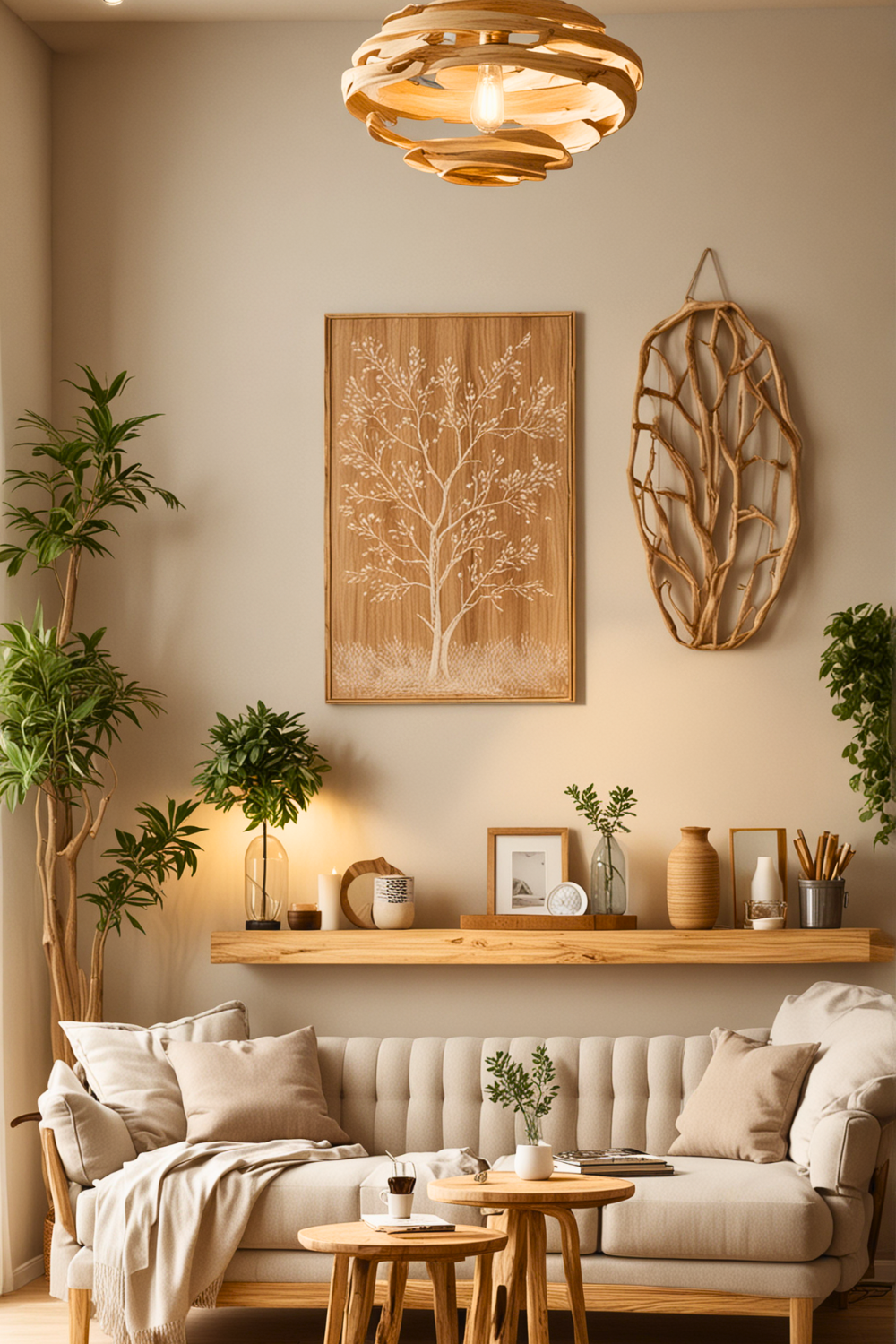
21. Minimal Decor Items
Maintaining minimal decor by prioritizing quality over sheer volume is a clever strategy for anyone aiming to avoid mess and achieve a clean, refined appearance. It’s straightforward: fewer possessions mean less disarray, making cleaning and tidying far simpler.
An uncluttered setting is visually pleasing and can assist in lowering stress. Top quality products are usually more resilient and enduring, offering greater worth over time.
So how do you apply this technique? Begin by decluttering your area and taking out items that lack function or do not bring happiness.
Invest in a few expertly crafted pieces that represent your taste. Whether it’s an eye catching vase or a chic lamp, ensure every item adds worth to your space.
22. Sliding Doors
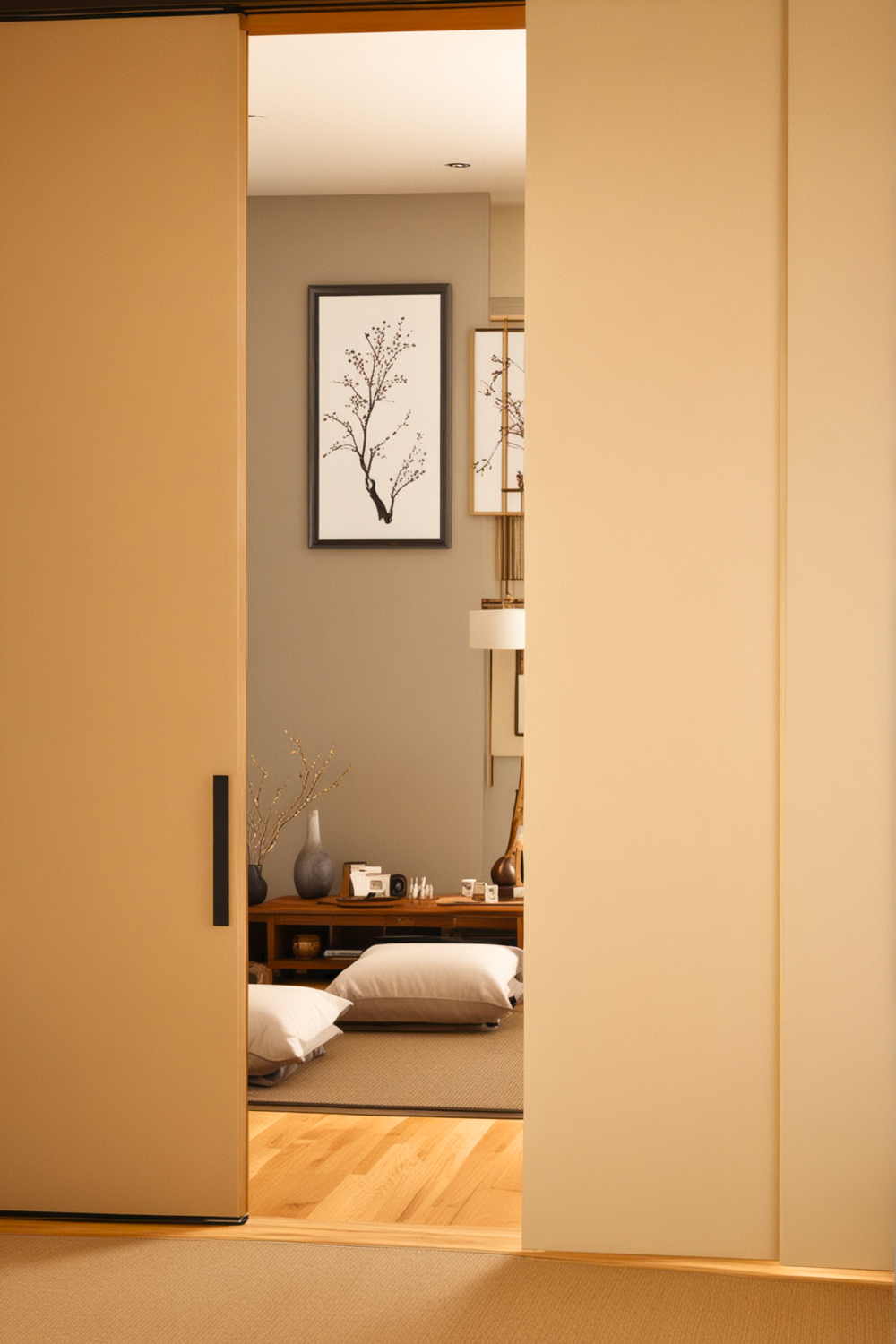
Sliding doors are a superb choice for dividing rooms in a way that is both effective and understated. This idea, drawn from classic Japanese building design, enables smooth movement between areas while still offering seclusion as desired.
It’s simple: sliding doors conserve space. Instead of swinging out and consuming precious room, they move along a rail, keeping your living zone tidy and expansive.
They are straightforward to use, boost your home’s appearance, and provide versatility in how you utilize your area. Furthermore, these doors frequently possess a polished, contemporary look that suits many indoor designs.
To put this concept into practice, install a sliding door rail system above your doorway. Ensure the door itself correctly fits your area, and pick a style that matches your home’s overall design.
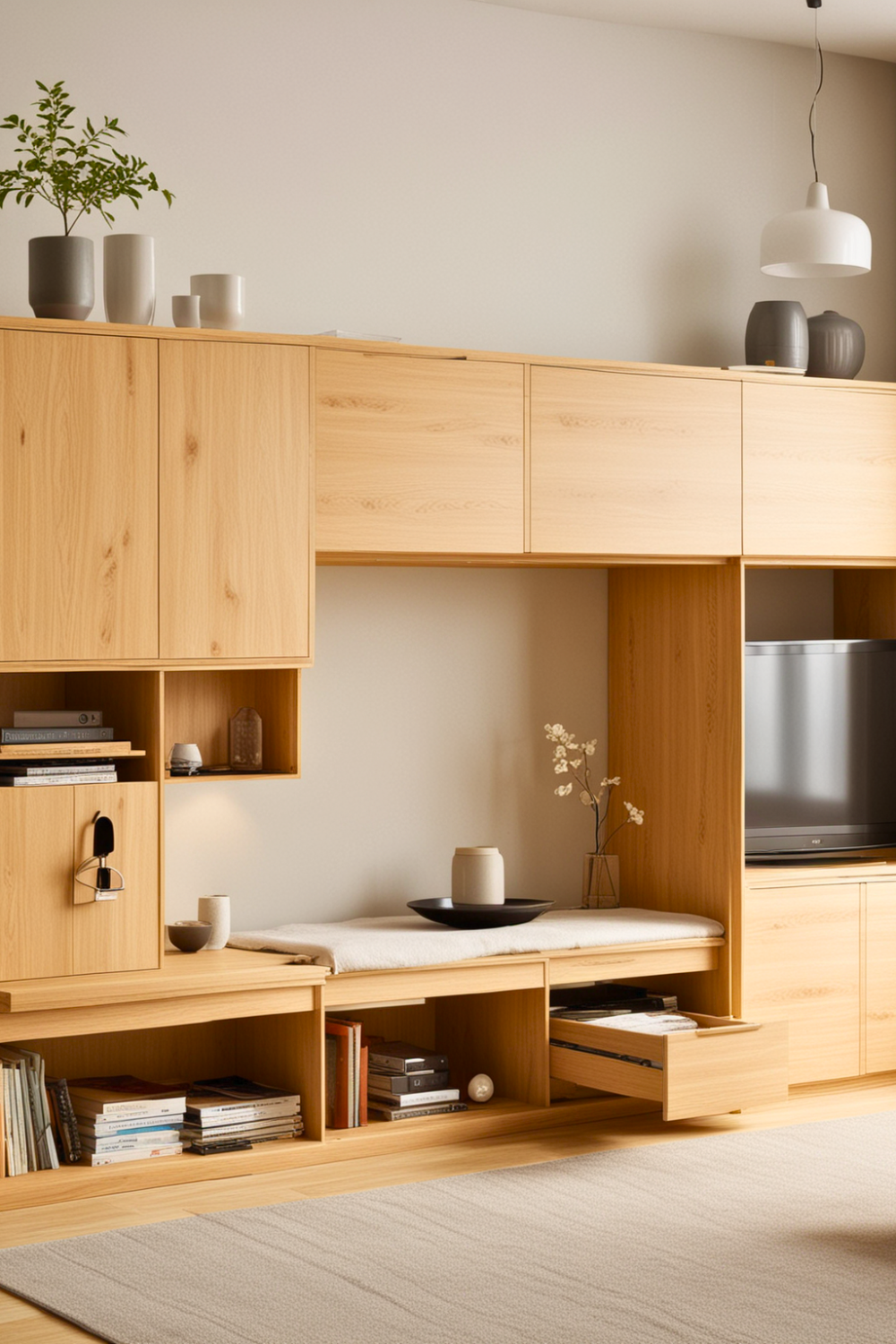
23. Hidden Storage
Integrated storage furniture is beyond just a space saving trick; it’s a lifestyle decision that fosters simplicity and order, key characteristics of Japanese and Scandinavian designs. Why is this concept gaining popularity? It makes clutter disappear, freeing up room and making spaces appear larger and more peaceful.
The benefits are undeniable: wave goodbye to untidy rooms and embrace an environment simple to clean. It is a huge help for compact apartments or homes where every bit of area matters.
Moreover, concealed storage helps minimize visual distractions, fostering a calm, inviting mood. Choose furniture items that serve two functions, such as beds with under storage drawers or ottomans that open to show hidden compartments.
Seek out coffee tables that have secret sections or benches with seats that lift. The aim is to select products that not only match your style but also offer useful solutions for daily storage needs.
24. Functional Minimalism
See functional minimalism at its peak in your living room’s design. This style centers on practical Scandinavian principles, stressing simplicity and usability.
The concept for this method is to build a space without clutter, where each object serves a precise function. This idea is wonderful because it not only keeps your living area looking clean and tidy but also lowers stress by removing needless distractions.
An uncluttered environment can sharpen mental focus, boost efficiency, and foster a peaceful mood. Beyond that, functional minimalism promotes sustainability by advocating for fewer, longer lasting products.
To get this aesthetic, start by decluttering, removing anything that lacks practical use or fails to bring happiness. Choose furniture with crisp lines and neutral hues.
Select multi functional pieces and keep decorations sparse. This approach ensures your living room stays both chic and effective.
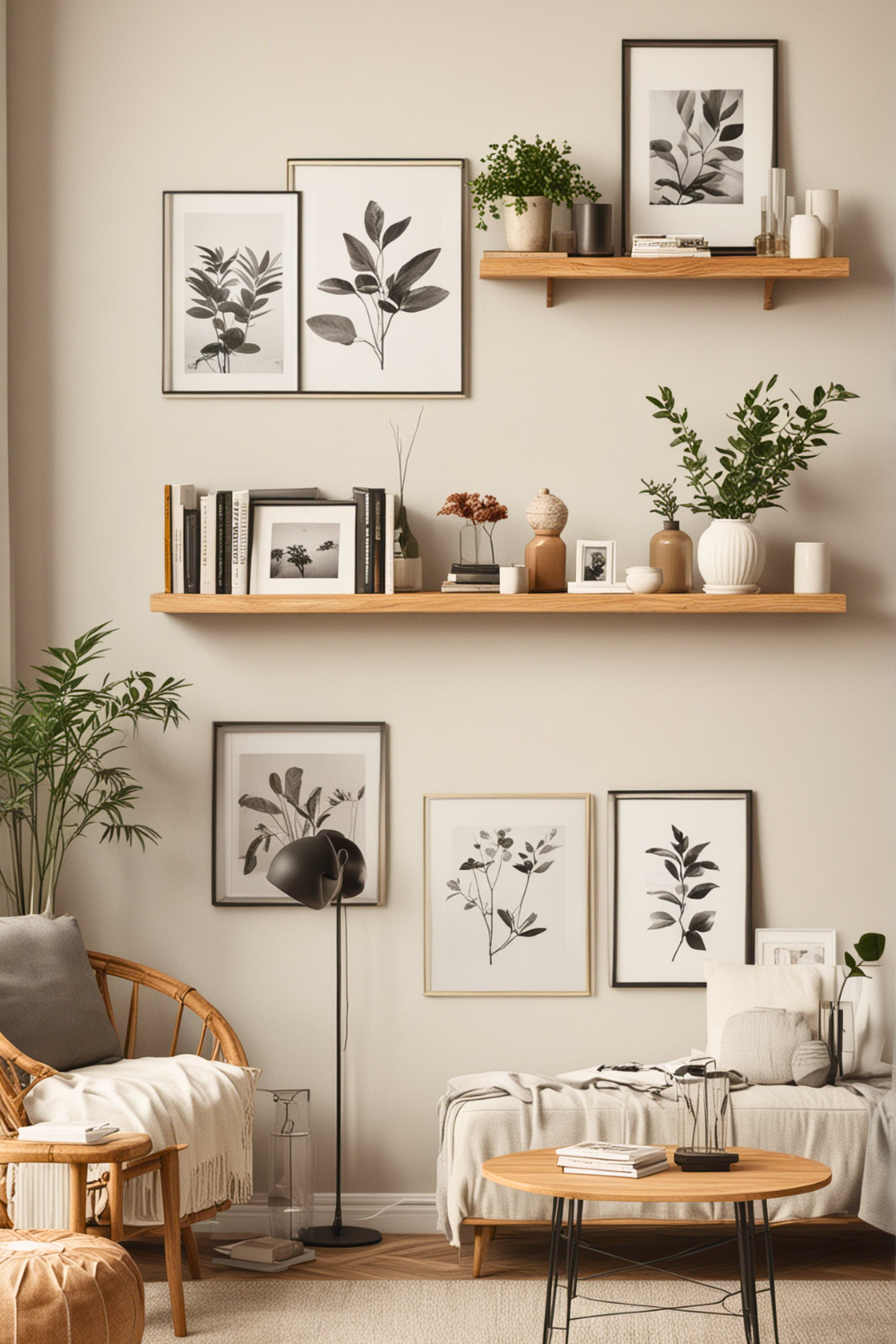
25. Minimalist Artwork
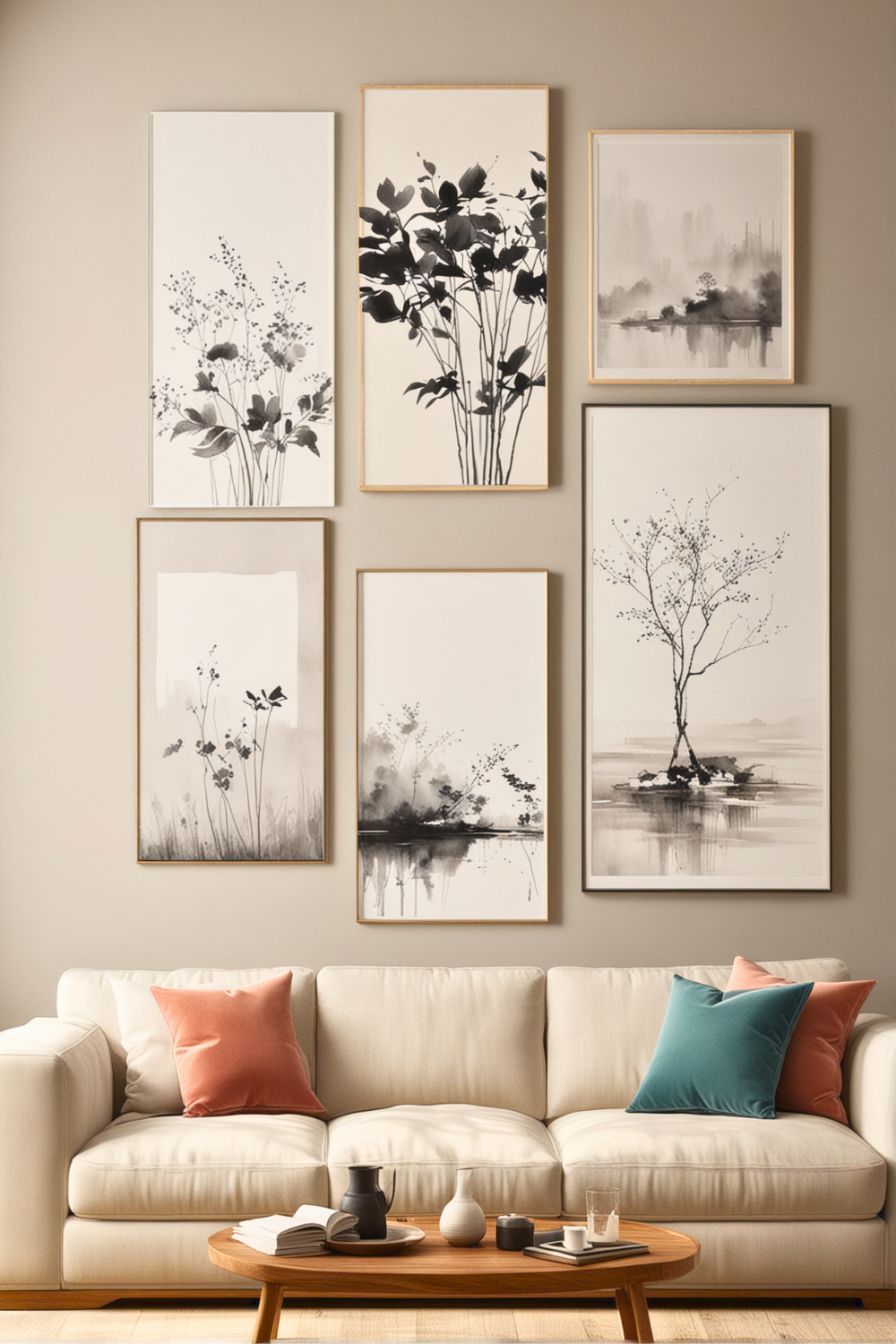
Adorning your walls with simple artwork, such as ink wash paintings or understated abstract pieces, can greatly improve your room’s mood. This fits perfectly with the idea of simplicity, cultivating a feeling of tranquility and structure in your surroundings.
Simple art does not overload your senses, which makes it simpler to unwind and focus. It also complements various decor styles, creating balance in your residence.
Begin by picking pieces that connect with you, both emotionally and visually. Consider your room’s color scheme and select art that enhances it without conflicting.
Keep the number of pieces low to prevent mess. Lastly, place them at eye height to achieve a balanced and uniform appearance.
26. Paper Lanterns
Choose paper lanterns for traditional lighting that also softens the space with a gentle glow. They provide a graceful method to introduce feelings of calm and warmth into any room.
Being light and simple to hang, they allow for rapid spatial transformation. They spread light wonderfully, producing a warm and welcoming mood.
Available in diverse sizes and forms, they permit personalization to match your aesthetic. Select the appropriate location in your room.
Then, hang the lantern using either a hook or a ceiling fixture. Place a soft light bulb inside, ideally a low wattage LED, to preserve the gentle radiance without causing the paper to overheat.