10 Japandi Interior Design and Decor Ideas
Japandi style is the perfect blend of two beloved design philosophies, creating a home environment that feels both fun and deeply relaxing. Also known as Scandinese or Japanordic, this look fuses Japanese and Scandinavian aesthetics.
Achieving the right balance is key. The goal is to avoid a cluttered feel by thoughtfully mixing furniture and decor. If you’re ready to bring this beautifully open and serene style into your space, this guide will show you exactly how to get started.
What is Japandi Style Decorating?
Japandi decor fills a room with a sense of calm, touched by simple beauty and tranquility. It’s a design that feels distinctly Japanese without being literal, and has a Scandinavian vibe without needing to be in Scandinavia. While that might seem like a strange way to put it, anyone who has seen a true Japandi room understands the feeling perfectly.
This interior style isn’t about your heritage; it’s about crafting minimalist spaces that promote peace and make you want to slow down, relax, and savor life. The style shares a lot with Zen philosophy, where simplicity is everything. The less clutter you have in your home, the clearer and more open your mind can be.
Hygge vs. Wabi-Sabi
If you love the concept of hygge, you want your home to be a warm, welcoming sanctuary. If you lean toward wabi-sabi, your space should celebrate its own unique imperfections and the story of how it has aged. To better understand these two ideas and how they differ, let’s look at their definitions.
The Danish word hygge is all about coziness. It focuses on connecting with people, and with yourself, through intentional activities that cultivate joy, comfort, and a sense of togetherness. Wabi-sabi, an ancient Japanese philosophy, centers on appreciating the beauty in things that most might see as flawed or imperfect.
It prioritizes authenticity above all, inspiring people to embrace their natural environment instead of trying to alter it. You can see how much these two concepts have in common. They both encourage a mindful appreciation for our surroundings and the people in them. Yet, there are some key differences worth a closer look.
Japandi Colors
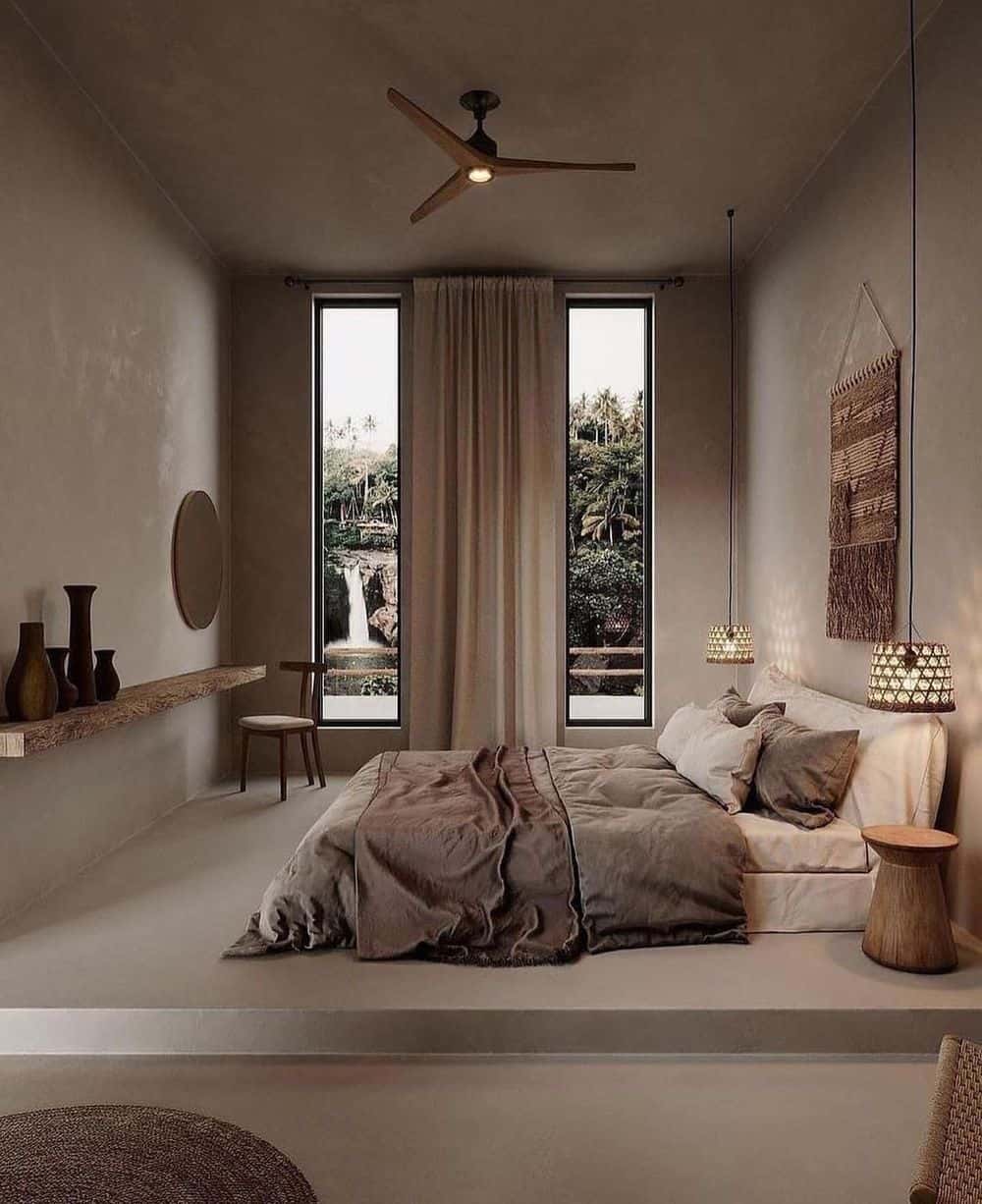
When choosing a color scheme for a Japandi interior, it’s wise to stay close to tradition. The style is built on a foundation of neutral palettes, and a few basic guidelines should be followed when selecting colors for your room. Neutral shades typically lean toward cooler tones, especially blues and greens.
Earthy colors like brown and khaki pair beautifully with warm whites and grays. You can introduce patterns or geometric designs to add life to a space, but if your furniture is also neutral, it’s best to keep these additions tonal. Including a small pop of bright color, like a coral lampshade, can effectively break up the serene shades without creating too much of a shock.
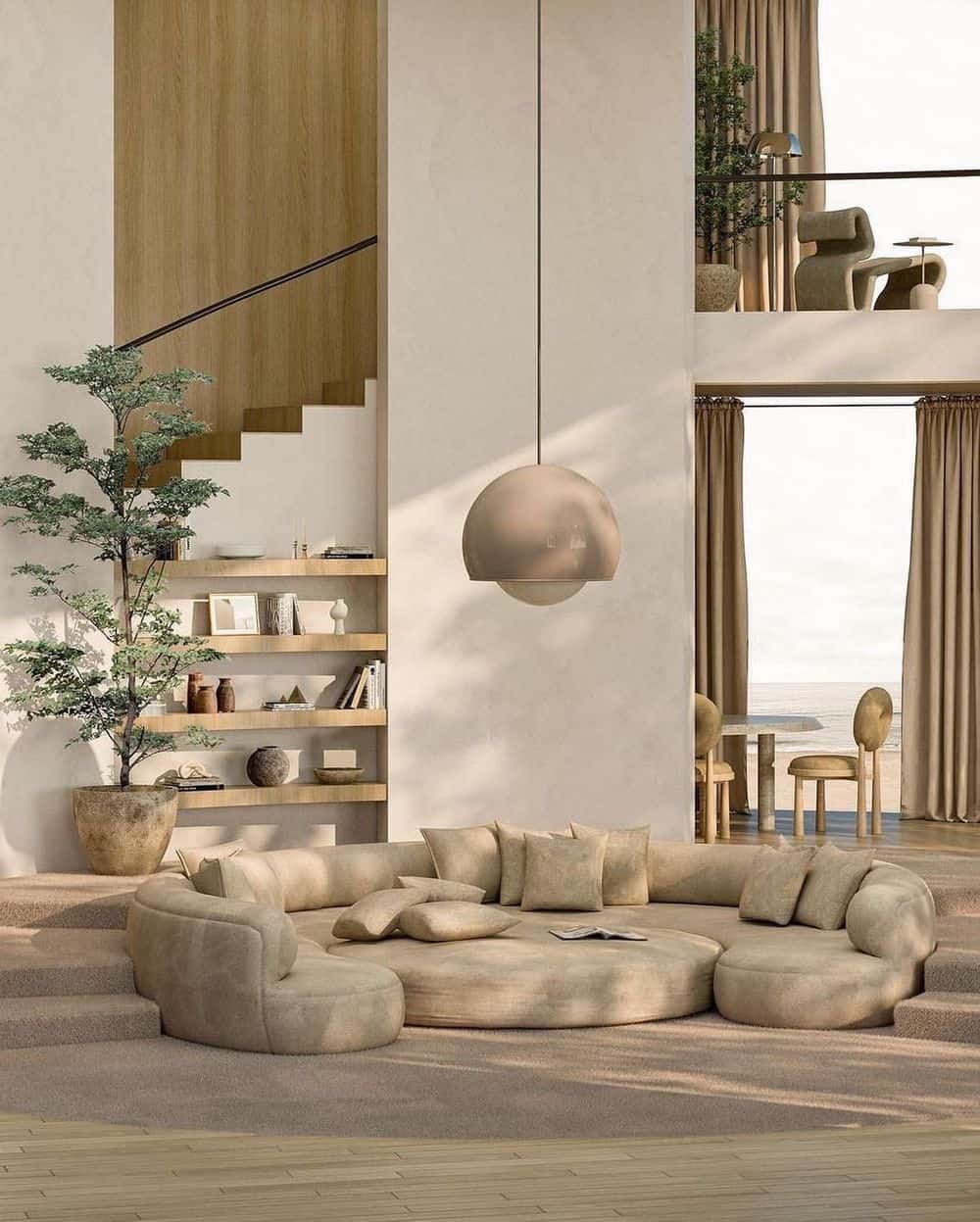
Natural Materials
Natural materials are one of your greatest assets when it comes to Japandi home decor. They often appear as dried plants, flowers, or other elements that bring a touch of the outdoors inside. These materials offer a lovely pop of color and texture without demanding a lot of maintenance.
Various woodsy dried plants can infuse a space with a sense of nature, even in the off-season. Think about using them as year-round decorative pieces in vases or planters.
Sustainability
The core of a sustainable lifestyle is, of course, sustainability. The word comes from the Latin term sustinere, which means to bear. Sustainability has three main pillars: environmental, economic, and social.
These cornerstones are deeply interconnected and support one another in numerous ways. A very common example in our homes is recycling. By cutting down on consumption, you not only save money but also contribute to keeping more materials out of our landfills.
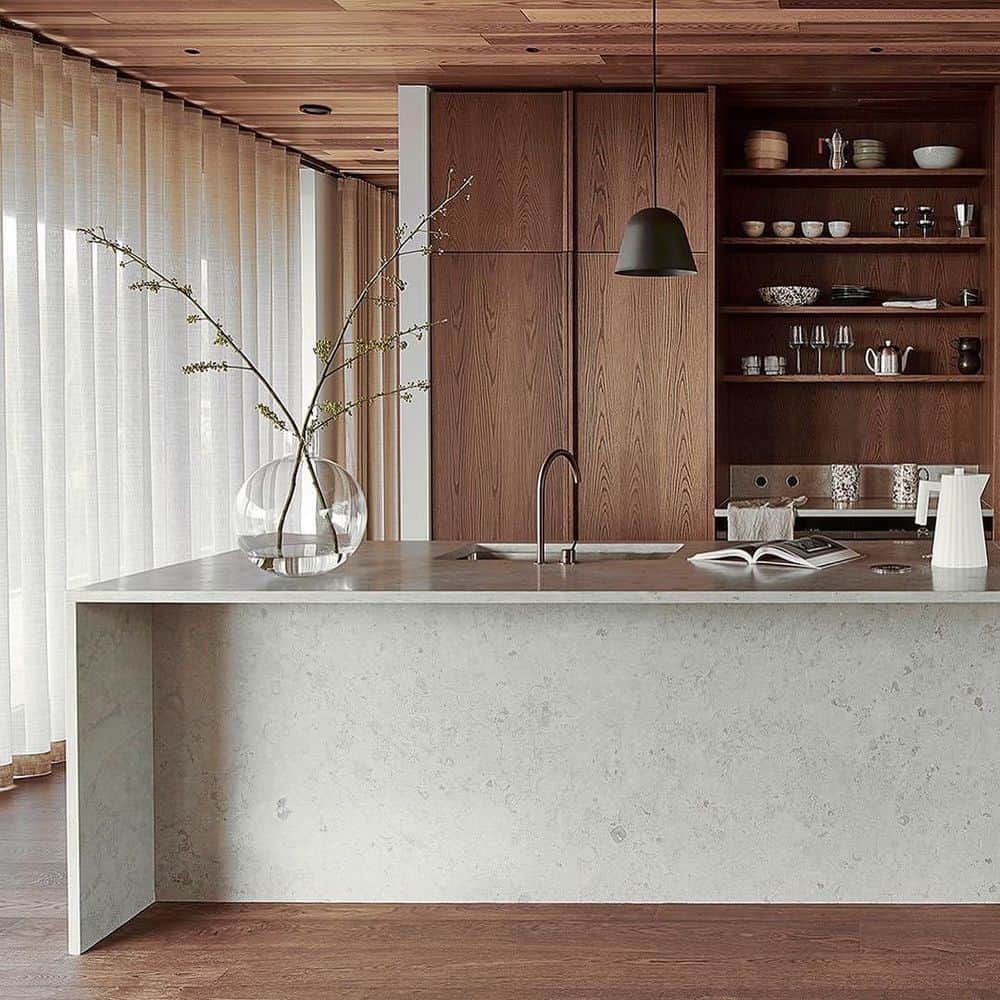
Minimalist Furniture
The Japandi decor philosophy is guided by three minimalist principles: harmony, focus, and tranquility. This doesn’t require you to live in an empty cave. It simply means that when you bring new furniture into your home, each piece should be functional and free from clutter. The style is less about the objects themselves and more about the power of negative space.
Decluttered Home
Everyone desires a home free of clutter, but not everyone knows how to make it happen. To embrace a minimalist lifestyle, you need to grasp the fundamentals. A room designed in the Japandi style is both visually striking and remarkably efficient.
It is an art form with origins in Scandinavia, where it was developed to make small rooms feel more spacious by using vertical storage like shelves and bookcases instead of horizontal options like wardrobes. The style also incorporates Japanese principles of decluttering, allowing you to focus on what truly matters.
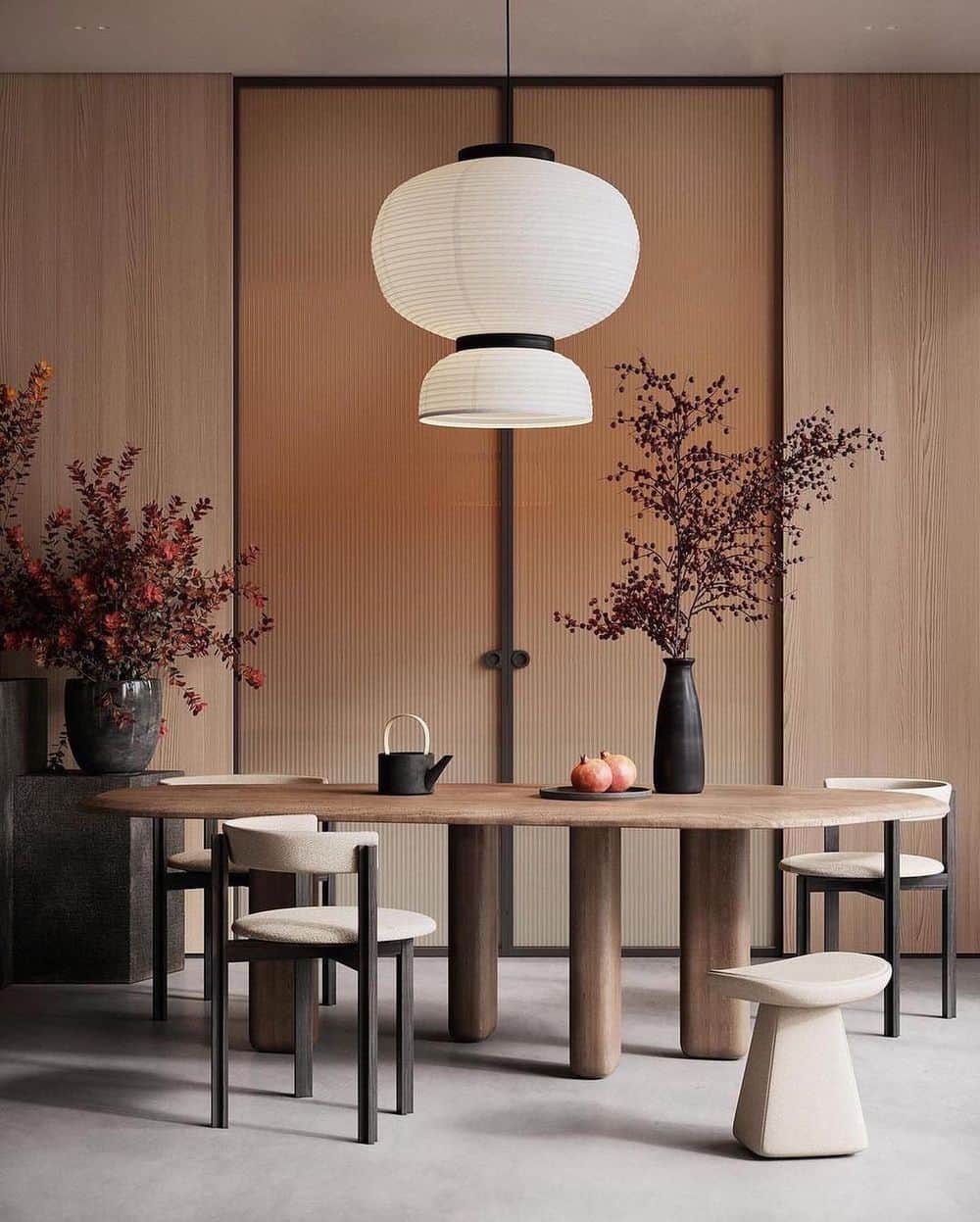
Open Layout
If you’re aiming for an open layout in your living and dining areas, get creative with the space around large furniture items like sofas or tables. You can also strategically place mirrors to bounce light off the walls and ceiling. This simple trick will make a smaller room feel much larger.
For instance, hanging a mirror above a sofa can capture and reflect natural light from a nearby window, creating the illusion of a brighter space. Mirrors are also fantastic for adding visual interest and a sense of depth to plain walls.
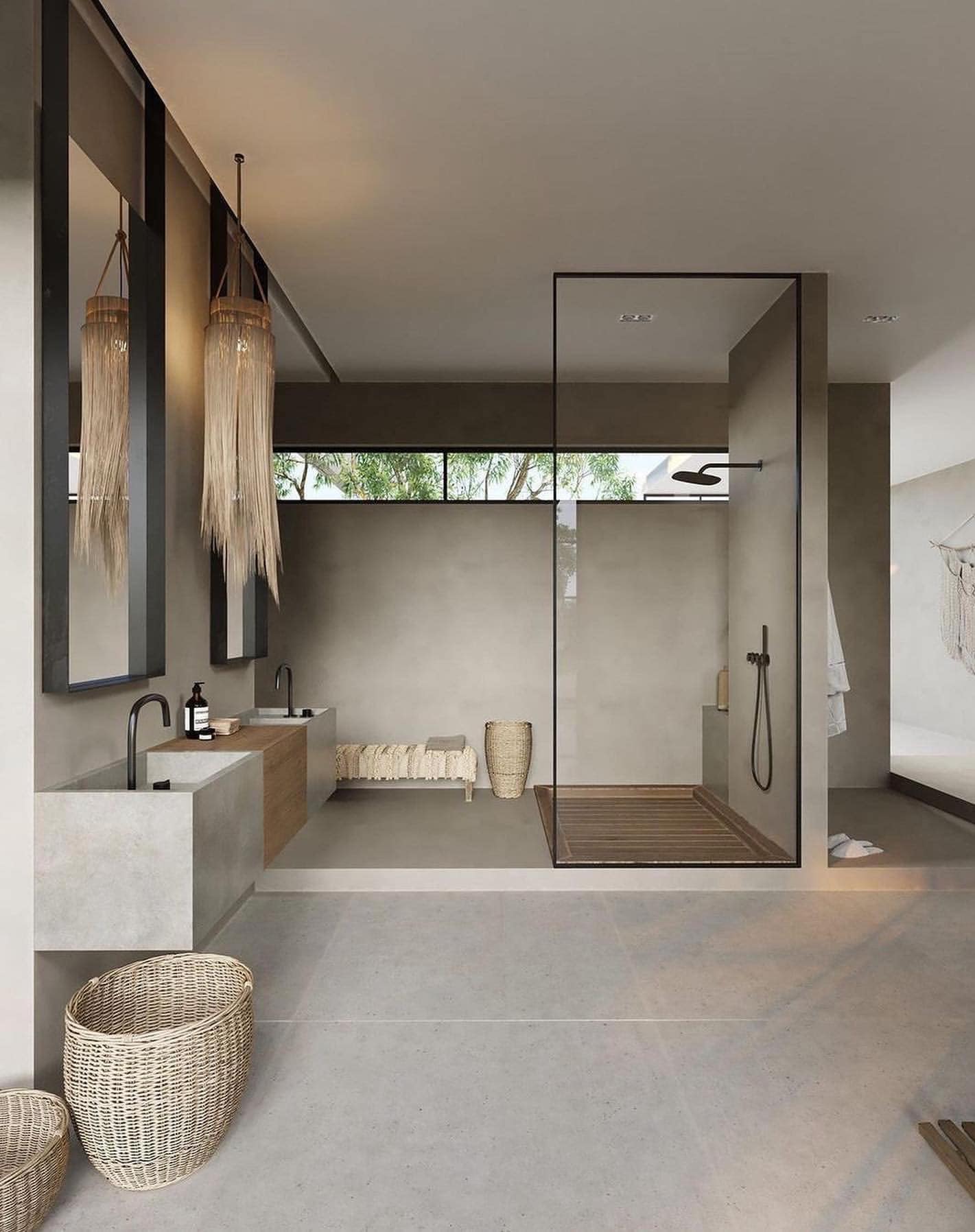
Where to Shop for Japandi Furniture
The best place to start your search for Japandi furniture is online. You’ll find several websites that offer high-quality Japanese-style furniture and home goods, from lamps to throw pillows, and many provide free shipping. A few of our top picks include Wayfair, CatchMyDesign, and Design Public. With a vast selection of items from numerous sellers all in one place, you can discover both affordable and high-quality Japandi decor without ever leaving your home.
Muji
The Japanese retailer Muji offers an extensive collection of Japandi furniture. You can find tables, chairs, and cabinet units in a wide array of shapes and sizes. No matter the dimensions of your room, Muji has plenty of pieces to choose from.
With a strong focus on simplicity, Muji furniture can effortlessly integrate into many different settings. The brand’s neutral color palettes and straightforward designs ensure they are easy to coordinate with the other items in your home.