15 Bedroom Plant Ideas to Create a Fresh and Peaceful Retreat
Bedroom greenery can affect your daily mood.
Bedroom plants are also claimed to support air cleaning and affect the atmosphere of the space.
Easy-care plants are available for bedrooms, and bedroom greenery can suit varied lifestyles.
A bedroom plant arrangement can be as simple as a single vine or as full as a jungle. A vine can climb around a mirror or fill a sunny corner.
Choose bedroom plant ideas that fit the way you use the room and your lifestyle.
Decorative Plant Touches
Plant accents support bedroom updates without requiring a major redesign. They can change the room through smaller additions.
A succulent sits on the nightstand, while a fern fills the windowsill. An air plant hangs in an orb.
Plant each plant with intention, choosing a placement that aligns with the room's style.
A sleek ceramic planter, rustic terracotta planter, or bohemian macrame hanger can work with existing decor. Select planters that fit what is already in the room.
A snake plant, ZZ plant, and mini cactus are easy-care varieties that adapt to bedroom conditions. Each requires minimal watering.
Accent plants allow seasonal rearrangement and plant replacement.
Bedroom plants may improve indoor air quality, encourage mindfulness, and support a soothing sleep environment.
Mix realistic faux plants with live plants to reduce the maintenance burden. Group the plants at varying heights to support visual interest.
In the bedroom, plant accents combine function and style.
Plants by the Bed
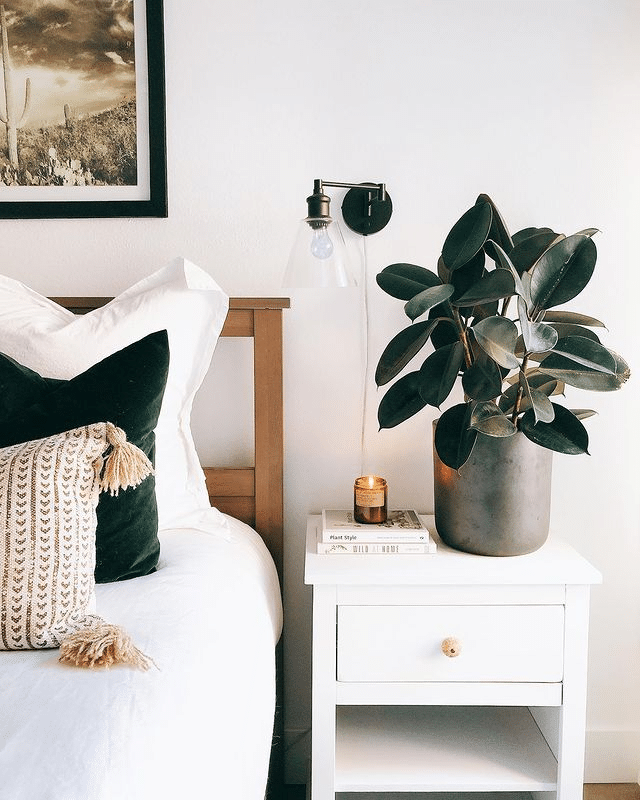
Organic bedside plants support relaxation and peace. Their placement keeps that connection to nature close to the bed.
Compact snake plants, peace lilies, and ZZ plants all work with moderate light. These three plants also contribute to indoor air quality.
Vary the heights and textures in the arrangement. Keep the plants balanced so the bedside area does not feel overpowered.
A layered setup can include a medium floor plant, a small tabletop plant, and a petite hanging plant. The different positions create the layers around the bed.
Coordinate the planters with the room decor. Options include a minimalist ceramic planter, a textured basket planter, and a sleek metal planter.
Low-maintenance plants require minimal effort and can reduce care effort. They suit a bedside arrangement when regular plant care needs to stay limited.
In one corner, a nightstand with plant stands or shelves maximizes the available space. It keeps books and lamps accessible while giving plants room around the nightstand.
Regularly dust the plants and give them a light pruning when needed. Place saucers or waterproof liners beneath the pots to protect the furniture.
A bedside plant arrangement supports healthy sleep cycles. It also provides a reminder of nature.
A simple setup can turn a bedroom corner green.
Green Privacy Screen for a Bedroom Window
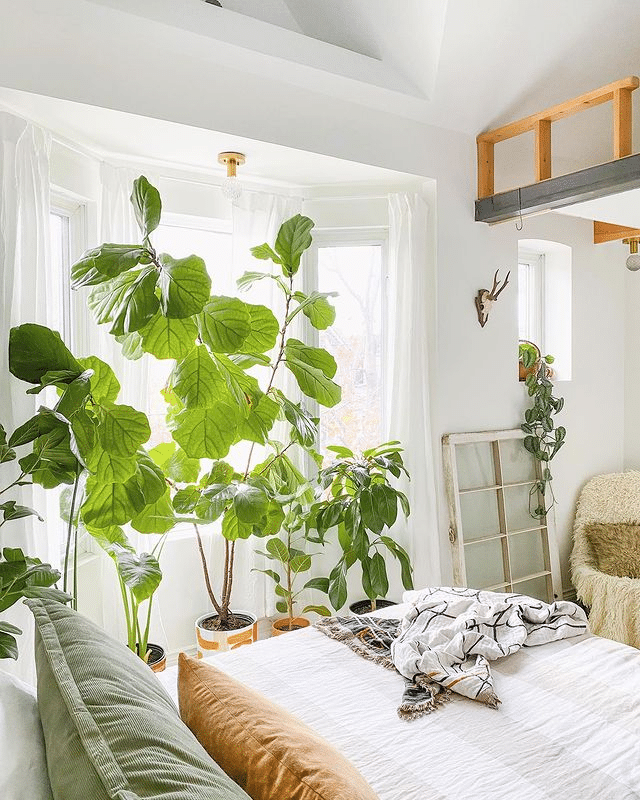
A green privacy wall at the bedroom window provides functional screening. It can cover the window area with plants.
A tall bushy bamboo palm, a tall bushy areca palm, and layered hanging plants can screen window views. The green privacy wall also softens harsh sunlight.
Monstera and dracaena both grow fast and suit generous light.
A tiered plant stand and a wall-mounted shelf can support a green privacy wall. Preserve airflow around the window plant arrangement.
Multiple-pot setups can use a self-watering planter.
The green privacy wall supports indoor air quality and increases room humidity. Natural light exposure regulates the plant arrangement, while the green privacy wall affects sleep cycles.
Window plants require occasional rotation. Rotation prevents legginess and promotes even growth.
Adjust the plant arrangement seasonally. The summer arrangement can have thicker coverage, while the winter arrangement has lighter coverage and greater light.
A privacy wall can combine different leaf shapes and leaf colors in green shades. Mixed foliage maintains privacy.
This green feature balances openness with enclosure near the bedroom window.
Greenery by the Bed
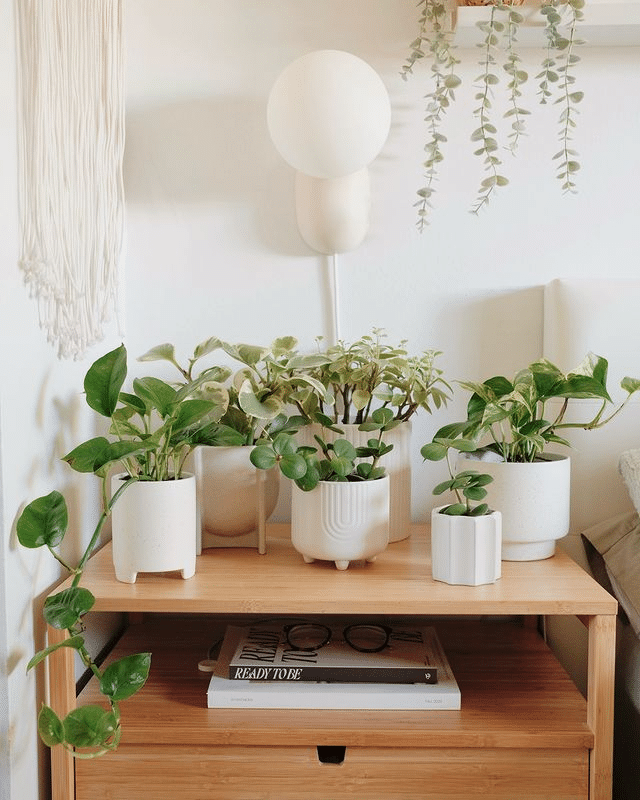
In the sleep space, the display can support tranquility without reducing functionality.
A small peace lily fits on the nightstand. A compact prayer plant also fits on the nightstand, while a compact mini philodendron fits on the adjacent shelf.
The small trailing vine joins the bushy leafy plant in a layered display, with plants arranged at varied heights and textures without clutter.
Across the bedside display, coordinate the pots while mixing ceramic and woven textures. A ceramic pot and a woven basket provide the two materials.
Place the display where books, lamps, charging stations, and other essentials remain accessible at the bedside.
Low-light plants may need indirect sunlight occasionally. Consider the lighting conditions and place the plants near a window when appropriate.
Under the pots, use a coaster or a protective mat. Both prevent moisture damage.
Clean the plants occasionally and water them occasionally. Choose minimal-maintenance plants for a simpler care routine.
At the bedside, the greenery display supports air circulation, psychological relaxation, and sleep quality.
Bedside plants can create a peaceful retreat when they are arranged thoughtfully.
DIY Plant Wall Shelves
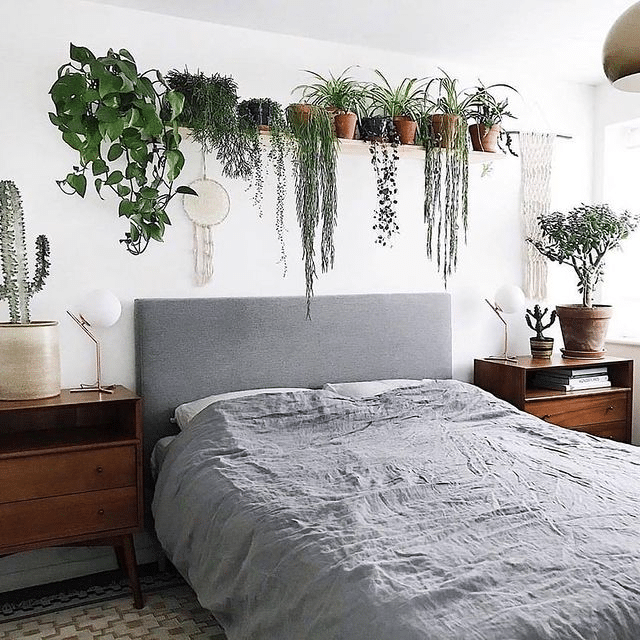
Wall space gives a wall-mounted plant shelf its purpose. It saves floor space while supporting greenery in the bedroom.
A wooden plank paired with a minimalist bracket forms the shelf system. You can customize the shelf's width and placement.
Pothos, peperomia, and string of hearts are small, hardy plants suited to plant shelves. String of hearts also has trailing growth.
Secure the shelves for multiple pots filled with moist soil. Install the shelves into wall studs.
Similar planter styles create visual continuity on the shelves. Choose cohesive planter colors as well.
Regularly rotate the plants on the shelf. Rotation prevents uneven growth and helps maintain full growth.
Plant shelves can go above the headboard or on an accent wall. Place them near natural light to support plant development.
A self-watering pot and moisture mat simplify plant upkeep and help prevent accidental spills. Wall-mounted shelves accommodate growing collections and allow seasonal plant swaps.
DIY plant shelves can support bedroom personalization. They also bring living decor into the space.
Small Tree Plants for a Bedroom
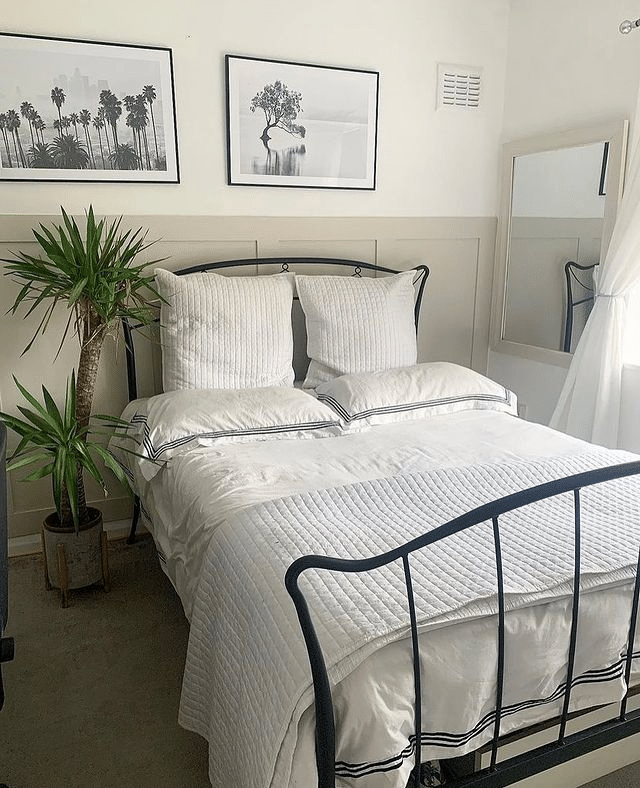
Compact tree-form plants provide height while fitting rooms with limited floor space.
The Rubber Plant, Dwarf Olive Tree, and Ficus benjamina, also called Weeping Fig, are candidates for a small tree form.
A bedside spot can suit petite tree-form plants. They also fit well in bedroom corners.
A stylish pot or woven basket can hold petite tree-form plants. Consistent pruning is required, and it controls plant growth.
Bright indirect light is important for petite tree-form plants. It supports dense foliage and helps maintain vibrant color.
A faux petite tree suits renters and low-maintenance users. It has a lower maintenance burden than a live petite tree.
Real petite trees and artificial petite trees both provide visual benefits.
Petite tree plants should match the room scale. Proper sizing prevents the plant from dominating the furniture.
Petite tree-form plants need a set watering schedule. Rotate them as well to help their growth stay even.
Botanical Headboard
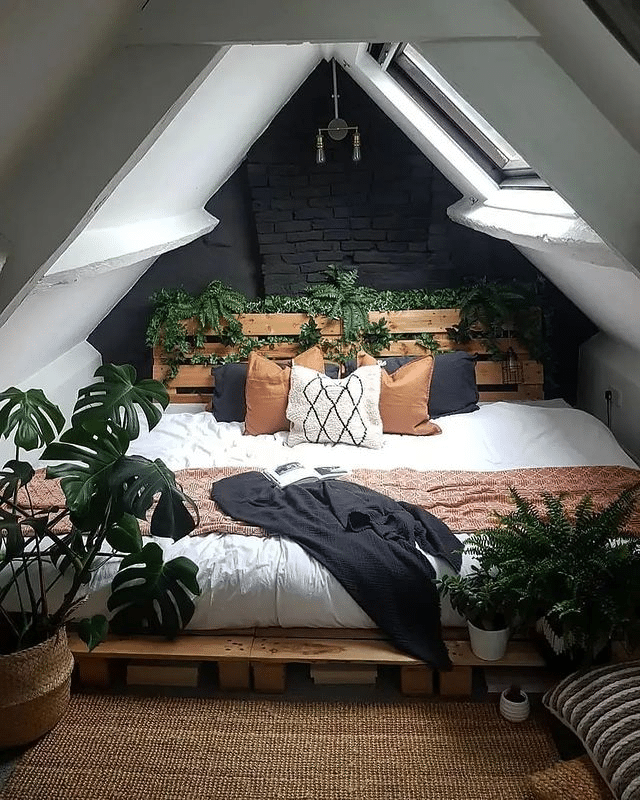
In the space behind the bed, a botanical headboard works as a design element.
Across the headboard area, real plants or faux greenery can add natural texture and color.
A mounted planter can be integrated with a lightweight frame. Eucalyptus garland and trailing pothos suit headboard displays.
For the headboard area, choose low-light or drought-tolerant species. Low-maintenance species require minimal intervention.
A wall-mounted planter, hanging macrame pocket, or vertical garden panel can structure the headboard display. The display requires a secure structure.
A soft LED strip positioned behind the headboard creates ambient light and highlights the contours of the greenery.
Near upholstered surfaces, moisture buildup is a concern. Provide ventilation in those areas to prevent it.
In the bedroom, a botanical headboard may improve indoor air quality and may support a healthier sleep environment.
Mist the living arrangement occasionally. Prune it regularly.
A faux installation has low maintenance needs and reduces plant upkeep.
A botanical headboard is used in the bedroom.
Feature Plant Focal Point
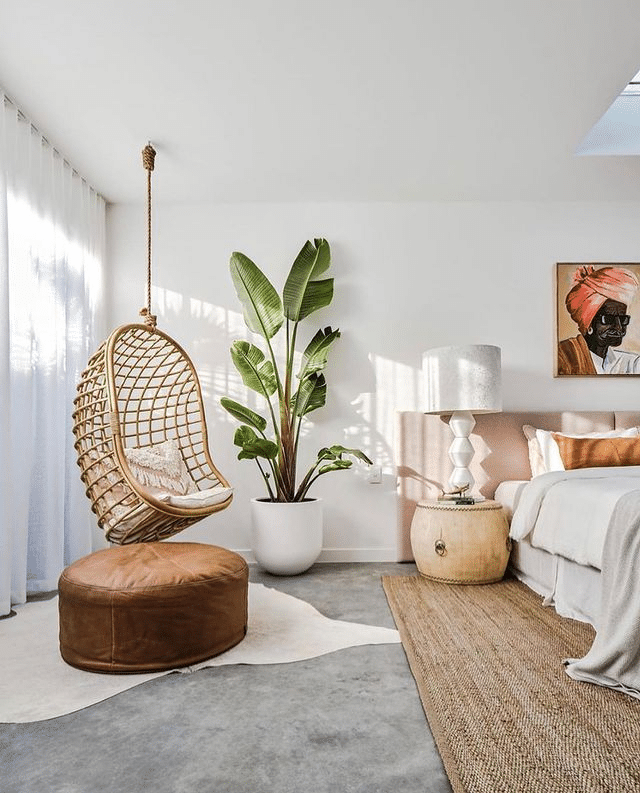
A feature plant serves as the focal point and anchors the bedroom design.
A bird of paradise brings dramatic height to the room. Fiddle-leaf figs and rubber trees offer bold shapes, while feature plants can also be chosen for vivid texture and dramatic height.
Place the feature plant near the window. Opposite the bed is another option, and either placement gives it immediate attention.
Choose a pot with an appropriate size and a style that complements the feature plant and room.
Near the window or bed, dust the leaves consistently and prune consistently. Water the plant on a careful schedule.
A stylish plant stand adds height to feature plants. The plants support a tranquil environment and improve air quality.
A ZZ plant and a kentia palm both tolerate lower light, and the kentia palm is also indirect-light tolerant. Rotate the plants for balanced growth and balanced leaf distribution.
A feature plant changes with the space around it. As a living centerpiece, it also supports a connection to nature.
Bedroom Vines and Mirrors
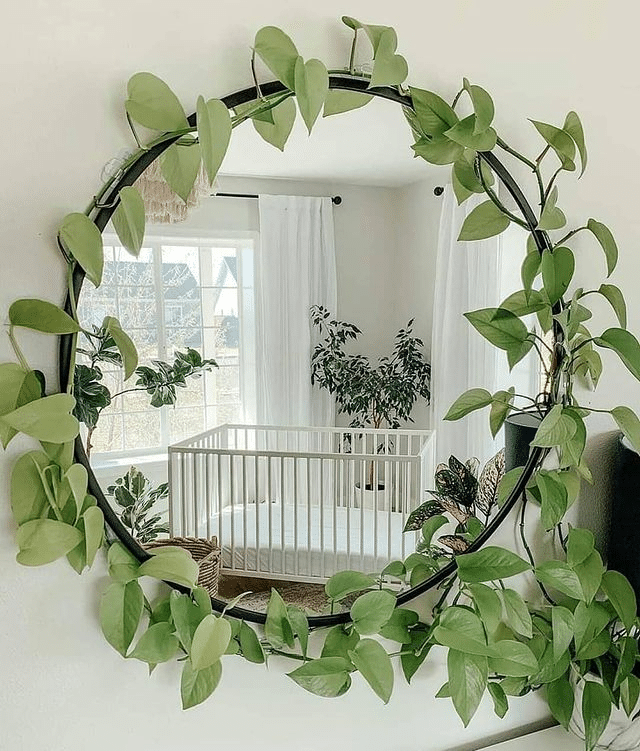
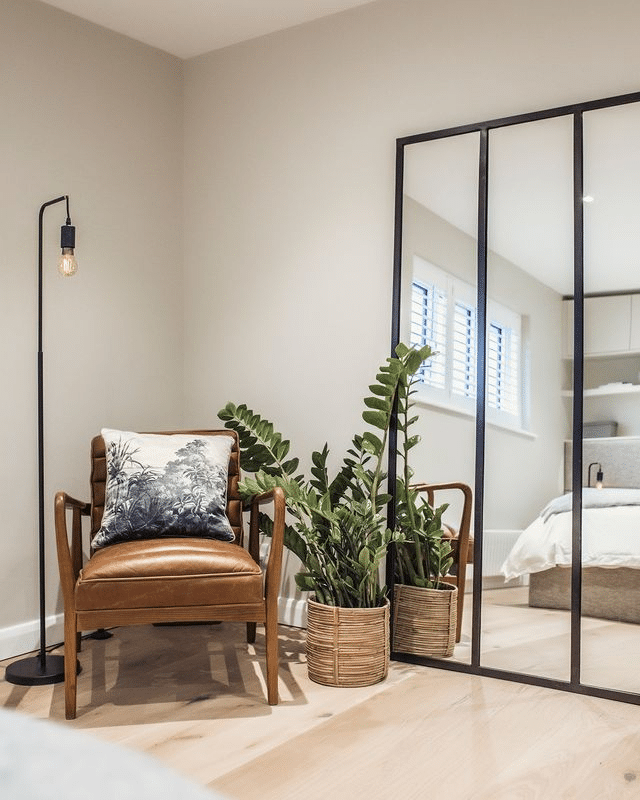
A mirror can make the space feel larger. Cascading vines can frame its edges, adding greenery around the reflection.
Ivy, philodendron, and pothos can all drape around the mirror. The three plants bring trailing greenery to the mirror area.
A mirror should catch natural light, which reflects around the room and supports vine growth. Choose vine varieties that tolerate indoor conditions and are fast-growing but lightweight.
Discreet adhesive hooks and a slim trellis can sit around the mirror. Both can support the cascading vines.
Vines need regular pruning to prevent overcrowding. Pair them with a mirror frame that combines antique gold with rustic wood.
A reflective surface works with the bedroom's surface blend and organic texture. Together, these elements add warmth and life to the bedroom.
Green tones suit varied decor, and vine plants can tolerate low light.
Bedroom vines are claimed to support air quality. A vine setup requires minimal effort.
Greenery Canopy Bed
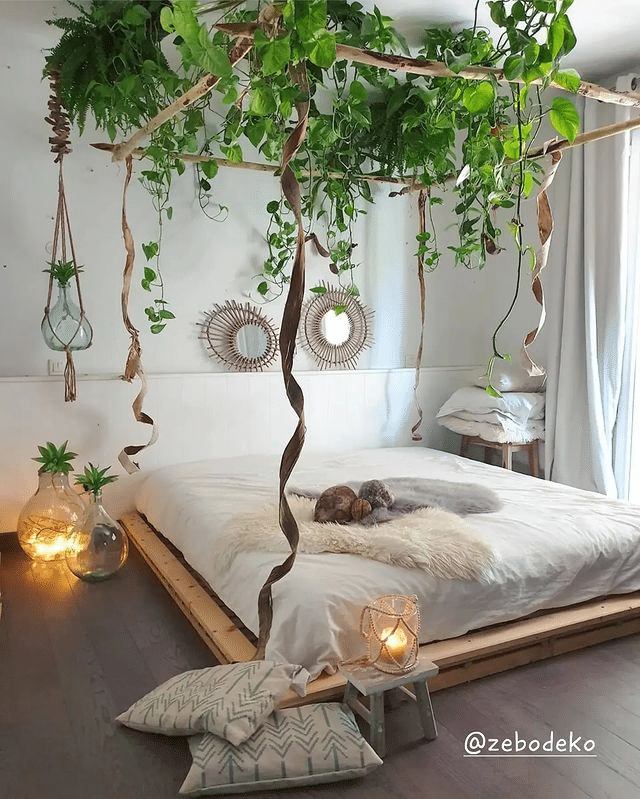
A canopy bed with greenery draping creates a nature-inspired theme.
A sturdy canopy frame sits at the center. Live pothos, ivy, and philodendron attach around the frame, and all three have trailing growth.
A realistic faux vine and faux floral garland require no upkeep. Faux greenery provides year-round use.
To protect the canopy structure from damage, secure lightweight plants with gentle clips or ties made of soft material.
Filtered sunlight can support living greenery. Position the canopy bed near a window and provide adequate light.
Across the canopy, lightly mist the living plants and prune them regularly. Pruning and misting support healthy growth.
Rest and unwinding are supported by greenery draped over the canopy.
Greenery can complement the bedding. Choose soft neutrals or earthy tones for the bedding.
Canopy greenery can extend from the head to the foot, or across all four sides. The extent depends on personal preference.
A greenery-adorned canopy creates a peaceful bedroom retreat.
Bedroom Focal Plant Anchors
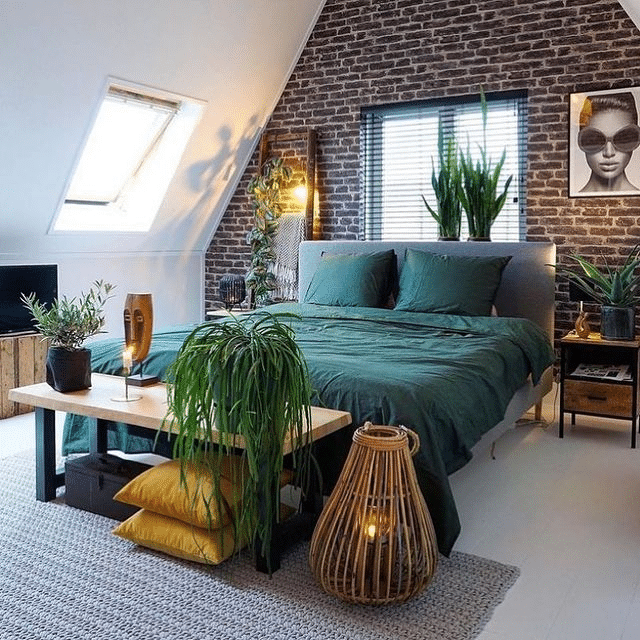
A focal plant anchor creates room cohesion. It can give the bedroom a clear green point of focus.
Put large statement plants by the dresser, with a Fiddle Leaf Fig, Bird of Paradise, and Monstera deliciosa in the group. The same plants belong near the reading nook and alongside the bed frame.
In the bedroom, the focal plant should match the room scale and avoid crowding the layout.
A focal plant anchor can sit in a matte ceramic planter, a textured clay planter, or a planter made with natural weave. Each planter holds the plant.
Room lighting should suit focal plants, as should the room's humidity. Check both conditions before placing the plants.
Broad leaves require regular dusting. Leaf dusting supports photosynthesis.
Green focal plants suit neutral bedrooms.
Multiple focal plants can use a plant stand with varied heights.
In a bedroom arrangement, one or two plants may be enough. They reduce the need for extra accessories.
Focal plant anchors support air purification.
Suspended Plant Display
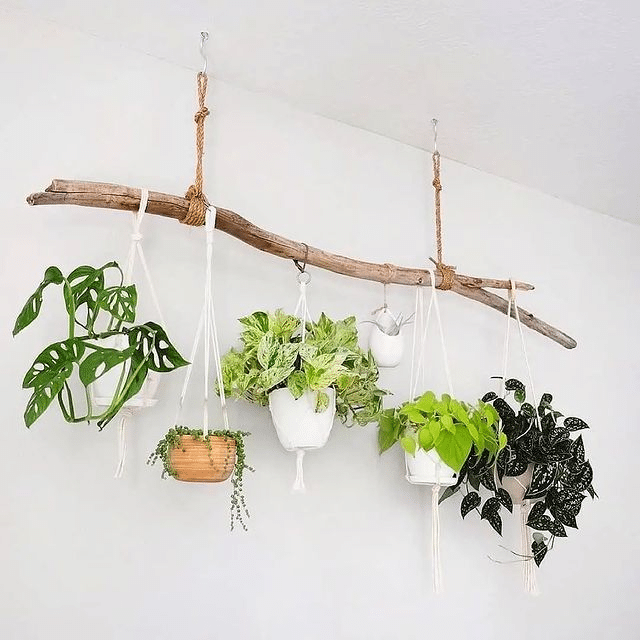
The arrangement uses vertical space, so it saves floor and surface space in the bedroom. Suspended plants also introduce dimension and an airy feel.
Greenery fills vertical areas at varied heights. A hanging planter, macrame holder, and ceiling basket each support the plants.
Heartleaf philodendron, string of pearls, and spider plants all have trailing growth that works well in elevated, cascading displays. Each is suitable for a suspended arrangement.
Use lightweight pots and avoid putting too much stress on the anchor. When multiple plants are grouped together, distribute their combined load.
Place some plants slightly above eye level and others at eye level. This keeps the plants visible and makes them easier to reach for care.
Water suspended greenery regularly and mist it occasionally. Regular watering and misting support plant health.
Suspended plants can diffuse the lighting, create room flow, and soften architectural lines.
An adjustable hanging system accommodates plant growth and allows seasonal refreshes.
Suspended plant arrangements suit small bedrooms and help maximize the available space. The plants stay off the main surfaces.
In the open airspace above the room, suspended greenery occupies an area that would otherwise remain unused. The arrangement uses height instead of another surface.
Suspended plants support a calm bedroom environment and suit a restful sleep setting.
Tall Tabletop Plants for Corners
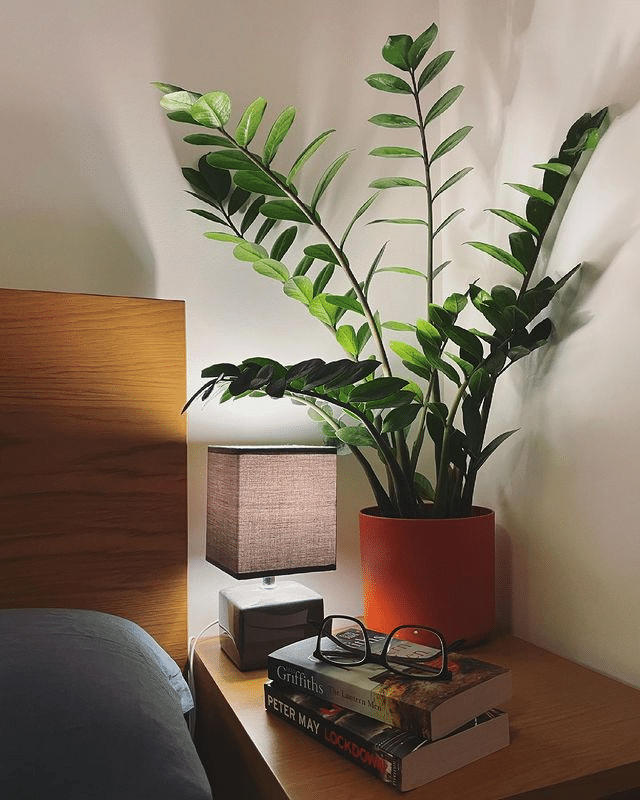
An underused bedroom corner can hold a tall tabletop plant without taking up floor space. The plant uses the corner's vertical area.
In an elevated pot, Dracaena compacta, Parlor Palm, and Snake Plant provide height. Each can fit on a dresser, nightstand, or console table, while the Dracaena compacta adds height as well.
Choose indirect-light species for the spot, along with upright plants selected for vertical growth.
In one corner, choose a planter that matches the room's color palette. A color-coordinated planter supports a cohesive arrangement.
Monitor light levels around the plant. Even shade-tolerant plants require natural illumination.
Turn the plant container once every few weeks to promote even growth. This also helps stop it from bending toward its light source.
A corner plant stand or minimalist side table supports plant placement in the corner. This corner furniture also provides functionality.
A balanced corner can begin with a plant on a tabletop. The tall tabletop plant can also serve as a focal point.
Realistic faux plants have low maintenance needs, which suits renters who want to avoid ongoing care.
In the corner, water the tall tabletop plant properly and clean its leaves occasionally. Keep its placement consistent.
Plant Filled Shelf Headboard
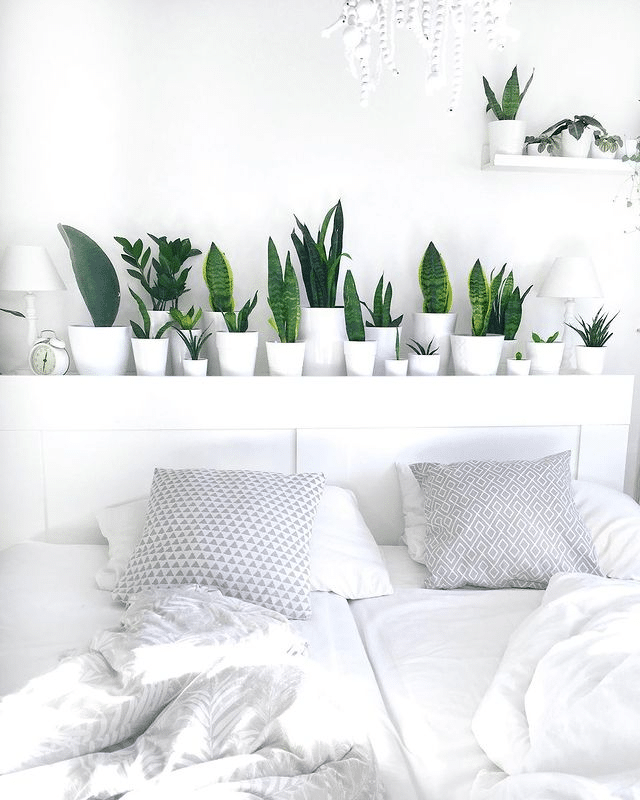
Shelves built into a headboard combine functionality with space for plants. The headboard accommodates the plants directly.
Above the bed, shelving can be integrated into the headboard. It stores books, decor, and lighting, with capacity for small to medium plants.
Pothos is a shelf plant for typical bedroom light. Other options include an indirect-light philodendron with trailing growth, a fern, and a compact succulent.
Shallow containers make watering simpler. Choose pots that are both lightweight and shallow to reduce the shelf's strain.
Mix upright plants with trailing vines, but keep the plant variety controlled so the arrangement does not become overcrowded.
Planters with drainage trays help secure the plants and avoid nighttime mess. Use the trays beneath the planters.
Choose neglect-tolerant, low-maintenance plants.
A soft LED strip light under the shelf illuminates the greenery during evenings. The light sits beneath the shelf.
Dust and water overflow need regular checks, along with the general health of each plant. These checks help keep the setup in good condition.
A shelf headboard combines storage with a connection to nature. It also supports personalization through the items and plants placed on it.
Lush Jungle Bedroom
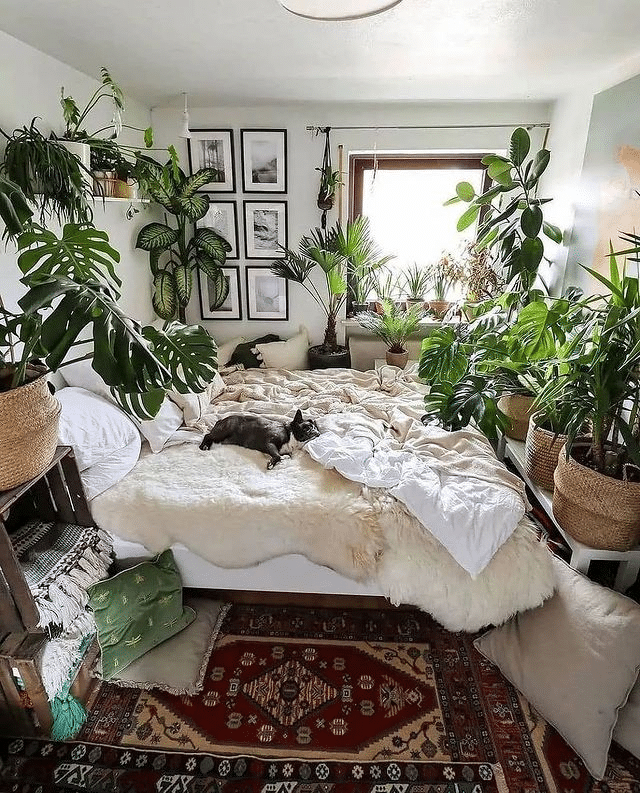
Plant layering creates tropical density, especially when plants are arranged at varied heights. The layering also adds texture.
Large monstera, banana plants, and bird of paradise plants form the foundation of this jungle bedroom. Smaller ferns and calatheas bring depth, while a small pothos adds another layer as it trails.
In one corner, rattan furniture, a jute rug, and linen textiles work with the greenery. The natural materials give the room an earthy atmosphere.
Plant clusters can give the room an overgrown look without creating chaos. Cluster plants instead of spacing every plant evenly.
Bright indirect light supports healthy growth. Match each plant to the room's light, since lighting is critical for long-term health.
Tropical plants need higher moisture than some other houseplants. Group plants by humidity preference, and mist the tropical plants occasionally.
A humidifier supports plant health and improves bedroom air quality. It can sit in the bedroom near the plants.
Ceiling hooks and tall shelves give trailing plants places to hang. From those spots, the vines can spill downward.
Natural greenery has a calming influence. A jungle bedroom can reduce stress, support relaxation, and promote better sleep.
Modest spaces can become a leafy retreat. In a jungle bedroom, thoughtful choices in plant selection and placement help create that effect.