15 White Oak Kitchen Cabinet Ideas for Airy, Neutral Spaces
White oak brings light grain and natural texture to kitchen cabinets. Its appeal is enduring.
White oak has subtle movement and a versatile tone. It suits both Scandinavian and transitional style.
Homeowners often choose natural materials for the home. Welcoming palettes are popular too. White oak can look current while still feeling timeless.
White oak is durable and ages gracefully.
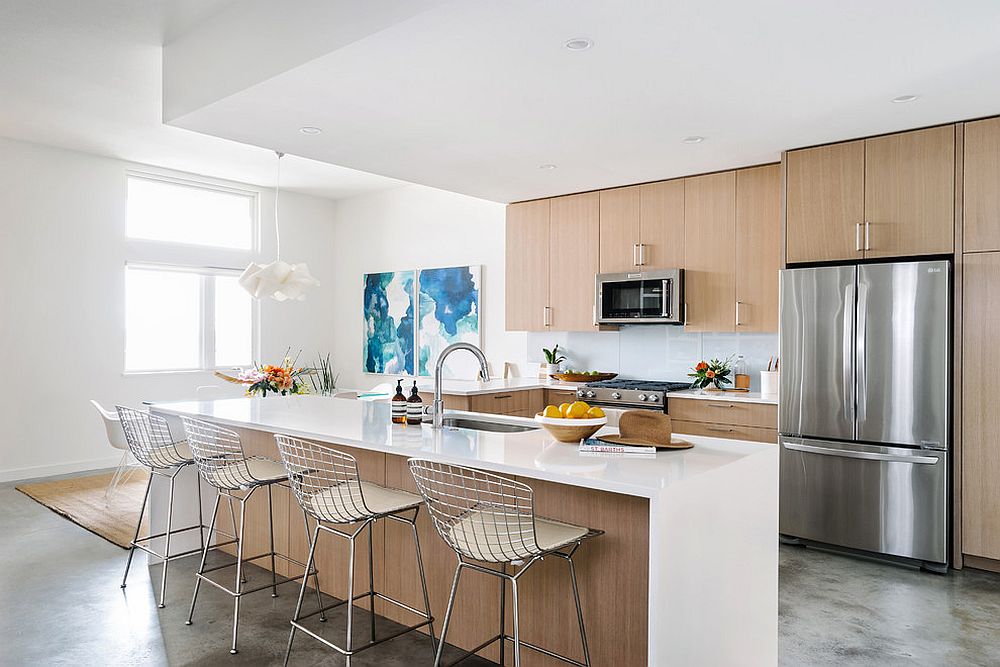
White oak cabinets fit kitchen projects ranging from remodeling to new construction. They are a design focus for modern interiors this year.
Vertical White Oak Grain

Grain direction affects the surface appearance. Vertical grain provides modern styling.
Compared with horizontal grain, upright lines emphasize cabinet height and elongate wall cabinetry.
White oak grain has an even, linear structure. That grain suits vertical applications.
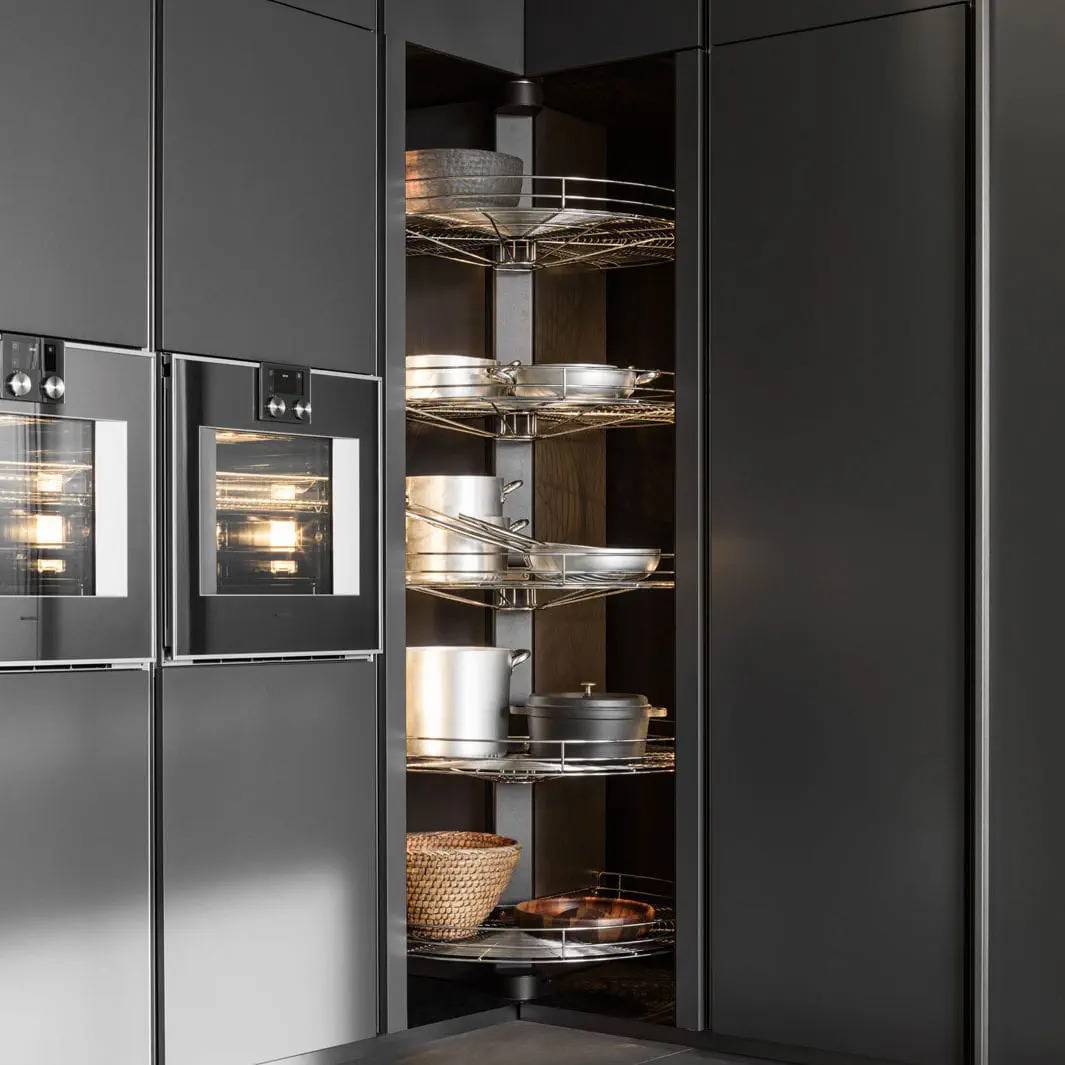
Vertical grain creates a monolithic appearance and suits full-height cabinetry and tall pantry walls. It also reduces seam visibility.
Rift-sawn and quarter-sawn white oak can be used for vertical grain cabinetry. The orientation improves panel matching and resists warping.
Luxury kitchens are associated with vertical grain cabinetry. The cabinetry supports a custom-built appearance.
Wood is emphasized by vertical grain cabinets paired with integrated handles and matte finishes.
Japandi interiors favor vertical grain. Minimalist and Scandinavian interiors favor it as well, with these styles prioritizing craftsmanship.
Vertical grain orientation enhances spatial perception. It also improves visual continuity.
Framed Glass Front Doors

Dishware display is one use for a framed cabinet door with a glass insert. The door also preserves storage while leaving selected contents visible.
Warm white oak cabinetry frames the cabinet interior. Its grain has a structured appearance.
Clear glass leaves contents visible, while ribbed glass has a textured surface. Frosted glass obscures the contents, and fluted glass and seeded glass make them slightly obscured.
In one cabinet, glass-front doors can hold glassware. Other cabinets can be used for stoneware, cookbooks, or frequently used dishes.
In dimmer spaces, a glass cabinet with interior lighting suits evening use. The lighting stays inside the cabinet.
Light-painted or tiled surfaces can line the cabinet interiors. Wood backing carries the oak material through the design. Glass-front cabinets can be placed in the upper corners, on both sides of the range hood, or in a hutch configuration.
Glass at the front creates a display surface. Set into the cabinet, the insert breaks apart solid cabinet blocks and provides storage display.
Mixed Material White Oak Cabinetry

White oak cabinetry serves as the base element in this combination. It coordinates with varied finishes.
Concrete countertops, ceramic tile backsplashes, and a stainless steel hood surround the white oak cabinet. The cabinet is paired with each material, creating layered contrast.
Subtle oak grain balances materials with strong cold temperatures and materials with cold temperatures. The grain adds a quieter surface detail.
White oak cabinetry forms the dominant base and pairs with an accent material on upper cabinets, islands, and open shelving. Use proportion to maintain cohesion in a mixed-material design.
Reeded glass and matte metal frames can be used selectively in the cabinetry. Both details are limited to selected cabinet doors.
Oak tempers the cool marble and cool brushed nickel. Black hardware and dark oxidized steel anchor the composition.
White oak acts as a unifying material. The other materials can vary in visual temperature and texture around it.
In eclectic homes and transitional homes, a mixed-material kitchen with a white oak base offers high flexibility. The materials can change without changing the base.
White Oak Cabinets with Slim Rail Shaker Styling

The white oak surface gives these cabinets a streamlined look. Their slim-rail shaker style keeps the main shape simple.
At the door, the border measures 1 to 1.5 inches wide. This five-piece slim-rail shaker design has a narrower frame than a traditional shaker door, which gives the cabinet a contemporary appearance.
White oak has a straight grain and a neutral tone. Those qualities suit both transitional spaces and modern spaces.
Natural wood texture supports the slim-rail cabinet's restrained proportions. Its visual weight stays balanced.
Brass handles and matte black hardware can both be paired with the white oak slim-rail cabinet. The hardware leaves room for subtle customization.
The slim-rail shaker style supports light diffusion in an open-concept layout. Made from white oak, the cabinet keeps the lines visually light.
A slim-rail cabinet can be used with slab drawers and flat-panel island cabinetry, as designers recommend. The combination keeps the surrounding cabinet design varied.
A white oak slim-rail shaker cabinet offers long-term investment value. Its enduring appeal remains compatible with trending themes.
White Oak Contrasting Island

A kitchen island contrasts with the white oak cabinetry. It provides variation and acts as a visual anchor.
The island may have a painted finish in matte black, graphite, navy, or emerald green. Its darker color contrasts with the white oak used on the perimeter cabinets.
White oak has an understated texture. That quiet surface lets the island remain the centerpiece.
Bold paint, stained walnut, and brushed metal are finish options for the kitchen island. The changes in tone and texture help the island support space division.
The island can designate work zones for food preparation and informal seating. Coordinate the island hardware, countertop materials, and lighting with the other kitchen elements.
Island coordination connects the finishes and fixtures. A contrasting island can help unify the kitchen.
A contrasting island provides functionality. Selective contrast supports design harmony.
White Oak Ceiling-Height Cabinets

Across the kitchen, full-height cabinets maximize storage. The ceiling-height cabinet construction uses the available vertical space.
Ceiling-height cabinetry increases perceived space and eliminates ceiling gaps. The white oak cabinetry extends vertically to the ceiling.
Impractical dead zones can collect dust. Full-height cabinetry removes these dust-prone areas.
Custom white oak panels reach the full ceiling height. Full-height panels create a built-in appearance.
White oak keeps its grain even and its tone neutral, which moderates the scale of tall cabinetry.
Upper cabinet sections can store seasonal items and infrequently accessed items. Pull-out shelves and integrated ladders are options for improving cabinet access and functionality.
A double-stack cabinet configuration separates the uppermost storage from the ceiling detail. Crown molding or transitional trim provides that separation, helping maintain proportional balance.
Long-term value is associated with the quality and customization signaled by ceiling-height cabinets. A nearby detail is their full-height reach.
White oak cabinetry that reaches full height works in galley kitchens and open-concept kitchens. The added cabinet height increases storage.
A clean environment is supported by full-height cabinetry. It starts at the floor and ends at the ceiling.
Floating White Oak Cabinets

Natural white oak grain remains visible on this cabinet. The floating cabinet is mounted to the wall rather than resting only on the ground.
Under the cabinetry, the floating cabinet creates negative space. That open area can be useful in small kitchens.
The floating cabinet supports foot-level cleaning and is compatible with underfloor heating. Its raised installation leaves the floor accessible.
An architectural style suits modern interiors and contemporary interiors. The floating cabinet keeps that architectural quality visible.
The textured wall contrasts with the warm white oak floating cabinet. Clean flooring and a statement tile add two more contrasting surfaces.
The floating cabinet is paired with recessed lighting below it, as designers recommend. The lighting sits beneath the cabinet.
A floating cabinet needs precise installation. Reinforce the wall studs and use bracket systems that support the full cabinet weight.
A floating vanity is one place this cabinet approach can apply. The same floating cabinet can also work with open shelving in adjacent spaces, using minimal hardware.
Reduced bulk is one feature of a floating cabinet. The white oak cabinet remains functional while having a furniture-like quality.
White Oak Recessed Handles

Integrated recessed handles provide cabinet access. They are used with white oak cabinetry.
A recessed handle can be carved or molded into a door or drawer face. Recessed handles eliminate external hardware.
White oak has a fine grain and stable structure. Those qualities suit a recessed-handle treatment.
Recessed handles sit flush with the surface and can take the form of a finger pull, horizontal scoop, or vertical groove. They expose the cabinet material.
Recessed handles provide tactile access without adding embellishment.
Recessed pulls avoid dust and grime accumulation, which makes cleaning easier.
Recessed pulls suit high-traffic areas such as cooktop drawers and sink drawers. Deeper edges or beveled edges make the grip more comfortable, while the pull style supports lasting performance and easy handling.
Japandi and transitional homes prioritize functional elegance, while Scandinavian kitchens prioritize simplicity. Recessed handles are compatible with Scandinavian, Japandi, and transitional styles.
Recessed handles offer a hardware alternative that supports both form and longevity.
White Oak Built-In Nooks

This built-in kitchen nook creates a utility area in white oak. Custom layouts can include carved spaces.
The integrated kitchen nook fits within the cabinetry footprint. It can hold a coffee station, an appliance garage, or a baking corner.
White oak has a soft undertone and consistent grain. That consistency supports an intentional appearance.
A wall set back into the room leaves the kitchen looking less crowded. Its recessed nooks reduce clutter and preserve clear sightlines, with open shelving, concealed pull-outs, and drop-down doors available for different storage needs.
Everyday essentials can be stored in the nooks. Built-in nooks also support personalization through favorite dishware and a coffee setup.
Strategic nook lighting supports usability. In some layouts, a seating alcove for a breakfast zone sits within the cabinetry system.
Built-in nooks create dedicated zones without separate units or bulky dividers. They support organization within the cabinetry.
Built-in nooks add convenience by placing useful areas where they are needed. They also provide embedded function within the kitchen.
White Oak Open Shelving

Open shelving provides display space on an open wall area. It leaves that part of the kitchen available for visible storage and objects.
White oak shelves can sit above countertops or between upper cabinets. They display dishware, decor, and plants.
Compared with full cabinetry, open shelving leaves the upper walls lighter. It also adds rhythm to the layout.
White oak shelving has a clean texture and pale warmth. A modern profile can be 1 inch thick, while rustic and Scandi styles can use chunkier boards.
Large kitchens can use open shelving to offer open storage while retaining utility. Small kitchens suit open shelving too.
Designers suggest considering limewash walls, textured tile, or shelf backlighting. These details sit around the open shelving.
White oak shelves can combine with contrasting uppers or matching base cabinets. Open-and-closed storage supports storage efficiency.
In one corner, white oak shelves can organize everyday items. They serve a practical purpose as well as holding storage.
Cabinet Underside Lighting

Under-cabinet lighting provides both task illumination and ambient illumination. It is used in white oak kitchens.
The fixture sits beneath upper cabinetry. It illuminates countertops, supports cooking visibility, and accents the wood grain.
A dimmable light can support both ambient lighting and task lighting. LED strips have a slim profile and are energy-efficient, while puck lights offer another type.
Neutral white oak reflects under-cabinet light. The wood reduces harsh shadows and excessive brightness.
A textured finish catches the light. Under-cabinet lighting highlights marble veining, a tile backsplash, and the textured finish.
An overhead fixture and a pendant light can both work with under-cabinet lighting. The under-cabinet lighting is compatible with each.
Under-cabinet lighting can be surface-mounted or recessed. The installation choice depends on cabinet construction, and the installation should manage cords and coordinate color temperature.
In white oak kitchens, modern under-cabinet lighting supports everyday usability. The lighting is used with the white oak kitchen setting.
White Oak Textured Finishes

A textured finish gives white oak cabinetry a tactile surface. Textured finishes accentuate the white oak.
Wire-brushed, sandblasted, and rift-sawn textured finishes support durability. They amplify the natural grain and can help hide wear.
Wire-brushing accentuates the linear grain. The popular process removes soft fibers, giving wire-brushed cabinets a slightly rustic character.
Sandblasting adds surface dimension and creates dramatic ridges for large cabinetry expanses. Pair wire-brushed white oak with matte sealant or a light stain to retain its organic oak tone.
In busy kitchens with high-touch areas, textured cabinetry can reduce fingerprints and smudges. Textured treatments suit these busy kitchen conditions.
Textured white oak creates a rough-smooth contrast. Pair it with polished stone countertops and glass fixtures.
Decorative add-ons do not have to carry the design. Textured finishes support long-term use and fit with natural materials and artisanal craftsmanship.
For subtle complexity, choose white oak cabinets with a textured surface instead of flat panels.
Matte White Oak Cabinet Finish

A matte finish contrasts with the texture of oak. The finish keeps the white oak surface subdued.
The velvety matte finish has high tactility and reduced glare. Matte finishes are used in contemporary kitchens.
A matte finish on white oak makes the natural grain less prominent. Subtle patterns still remain visible.
For maintained durability, matte coating options include UV-cured lacquer and low-sheen polyurethane.
Matte finish reduces reflections and handles changing light. It suits open-plan kitchens.
High-touch areas in busy households suit a matte finish. The finish minimizes fingerprints.
A matte surface supports minimalist design. It pairs with handleless fronts and sleek hardware.
Scandinavian interiors and transitional layouts both suit a matte finish.
A matte finish allows flexibility with the backsplash and countertop. It does not compete with bold materials.
Matte white oak cabinets combine visual restraint with durability. They offer low-maintenance use.
Integrated White Oak Appliance Panels

White oak appliance panels create a uniform surface. The panels integrate the appliances into the cabinetry.
White oak matching fronts preserve wood grain continuity. Integrated panels conceal dishwashers, refrigerators, and warming drawers.
Appliance integration suits white oak. The wood has consistent grain and high stability.
Custom full-overlay appliance panels hide metal edges and controls while aligning with adjacent cabinetry. The full-overlay doors keep the appliances visually connected to the surrounding cabinets.
Kitchen styles can range from contemporary to transitional. Integrated panels help reduce visual noise in either setting.
Integrated panels support open-plan continuity.
The layout becomes more prominent when appliances are concealed. Concealed appliances also emphasize the materials.
White oak has a subtle texture and warm undertone. It suits nonindustrial interiors as well as low-polish interiors.
Integrated appliance design may increase property value. It is associated with premium remodels.
Minimalist kitchens suit white oak appliance panels. The panels support open-plan continuity and combine form with function.
A kitchen's daily usability can be shaped by integrated appliance panels. They also influence its appeal over the long term.
Two-Tone White Oak Cabinetry

Two-tone cabinetry defines focal points in the kitchen. White oak works well within the combination and supports visual zoning.
The two-tone palette creates design depth. White oak can be paired with painted uppers and dark bases, reducing visual monotony while preserving cohesion.
Painted upper cabinets in white or cream pair with white oak lower cabinets. This combination is associated with coastal style.
Charcoal, navy, and forest green cabinets can be paired with white oak. The combination creates strong contrast while retaining the texture of the oak.
In small kitchens, separated cabinet sections can create a sense of vertical spaciousness. Two-tone cabinetry suits the limited footprint.
Two-tone cabinetry supports functional zoning and adds visual interest without clutter. It can distinguish pantry walls or kitchen islands.
Durable two-tone cabinetry is used in high-end renovations. It keeps white oak warmth and creates high visual impact.