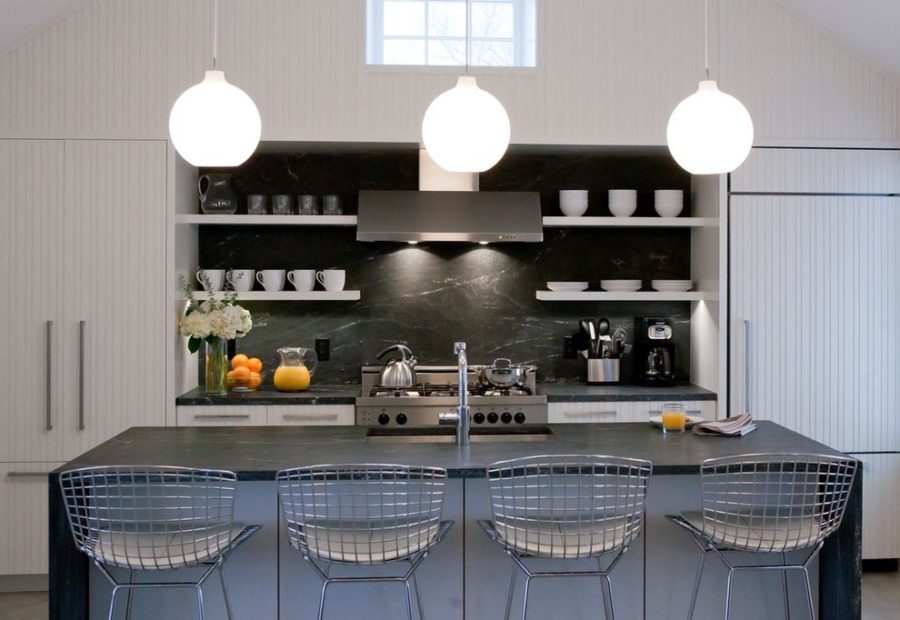
15 Beige Kitchen Cabinet Ideas for Modern Warmth
Neutral tones dominate modern kitchens because they provide lasting appeal without creating visual overload.
Beige kitchen cabinets bring warmth and versatility to the room, while also offering understated luxury.
The calming beige hue suits both farmhouse interiors and contemporary kitchens. It supports a clean, welcoming atmosphere.
These beige cabinet looks bring together remodeling ideas and current trends.
Backlit Beige Cabinetry
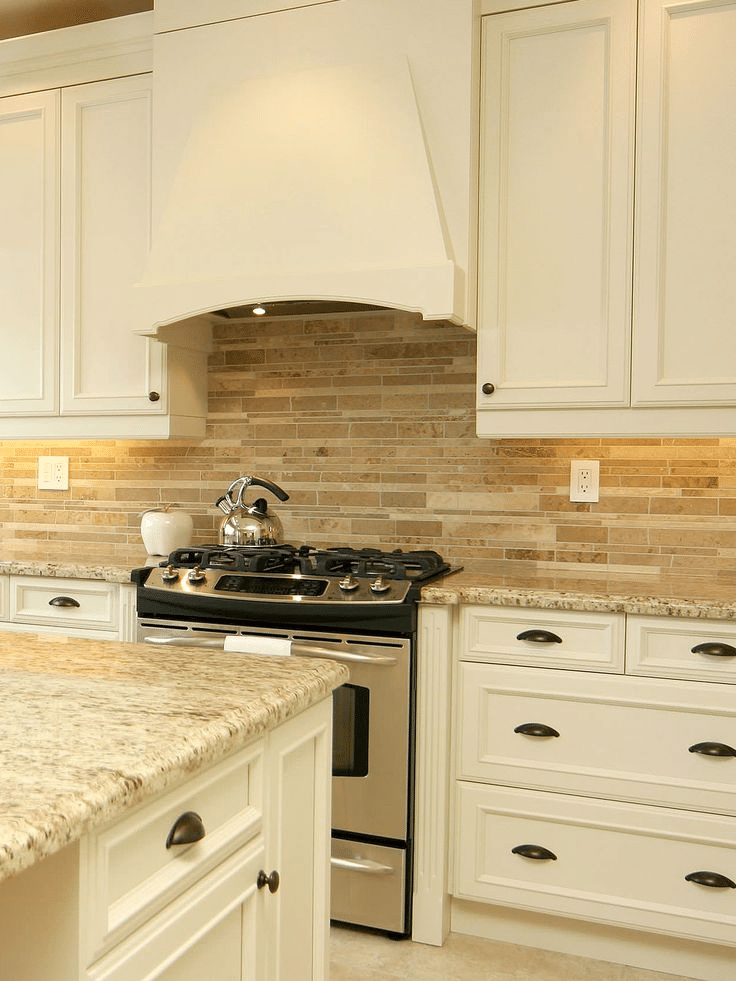
In custom cabinetry, a backlit backsplash combines lighting with the backsplash itself.
A translucent onyx or frosted-glass backsplash sits behind the beige cabinets. Backlighting emits a soft glow.
The backlit backsplash provides ambient lighting during evening use.
Behind the beige cabinetry, a backlit backsplash supports a clean, calming effect. The lighting and backsplash work together in the background.
Use energy-efficient, low-heat LED lighting and dimmer settings for mood control. Match the light-strip tone with the beige cabinetry. The backlit backsplash can function as a daytime accent and a nighttime focal point.
In spaces where under-cabinet fixtures would be disruptive, the backlit backsplash provides task lighting while preserving clean cabinetry lines. It also supports a soft organic palette.
Contrasting Island Beige Cabinets
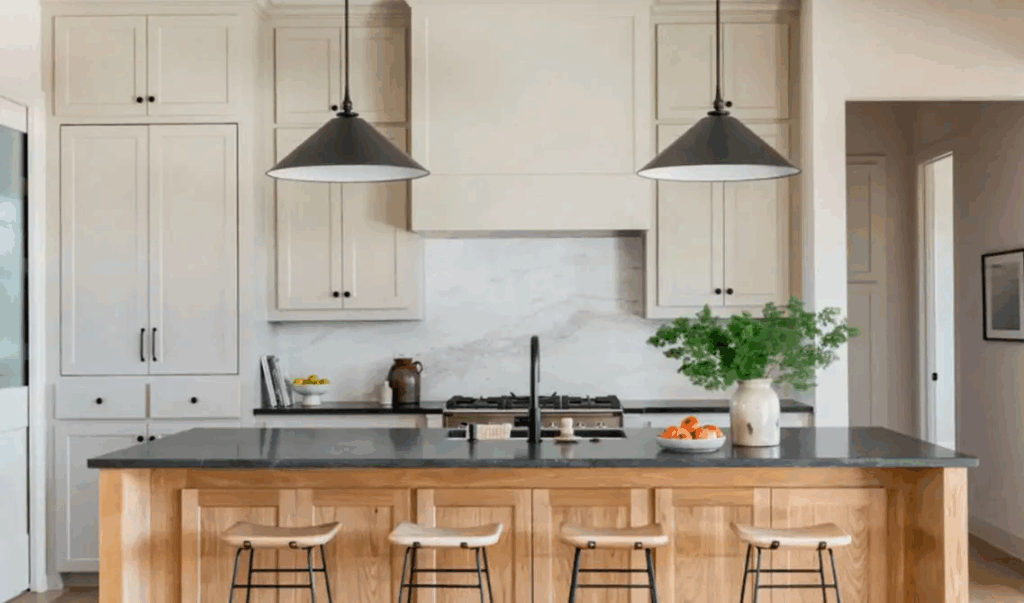
At the center of the kitchen, the island contrasts with the beige cabinets. The beige cabinets provide the foundation while the island stands apart.
A contrasting island defines separate zones in an open-concept kitchen. Deep blue, charcoal, and forest green are possible island colors.
Soft beige perimeter cabinets retain a timeless quality. Contrasting tones permit more color experimentation around them.
Beige cabinets along the perimeter leave the island as the centerpiece. The island defines the visual focus and can support both a breakfast bar and prep space.
Across the kitchen, a neutral countertop connects the cabinet and island tones. Consider neutral quartz or marble for this role.
Flooring, lighting, and the backsplash give the kitchen palette a connected look. Match the hardware on the cabinets and island.
Many homeowners choose this configuration for its mix of personality and longevity.
This configuration avoids making the entire kitchen bold. It is used in both remodels and new builds.
Beige Cabinets and Mixed Metals
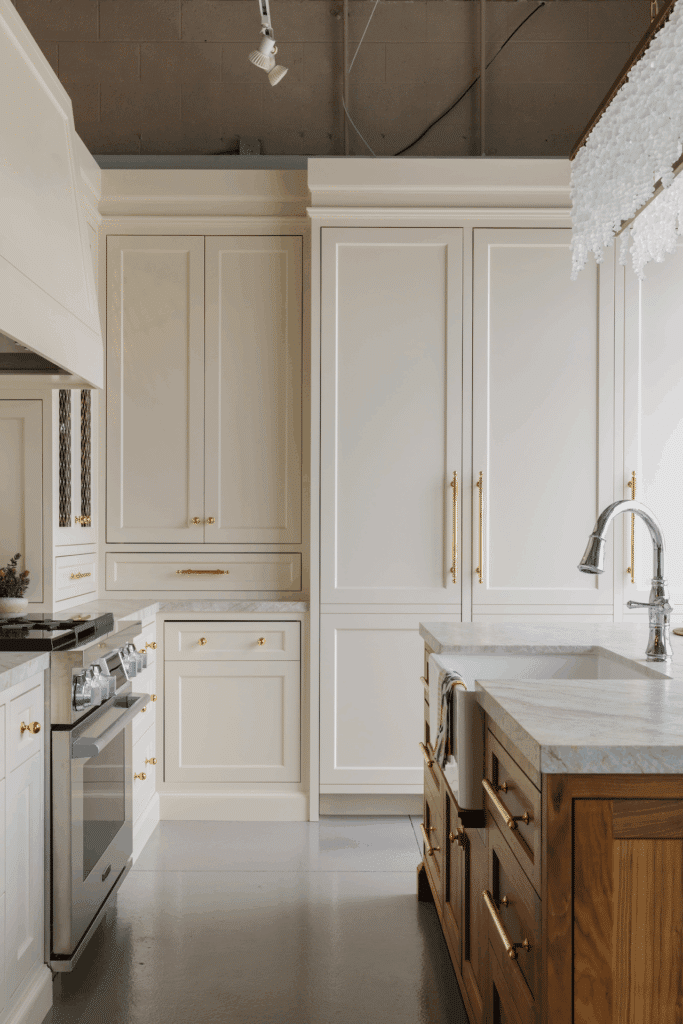
Mixed metal finishes were once considered risky, but they are now accepted.
Beige cabinetry acts as a neutral base that complements both warm and cool metal finishes. Mixed metal pairings can feel intentional.
Knobs can carry one metal tone, while pulls and hinges use a second tone.
Brushed brass, matte black, polished nickel, and antique bronze can all be distributed thoughtfully. Avoid overusing one metal tone in one area.
The metal on the hardware can match the lighting fixtures. Use that coordination for the faucet finishes and appliance trims too.
Subtle cabinetry draws attention to the metal contrast. That contrast adds dimension.
Repeat each of two distinct metals at least twice in the kitchen. This gives both metals a clear presence.
Beige cabinetry lets the hardware remain visible without competing with the rest of the room.
Fluted Glass Beige Cabinetry
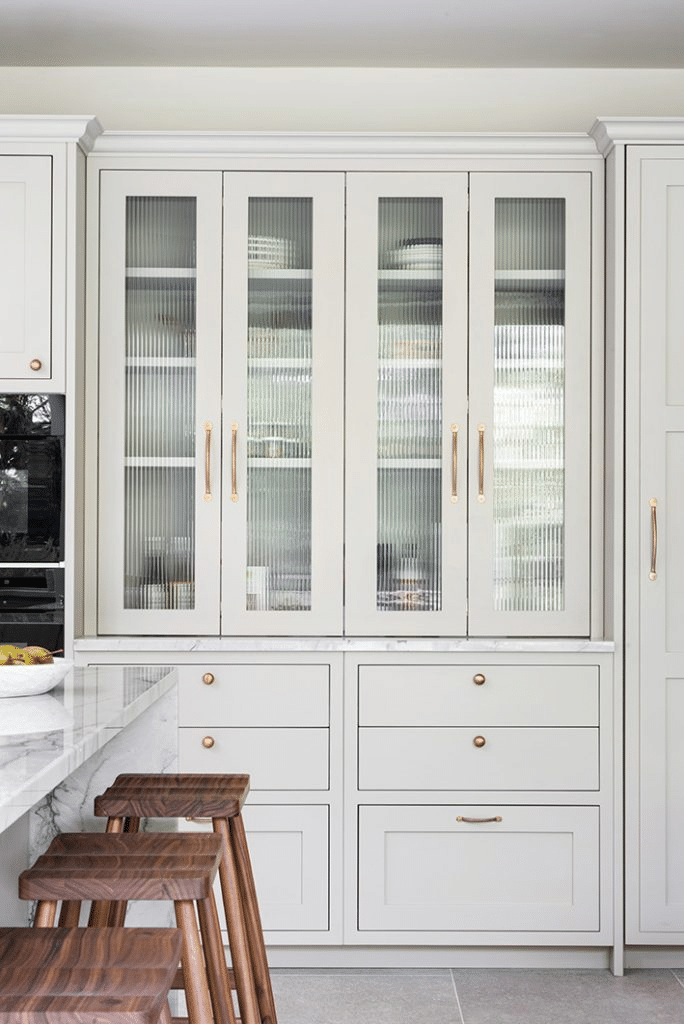
The textured cabinet fronts support everyday function. Fluted glass inserts add visual interest while keeping the cabinet fronts textured.
Beige frames surround the fluted glass inserts. The inserts are set within the beige cabinet frames, and the beige frames suit them well.
Fluted glass transmits light while obscuring stored items. That light transmission helps in dim and small kitchens, and the glass reduces visible clutter.
Fluted glass inserts work with Shaker doors or flat-panel doors. The combination supports a transitional style and suits both traditional and contemporary layouts. Warm beige tones pair well with the inserts.
Understated hardware works well here. Brushed nickel and muted bronze hardware both complement the fluted glass.
The fluted glass feature can be used in beige cabinetry. Place it in upper cabinetry, a pantry door, or a built-in hutch to support cabinet utility.
Fluted glass beige cabinetry appears in social feeds and magazines, but it also has a functional use.
Keep the countertops clean and use lighting beneath the cabinets. Soft illumination balances the fluted texture.
Hidden-handle beige cabinets
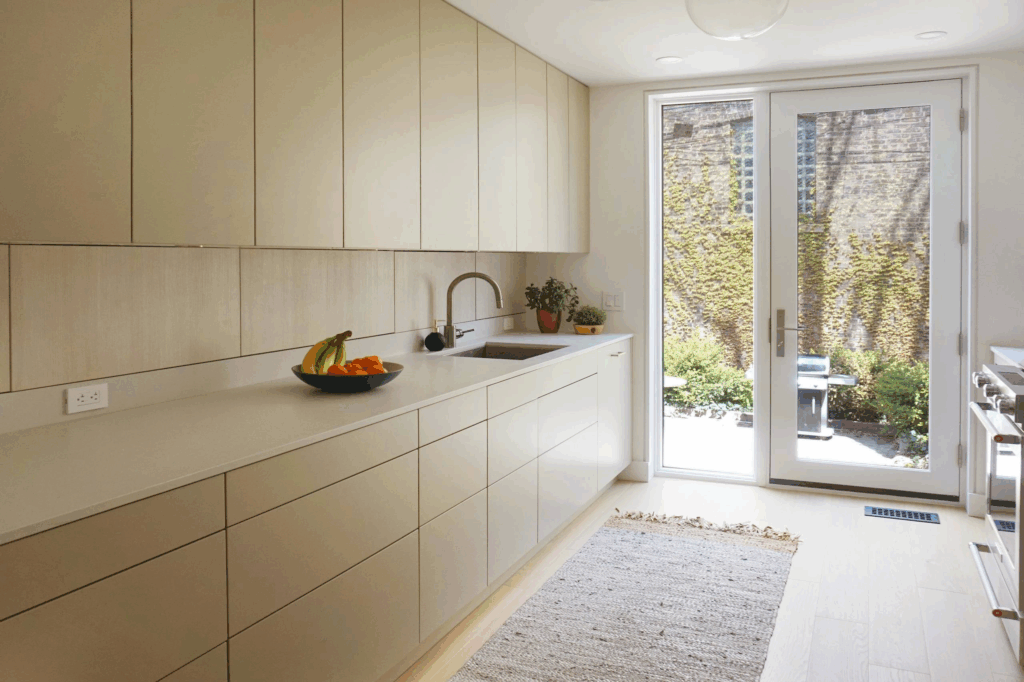
The streamlined cabinetry has a beige finish and hidden handles. The hidden handles preserve usability.
Handle-free beige cabinetry reduces visual clutter and puts more focus on the cabinet finish.
Traditional hardware is left out in favor of a push-to-open system or edge-pull hardware design.
Flat, uninterrupted fronts support the minimalist profile of the cabinetry. This visual simplicity may make small kitchens feel more open and organized.
Choose well-made hardware mechanisms to support both functionality and ergonomics.
The edge-pull grooves can match the beige cabinetry or use a darker beige shade for contrast. Their finish can remain integrated into the cabinet fronts.
Matte finishes and slab-style doors help create visual quiet in contemporary renovations. Handle-free cabinetry keeps the look practical while preserving its clean appearance.
With fewer cabinetry distractions, lighting, countertops, and flooring can receive more attention.
Integrated Appliances Beige Cabinets
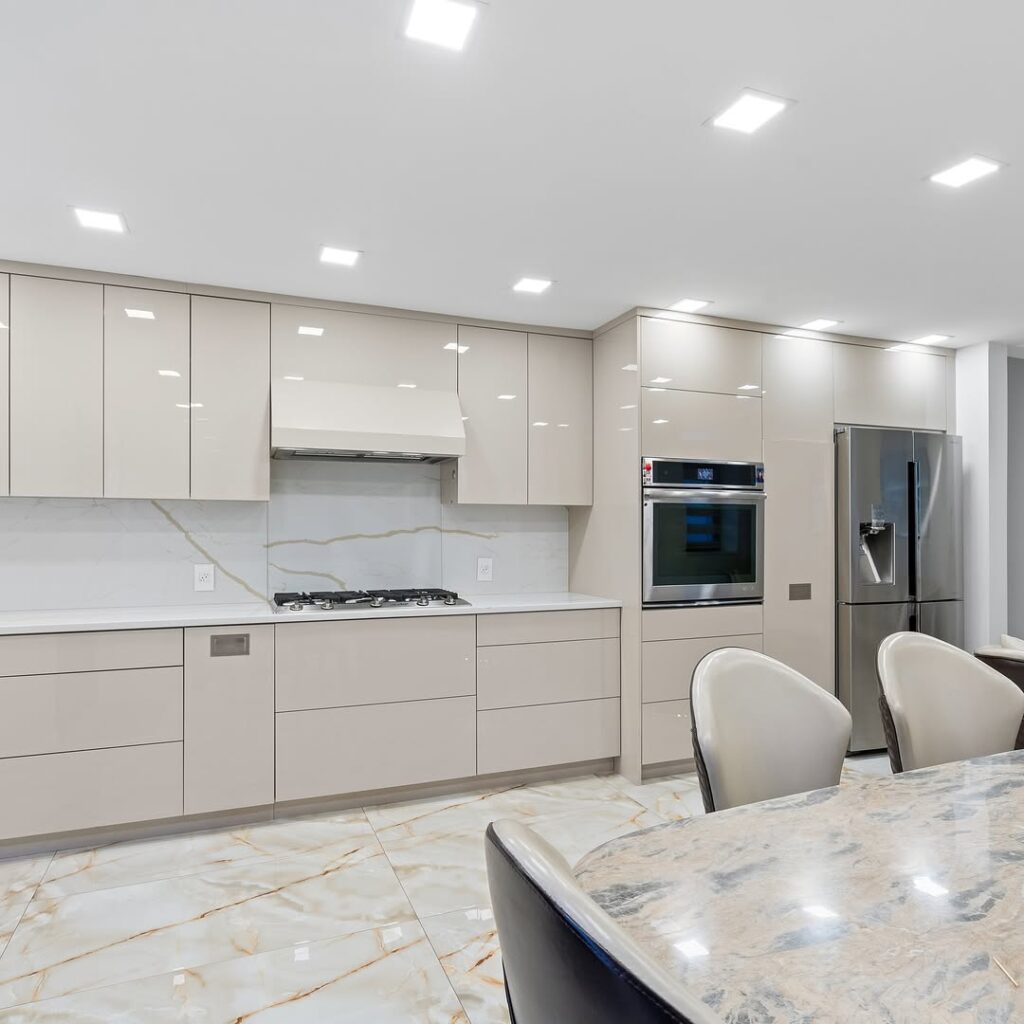
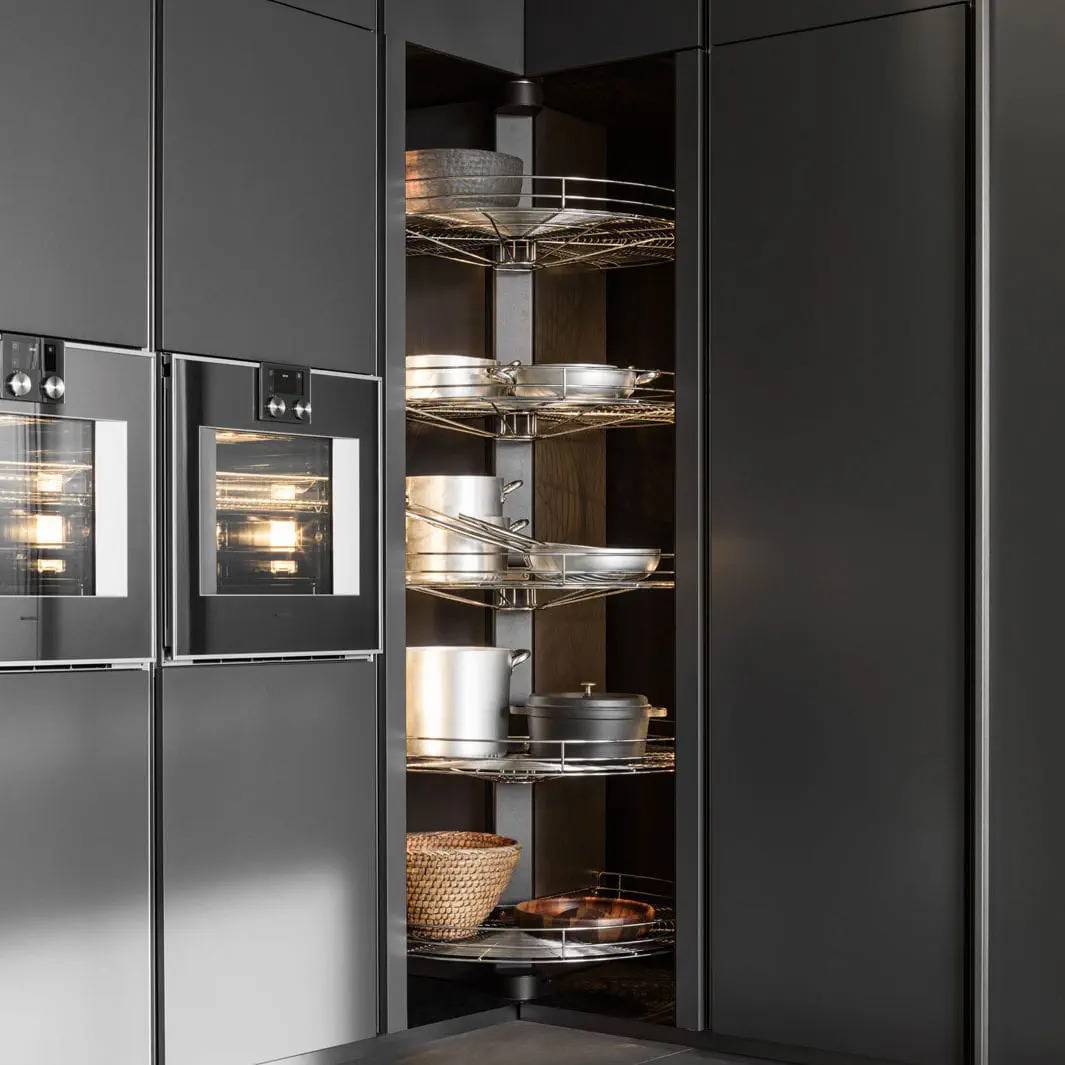
Integrated appliances support visual continuity. Beige cabinetry is nearby. They are a priority for contemporary kitchen design.
A matching beige panel-ready fridge, panel-ready dishwasher, and vent hood visually extend the cabinetry. Each appliance uses a matching beige finish.
In an open-plan home, the dining and living areas are visible from the kitchen. Integrated appliances help the kitchen maintain a consistent appearance in that view.
The beige tone acts as a neutral backdrop for lighting, countertops, and backsplash tile. Integrated appliances reduce visible utility, leaving those focal elements more noticeable.
Plan the appliance layout around easy access and the desired look. The appliances can also work with custom paneling.
Sleek hardware and a push-to-open mechanism replace traditional handles.
For a small kitchen, interior designers recommend an integrated appliance setup. It provides practical benefits and minimizes visual clutter.
As a backdrop, beige cabinetry balances softness and structure.
Brass Accent Matte Beige Cabinets
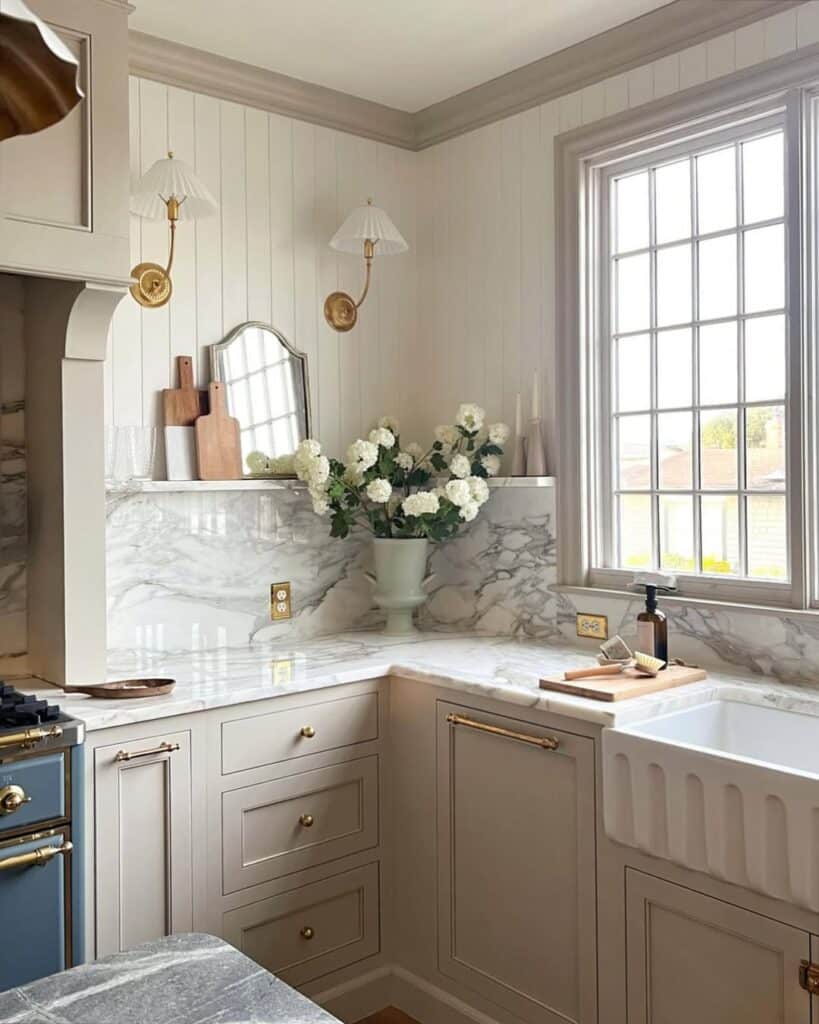
In one kitchen, the beige cabinet finish has a velvety matte surface that resists fingerprints. The matte finish also diffuses light.
Brushed or unlacquered brass hardware pairs with the matte beige cabinet finish.
The matte finish avoids a glossy and clinical appearance. Brass creates contrast and adds warmth, so matte beige and brass can suit both vintage-inspired and modern settings.
Choose the hardware shape according to your aesthetic goals. Options include linear pulls and rounded knobs.
Matte beige cabinets coordinate with both white walls and cream walls. They also work with light oak floors and natural stone countertops.
Layered textures support matte beige cabinets. Mixed finishes work well too, as long as the materials do not compete with one another.
Matte finishes support everyday practicality. They resist fingerprints and smudges and are more resistant than glossy finishes.
The matte beige and brass pairing appears in design magazines and is available from stock cabinet lines. It can also avoid the need for a full remodel.
Vertical Paneling Beige Cabinets
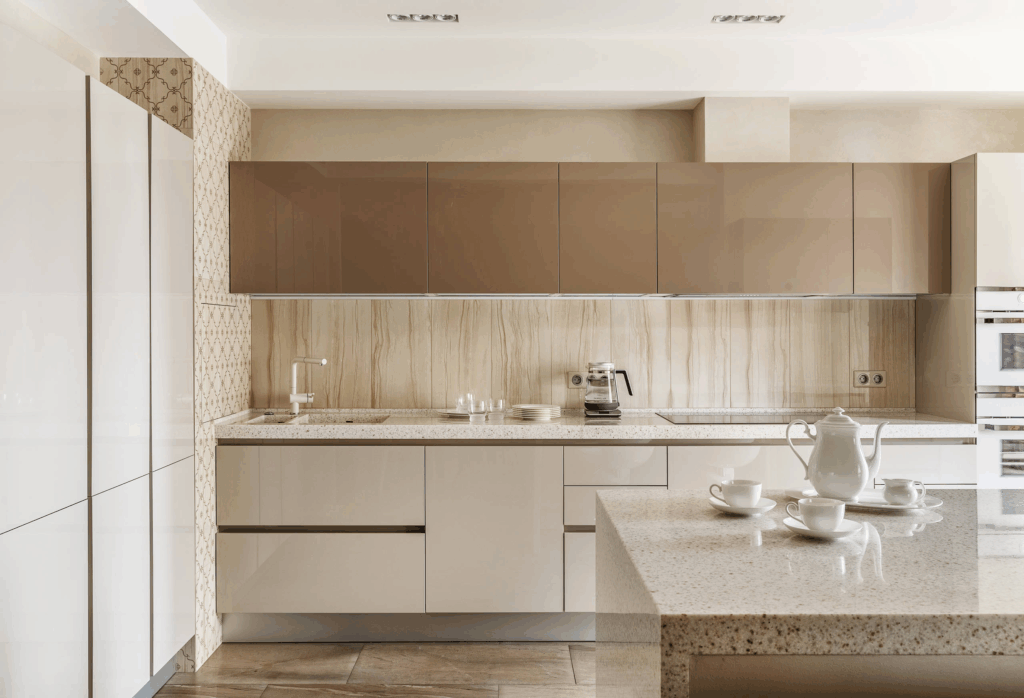
Beadboard is one option for beige cabinet paneling. Vertical paneling adds linear detail, and reeded wood or shiplap can provide other paneling treatments.
Vertical paneling gives the room a taller impression and works especially well in rooms with standard or low ceilings. Its lines guide attention toward the ceiling.
Vertical paneling suits coastal, cottage, classic farmhouse, and modern styles. In a modern interpretation, keep the treatment restrained.
Beige cabinetry with vertical paneling adds visual interest without requiring added color or dramatic hardware.
Panel grooves create shadow lines, and the shadow lines enhance depth. Paint the panels warm beige.
A matte finish is compatible with vertical paneling. Compared with a flat finish, the paneling adds layered dimension.
In one kitchen, clean, simple hardware can include bin pulls, latches, or slim bars. Matte black and aged brass are hardware finish options.
Vertical paneling gives the cabinet style a subtle detail and supports timeless appeal. It is also used in high-end home projects.
Fluted Beige Cabinetry
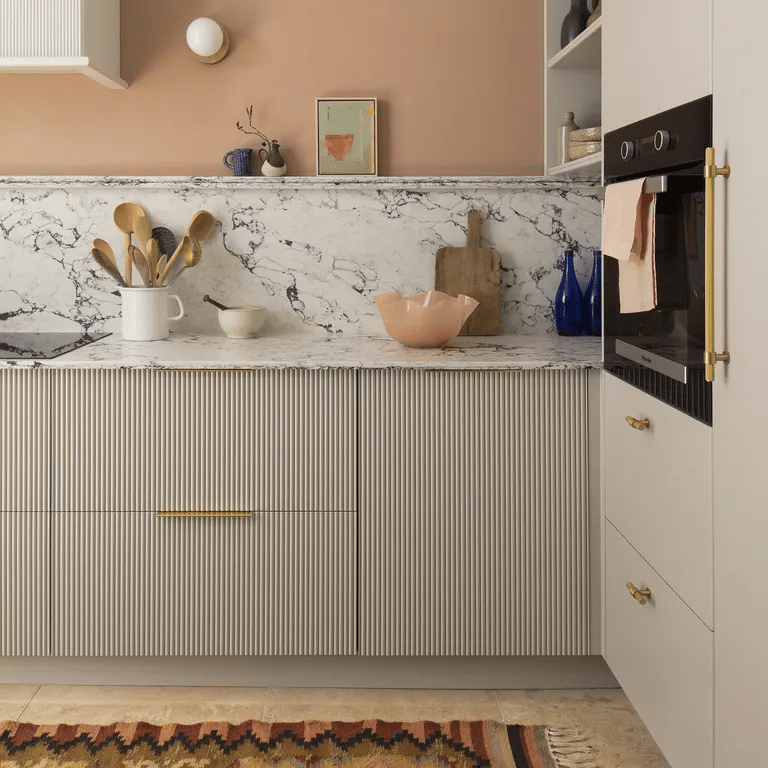
Dimension comes from vertical ridges across the cabinet fronts. The ridges create the fluted cabinet-front detailing.
In the beige cabinets, fluted detailing adds texture while retaining simplicity.
Narrow fluted grooves catch both daylight and artificial light. This changing reflection makes beige look warmer and more dynamic.
Fluted cabinetry fits European-inspired, Japandi, and mid-century modern kitchens. The detailing works across all three kitchen styles.
Fluting adds texture while feeling lighter than heavy paneling or ornate trim. Its vertical pattern may also make kitchens feel taller.
On a central pantry, island base, or floating shelves, fluting can provide a focused detail. Apply it to any of these locations.
Fluted detailing belongs with smooth countertops. Plain backsplash tiles provide another nearby detail, and less fluting helps avoid visual overload.
Matte finishes provide a non-reflective backdrop for fluted cabinetry. Use the two together.
In a kitchen that needs depth without added color, use fluted detailing instead of bold features.
Integrated Light Beige Cabinetry
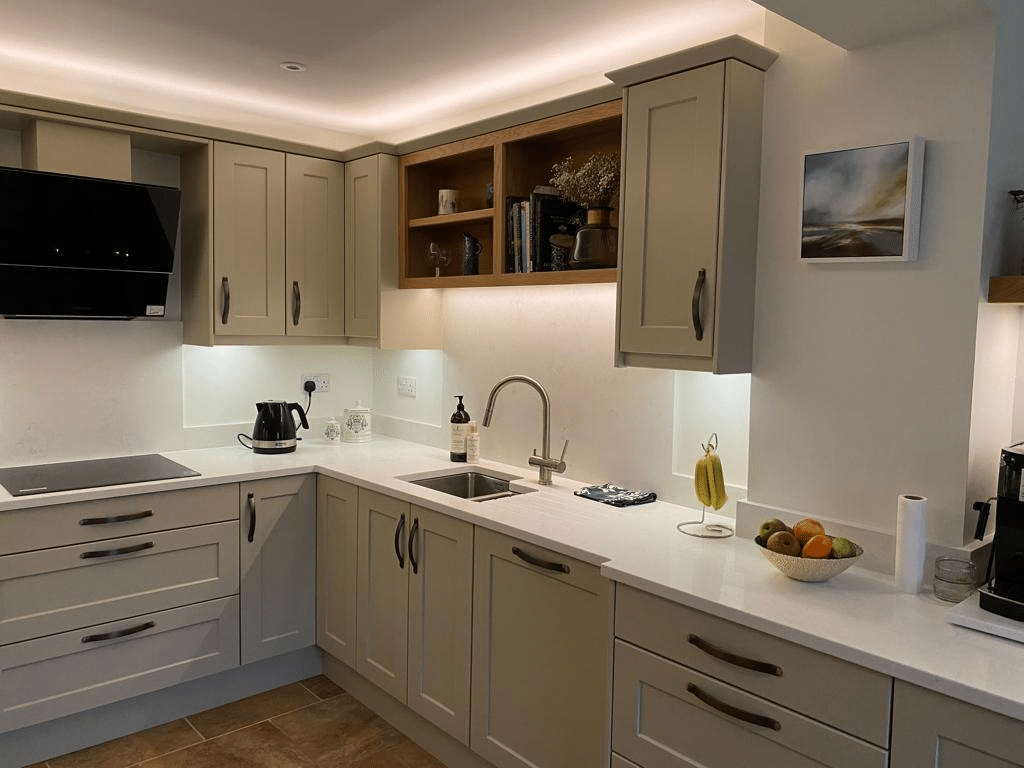
Integrated cabinet lighting improves visibility and highlights the cabinetry. It also supports real-world function.
Integrated lighting can include LED strips beneath the cabinets. Puck lights fit inside glass-front doors, while toe-kick lighting sits at the cabinet base.
Well-placed lighting adds surface dimension and reduces shadows. Use warm bulbs because warm light complements beige tones.
Inside the upper cabinets, integrated lights can display decorative items and dinnerware. Glass-front cabinet lighting also supports a feature display.
Integrated lighting improves meal preparation and cleanup visibility. Overhead fixtures may still leave key areas dark.
Dimmers make light adjustment possible in open-plan homes. Use dimmer switches to support brightness adjustment.
Cabinet lighting illuminates both cabinet undersides and cabinet interiors. It also supports a personalized design.
Integrated lighting supports practical and aesthetic use, although homeowners often overlook it.
Beige Wood Two-Tone Cabinets

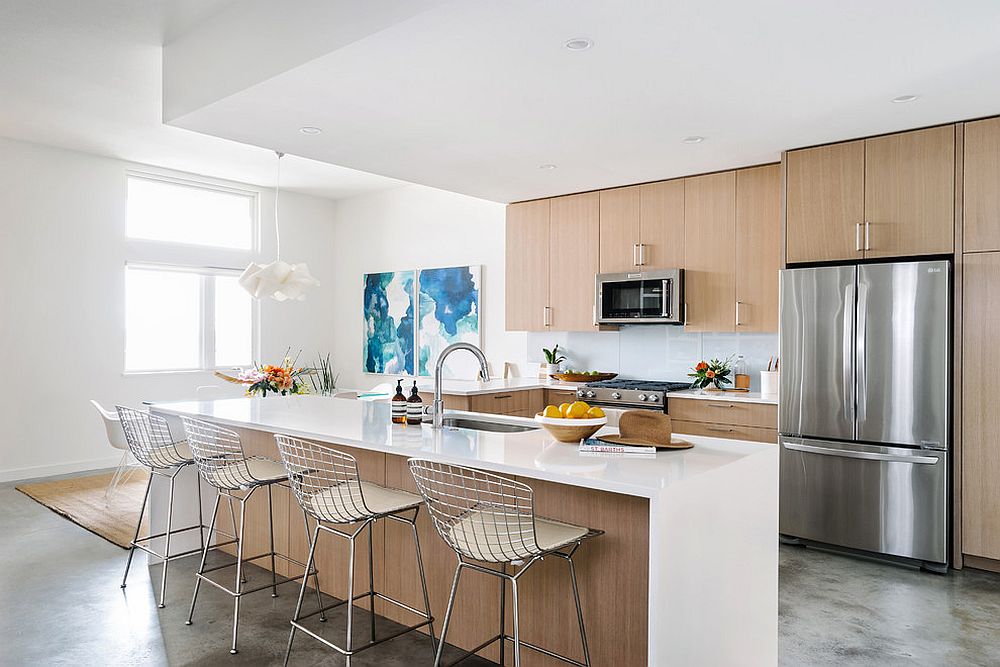
The two-tone combination adds dimension. Beige and natural wood cabinets bring depth without overloading the palette.
Natural wood cabinetry can go on lower cabinets and islands, paired with beige cabinetry in the upper section. The upper beige cabinetry keeps the visual weight light.
Two-tone cabinets suit California-casual and Scandinavian kitchens. They also suit family homes.
Wood tones and beige painted cabinet tones allow color variation. Keep the combination away from polarizing or bold hues.
Wood grain brings organic character and texture beside beige cabinetry, which serves as a calm backdrop. Layer mixed materials through stone countertops, handmade tile backsplashes, and rattan pendant lighting.
Wear is less noticeable on lower cabinetry made from natural wood, and the material also hides scuffs. That makes it suitable for high-traffic spaces.
Neutral hardware can go on the drawers and doors. Matte black and antique brass finishes both unify beige and wood finishes.
Zone highlighting supports open-concept layouts. A customizable two-tone cabinet setup can define different areas.
Two-tone cabinets offer a custom appearance while working with a moderate budget. They bring modern freshness together with timeless style.
Beige Cabinetry With Stone Accents

Paired with beige cabinetry, natural stone provides durability.
A marble backsplash, granite countertop, or travertine cabinet inset pairs with beige cabinets. Each material brings a different stone surface to the kitchen.
For an organic look, bring in stone with beige cabinets and keep the tones soft.
In a beige-and-stone palette, beige provides warmth while stone veining or texture adds depth and individuality. Natural stone supports earth-toned harmony, and the combination feels less cold than an all-white design.
Stone options include Calacatta marble marked by soft golden veining and leathered granite in a sandy color. Choose shades of beige, cream, or warm gray for the stone undertones.
Waterfall islands can take natural stone, as can niche backsplashes and slab cabinet fronts.
Pendant lights can highlight the stone's movement. Under-cabinet lights can do the same.
For higher-end residential work, natural stone offers durability.
Textured Finishes Beige Cabinets
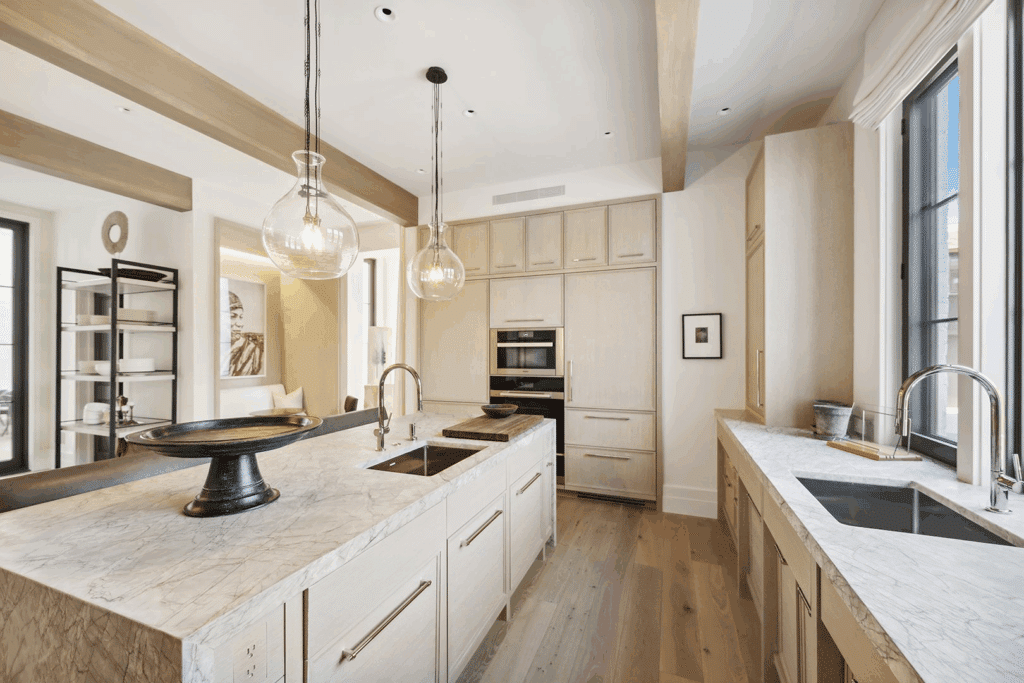
Flat cabinet surfaces can have low dimension in monochromatic schemes. A beige kitchen with one color throughout may need more surface variation.
Textured finishes on beige cabinets add tactile interest. Use them carefully to avoid visual overwhelm.
Rift-sawn oak veneer adds surface dimension to cabinetry. Other options include brushed paint and subtle wood grain.
Textured beige cabinetry supports a lived-in character in a natural or rustic kitchen.
Surface irregularity creates visual variation as daylight interacts with it throughout the day.
A textured finish can work with either a matte sheen or a semi-gloss sheen.
Textured cabinets should be balanced with smoother materials. Polished stone countertops and sleek metal appliances provide those smoother surfaces.
Use minimal hardware so the cabinet texture remains the focus. Smoother materials can highlight the cabinet texture, while minimal hardware avoids distraction.
Traditional and modern styles can both work with textured beige cabinetry. Design professionals favor it because it connects the two style directions.
Textured beige cabinetry offers a middle ground between flat modern panels and ornate traditional detailing. It avoids both ultra-modern flat panels and ornate traditional detailing.
Open Shelving Beige Cabinets
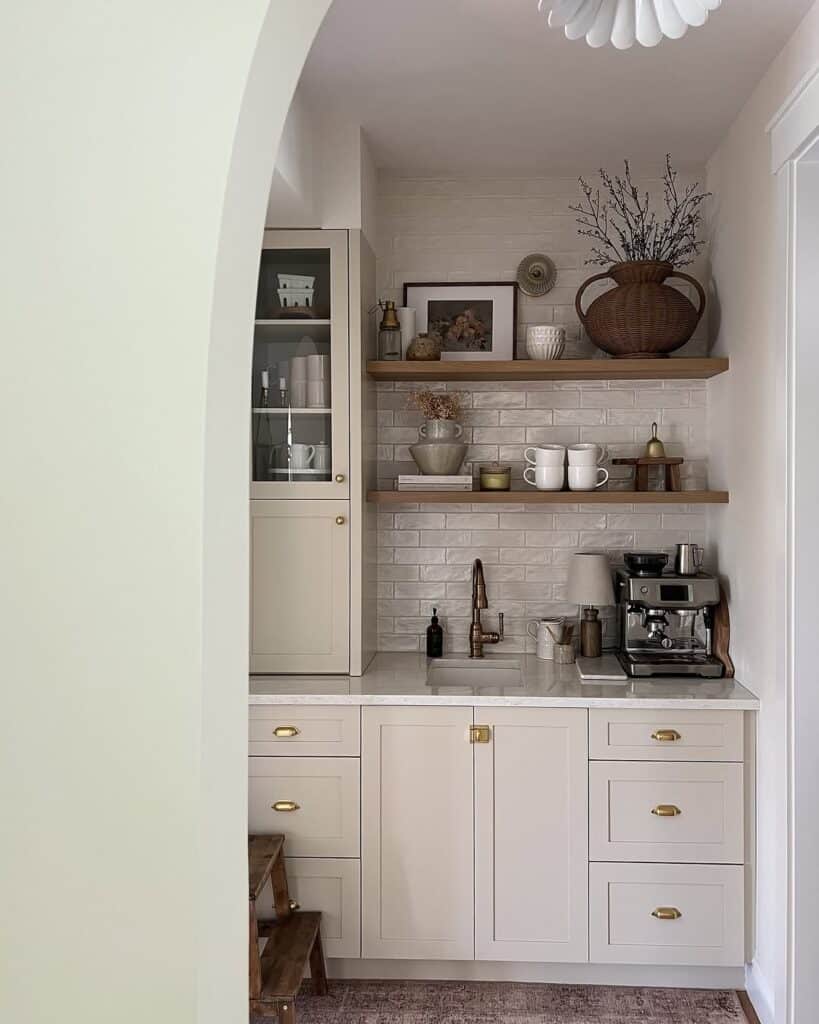
Beige closed upper cabinetry creates a calm backdrop. Designers and homeowners often favor open shelving to break up the closed cabinets.
Beige tones add warmth, especially when natural light is limited. Combined with open shelves, they can make the kitchen look larger.
Glass canisters sit on open shelves above the beige base cabinets. The shelves display everyday essentials such as ceramics, wood cutting boards, and glass canisters.
Neutral dishware and greenery can add personality to floating wood shelves. Keep the display limited so the shelves do not become cluttered.
Frequently used items can stay on open shelving instead of inside cabinets. This reduces cabinet use and provides quicker access.
Open shelving keeps the upper area visually open and encourages minimalism. It also calls for regular tidying. The beige base adds visual warmth.
The dominant layout appears in design blogs and feeds devoted to compact rooms. It brings style and function together.
Warm beige cabinetry works as a neutral backdrop for shelf styling. The cabinetry supports the shelves without competing with what is displayed.
Glass Fronts Beige Cabinets
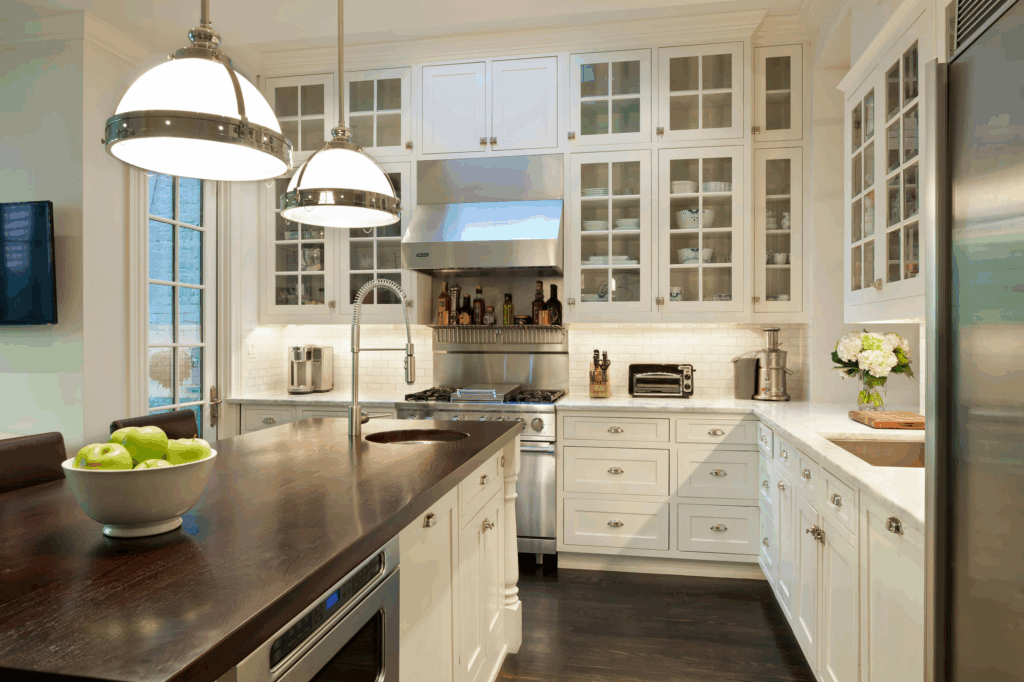
Glass-front cabinets retain storage while supporting light and openness.
Glass-front cabinets suit upper cabinets and increase visual openness. Beige frames around the glass inserts keep the color connected to the cabinetry.
Across the upper cabinets, glass panels can be frosted, clear, or seeded. Frosted glass conceals the contents while retaining light reflection.
Clear glass supports dish displays, while seeded glass introduces vintage character. Choose the glass based on storage needs and kitchen style.
Wood shelves bring warmth and glass shelves add transparency. Coordinate the interior shelving with the glass-front cabinets.
Cabinet lighting is integrated into the cabinet interior for evening use. Keep the shelves from becoming overcrowded.
Beige frames around the glass soften its edges. This pairing works with transitional, farmhouse, and traditional styles.
Glass-front cabinets encourage organization and serve both aesthetic and functional roles.