10 Cottagecore Kitchen Ideas for Vintage Warmth in Modern Homes
The cottage core kitchen trend draws on a nostalgic design mood. Floral prints, vintage accents, and rustic textures help create that look. Together, these elements give the kitchen a warm connection to the past.
The cottage core aesthetic is tied to simplicity and comfort, which appeals to homeowners interested in cottage core.
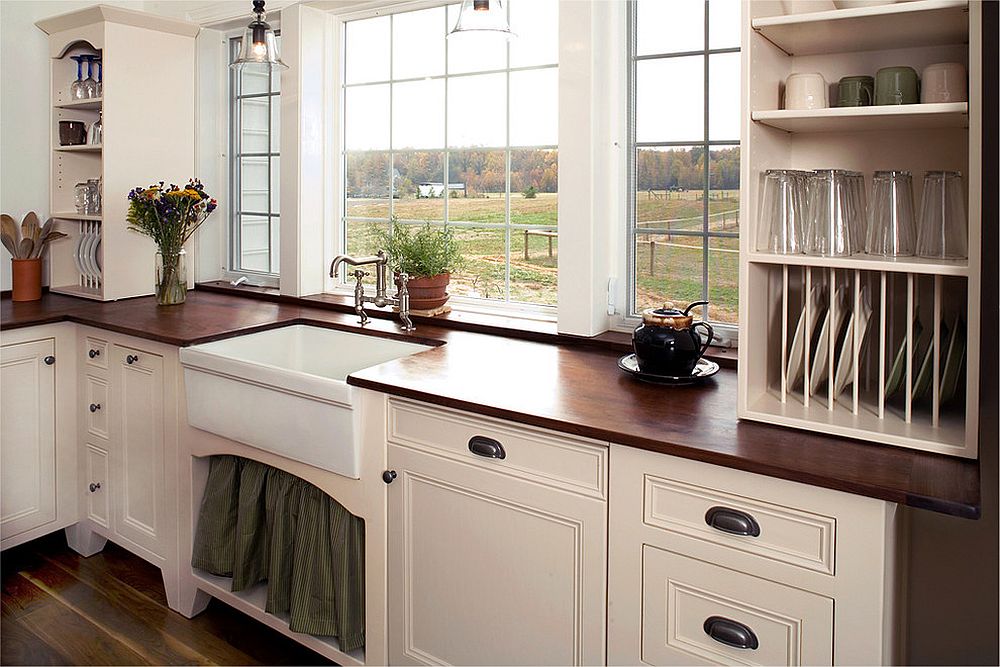
In this cottage core kitchen, dishes are left out on open shelves instead of being hidden away. The muted colors and handcrafted details make the space feel like a countryside home that people live in.
In the kitchen, cottage core design supports slower lifestyles. It also supports intentional lifestyles. The style places those ideas in a familiar home area.
These practical design elements help recreate an inviting atmosphere.
Floral Wallpaper Details
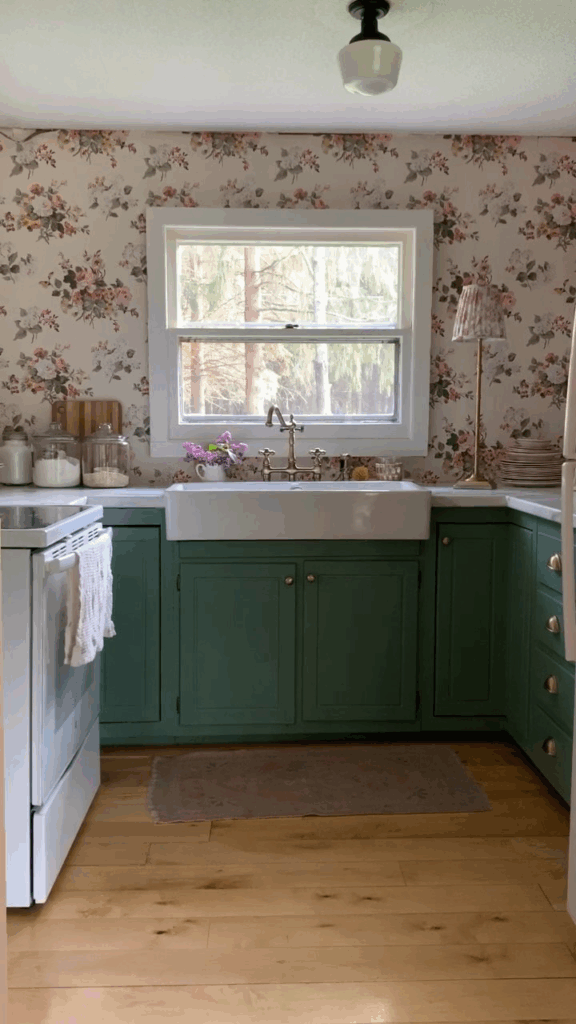
Floral wallpaper brings a cottage style to a kitchen. It is a fitting choice for a cottage-style kitchen.
Use the wallpaper on a full wall, inside a hutch, or in the backsplash zone. Delicate blooms in vintage colors keep the floral pattern connected to the cottage look.
Wallpaper can feature faded rose patterns. Hand-drawn wildflowers and soft botanical repeats are other options.
Peel-and-stick wallpaper offers a low-commitment format for the kitchen. It can be used when a larger installation is not wanted.
Sustainable values align with wallpaper made from eco-friendly materials. The wallpaper can also use water-based inks.
For wallpaper, try warm cream, muted sage, or dusty rose.
Floral wallpaper pairs with open shelving, natural wood trim, and apron sinks.
Keep the surrounding elements neutral and reserve the focal emphasis for the wallpaper. Arched doorways and vintage cabinetry can frame it.
A design choice with a non-overwhelming impact punctuates the space and conveys storytelling.
Old-world florals set the tone. Floral wallpaper combines that traditional look with modern convenience.
Beadboard Backsplash Panels
Wooden paneling works as a kitchen backdrop in either a horizontal or vertical orientation. Beadboard adds texture through its grooves and is associated with historic homes.
Subtle grooves give beadboard a surface detail that contrasts with flat walls. The contrast comes from the beadboard's texture.
Muted white, cream, and dusty pastel are beadboard color options. The material works with both modern elements and vintage elements.
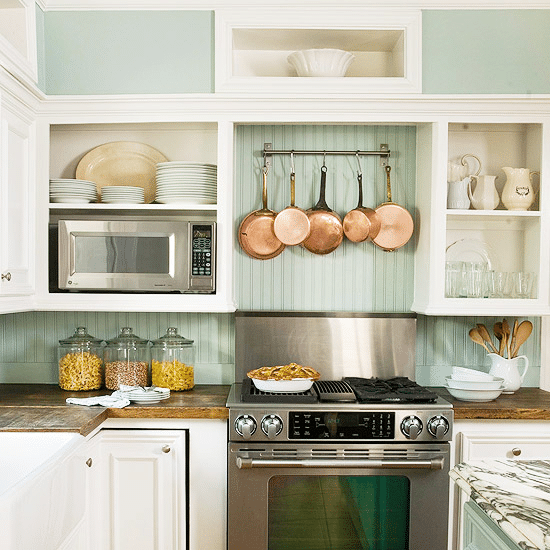
In one kitchen, beadboard serves as a backsplash behind sinks, open shelving, and stoves. Its placement keeps the beadboard connected to these work areas.
Beadboard is surprisingly durable when it is correctly installed. Cleaning it is easy, and a moisture-resistant finish can seal the beadboard.
Beadboard works with butcher block countertops, vintage hooks, and ceramic dish racks. These combinations use the beadboard as a compatible background.
Pre-primed panels have wide availability and are cost-effective. Beadboard installation can also be DIY-friendly.
Beadboard acts as a background surface for botanical elements, antique decor, and textured fabrics. Its surface remains visible behind these details.
In a cottage kitchen, beadboard provides a background surface. It fills that supporting role behind the rest of the kitchen.
Pantry Organization With Glass Jars
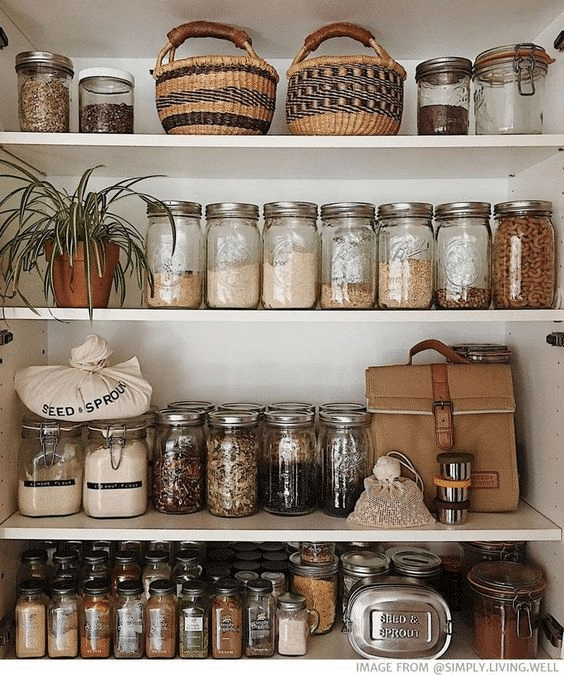
Glass jars provide visible storage and organization in the pantry. Transparent storage also supports easy access.
Clear glass keeps grains, flours, spices, legumes, and dried herbs visible while maintaining a tidy look. Glass containers make the contents easy to see.
Storage containers can take the form of a Mason jar, a clamp-lid jar, or a vintage canister. Each option provides a distinct way to store items.
Standardize jar shapes and label styles to make restocking easier. A jar can carry a handwritten tag or chalk label, with a wooden lid as support.
Open shelves, wooden crates, and antique cupboards can hold the glass jars. The visible jars expose the ingredients inside.
Glass jars can reduce food waste by keeping contents clear. Visible contents also support more intentional consumption.
A glass jar system encourages bulk buying, which reduces packaging waste. Jar storage is associated with eco-conscious living.
Glass jars make a gentle clink when combined with natural materials.
Across the kitchen, lined glass jars can organize wholesome ingredients and connect the storage system with mindful living.
Wide Apron-Front Farmhouse Sink
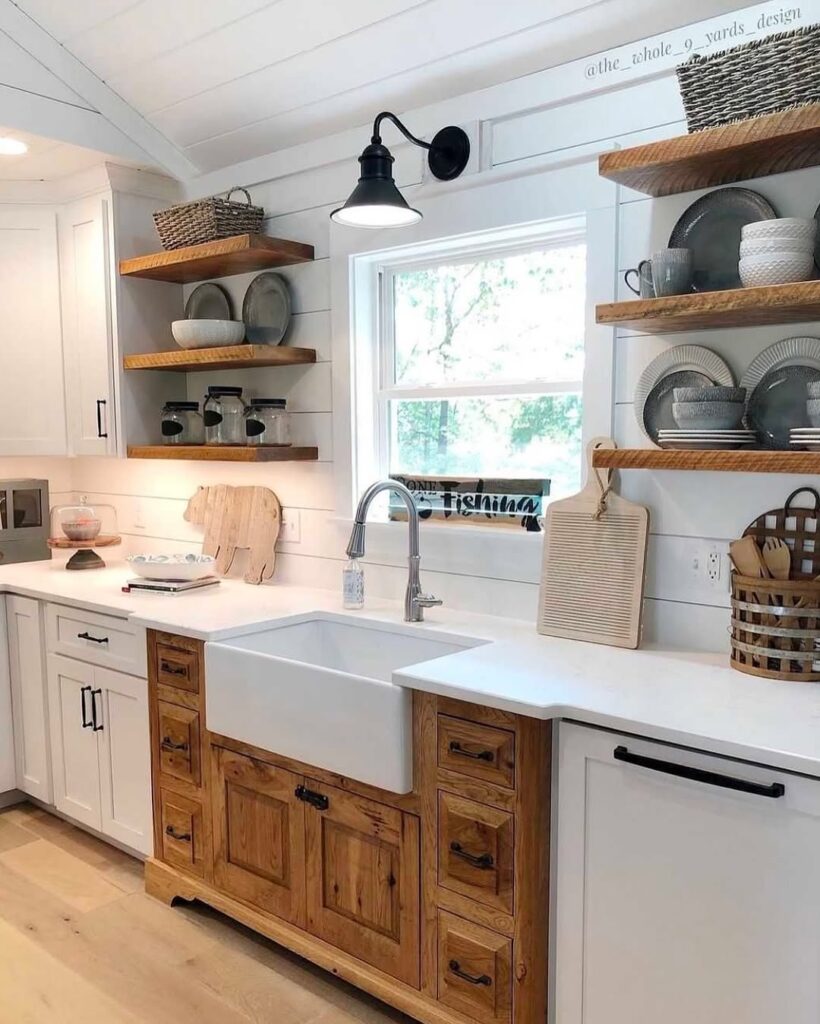
The kitchen has a practical, attractive mainstay in the farmhouse sink. Its apron-front design makes it a visible part of the room while supporting everyday kitchen use.
Fireclay and enameled cast iron give this farmhouse sink a durable material base. Its deep basin has ample capacity for washing dishes, rinsing flowers, preparing produce, and handling cleanup.
A window sits beneath the sink, following a placement tradition rooted in farm kitchens. This position provides both a view and natural light.
The forward-facing apron of the farmhouse sink becomes the visual focal point. It is paired with a brass, nickel, or antique-style bridge faucet.
Butcher block counters, Shaker cabinets, and hand-thrown tile surround the farmhouse sink. Together, these elements pair with the sink as a functional anchor.
The farmhouse sink sits beneath vintage sconces and hanging herbs. With no upper cabinetry above it, the area feels more open.
A farmhouse sink adds utility that supports everyday life. Its role is practical as well as central to the kitchen.
Warmth, utility, and memory all belong in this kitchen design. In a cottage core kitchen, the farmhouse sink is a quintessential feature.
Freestanding Kitchen Island
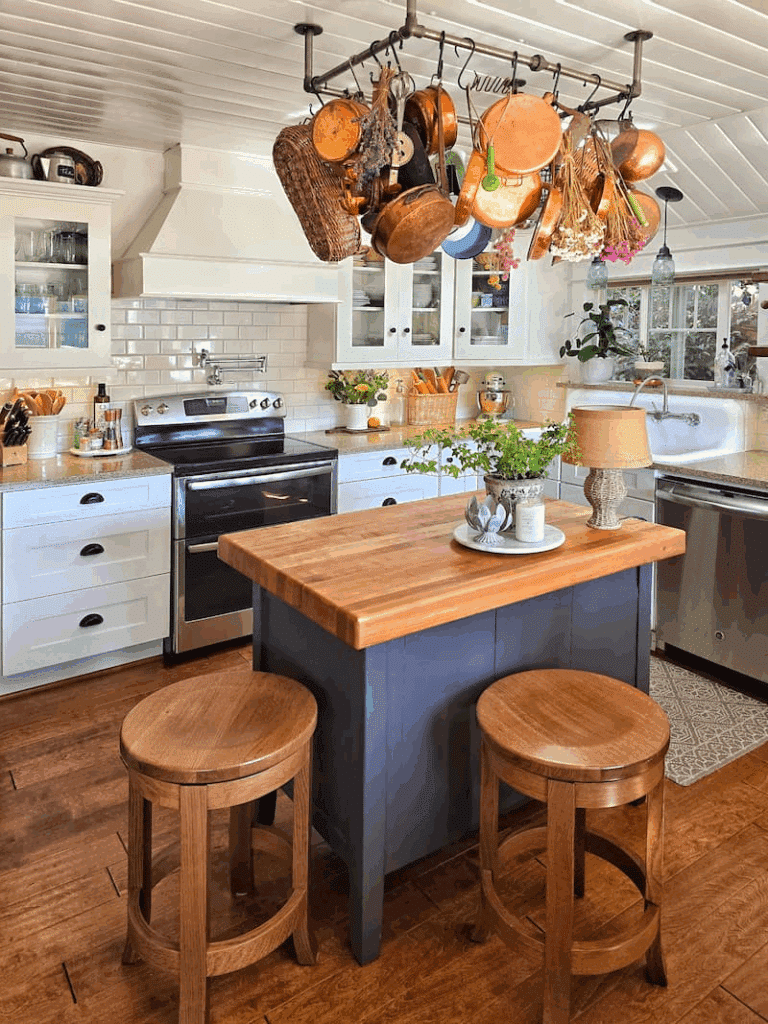
In a comfort-focused kitchen, the freestanding island serves as both a workspace and an activity center.
A freestanding island can be built independently from reclaimed wood with an antique finish, rather than as built-in cabinetry. An upcycled dresser is another option.
A freestanding island gives small homes more layout flexibility and can support both repurposing and relocation. Open shelving below the island holds cookbooks, baskets, and dinnerware.
Butcher block, vintage stone, and marble remnants are possible countertop materials. They bring durability along with tactile interest to the island.
Vintage stools, floral linens, and a hanging pot rack complement the freestanding island. The island brings people together for baking, food preparation, and morning coffee. Its individual pieces give the gathering point a distinctive presence, while the accessories reinforce its focal status.
Muted or mismatched cabinetry tones add visual depth without creating a clashing look. Pair the island with the surrounding cabinetry.
In one corner, a freestanding island can serve as a workstation and a decor element. It may come from an antique market or from custom construction.
A freestanding island in the cottage core style combines function with personality.
Vintage Kitchen Light Fixtures
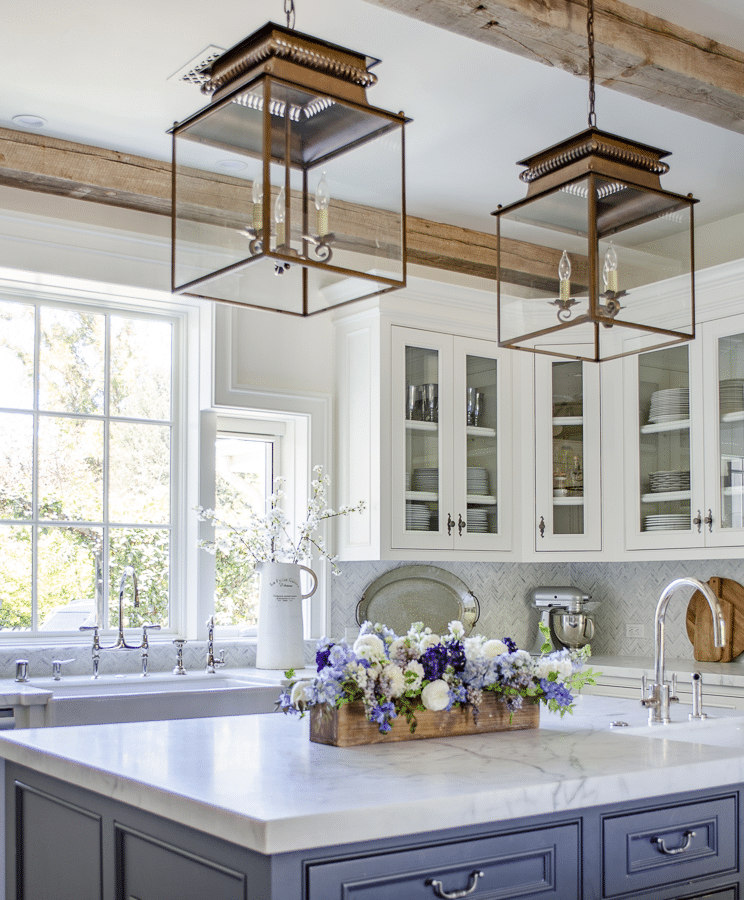
Vintage fixtures shape the kitchen's mood and character. Their distinctiveness sets them apart from mass-produced fixtures.
An enamel pendant, brass sconce, or schoolhouse globe can call to mind historical eras. Each option brings a vintage reference to the kitchen.
A salvaged light fixture from a flea market or antique store can have aged metal patina and hand-blown glass bubbles, both of which provide individuality. Rewire the salvaged fixture to meet modern safety standards.
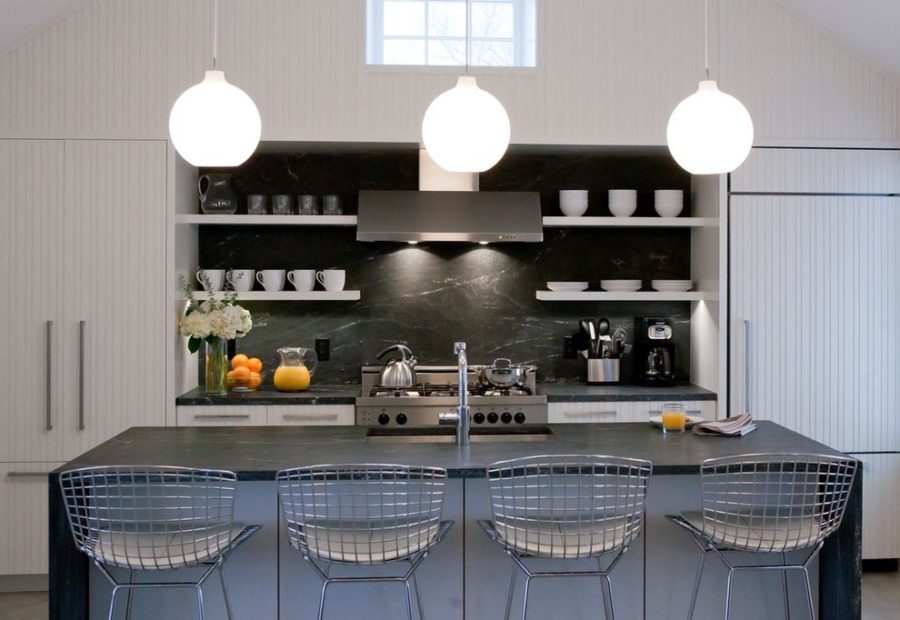
The open shelving can sit below wall sconces, while the farmhouse chandelier serves as the central feature. A pair of pendant lights hangs over the island.
Light fixture placement supports space organization. Vintage light fixtures also contribute to ambient lighting.
Coordinate the light fixture finish with brass knobs, iron hooks, and copper cookware. Use light bulbs in soft warm tones to support an inviting atmosphere.
Across the kitchen, vintage lighting can function as a decor element rather than serving only a utility.
Vintage fixtures highlight textures, colors, and traditional materials while illuminating the countertops. The layered kitchen lighting fits a cottage core style.
Windowsill Herb Gardens
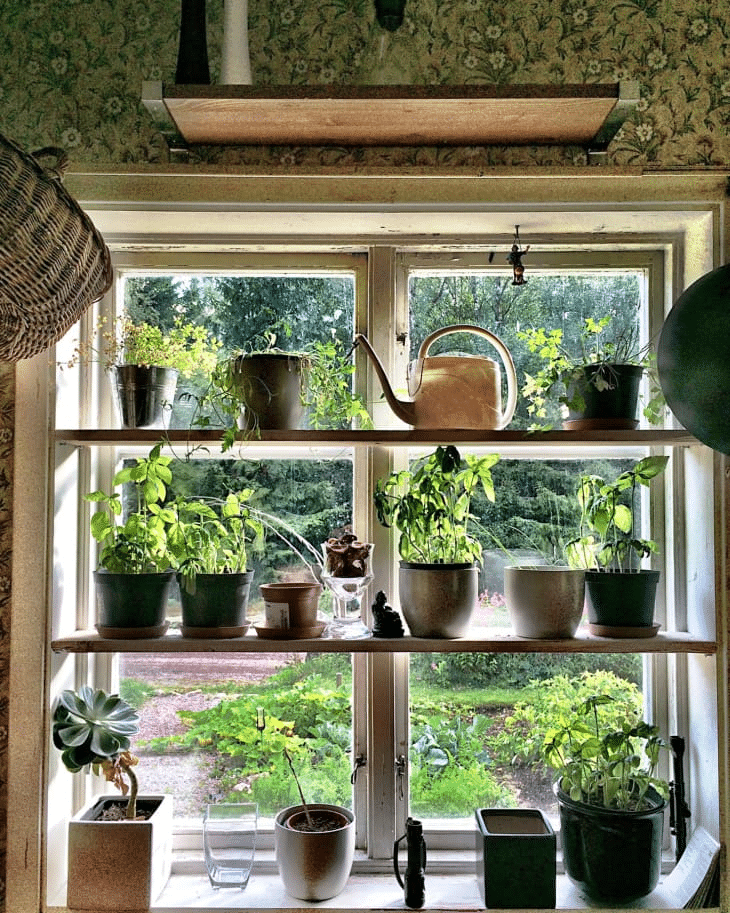
Fresh greenery placed within reach offers both visual and practical benefits. The plants remain close enough for everyday use.
A compact herb garden fits on a sunlit windowsill. It supports homegrown living and provides culinary convenience.
Ceramic pots and terracotta pots hold herbs such as basil, thyme, rosemary, and parsley. The plants need adequate sunlight along with consistent watering.
Fresh ingredients are the output of an indoor herb garden, with minimal effort. Indoor herbs provide steady ingredients and support a connection with nature.
In one corner, herbs can grow in mismatched vintage planters or in hand-labeled jars. Teacups can also serve as containers for herbs.
Herb plants can purify the air and add a natural scent to the room.
Place the herb garden near the sink or prep area to improve usability. Morning sunlight can reach the plants through their leaves.
Herb pots need proper placement and drainage. Rotate the pots seasonally to support plant health.
A small herb garden makes a small contribution to sustainability. Its scale remains limited, but its purpose is direct.
Layered Cottage Core Kitchen Textiles
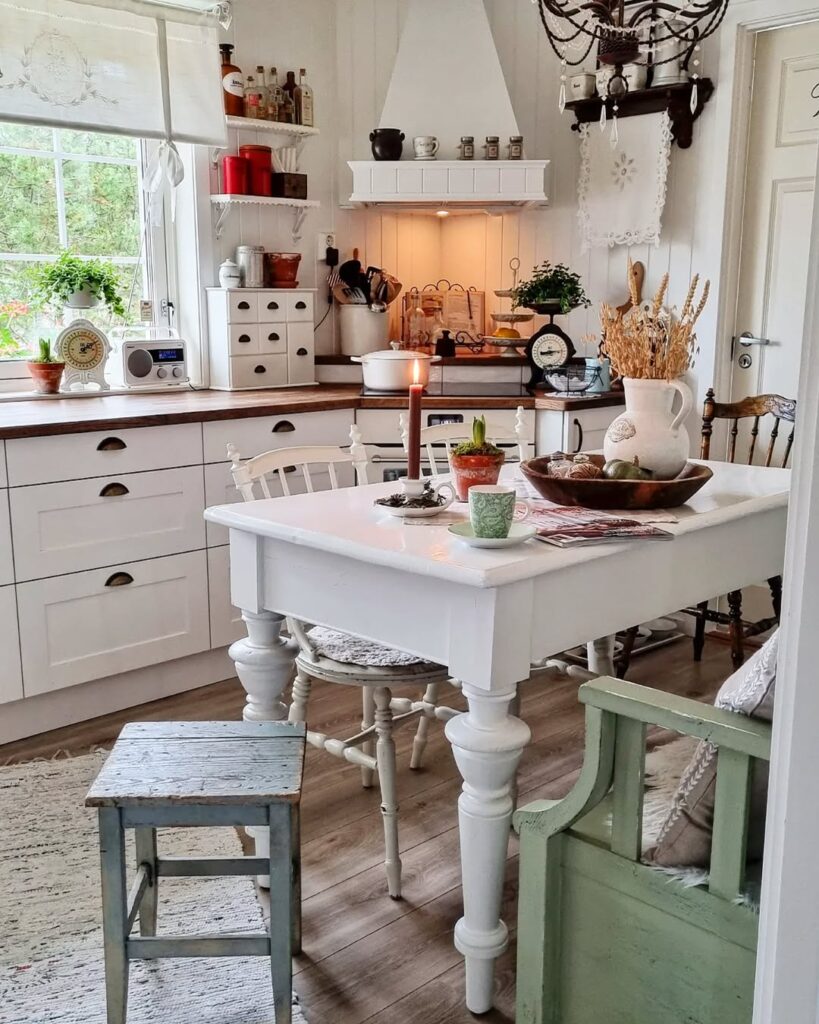
Choose kitchen textiles for tactile comfort as well as warmth.
Mix various fabrics throughout the kitchen. Ruffled gingham window treatments, cotton dish towels, and linen table runners with embroidery can all be part of the mix.
Texture is important to cottage core aesthetics. Natural material works as a layered textile material.
Combine plaid and floral patterns in the kitchen textiles.
For a simple kitchen scene, use linen or muslin on the table, beneath the sink, and on the seats. Soft pastels and sun-faded tones keep these natural-fiber textiles from looking too busy while still adding dimension.
Fringe, lace trim, and hand-stitched patterns in textile detailing can evoke both nostalgia and authenticity.
Layered textiles enhance acoustic comfort and thermal comfort in the kitchen.
Textiles should be balanced and coordinated with the woodwork and painted cabinetry.
Everyday usability is one benefit of layered textiles. They also support the kitchen's function.
Copper Cookware on Display
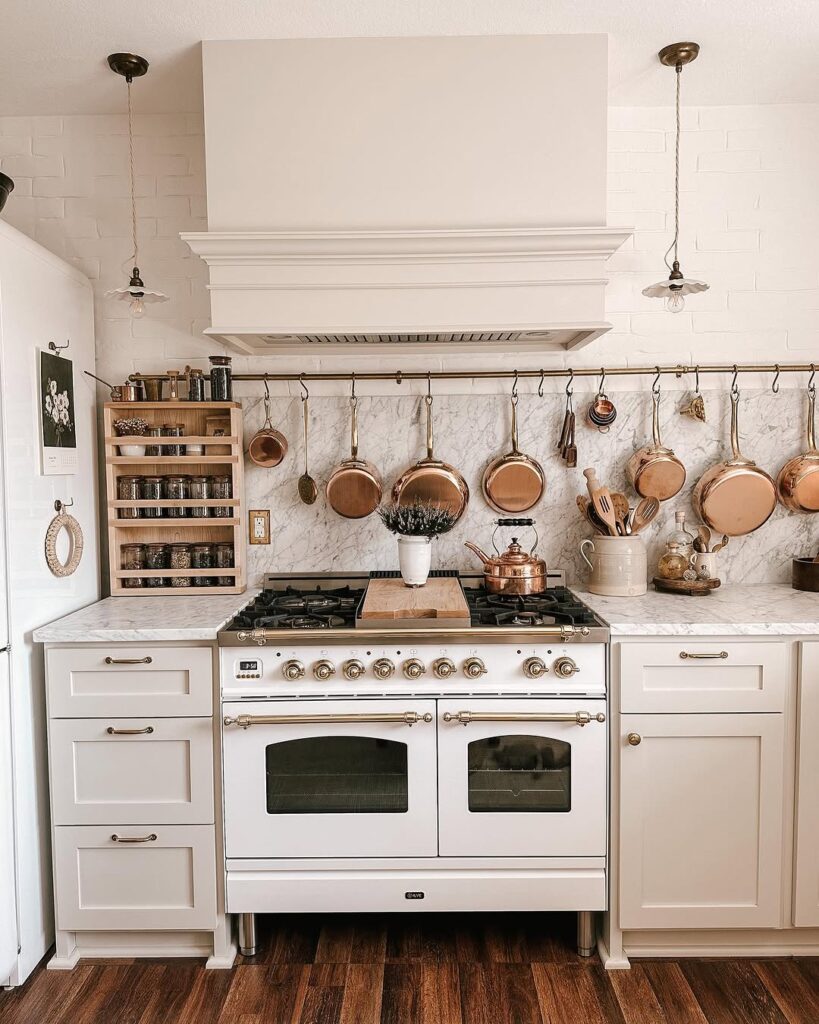
Earthy softness complements warm-toned metal in a rustic cottage kitchen. Copper brings that warm-toned metal presence to the room.
A wall rail or overhead pot rack can hold pots, pans, and ladles. Reflective copper interacts with natural light and can make the space feel more open, while the cookware serves as both functional tools and display pieces.
Well-aged copper takes on a soft patina. That copper patina supports a sense of vintage character.
Above the stove, copper cookware can become part of the display. Exposed shelving and beadboard panels are two other places to display copper cookware.
Wooden utensils, cast iron pans, and antique enamelware work with copper cookware. Choose solid copper for longevity and safe cooking.
Group cookware by size, then hang it in a staggered layout. This keeps the copper cookware arranged by scale.
Across the room, clean copper with lemon and salt. Avoid harsh chemicals.
A copper cookware display keeps meal-prep access close at hand. It also expresses handcrafted utility.
In a cottage kitchen, copper cookware connects tradition with everyday utility. The pieces serve a practical role while carrying that association with tradition.
Woven Basket Storage in the Kitchen
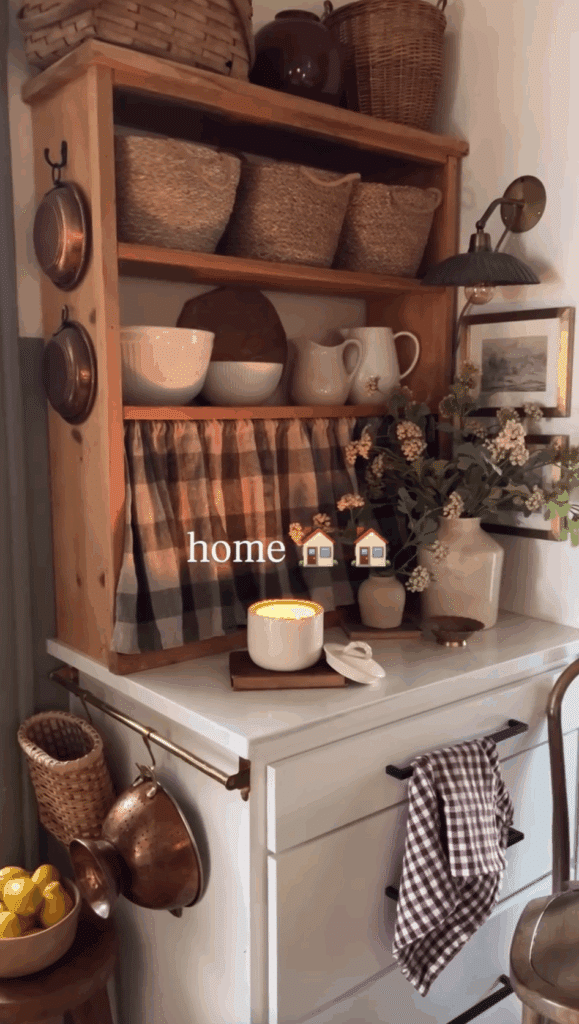
Woven baskets made from natural fibers provide storage and help manage clutter.
For clutter management, place a woven basket on open shelves, inside cabinetry, or on hooks.
Rattan, seagrass, and wicker give baskets warmth along with durability. These materials suit baskets that need to hold up to regular use.
Fresh produce and pantry staples can go in the woven basket, along with linens and dish towels. Its contents suit the association with slow living.
Uniform basket sets provide a cohesive appearance, while mixed basket shapes and tones support an eclectic look. Add labels or chalkboard tags to make the storage easier to organize.
Stacked baskets create vertical interest. You can also vary the basket heights instead of stacking every one.
Wooden shelves and antique hutches can hold baskets in either open or hidden storage arrangements. Portable baskets support daily convenience.
Natural-fiber baskets fit beside other kitchen furnishings and provide storage. Their simplicity and practicality keep the arrangement straightforward.
Open Shelves with Vintage Character
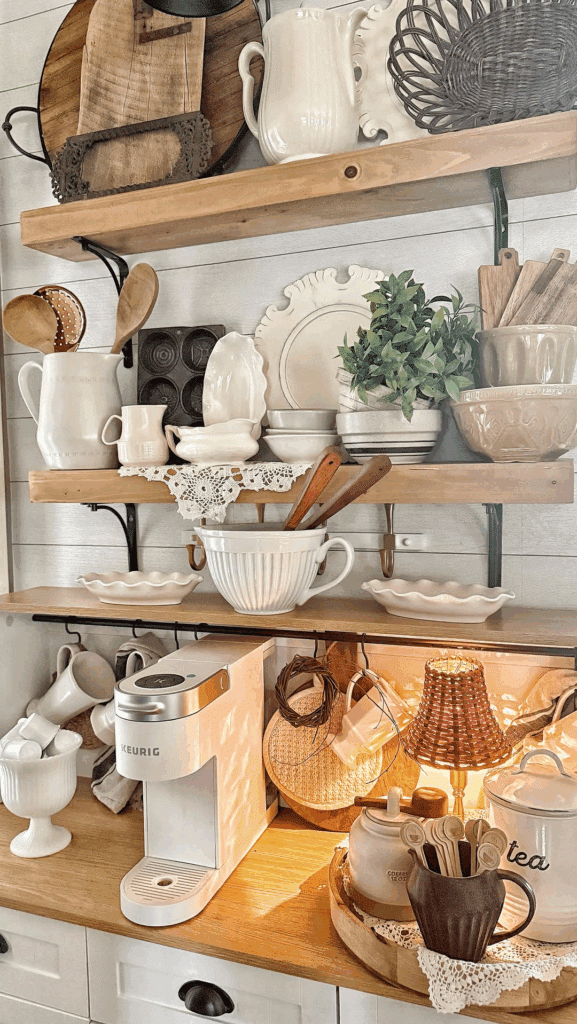
Raw wood shelves fitted with repurposed antique brackets provide display space and functional storage.
On the shelves, mismatched ceramic dishes can sit beside hand-thrown mugs and heirloom spice jars.
For everyday kitchen use, open shelves promote easy access.
Labeled glass containers can hold baking essentials. Stack ironstone dinnerware on shelves finished in weathered wood or distressed paint, a choice that reinforces vintage character.
Vary the heights of old cookbooks and antique vases, group similar shelf items, and avoid shelf clutter.
Seasonal accents such as wildflowers, repurposed bottles, and beeswax candles can modify the decor without major changes.
Open shelving pairs with shiplap backsplashes, beadboard walls, and aged metal accents.
Open shelving supports a collected-over-time appearance. Each shelf can show that look through its contents.
Open shelves provide storage and utility while supporting personal storytelling.
Antique Furniture for the Kitchen

An old pine hutch and a repurposed farmhouse table bring secondary furniture into the kitchen. Well-worn antique furniture leaves its history visible and adds more personality and depth than mass-produced cabinetry.
Patina, imperfections, and handmade details help antique furniture fit lived-in interiors. These features keep the furniture connected to its age and making.
Antique furniture can serve as both a focal component and a functional component. Consider distressed sideboards, enamel-topped worktables, and spindle-back chairs, sourcing pieces locally from estate sales or vintage shops.
An antique stool beside the island adds a small furniture piece to the room. A curio cabinet provides dish storage.
Balance antique furniture carefully to prevent the room from feeling cluttered. Old wood tones work well beside neutral walls, raw textures, and natural light.
Newer elements can sit alongside antique furniture. Antique furniture mixes with new elements without losing its character.
In kitchens made for shared meals, antique furniture brings a sense of belonging. It supports functional nostalgia while remaining part of the room's everyday use.
Decorative Plates on Kitchen Walls
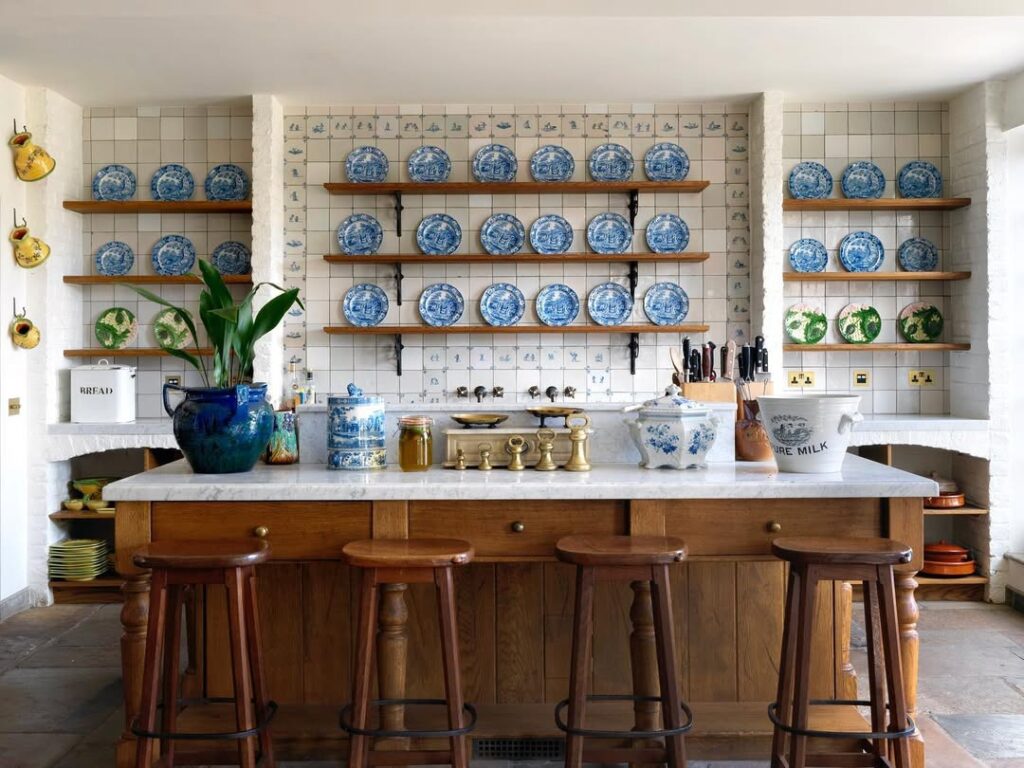
Handcrafted wall-mounted plates personalize the kitchen with a heritage feel. They add a personal touch.
A dish display is practical while also creating a nostalgic showcase. A collection of ceramic and porcelain dishes can fill bare walls.
Vintage plates often carry a sense of tradition through floral patterns, toile, and scalloped edges.
Color family, shape, and theme can guide the way plates are grouped. A symmetrical layout creates a clean finish, while an asymmetrical grouping gives the display a more organic appearance.
An invisible adhesive hook can work well in a rental home. Hanging methods vary by use case, while a wire plate hanger offers flexibility and long-term security.
Heirlooms and secondhand finds can become an affordable, personalized plate collection with sentimental value.
Beadboard, painted plaster, and natural stone each give the wall a different setting. Against any of these surfaces, a plate display adds contrast and warmth without creating much visual noise.
Leave enough space around the plate display to avoid overcrowding. Repeat the plate hues in nearby fabrics and cabinetry, and use negative space to keep each piece clear.
A thoughtful arrangement draws the eye. The plate display can also fit naturally with rustic elements.
Cottage core plate walls bring together ideas of memory, artistry, and tradition.
Butcher Block Worktops
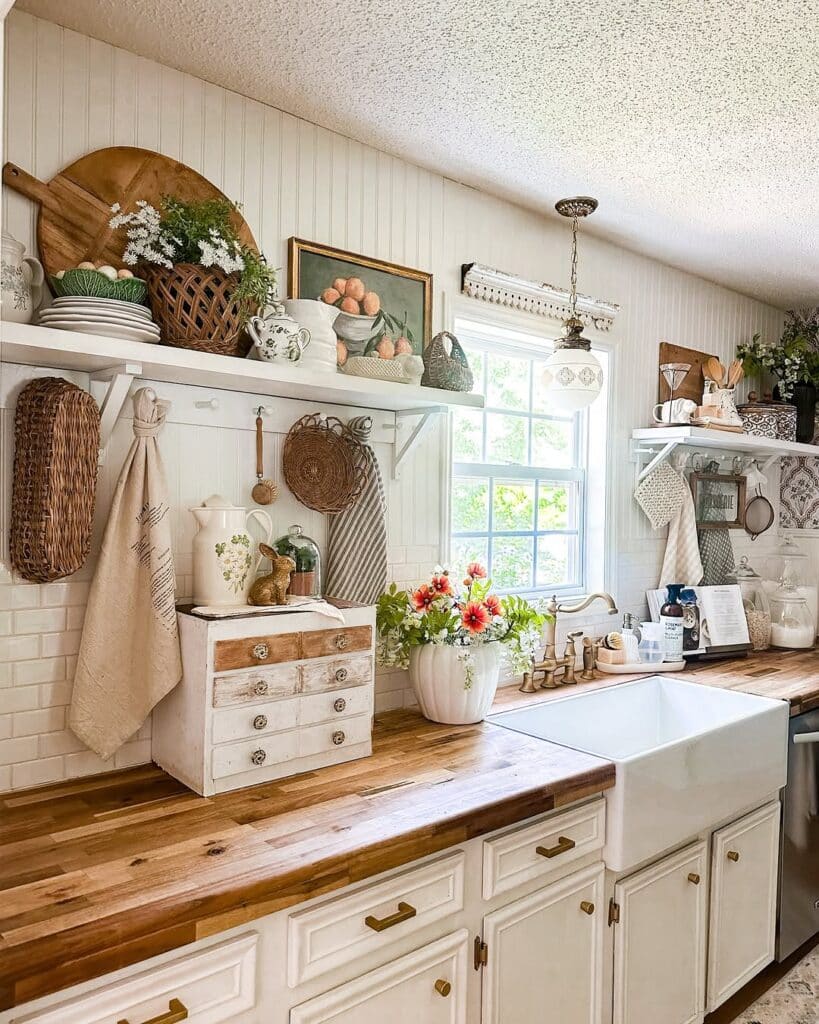
Butcher block countertops made from solid wood suit country kitchens and offer everyday practicality.
Maple, oak, and walnut butcher block wood bring a warm tone and natural grain. Each option is durable and has rich texture.
In one kitchen, the butcher block countertop develops character over time. Nicks and patina are expected surface changes.
Food-safe use depends on keeping the countertop properly maintained. For butcher block countertops, mineral oil treatments and gentle cleaning help them stay resilient, and the countertop service life is measured in years.
Sage green, classic white, or pale yellow can be used for painted cabinets. Pair those cabinets with butcher block countertops.
Open shelving and vintage hardware pair with butcher block countertops. Together, the wood countertop and cabinet combination provides visual warmth.
A butcher block countertop can support meal preparation, serve as a casual dining station, or define a baking zone. It also supports meal preparation.
Butcher block countertops support gathering and hands-on cooking. They are part of daily kitchen life.
Pastel-Colored Cabinetry
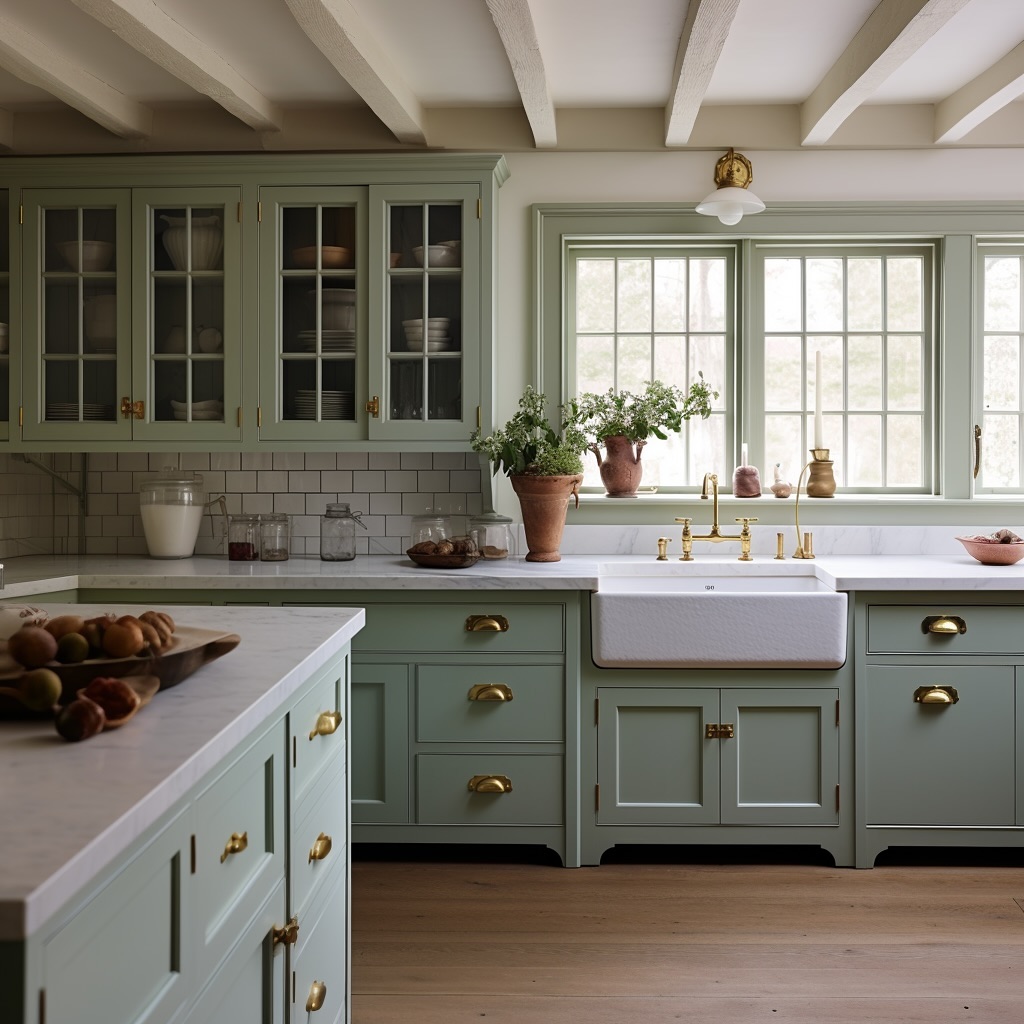
Soft hues and a washed-out finish create a calming atmosphere. Pastel cabinets carry both qualities in the kitchen.
Powder blue, mint green, blush pink, and butter yellow are options for cabinet colors, with creamy as another finish. These pastel cabinets support an airy kitchen environment.
Open shelving is one way to frame pastel cabinets. They also pair with wooden countertops and aged brass hardware.
For vintage appeal, choose a matte or chalky cabinet finish. A matte finish avoids a glossy sheen.
Light cabinet colors reflect sunlight, which benefits small spaces and north-facing spaces. The reflection is part of their effect.
White beadboard walls and patterned ceramic tiles pair with pastel cabinets. The cabinets remain compatible with both surfaces.
In one kitchen, soft white upper cabinets sit above pale green lower cabinets. Use two cabinet tones to provide a backdrop for hand-painted dishware and vintage accessories.
Pastel cabinetry provides cabinet storage in a cottage kitchen while creating a calming visual environment. Its function remains tied to storage.