10 Beautiful Living Room Ideas for a Refreshing Makeover
The living room scene in the 1960s was a thrilling blend of vivid fashion and forward thinking decor. It truly mirrored the era’s changing society and youthful spirit.
These rooms broke away from the quiet shades and traditional styles of earlier times, known for their striking patterns, brilliant colors, and a diverse collection of furnishings.
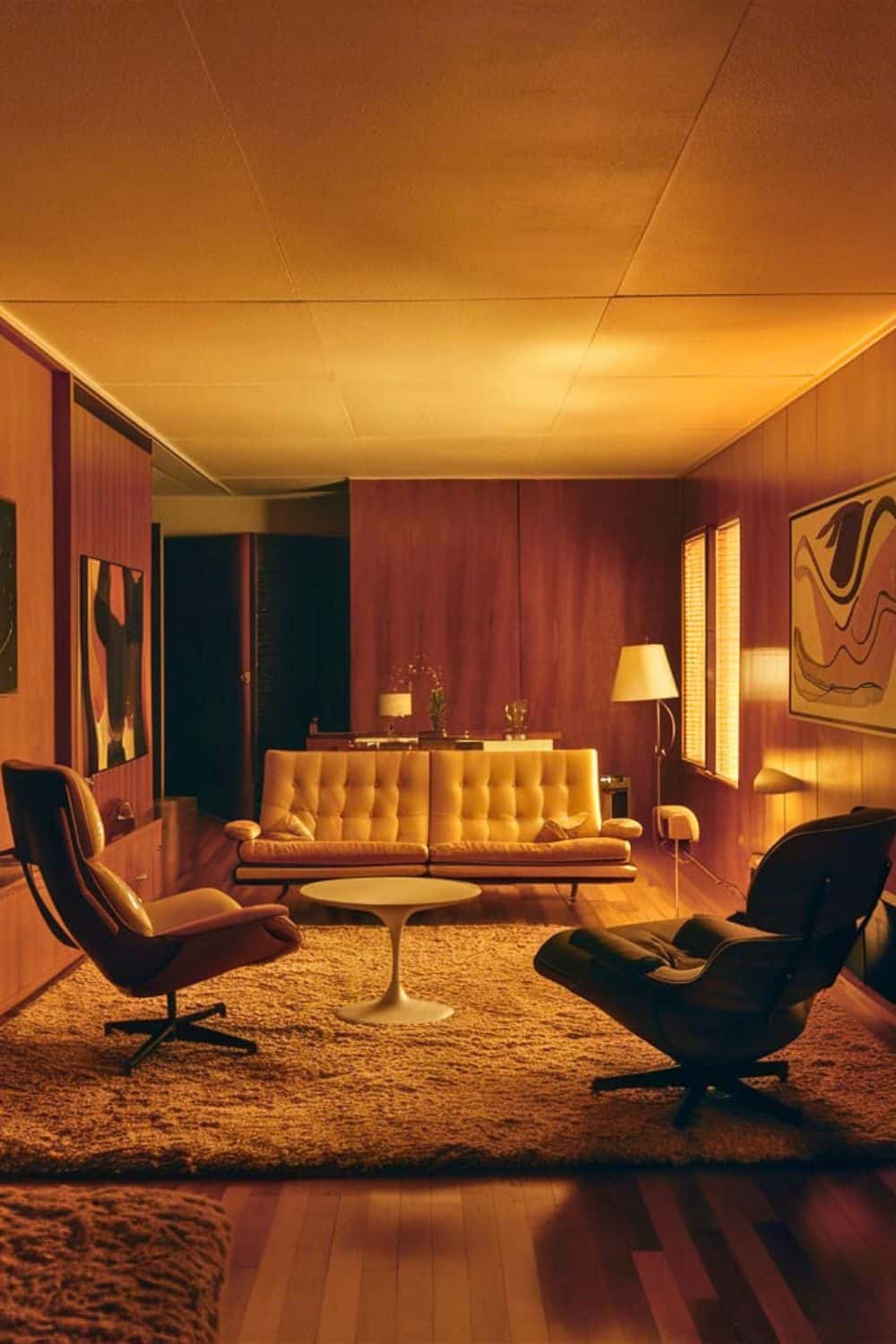
You would often see low slung couches with graceful silhouettes as prime features, frequently covered in bold shades like fiery orange, deep turquoise, or bright mustard yellow. Legendary items such as the Eames lounge chair perfectly embodied mid century modern style, showcasing both practical use and beautiful artistic form.
Walls frequently displayed geometric shapes or abstract artwork, while floors might feature playful shag rugs, bringing both softness and cozy appeal. Finishing touches like vintage lamps with huge shades, lava lamps, and record players added to the overall atmosphere, making a truly inviting and exciting environment.
The period’s fascination with new technology and a futuristic appearance was clear, as innovative items such as plastic and molded plywood were often incorporated.
1. Lighting
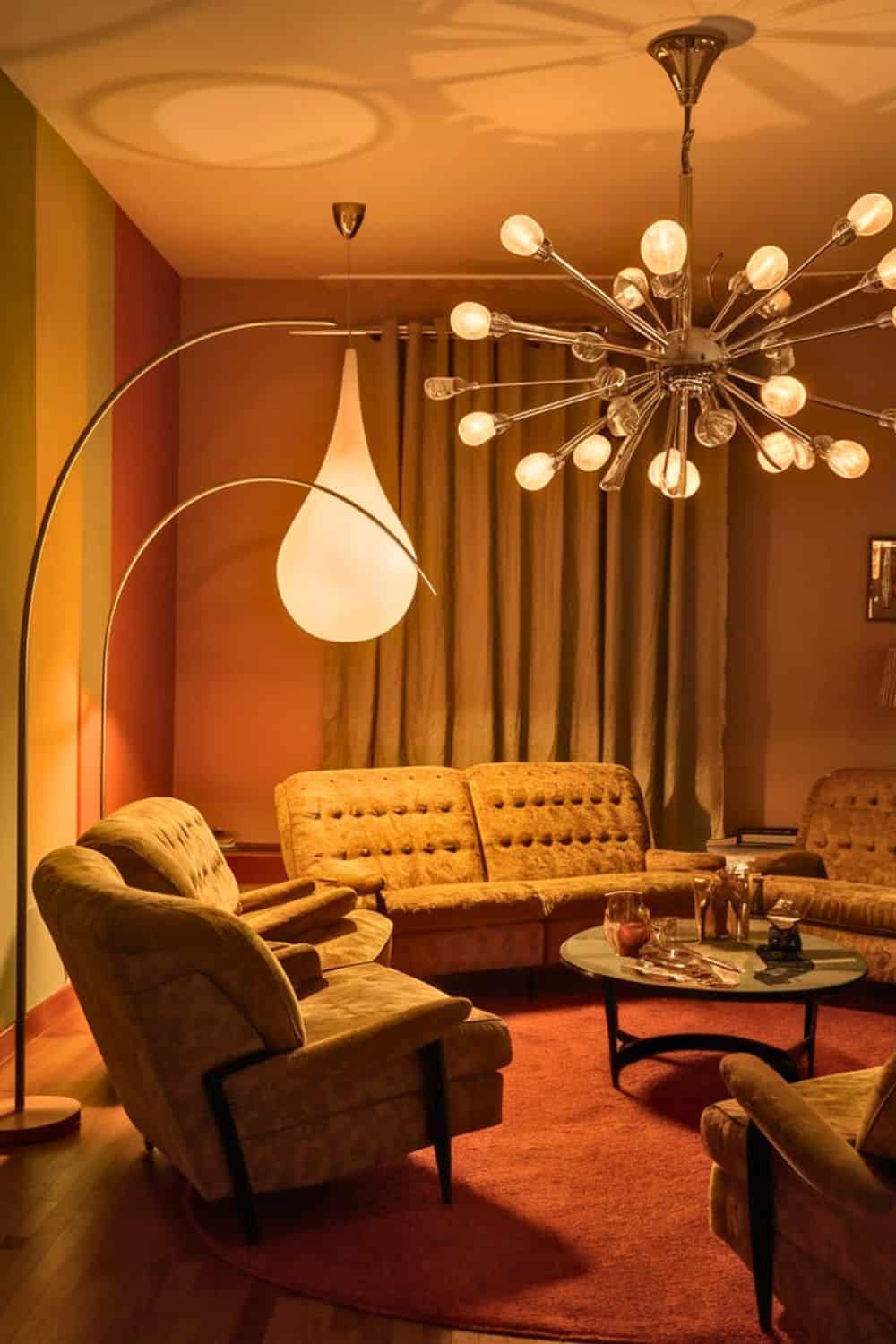
The illumination in a sixties living room was both elegant and practical. Visualize streamlined floor lamps, eccentric hanging lights, and those unmistakable Sputnik chandeliers.
Each of these dramatically influenced the mood of the space. It’s quite clear: the 1960s embraced novelty and distinctiveness.
These fixtures did more than simply brighten a room. They served as central features, contributing unique character and sophistication.
Begin by selecting your main point of interest. A Sputnik chandelier, for example, could be suspended centrally to guide gazes upwards and establish the atmosphere.
Pair this with a standing lamp in a snug reading nook to build varying levels of light. Remember to include hanging lights above end tables or the main coffee table to unify the entire design.
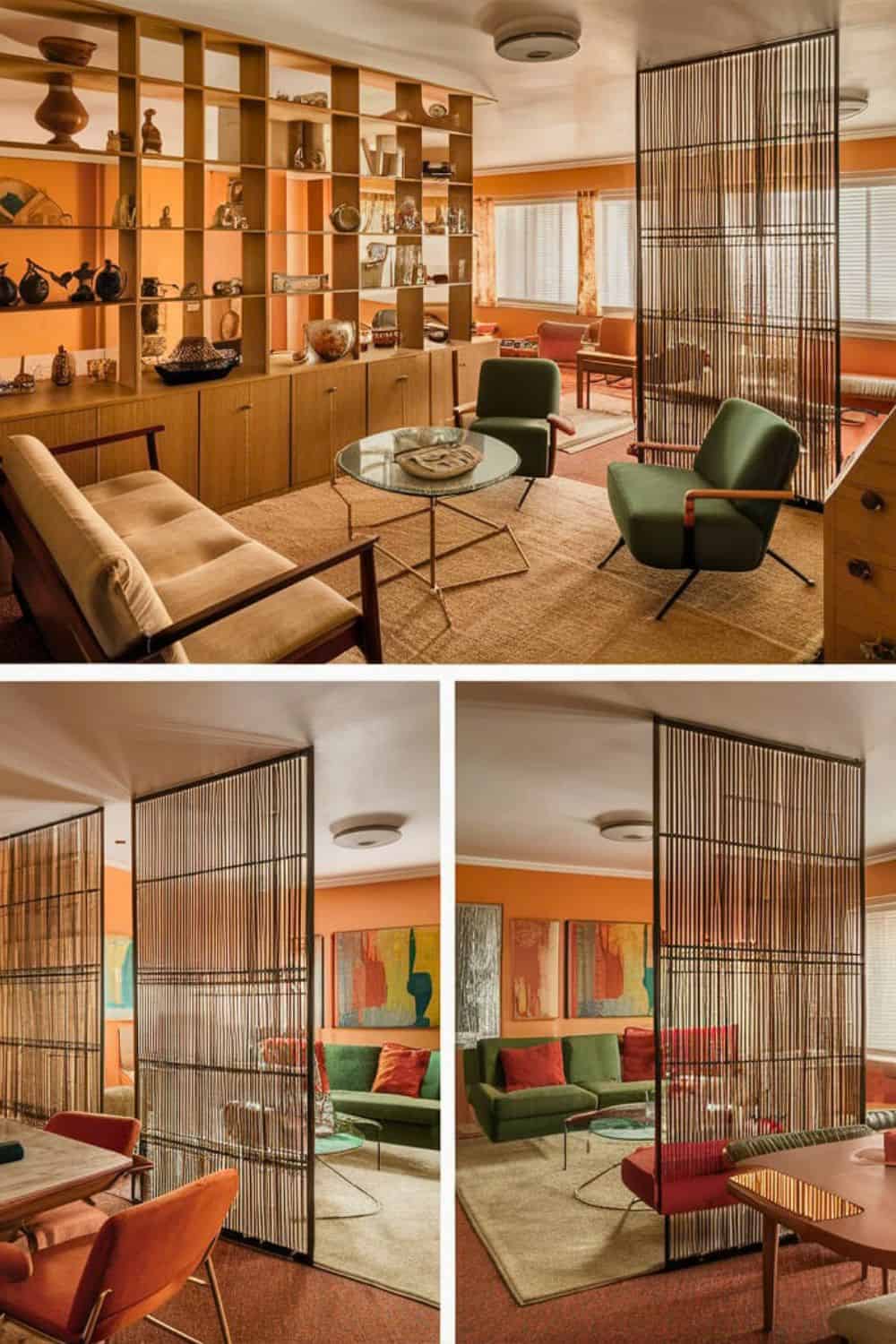
2. Room Dividers
Section separators were a defining characteristic of this period. They were used to fashion useful yet elegant zones inside one large, open expanse.
Unlike fixed walls, these partitions maintained the spaciousness while also providing structure and seclusion. They could span from fashionable open shelves displaying attractive ornaments to refined panels made of bamboo or metal.
The true appeal of these separators comes from how adaptable and simple they are to set up. To add a hint of the sixties to your own house, simply select a divider that complements your current furnishings, place it thoughtfully to establish an organic movement, and observe your living area transform.
3. Patterns and Textures
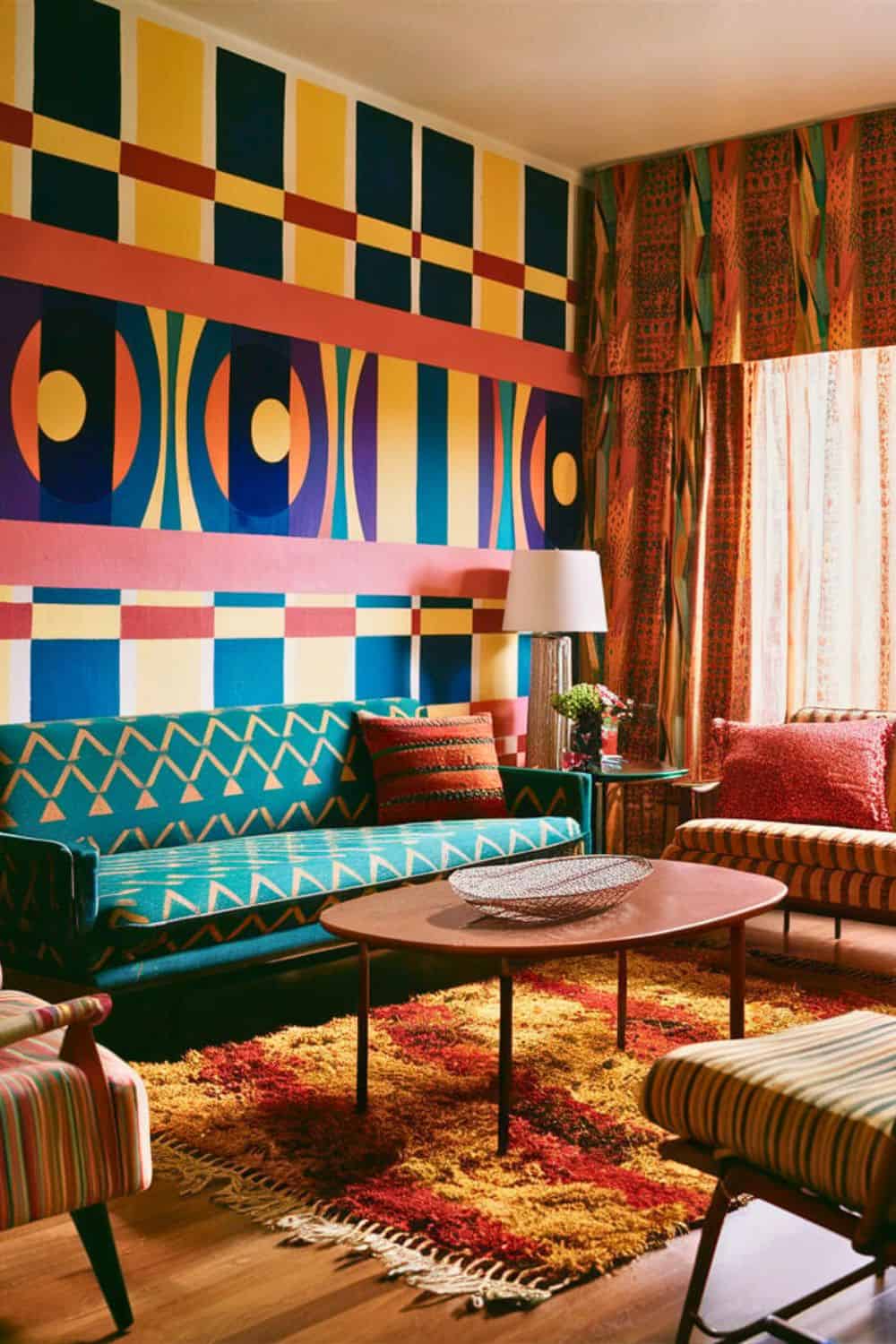
Reflecting on sixties living room concepts, it’s clear why they continue to be sought after. The vivid designs and sumptuous materials from that era perfectly help you craft an animated and inviting environment.
Geometric motifs, abstract artwork, and playful floral prints were staples, often appearing in strong, opposing shades that immediately catch the eye. Such patterns banish dullness and invigorate any area.
To introduce a sixties vibe into your living room, begin with wallpaper. Select options displaying grand, striking patterns with deep colors.
Following that, integrate different textures using furniture and accents. Think soft shag carpets, elegant velvet sofas, and carefully placed wood paneling.
These components not only offer complexity and appeal, but also provide the room with a comfortable, welcoming ambiance.
4. Technological Innovations
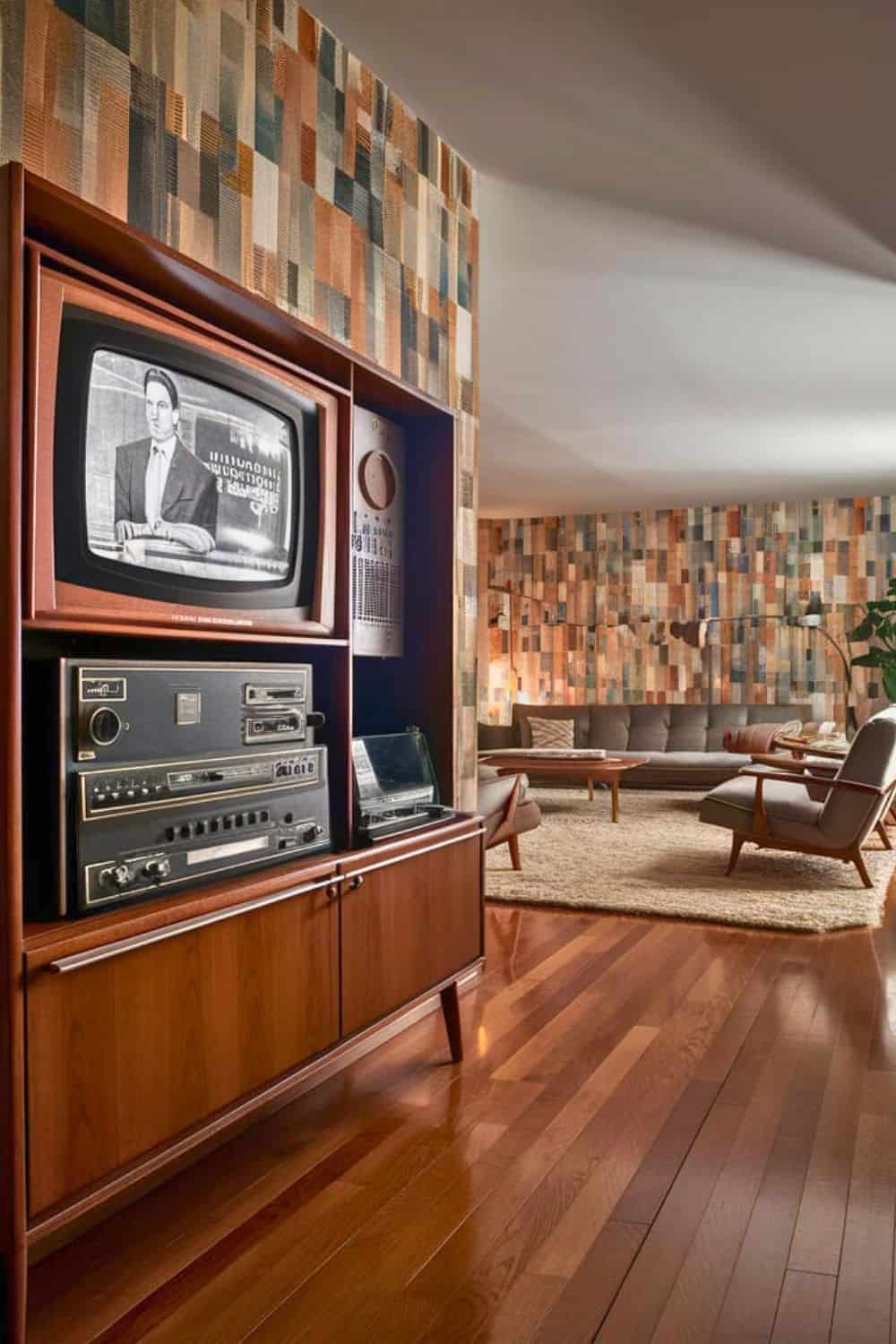
Giving your living room a fresh look by embracing the technological advances of the sixties is both thrilling and achievable. That decade marked a fantastic period for merging technology and fashion, making it a wonderful source of ideas for today’s interior design lovers.
Start by concentrating on a central item, such as an old fashioned television, ideally housed within a vintage wooden console. This becomes more than just a useful device; it’s also a great way to spark conversations.
Next, think about adding a hi fi music system or a contemporary record player to evoke that passion for sound and enjoyment. These additions bring an element of genuine character while also meeting your audio preferences.
To finish, uphold the visual attractiveness by selecting polished, period specific furnishings and decorations.
5. Coffee Tables
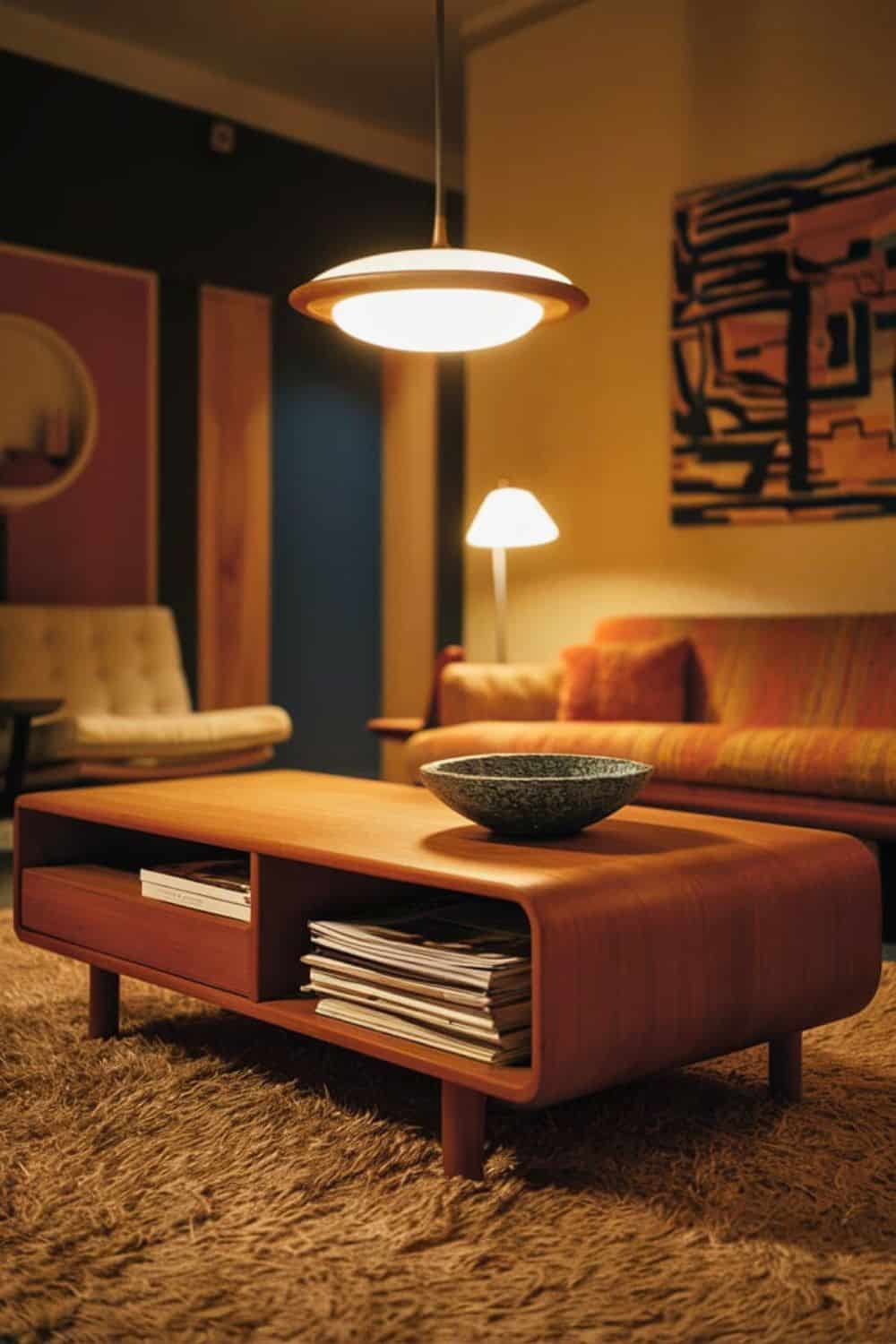
The concept of incorporating coffee tables inspired by the sixties into your living area is both fashionable and enduring. These tables are more than just useful objects; they are key to the visual charm of any space.
Their low set structure and neat contours ensure they become a prominent detail. Substances such as teak and walnut introduce a comforting and organic element, while glass provides a polished, contemporary flourish.
To embrace this particular style, start by choosing a table with very simple lines. Seek one that includes integrated storage to maintain an organized surface.
Then match it with mid century modern couches and decorative accents to finish the overall design.
6. Floor and Ceiling Treatments
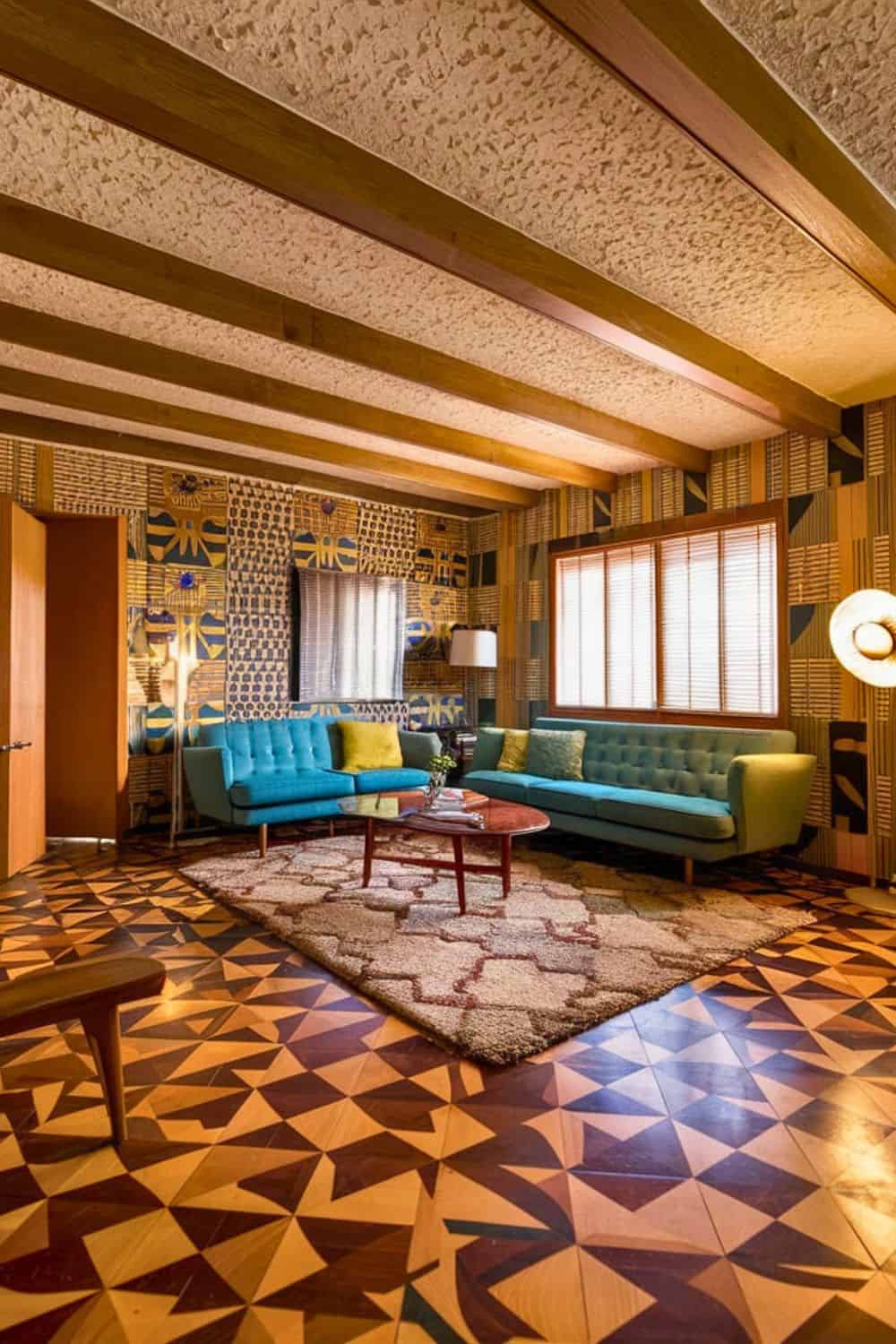
The unique floor and overhead designs of the sixties brought a vibrant appeal to living rooms, making them both more captivating and fashionable. Common preferences for flooring included parquet and vinyl, frequently arranged in striking geometric configurations.
Parquet offers a traditional wood appearance that is both resilient and simple to care for, while vinyl presents adaptability in its aesthetic and economic accessibility.
To accomplish this particular style, consider arranging vinyl tiles in a checkerboard layout or utilizing parquet for a perpetually classic herringbone motif. Ceilings also received distinct attention, featuring ornamental beams and textured surfaces such as popcorn or spiral designs.
These components imparted a feeling of spaciousness and distinctiveness to the area. To introduce this concept nowadays, install artificial beams for an old world feel or opt for textured paint to add a hint of retro charm.
7. Functional Spaces
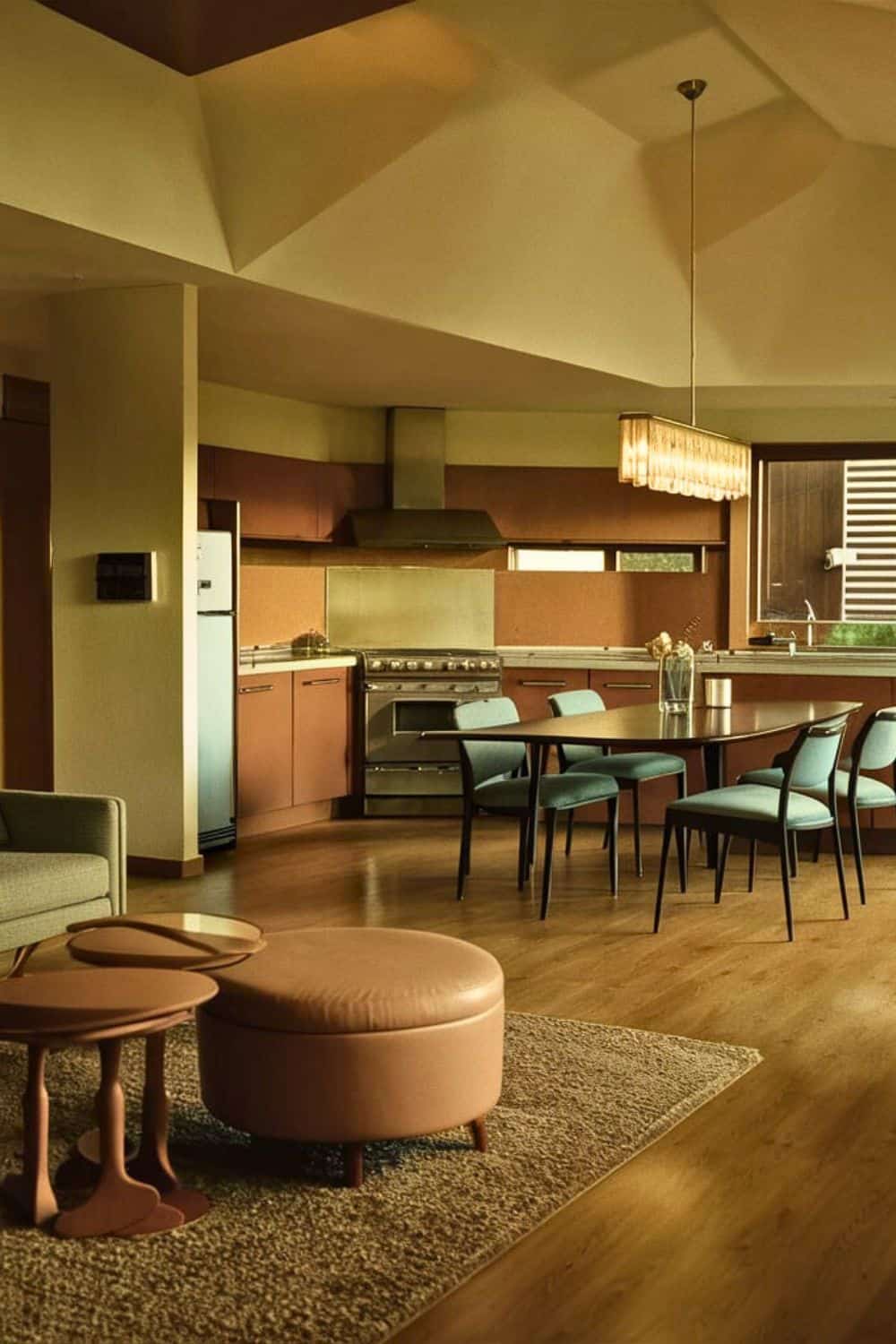
Bringing sixties living room concepts into your contemporary house offers both usefulness and elegance. This period highlighted open floor plans, which fostered an effortless transition among the living room, eating space, and kitchen.
The main aim was to build a flexible and adaptable environment.
To accomplish this style, start by choosing versatile furniture. Stacking tables are an excellent illustration; you can easily store them when they are not needed.
Storage footrests represent another crucial item. They offer seating, storage, and a hint of refined taste.
Favor furnishings with neat outlines and simple designs to preserve the genuine feel. Embrace expansive areas by reducing walls and using floor coverings or furniture setups to designate distinct sections.
8. Iconic Seating
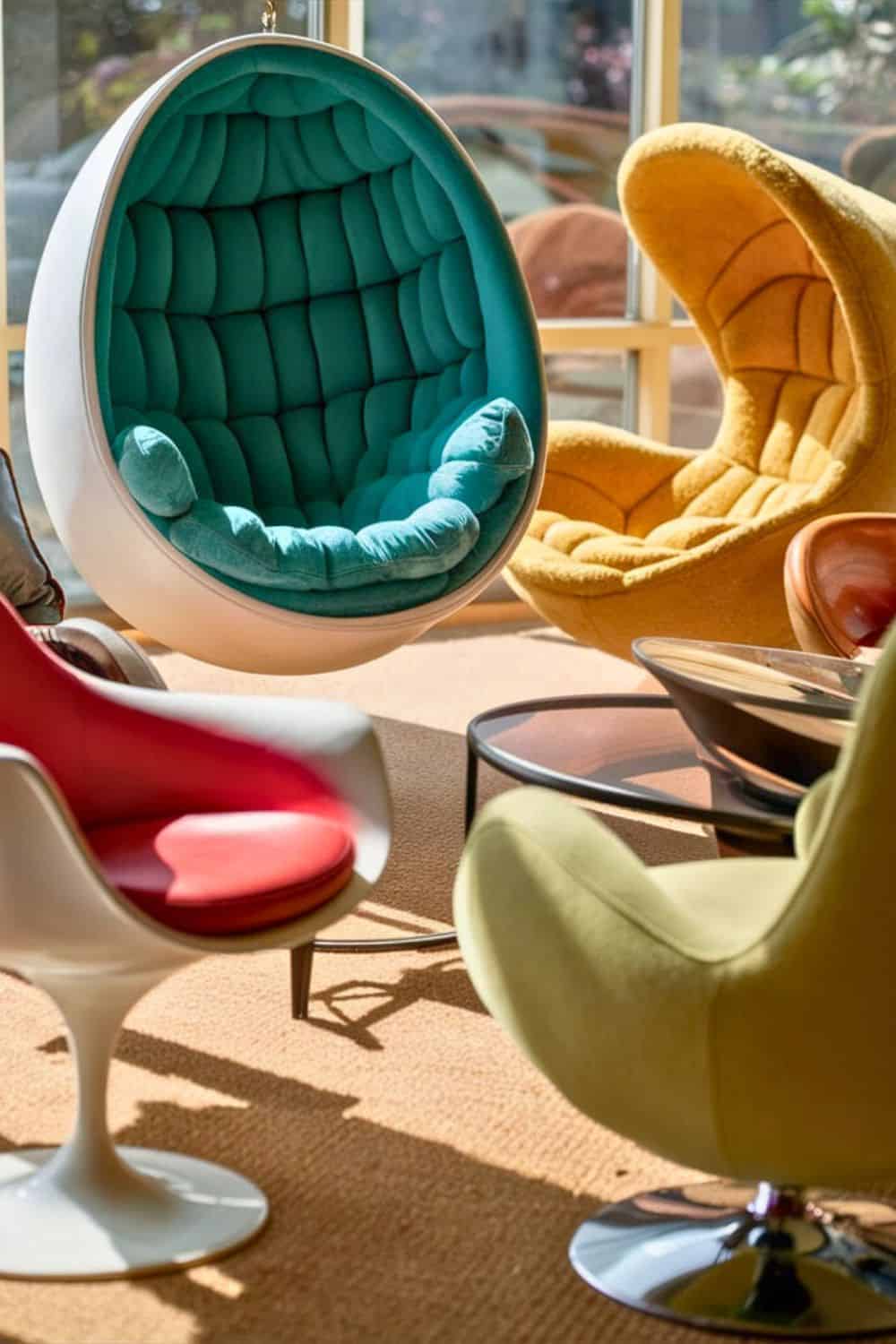
Famous seating designs from the sixties are experiencing a major revival, and with valid reason. These particular items, like the egg chair, tulip chair, and womb chair, not only perfectly represent a distinct fusion of elegance and ease but also act as discussion points in any living area.
Fashioned from substances such as formed plastic and glass fiber, they introduce a sense of vintage futurism that is irresistibly appealing.
To integrate these enduring styles into your own space, start by choosing a chair boasting a strong form and vivid hue that enhances your current decorations. Following that, consider the construction materials; look for items that combine various finishes for a richer tactile encounter.
To conclude, place the chair in a location where it can truly stand out as a central feature, improving both its utility and visual charm.
9. Statement Rugs
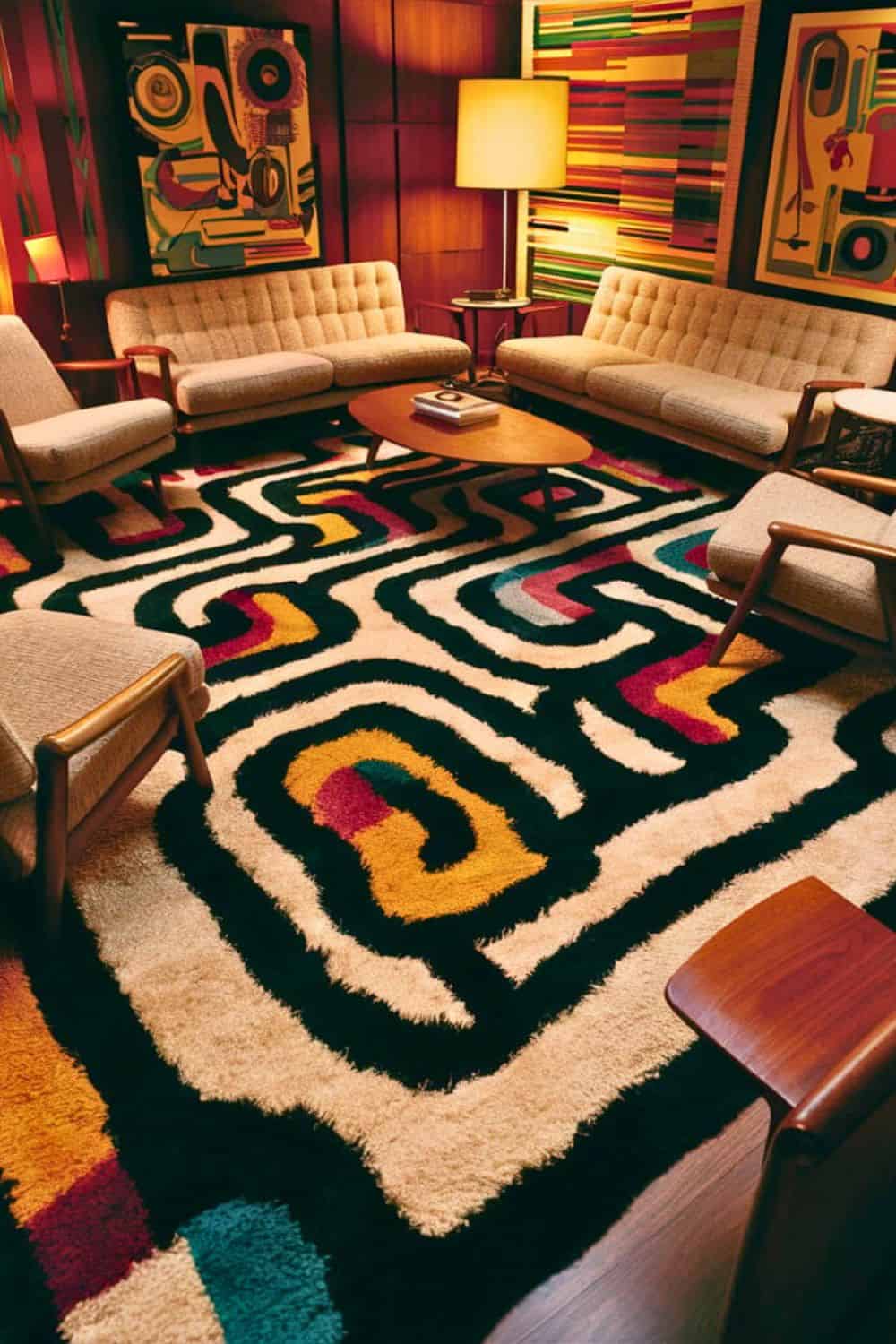
Among the most memorable characteristics of a sixties living room was the accent rug. These floor coverings were far from subtle, showcasing strong, visual designs and lush shag fibers as their main attraction.
Placing such an eye catching rug was a definite method to bring both ease and elegance into your space. The carpet would frequently become the room’s main highlight, effortlessly uniting all other decorative aspects while providing coziness to the flooring.
Including a striking rug can improve any living room, offering a burst of vintage charm that feels both inviting and refined.
To obtain this effect, begin by choosing a rug featuring bright colors and patterns that echo the 1960s period. Position the rug prominently within the space and arrange your furniture around it to emphasize its visual appeal.
10. Color Palette
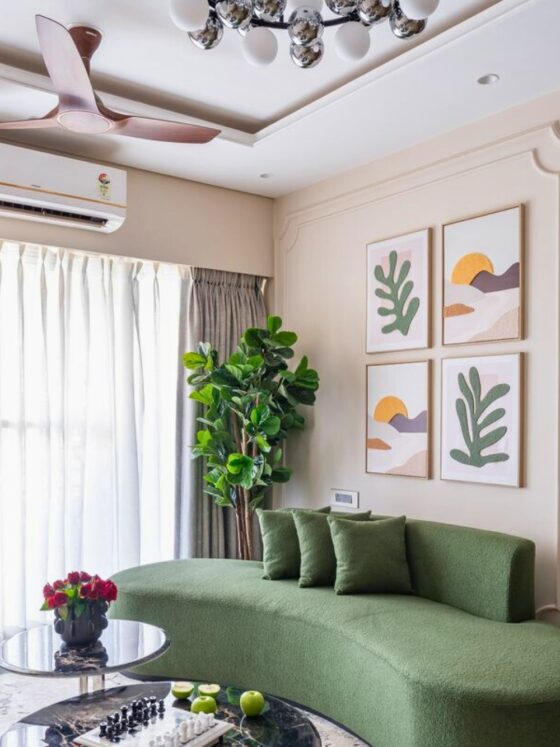
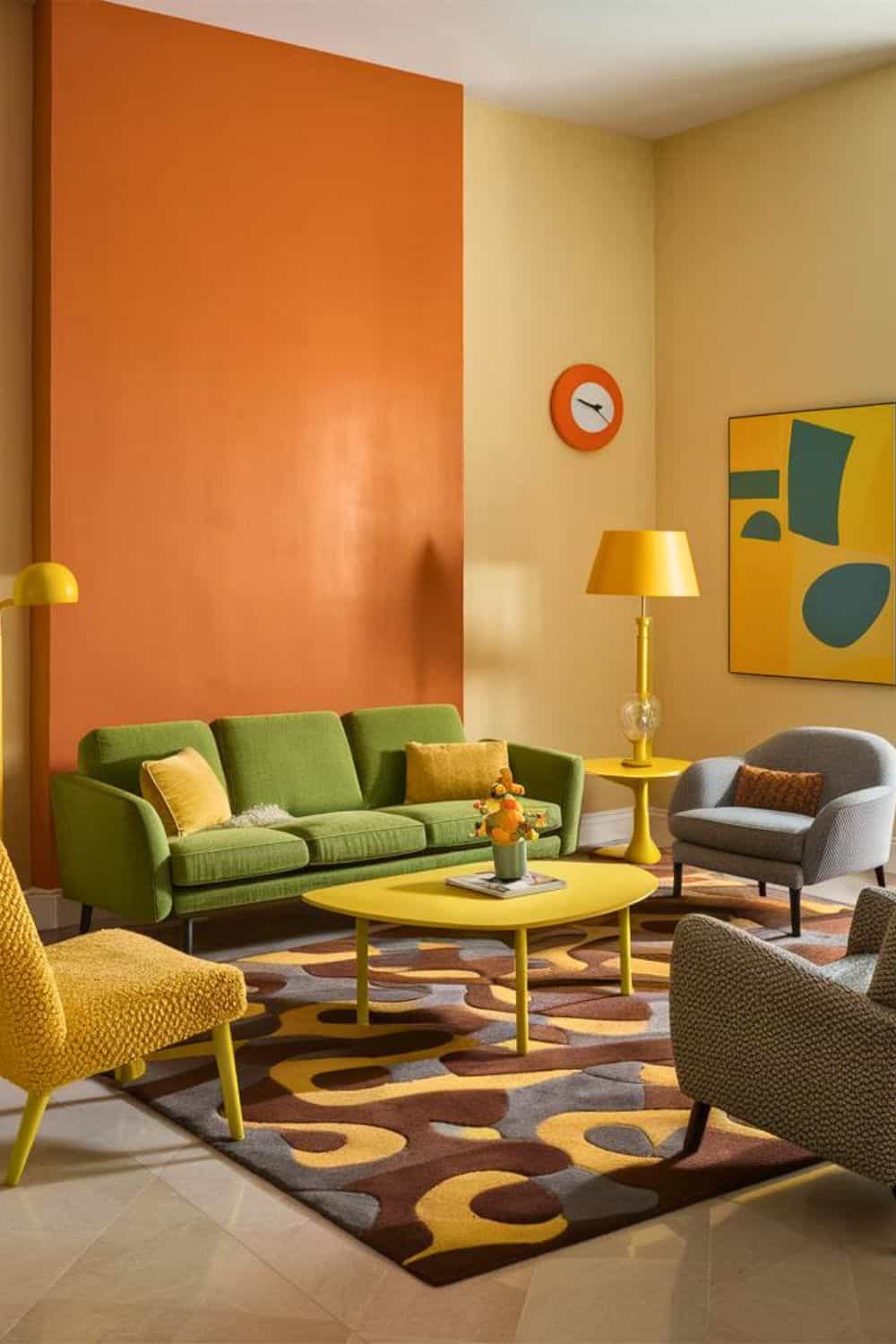
The color schemes of the sixties aimed to truly stand out. Brilliant oranges, cheerful yellows, and fresh greens were everywhere, building a vivid and lively mood.
These strong hues were skillfully paired with calmer shades, such as warm browns and cool grays. This kept the space vibrant but also serene.
Feature walls painted in these bright colors grabbed attention, bringing individual character and style into any room.
This look perfectly captures the spirit of that time: an adventurous, innovative period celebrating personal style and self expression. The mix of vibrant and calm shades creates an ideal balance, making your rooms feel both energetic and inviting.
To get this effect, pick a strong color for a statement wall, maybe a cheerful yellow or a rich orange. Then, combine it with understated furnishings and decor in colors like brown or gray.
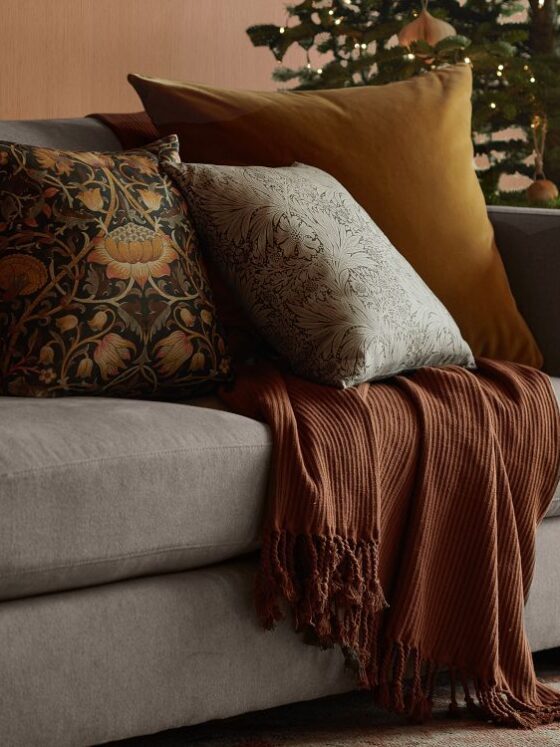
To complete your 60s inspired living room, incorporate lively cushions, area rugs, and art pieces.
11. Art and Decor
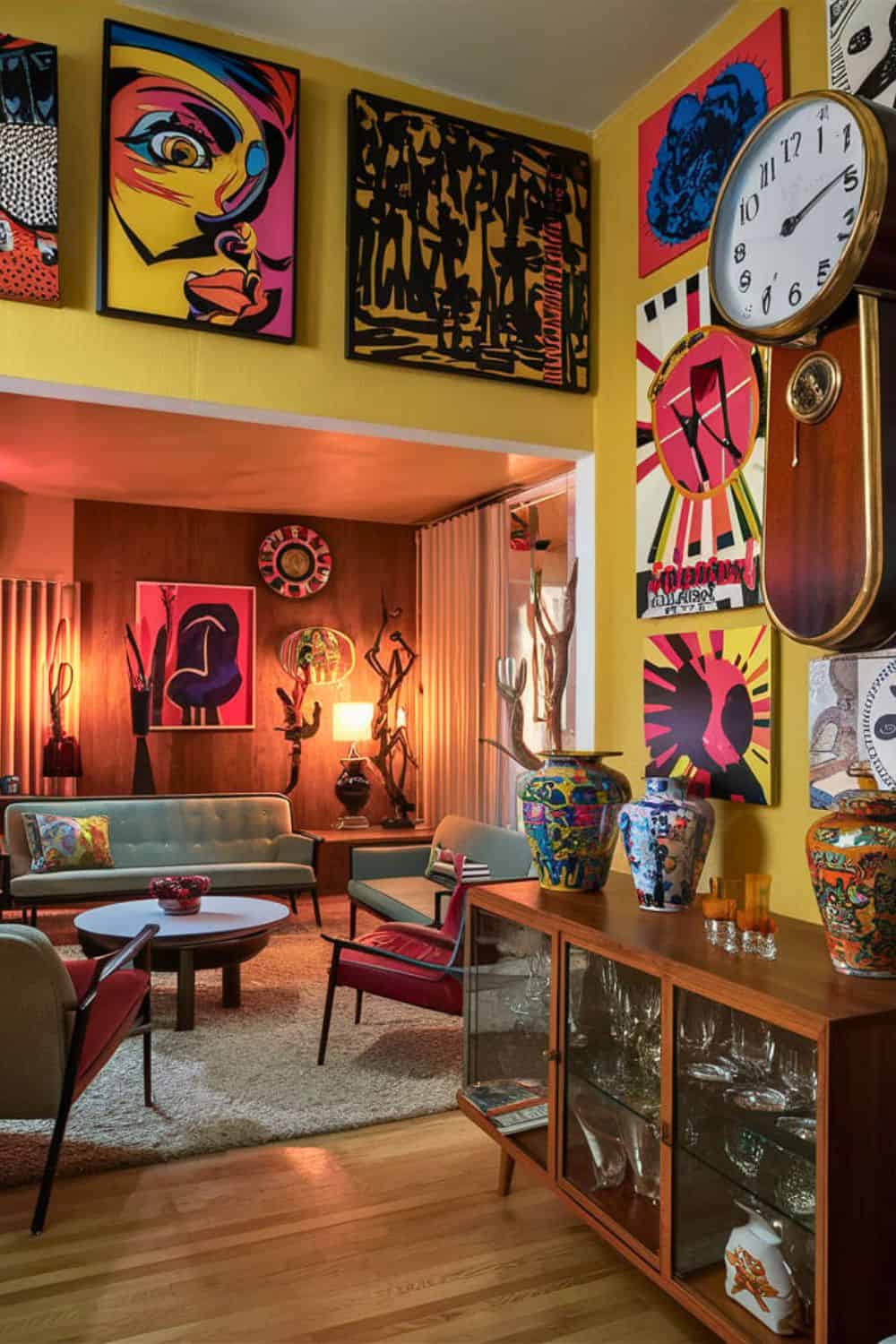
Sixties living room decor revolves around the decade’s lively and diverse artistic expressions. Pop art, recognized for its brilliant shades and whimsical subjects, was crucial in giving living areas an active and distinct feel.
Abstract artworks and sculptures contributed an additional dimension of imagination and personal flair. Elegant ceramic containers, glass items, and timepieces on the wall acted as fashionable yet practical decorative components.
To create this aesthetic, begin by choosing a few significant pop art items that truly speak to you. Hang abstract paintings to establish visual anchors.
Also place old fashioned ceramic vases and various glass pieces on your shelves or coffee tables. Adding a retro wall clock would finalize the appearance.
12. Plants and Greenery
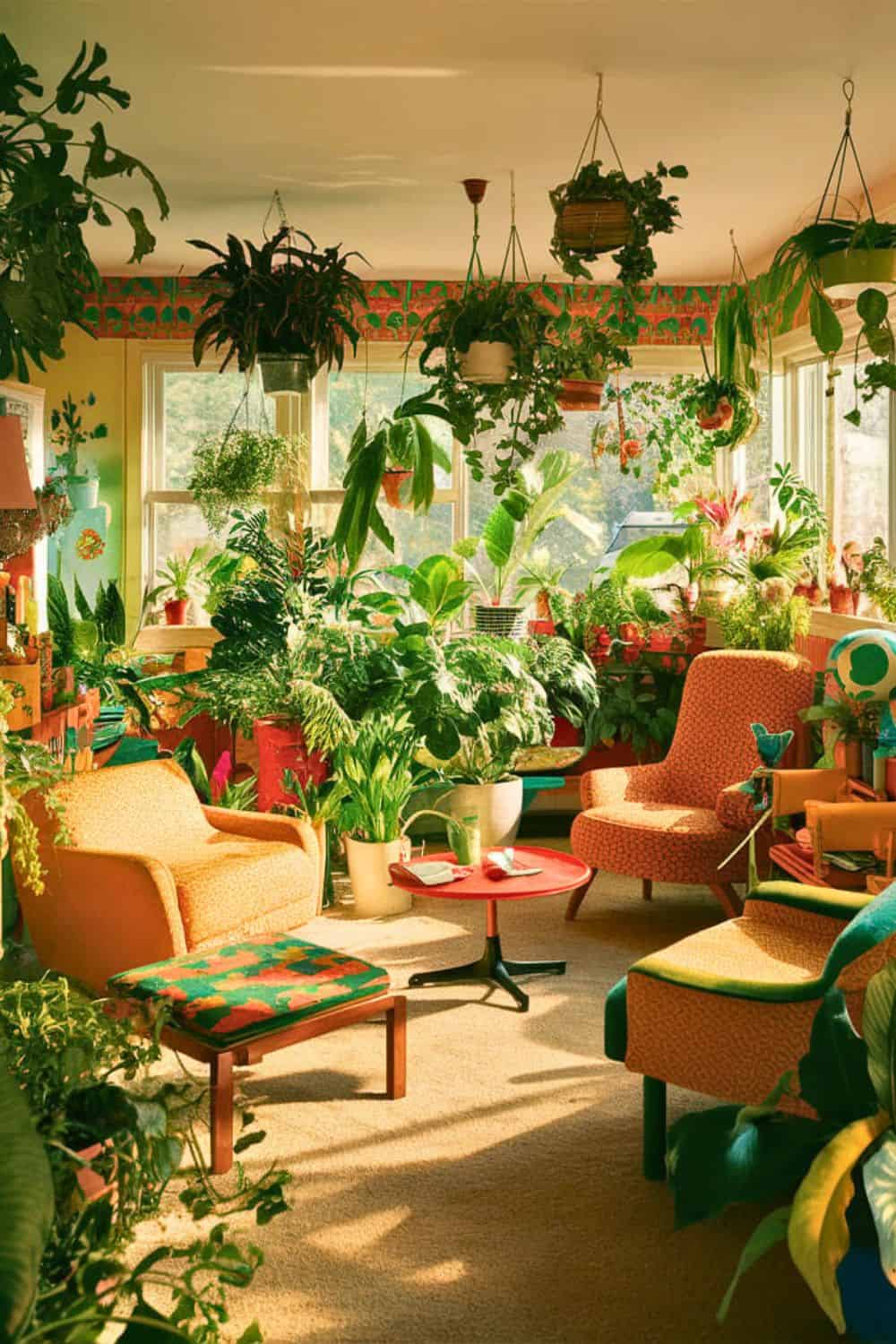
A striking design preference from the sixties involved incorporating vegetation and foliage into your living areas. This inclination wasn’t merely for appearance; it converted rooms into more welcoming and peaceful environments.
The rich verdure of plants in pots, suspended containers, and interior trees introduced invigorating air into residences, forging a balance between the natural world and contemporary existence.
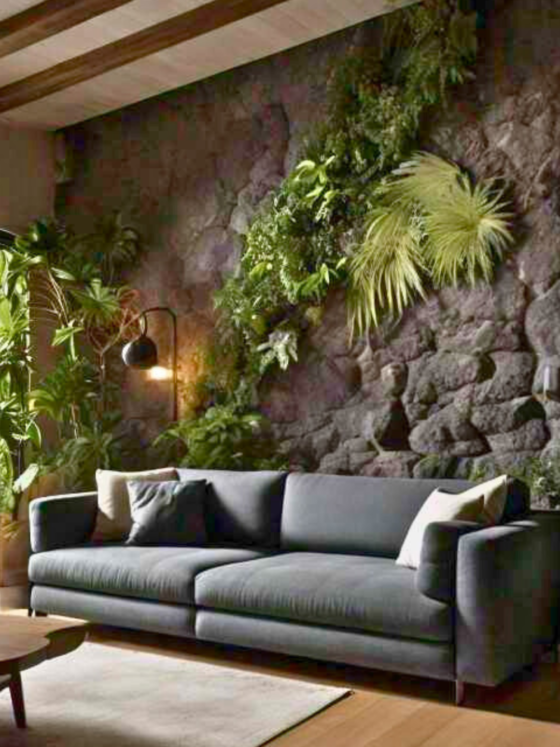
To execute this concept, begin by picking various plants that flourish indoors, such as ferns, spider plants, and rubber plants. Position them thoughtfully in different sections of your living room—every nook, window ledge, or even hanging from the ceiling in graceful planters.
13. Furniture Design
The living room aesthetic of the 1960s deeply embraced mid century modern furniture, celebrated for its straightforward forms and useful structure. Prominent figures like Eames, Knoll, and Saarinen championed this movement, crafting creations that are still admired.
Preferred materials included organic choices such as rich wood and soft leather, which gave the area a welcoming and comforting atmosphere. These items balanced visual appeal and practical use, ensuring your living room was not just lovely, but also pleasant and functional.
The method from this period blended refined beauty with smart construction.
To recreate this signature look, begin by choosing furnishings that feature crisp lines and subtle bends. Lean towards wood and leather elements to introduce a genuine, earthy character.
Keep your layout minimal and open, reflecting the room’s practical yet fashionable core. Lastly, incorporate some famous designs from celebrated artists to truly embody the feel of sixties living rooms.