Your Ultimate Guide to Wood in Bathrooms
Thinking about bringing the warmth of wood into your bathroom? You’re not alone. This natural material is showing up in the most stylish spaces, offering a touch of organic luxury.
But before you dive in, there’s a lot to consider. Here’s everything you need to know to make wood work beautifully in one of the most demanding rooms in the house.
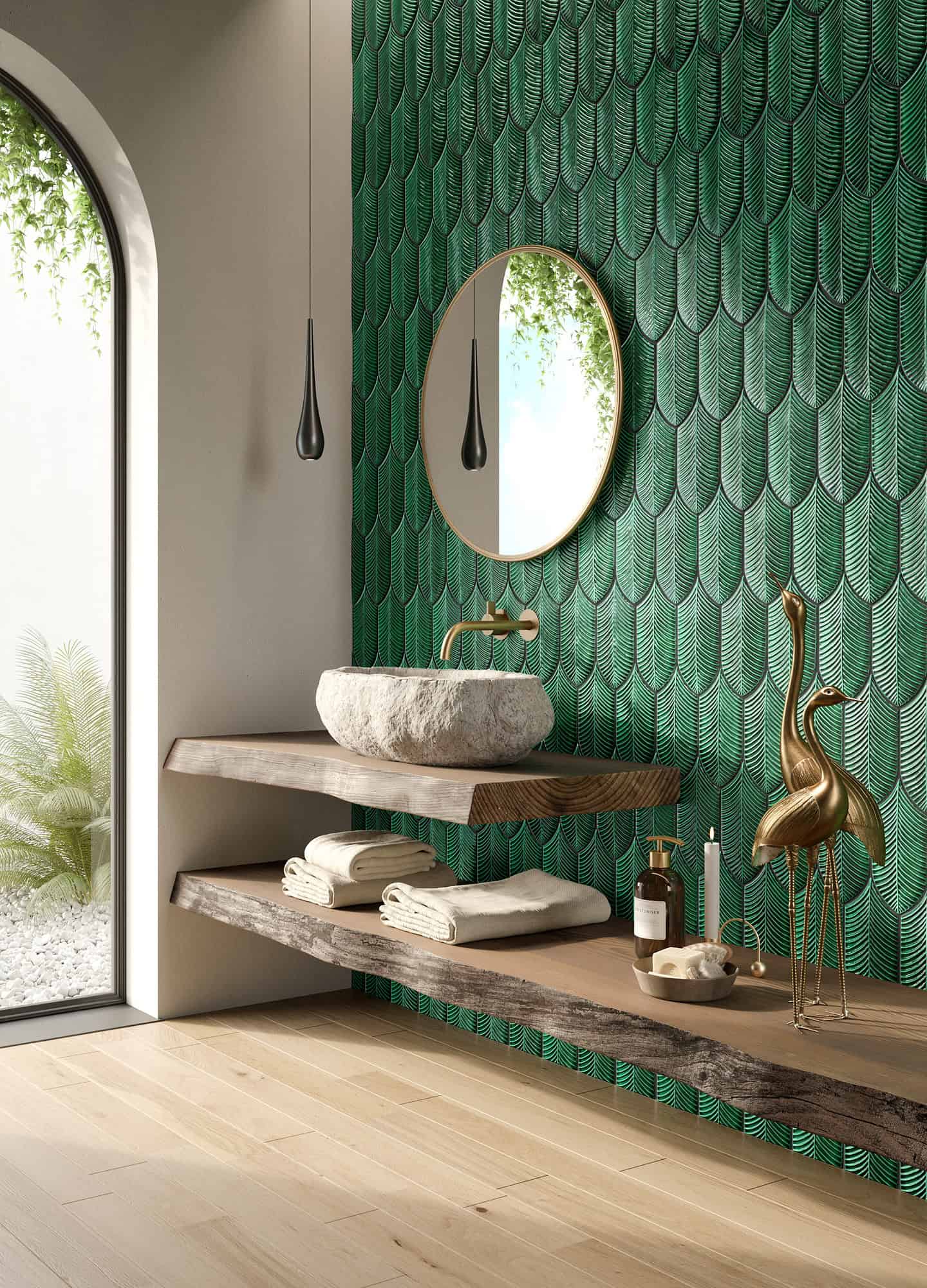
Lately, home decor and design magazines are filled with the stunning beauty of solid wood countertops beneath bathroom sinks. Finding these shelves or tops isn’t always easy at a typical plumbing supply store.
Often, your specific vision for the finish or your non-standard dimensions requires a custom approach. This is where furniture makers can step in to create exactly what you want from solid wood.
If budget is a concern but a high-end finish is non-negotiable, exploring online suppliers is a smart move. They offer a range of options, including visually thickened countertops, matching mirrors, and free-hanging wall shelves perfect for your accessories.
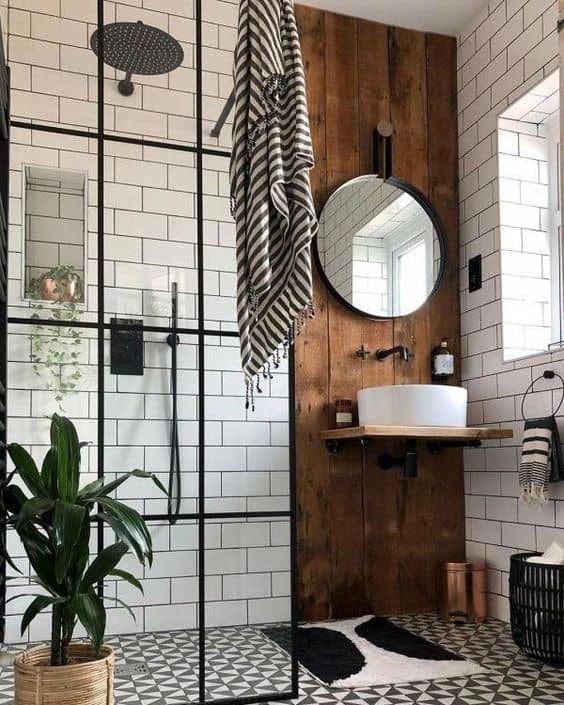
It’s no secret that wood reacts to water and moisture, yet it’s becoming a popular choice for bathrooms. This isn’t as strange as it sounds, considering wood has been a staple on ships for centuries.
Wood is a living material, which makes it fundamentally different from most other materials used in wet environments. In a bathroom, it might come into direct contact with water as a sink tile, a shower grate, or flooring.
It can also be used for paneling and furniture. To ensure wood thrives in the humid bathroom atmosphere, a few key points are crucial.
Opting for rot-free wood is the most reliable, though also the most expensive, way to prevent deterioration. Teak is the most famous example, but there are excellent alternatives like iroko, merbau, ipé, jatoba, and sipo.
If left untreated, these woods will naturally grey over time due to light exposure. Applying an oil, such as teak oil, prevents this aging process and leaves the wood feeling smooth and silky.
A less natural but effective method is to varnish the wood. You can use rot-free wood without any treatment for shower decking, a platform for a sink, a vanity unit, or even a seat.
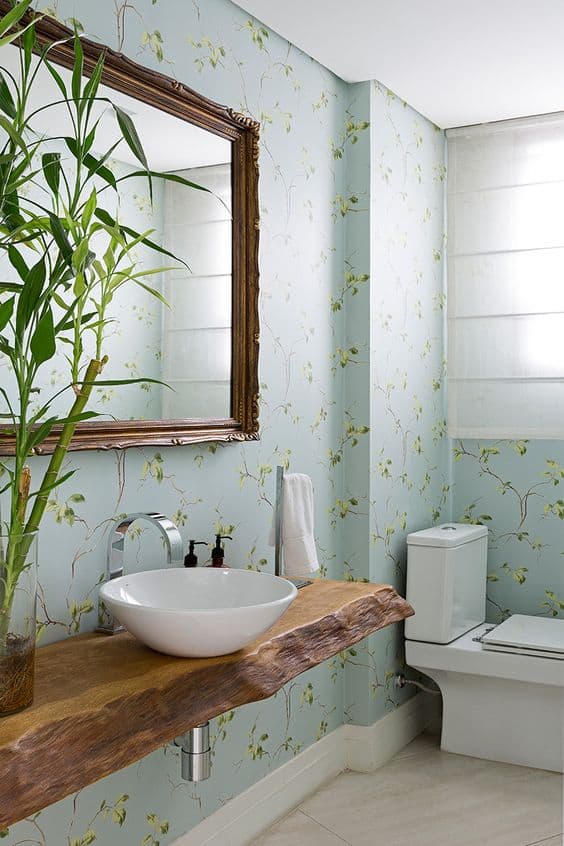
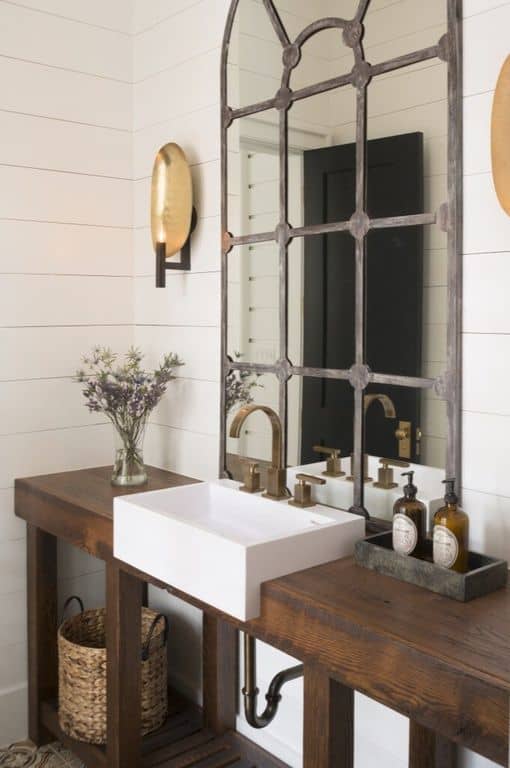
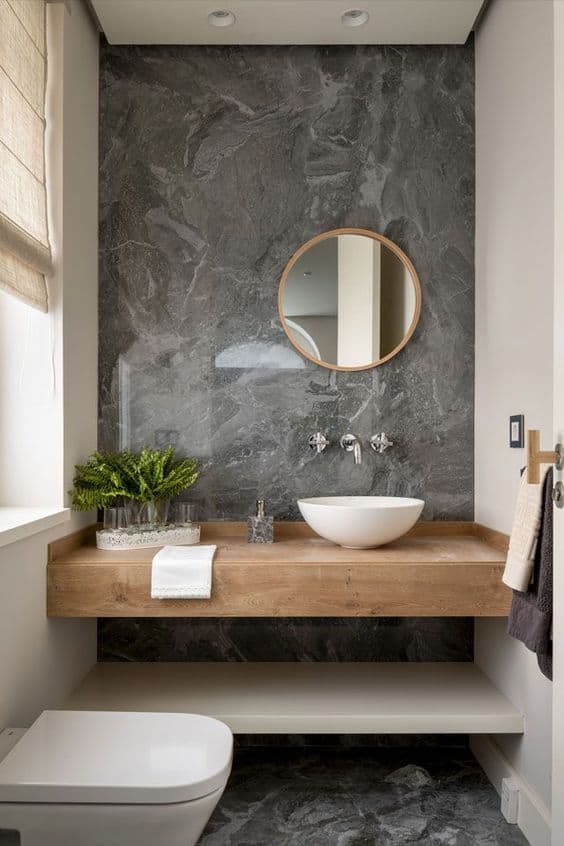
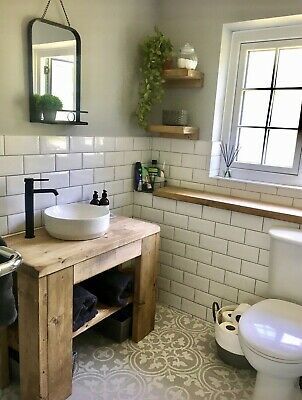
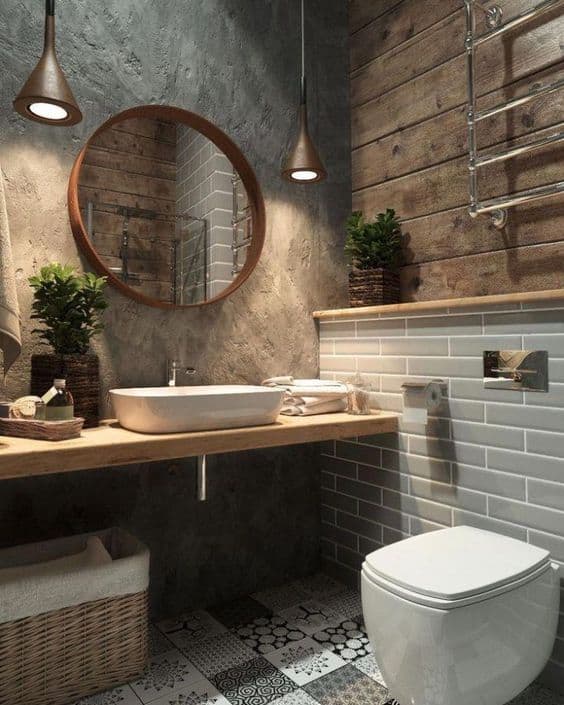
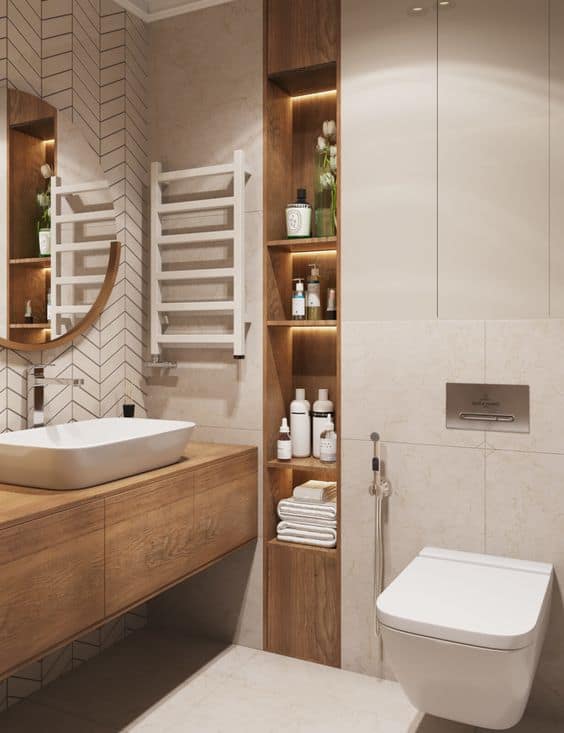
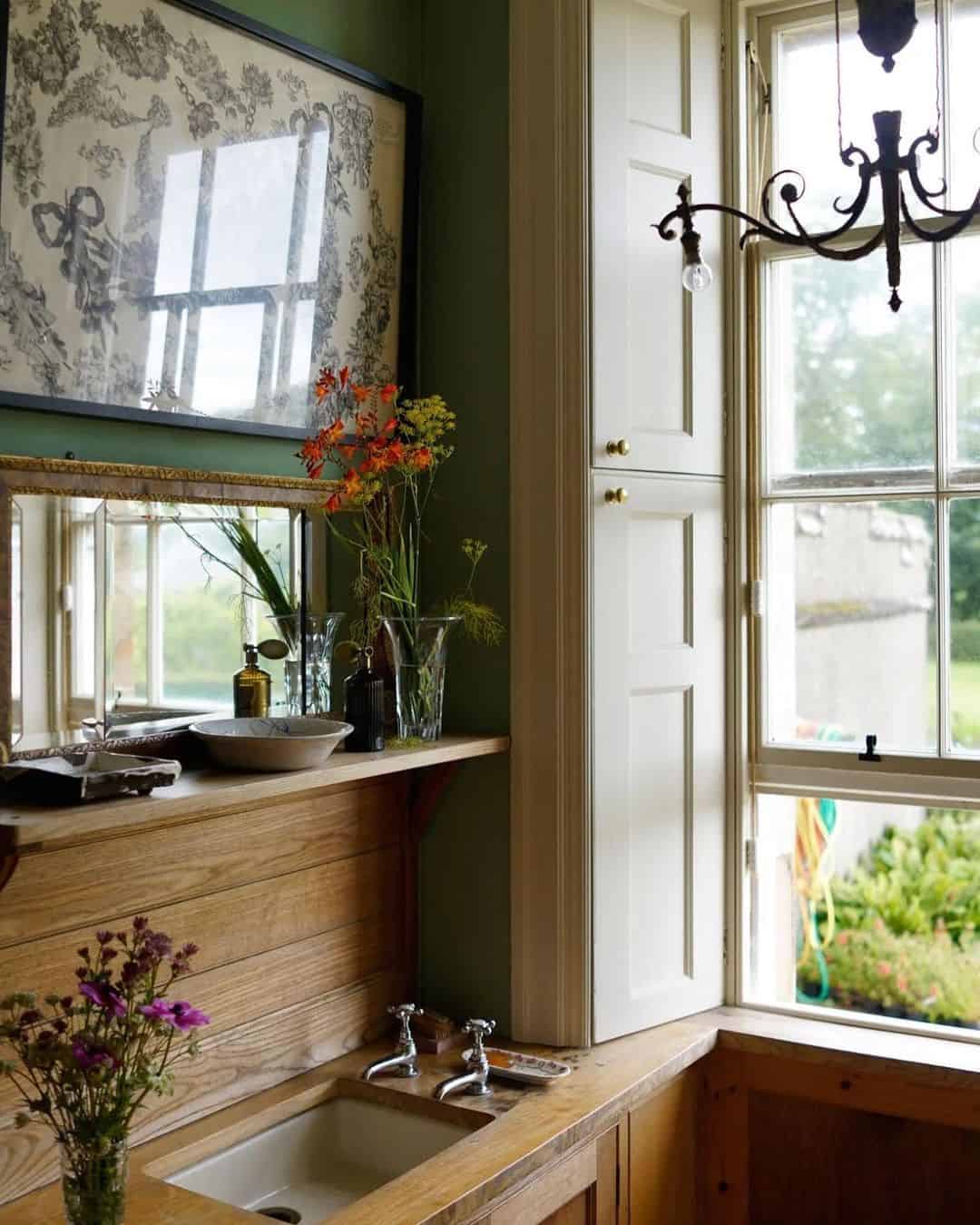
Wood that isn’t naturally rot-free will swell and change shape when it comes into contact with water. Because of this, it demands protection.
A very strong polyurethane varnish is highly recommended for these situations. The varnish application must be meticulous to make the wood completely waterproof.
It’s essential to varnish every side of the wood before it gets installed. While these varnishes can last for up to a decade, the wood will remain susceptible to scratches and impacts.
For this reason, varnished wood isn’t the best choice for a busy family bathroom with intensive use. A few practical tips can help.
No matter the wood type you choose, always prevent water from pooling and encourage it to drain away. Water inevitably collects around the outer edge of a built-in bathroom sink.
You can solve this problem by undermounting the sink beneath the countertop. Finally, good ventilation is more critical than ever.
Whether oiled or varnished, wood can handle getting a little wet, but it cannot tolerate staying constantly damp.