20+ Beautiful Grey Kitchen Cabinet Styles to Consider
Grey cabinets make a kitchen feel contemporary while keeping it functional. They work across a range of kitchen layouts.
Grey cabinets are growing in popularity because they respond to practical kitchen needs. They are versatile and durable.
Grey cabinetry creates a neutral foundation in both compact and spacious layouts. It can support modern or classic styles.
Grey cabinet styles include finishes from matte charcoal to soft dove. Multiple finishes are available for grey cabinets.
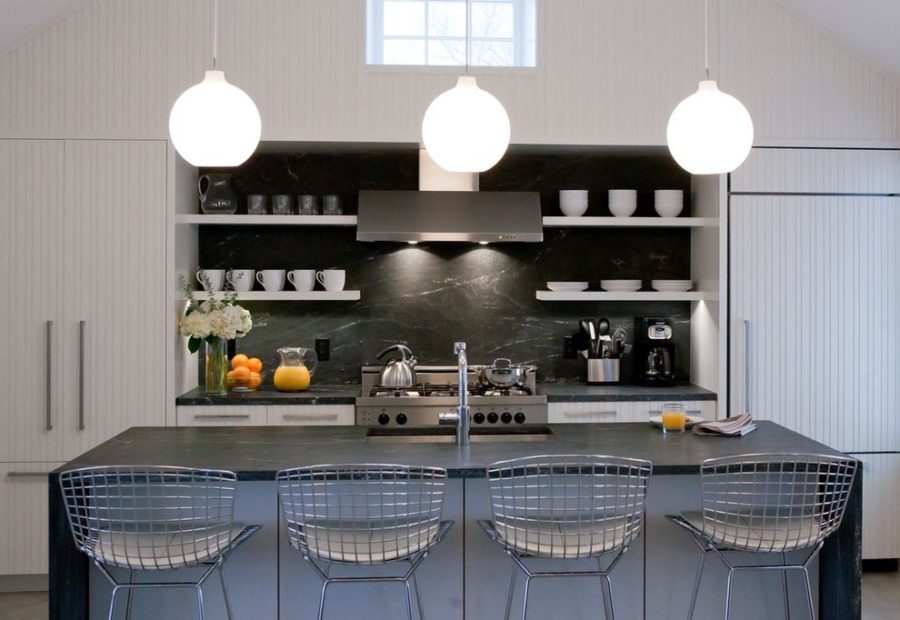
Grey Cabinetry with Marble

Marble can appear on the countertop or backsplash, where its veining remains visible against grey cabinetry. The pairing adds a marble accent without creating visual overload.
Marble introduces organic texture beside solid cabinet fronts. For light grey cabinetry, choose subtle white marble; dark grey cabinetry can take bold veining or smoky marble. Carrara, Calacatta, and honed marble are all options.
The grey and marble combination supports both neutral and upscale kitchen design. It works in traditional kitchens as well as contemporary kitchens.
Matte or satin cabinetry keeps the marble sheen from competing with the cabinets. Place the marble up the wall or continue it over a waterfall island. Extended marble then ties the surfaces together.
A grey and marble pairing offers easy maintenance, longevity, and timeless appeal. Kitchen design sources attribute its popularity to these qualities.
The grey and marble pairing supports practical use while balancing texture and color. It also provides a clean finish.
Grey Cabinets and Wood Shelves
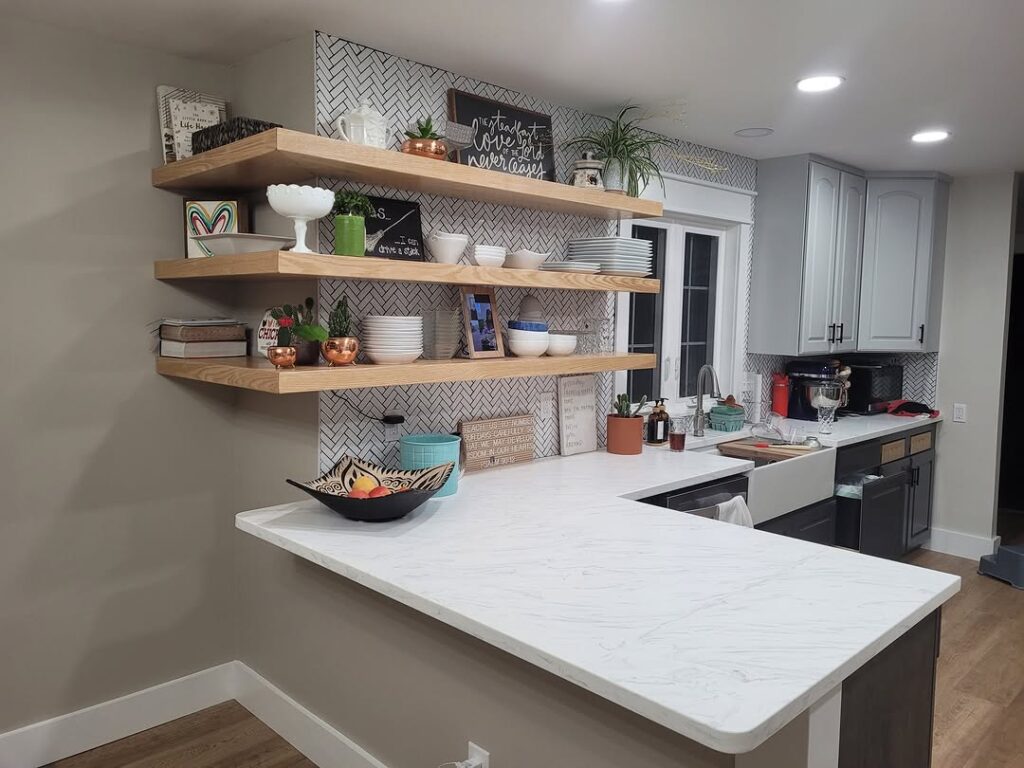
Above the grey cabinets, wood floating shelves add storage and warmth. Oak and ash are options, with light or medium wood tones.
Wood and matte grey suit kitchens with limited natural light. Open shelves can hold display dishes and display accents, while they break up the upper cabinetry arranged in long rows.
Wood shelving exposes the backsplash, allowing customization through tile texture or wall finish. It suits both Shaker fronts and flat fronts.
Transitional style suits grey with wood. The same pairing also works for Scandinavian and farmhouse rooms, while floating shelves provide flexible storage.
Open shelving supports the grey and wood combination, which appeals to earthy palettes.
Two-Tone Graphite Island
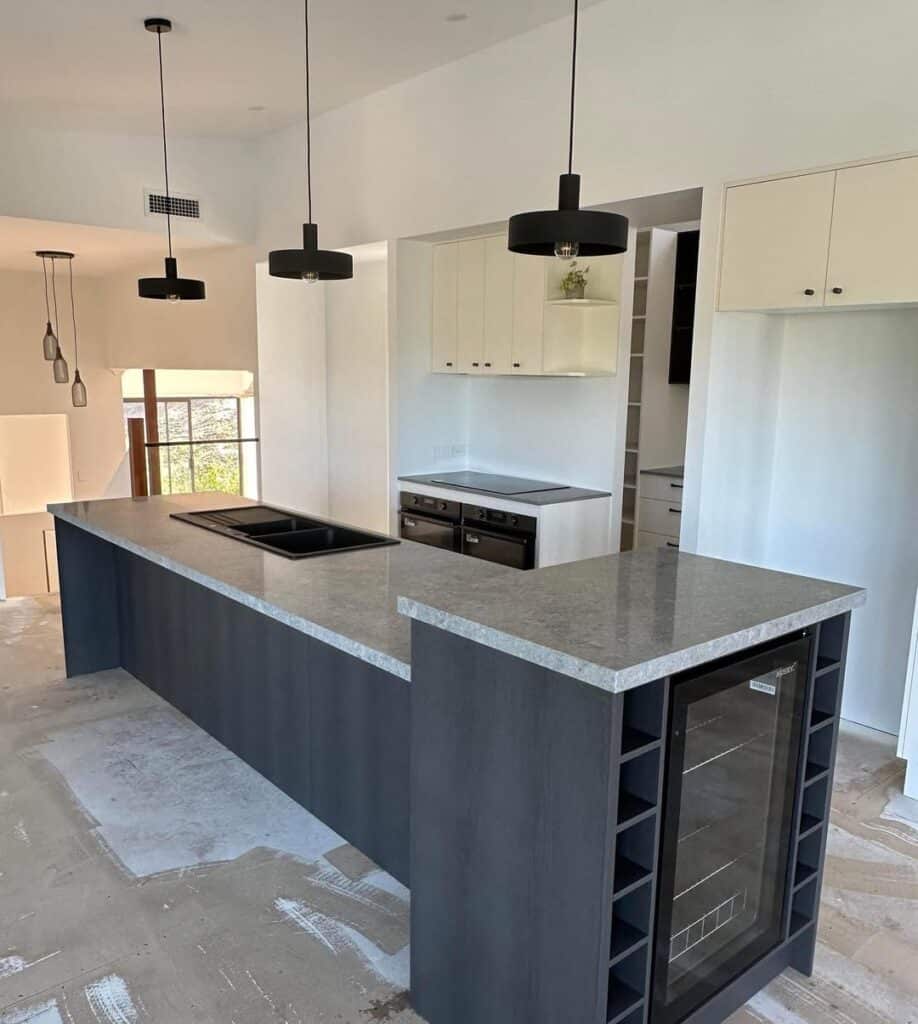
A grey kitchen gets more depth from a two-tone island. The graphite island contrasts with the grey cabinetry and adds visual contrast to the design.
The grey cabinetry is lighter than the graphite island, so the island stands out visually. This darker center anchors the layout and provides visual grounding. Together, the grey and graphite colors create variety while maintaining cohesion.
In an open-concept space, a two-tone island can separate the cooking zone from the living zone. The island serves as both a work zone and a visual divider. Matte or satin cabinet finishes reduce harsh reflections, allowing the color difference to carry more of the visual emphasis.
Busy households can benefit from graphite because it hides high-use marks and scuffs better. Grey cabinetry helps maintain brightness, while graphite conceals marks better than lighter shades.
Brass lighting, stone countertops, and wood stools all complement the grey and graphite palette. This combination suits upscale kitchens and is a frequent feature in remodels.
The grey and graphite island has a polished, high-end look without becoming visually overwhelming. Its two colors provide the main visual impact.
Grey and White Two-Tone Cabinets
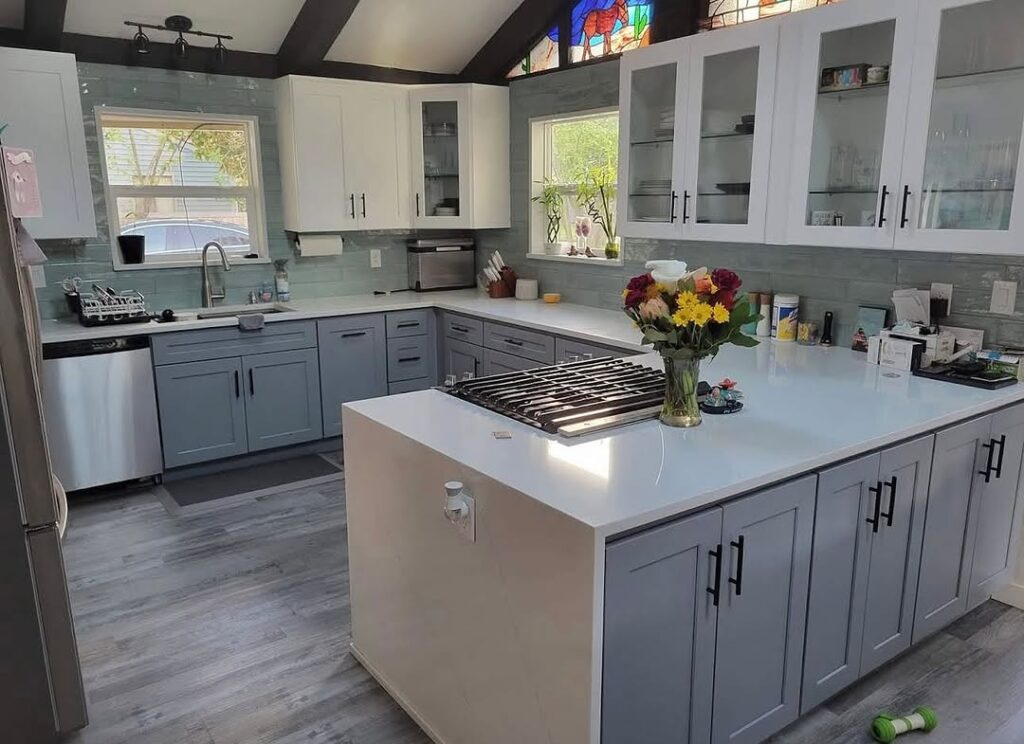
Grey and white cabinetry creates both an open layout and a structured layout. The two tones organize the kitchen without relying on a single cabinet color.
White upper cabinets reflect light and add definition to grey lower cabinets. The contrast works especially well in galley kitchens and U-shaped kitchens.
Matte, satin, or semi-gloss finishes give grey-white cabinetry a modern, clean appearance. This combination avoids the look of an entirely white kitchen.
Cabinet hardware can be brushed nickel or matte black, giving the cabinetry color contrast and linking the two cabinet tones. White upper cabinets give the space a visual lift. Grey base units conceal everyday wear.
Grey-white cabinetry has the flexibility to suit farmhouse, transitional, and coastal kitchens.
This cabinet pairing supports function and brightness while adapting to changing trends.
Grey Cabinets With Brass Hardware
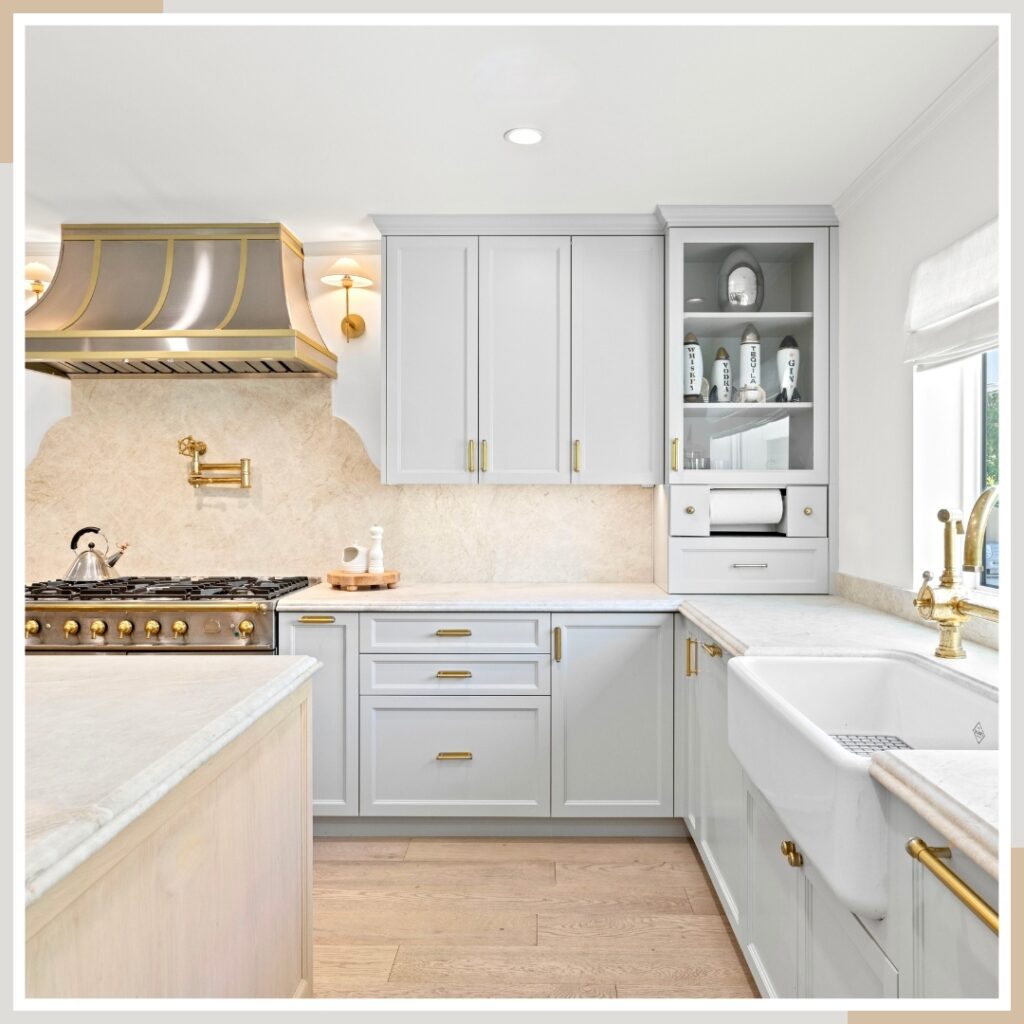
Brass hardware pairs with grey cabinets and adds warmth. Brushed or aged brass are finish options.
Brass hardware suits deep charcoal cabinets as well as pale dove cabinets. The same hardware can work across both grey shades.
Knobs, pulls, and handles are options for brass hardware. Brass suits transitional kitchens and classic kitchens.
Cabinet hardware is an easy upgrade. Brass hardware supports subtle contrast.
Match the hardware tone to the faucet or pendant lighting. The related finish pairs especially well with shaker cabinets in matte grey.
Grey cabinets with brass hardware support minimal-change upgrades. Changing the hardware can update the kitchen without altering the cabinets.
Grey kitchen hardware includes different metal finishes. The grey and brass pairing has timeless appeal.
Grey Kitchens with Yellow Accents

Yellow accents are paired with grey cabinets. The grey-yellow palette avoids excess and supports a controlled color scheme.
In selective locations, yellow can appear on bar stools, pendant lights, window treatments, or a painted backsplash. Light dove and dark slate base cabinets suit yellow, with the grey cabinetry acting as a neutral backdrop.
Good natural light works especially well with the grey-yellow combination and makes yellow appear more radiant. Yellow energizes the kitchen, while grey remains grounding.
Flat-panel and shaker are the two cabinet styles, while e20 pairs with the grey cabinets. Yellow accents should avoid bright lemon because it risks a jarring contrast. Muted mustard or goldenrod is preferred, with minimal hardware and fixtures in matte-finished black or brushed steel.
The grey-yellow palette attracts design-forward renovators and younger homeowners. It retains structure while supporting personality.
This palette suits both urban homes and suburban homes while maintaining cohesion. Grey cabinets paired with yellow touches also provide an alternative to classic monochrome.
Grey Cabinets with Open Wood Shelves

Open wood shelving is supported by grey base cabinetry. The grey base cabinetry reduces visual clutter, while the arrangement supports function.
Above the grey base cabinetry, natural wood shelves store dishes, mugs, and small plants. The open shelves retain upper storage and keep these items within reach.
Wood shelving brings organic warmth to the kitchen. Light oak, birch, and reclaimed wood are options, and they work with grey base cabinets in mid-tone or dark shades. The shelves and cabinets form a complementary combination.
Open shelving suits Scandinavian, rustic-modern, and transitional kitchens. It can accommodate ambient lighting, which adds dimension to the wall.
Open shelving offers flexibility for both storage and display. Soft stone or natural wood flooring maintains visual continuity, while closed cabinetry remains an alternative.
The open shelves keep everyday items accessible and support an open feel. This arrangement suits large kitchens, and it is useful in small kitchens because it provides practicality.
Grey Cabinets with Terrazzo Accents

Terrazzo adds texture when paired with grey cabinets. The combination supports a retro-modern style.
Terrazzo brings the speckled surface to the pairing with grey cabinetry. It may use cement or resin as its base and can include marble chips, quartz chips, or glass chips. The cabinetry is finished in matte or satin.
Terrazzo can be used on the countertop, backsplash, or flooring. These applications provide surface movement while maintaining overall balance.
Light grey cabinets pair with pale or neutral terrazzo. Dark grey cabinets can be paired with bold terrazzo containing black, ochre, or blue fragments.
Terrazzo is durable and suits high-traffic kitchens and homes with children. The terrazzo-grey pairing supports visual variety while maintaining a cohesive palette.
The terrazzo-grey style combines vintage influences with modern influences, while terrazzo also has sustainable appeal. Brushed hardware and natural wood accessories add complementary details.
Terrazzo with grey cabinetry combines nostalgic character with a forward-looking style. The combination adapts to changing trends.
Monochromatic Grey Kitchen
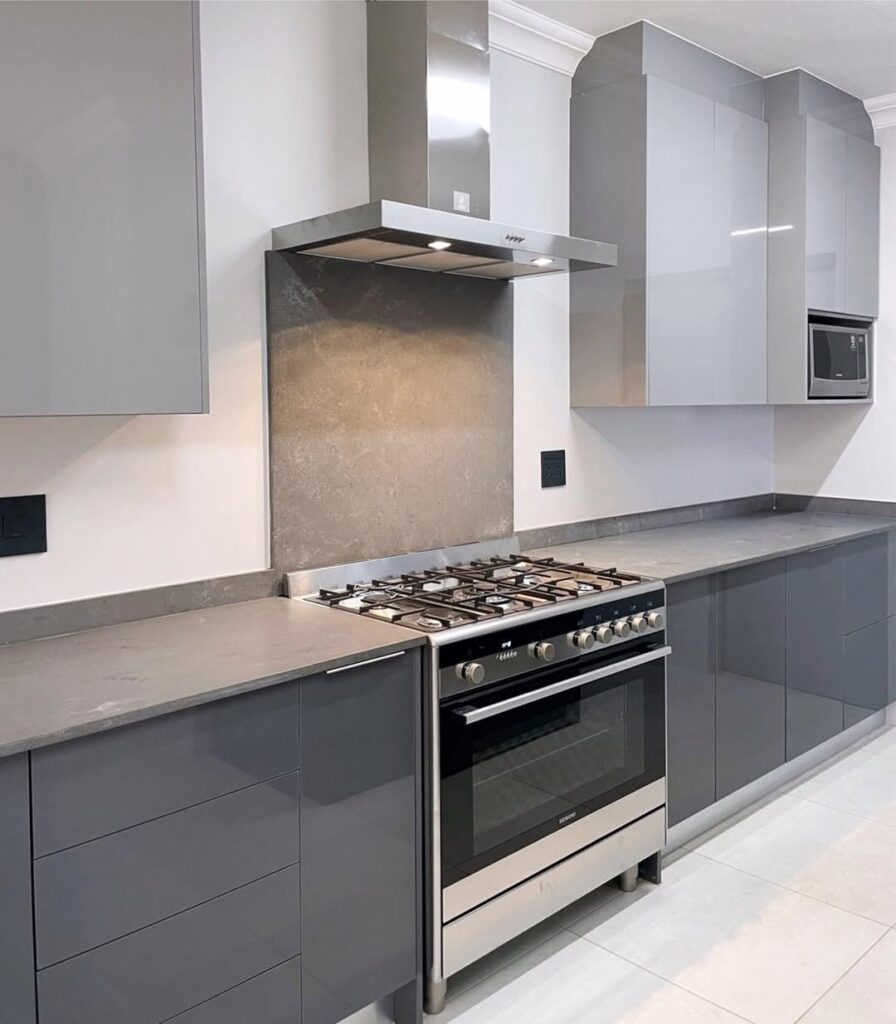
Across the kitchen, grey can cover the cabinetry, walls, and other key elements. The monochromatic scheme uses varying grey shades to add depth while avoiding visual clutter.
Cabinetry, backsplashes, and flooring can carry coordinated tone changes. Grey shades may range from light silver to rich graphite, adding depth and supporting cohesion across the kitchen surfaces.
A grey monochromatic approach prioritizes minimalism and clarity, making it suited to sleek urban kitchens. The result depends on balancing texture and tone.
Matte cabinets pair with high-gloss tiles and concrete counters, while brushed metal accents pair with the matte cabinets. Consider dimmable pendant lights and under-cabinet LEDs for the monochromatic kitchen.
Stainless steel or matte black appliances can support the grey-on-grey palette. Varied finishes and appliances provide structure within the layout.
The grey-on-grey palette is used in contemporary kitchen design. Varied materials suit the palette, and the tonal layout supports simple maintenance.
Grey Lower Cabinets with Glass Uppers

Transparent or frosted glass fronts give the upper cabinets a more open appearance. They are paired with opaque grey lower cabinets, which provide storage while concealing everyday clutter.
A grey and glass cabinet layout adds visual dynamism and supports a greater sense of height. This arrangement can be useful in kitchens with low natural light.
Accent lighting can turn the glass cabinets into soft focal points. A neutral backsplash works with grey cabinetry ranging from pale dove to deep pewter, and that color range supports style flexibility.
Glass cabinet shelving comes in color-matched or wood-toned versions and adds depth. The fronts may use textured or frosted finishes that show fewer fingerprints while keeping items visible for display.
A grey-glass cabinet setup brings storage and display together. It also supports visual balance in the room.
For kitchen updates or new construction, consider grey cabinetry with glass fronts.
Grey-glass cabinetry combines clean lines with function. It also suits transitional design.
Dark Grey Cabinets with Wood Counters

Natural wood countertops are paired with dark grey cabinetry. The combination avoids bright colors and strong contrast.
Charcoal and slate-like grey cabinetry complements maple or walnut wood grains. The grey tones support a contemporary look.
The wood-grey combination provides visual depth in both large and small kitchens. It also maintains cohesion.
Wood countertops support comfort and durability while adding a tactile quality. They soften cool grey cabinetry.
Matte grey cabinets have a non-reflective look and allow the wood countertops to stand out. This pairing suits industrial, farmhouse, and transitional kitchens.
Properly sealed wood counters provide resilience for daily food preparation. Matte black hardware and brushed brass fixtures are used with the dark grey cabinetry.
Dark grey cabinetry and wood countertops combine a lived-in feel with modern style. Together, they provide practical performance.
Designers and homeowners favor dark grey cabinetry with wood countertops. The combination avoids excessive minimalism and a stark appearance.
Grey Kitchen Under-Cabinet LED Lighting

Beneath the upper cabinets, LED lighting provides workspace lighting. It pairs with grey cabinets.
Under-cabinet lighting illuminates prep surfaces. Cool-toned or neutral white light suits light-medium grey, while a warm option suits dark graphite.
Task and mood modes are available with dimmable lighting controls. The LED upgrade uses energy efficiently and suits rental transformations where the renovation scope is limited.
The backsplash may be made from glass, tile, or marble. Reflections cast across this surface add the stated reflective effect.
Under-cabinet lighting applies to grey kitchen upgrades. It also supports cabinet lighting.
This feature is trending in contemporary kitchens and provides function along with aesthetic appeal. Its use combines practical lighting with a visible kitchen detail.
Dark Graphite and Light Wood

Light natural wood adds warmth when paired with dark graphite cabinetry. The two materials create a graphite and wood combination.
Light wood, such as white oak or maple, provides organic contrast. Dark graphite supplies the foundation for the room.
Matte or brushed graphite highlights texture and minimizes glare. The cabinetry minimizes visual heaviness and defines the workspace, making the graphite and wood palette suitable for open kitchens.
Light wood accents work on countertops, open shelving, and upper cabinetry. Extend the same light wood tone across kitchen elements, including bar stools, pendant lighting frames, and flooring. Matching wood elements keep those details connected.
The graphite and wood pairing balances warmth with structure and supports a calm atmosphere. It can suit kitchens with Scandinavian influence or Japandi influence.
For custom builds or remodels, a graphite and wood pairing can support practical needs. Natural daylight or layered lighting can shape how the materials work together.
Matte Grey Handleless Cabinets

Smooth cabinet fronts with no visible hardware keep the surface simple. This handleless cabinetry suits modern interiors and contemporary interiors alike, while supporting both simplicity and function.
The grey finish is matte, with no glare or gloss. Its lack of shine increases the perceived solidity of the cabinetry.
Handleless cabinetry puts attention on the cabinet finish and geometry. Use integrated edge pulls for cabinet operation. Push-to-open mechanisms are another option.
Matte grey cabinetry supports seamless surfaces when paired with sleek quartz or compact laminate countertops. Quartz and compact laminate also support low maintenance. The cabinetry works in both small kitchens and large kitchens.
Concrete, white oak, and tile flooring support a modern kitchen tone and avoid a style conflict with matte grey cabinetry.
The form and finish give handleless design its emphasis. This cabinet approach works in urban apartments as well as luxury homes.
Soft Grey Shaker Kitchen

In a small space, an L-shaped kitchen layout uses the available room efficiently. The shape is suited to kitchens where space efficiency matters.
Prep, sink, and stove zones fit into the arrangement. An L-shaped layout supports kitchen workflow, while the soft grey Shaker cabinets work with the layout.
Clean paneling and moderate texture give the shaker doors a restrained finish. This L-shaped arrangement suits compact interiors as well as open-concept homes.
Cabinet finishes can be satin or matte, helping resist glare and fingerprints. The finish accommodates hardware in brushed nickel or brass.
Underfoot, the floor can contrast with the other finish. Use light wood or neutral stone for the floor, and carry the grey palette through the baseboards and wall paint.
An L-shaped layout supports small kitchens and provides practical value. It makes the available kitchen area useful without requiring a large footprint.