10+ Small Bedroom Ideas for a Fresh, Functional Space
Limited square footage does not mean a bedroom has to lack style. Thoughtful design can improve both how the bedroom looks and how it functions.
Making the most of a small room starts with how each piece is arranged. Space-saving furniture and storage placed with purpose can open up more usable room. These strategies do not have to take away comfort or personality. A thoughtful layout can keep both.
Awkward layouts, tight corners, and low ceilings can make planning difficult. Creative ideas can still support a functional compact bedroom.
Wall treatments, space-conscious furniture, and other design details can affect how large a small bedroom appears.
A few simple adjustments can make a tight bedroom work more efficiently.
Wall Lighting
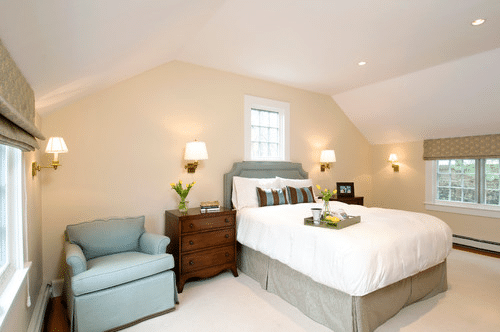
A small bedroom can save space with wall-mounted lighting.
Sconces and wall-mounted lamps use less floor space than floor lamps. They also leave more surface area than wide nightstands.
Adjustable swing-arm sconces provide focused reading light and ambient light. Choose dimmable fixtures for bedroom lighting so it can shift from task use to relaxation.
Brass, matte black, and minimalist white lighting finishes suit contemporary, boho, and traditional styles.
Position wall-mounted fixtures beside the bed or above it. The placement supports reach and balance.
Plug-in lighting is renter-friendly and offers convenience. Hardwired lighting has a more integrated appearance.
Coordinate the lighting style with the drawer pulls. The same approach can extend to the curtain rods.
Wall-mounted lighting supports practical small-bedroom layouts and reduces visual clutter.
Bare Canopy Bed
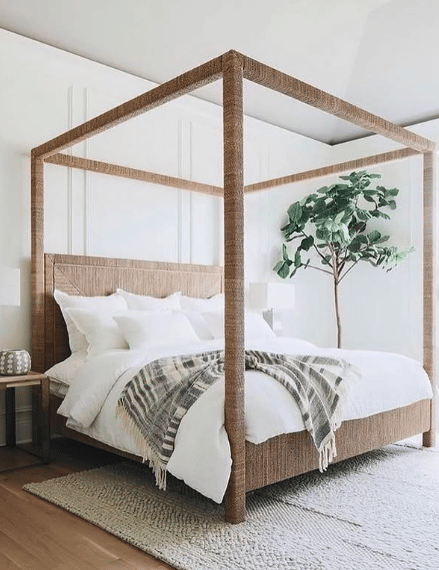
A bare canopy frame gives the sleeping area a more open structure than a heavy-draped canopy bed. It marks the sleeping area without enclosing it.
A canopy frame made from slender metal or slim wood suits industrial, Scandinavian, and rustic-modern styles. Finish options include warm oak, black iron, and brushed brass.
The bare canopy bed supplies a built-in focal point, so it reduces the need for a heavy headboard or excessive wall decor. Keep the bedding and linens simple.
Keep the furniture flanking the bed low or minimal so the canopy bed remains centered in the room. A soft pendant light or minimal string lights can sit inside the frame.
A bare canopy bed organizes the sleeping space, suits small bedrooms, and provides architectural interest.
Daybed Conversion
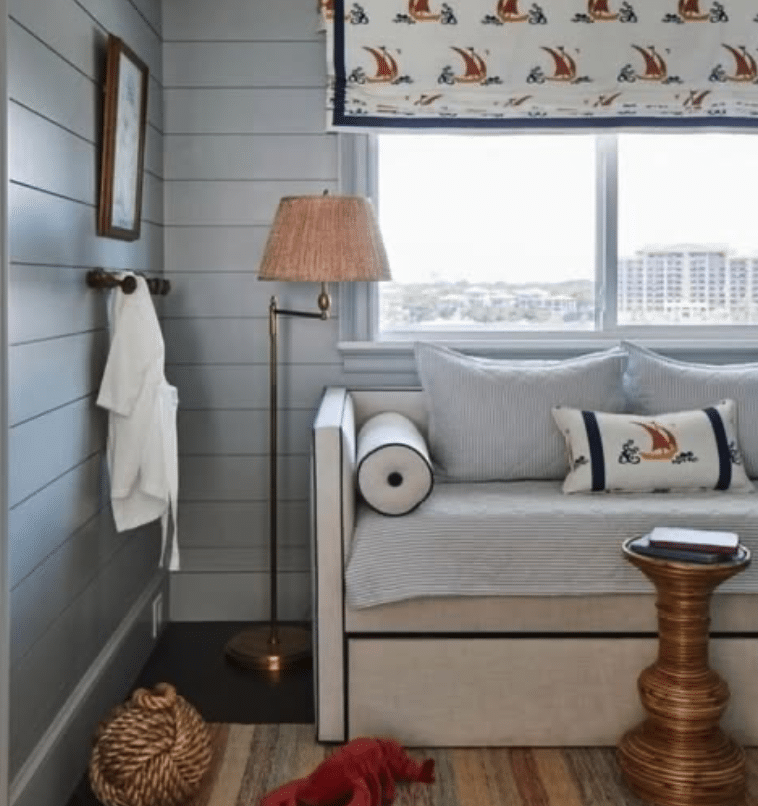
A daybed is an alternative to a traditional bed. It also helps make better use of space in a small bedroom.
A daybed provides both seating and sleeping. It can work in a home office, guest room, or reading nook.
The streamlined daybed frame has less visual weight than a full-size bed. Its simpler form reduces a cramped appearance.
Built-in storage or a trundle gives a daybed concealed space. Use it to store seasonal items, books, and linens.
Pillow styling can make a daybed resemble a sofa. Layer throw pillows along the daybed backrest so it can serve as sofa-like seating during the daytime.
Position the daybed against the long wall to free up walking space. Light neutral upholstery also supports seasonal adaptability.
A floating shelf above the daybed can store necessities, while slim side tables keep other necessities within reach. These elements avoid floor clutter.
A daybed can serve as the bedroom centerpiece for lounging, working, and sleeping.
Pattern Drenching Design
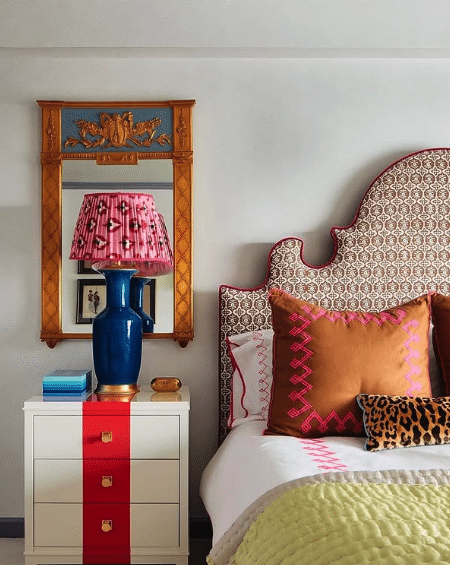
Across the bedroom, pattern drenching means using a single pattern as a cohesive treatment with bedroom-wide coverage.
Repeat the pattern across the walls, bedding, and curtains. A consistent motif creates continuity, reduces visual fragmentation, and can increase the room's perceived size.
Micro-patterns can provide texture and depth without causing visual shrinkage. Consider micro-patterns, small florals, subtle geometrics, or classic stripes for the pattern scale.
Use peel-and-stick wallpaper, a patterned duvet set, and a coordinating window treatment for pattern drenching. Choose soft muted tones to reduce visual chaos. These products support renter-friendly installation.
Layer the same pattern at varying scales to maintain visual interest and avoid jarring contrasts. For example, pair larger textiles with small wall prints.
Plain throw pillows and neutral area rugs provide visual relief as solid accents.
Pattern drenching needs both repetition and relief. The approach works best when those two elements are balanced.
Pattern drenching brings creativity and structure together. Large spaces can go beyond bold design choices.
Storage with Multiple Uses
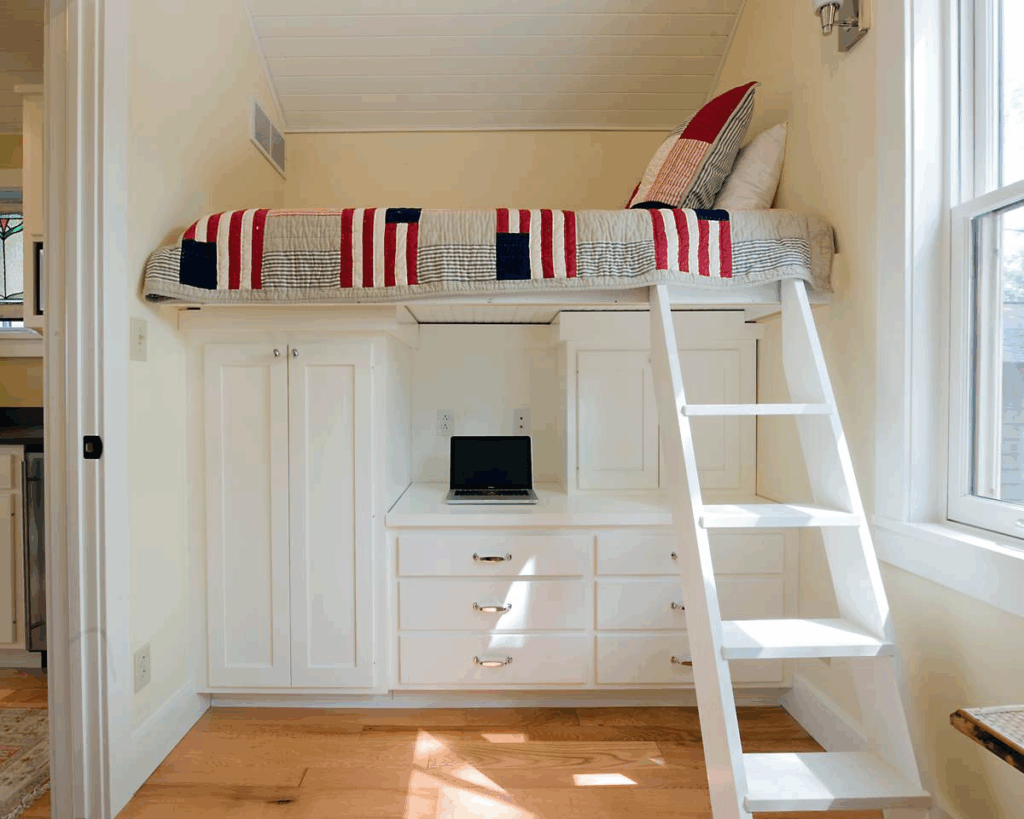
Headboards with built-in shelving add storage without taking more floor space. Storage ottomans and under-bed drawers can also reduce clutter, so furniture for a small bedroom should serve multiple functions.
Deep drawers and under-cabinet storage give nightstands useful storage. Beds that include integrated storage can hold bedding, clothing, and seasonal decor, freeing closet and dresser space. This nightstand storage supports bedside organization and reduces visible clutter.
Benches with hidden storage support an adaptable layout. Foldable desks that also serve as vanities help maximize space utility in a compact bedroom.
Existing furniture can incorporate baskets, bins, and modular cubes while maintaining a unified color palette. Choose storage furniture with sleek designs and neutral finishes to support visual cohesion and openness, reduce visual bulk, and reduce visual disruption.
Storage investments support bedroom function while making daily convenience better. They can also improve bedroom serenity.
Low Bed Frame
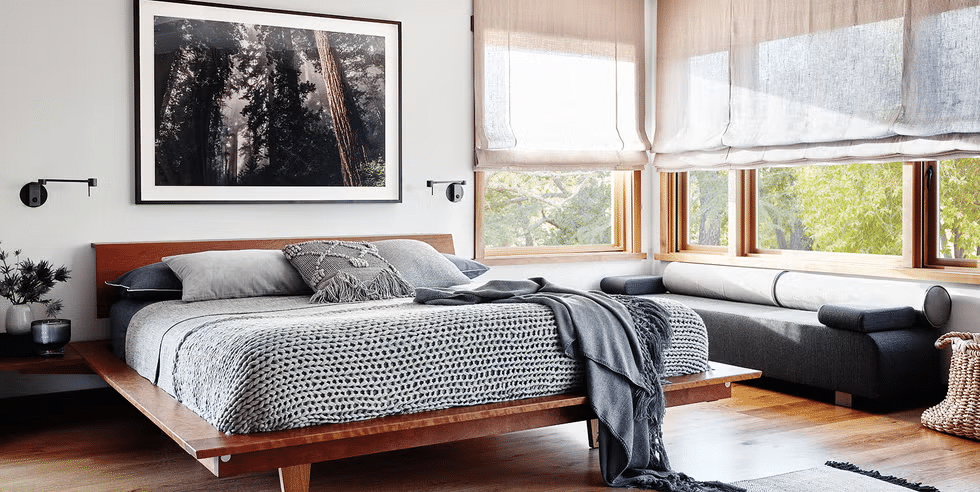
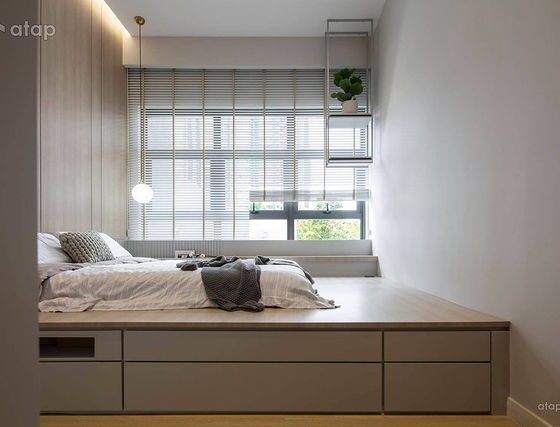
A low-profile bed frame places the bed near the floor. This increases perceived ceiling height and reduces a confined feeling.
Light-toned wood, minimalist metal, and a neutral upholstered base are options for a streamlined platform bed. The streamlined design reduces visual bulk.
Bed storage adds utility through underframe drawers or an open base. Place the low-profile bed slightly away from the walls to increase breathing room.
Pair the bed frame with a thin mattress. Use bedding in light neutral colors with minimal patterns and soft textures, along with a low and wide nightstand.
A low-profile bed frame affects spatial perception in a compact bedroom and does not require heavy renovation.
Drapery Around the Bed
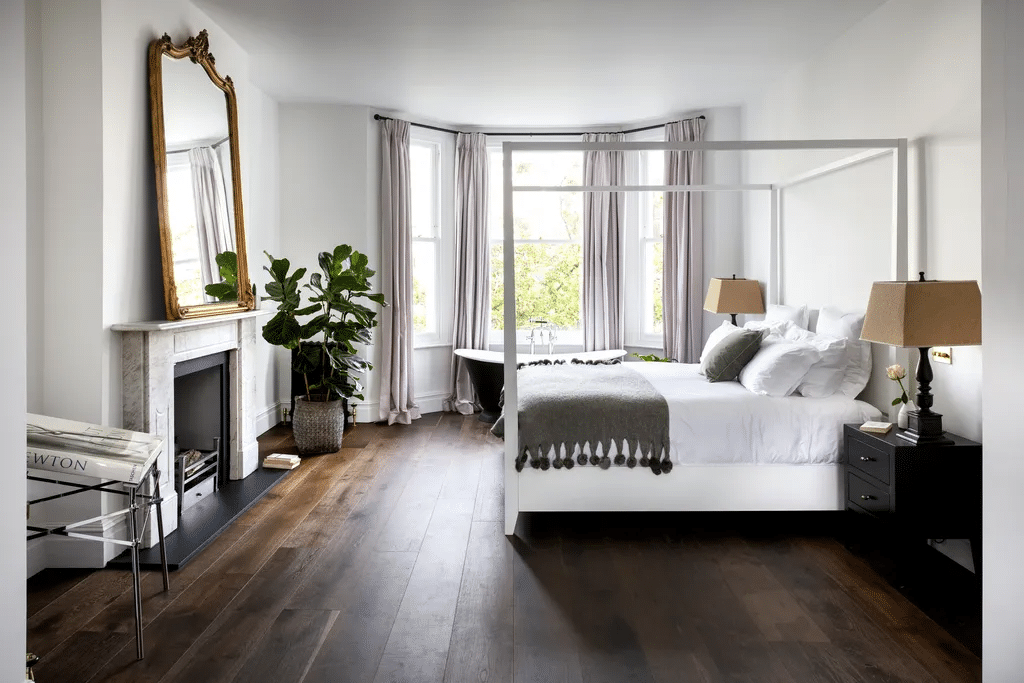
Wraparound drapes can create a cocoon effect around the bedroom. Floor-to-ceiling drapes run along the bedroom perimeter.
For privacy and concealment, drapes can hide cluttered corners, architectural features, and uneven windows.
Neutral drapes made from lightweight linen or sheer cotton allow filtered natural light while supporting privacy. Their materials keep the covering light.
Drape placement can make the room feel taller and wider. Hang the drapes behind the bed or extend them across the entire wall to create that effect.
Curtain rods placed near the ceiling can increase the room's perceived dimensions and direct the eye upward.
Wraparound drapes can stay open or enclose the bed area. Change the drape configuration according to the time of day.
Match the drapery color to the wall paint. Coordinating the two helps reduce harsh contrasts.
A damage-free option for drapery mounting is the tension rod. Tension rods suit renters and budget-conscious decorators.
Integrated Vertical Storage
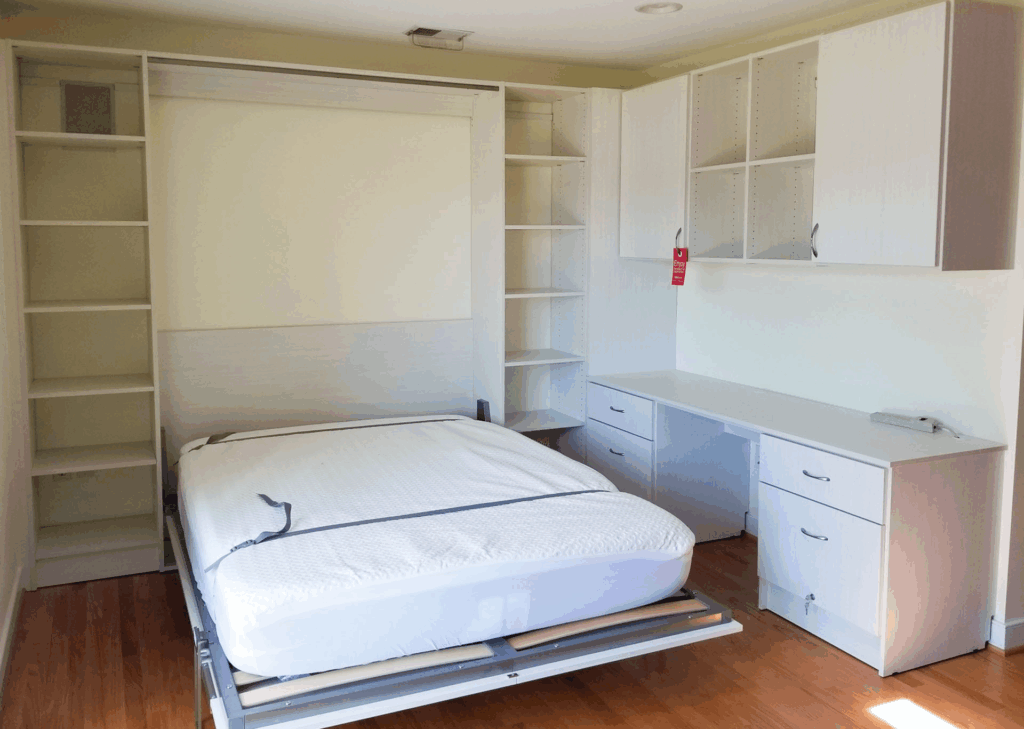
Use vertical space in small bedrooms. Vertical storage expands functionality.
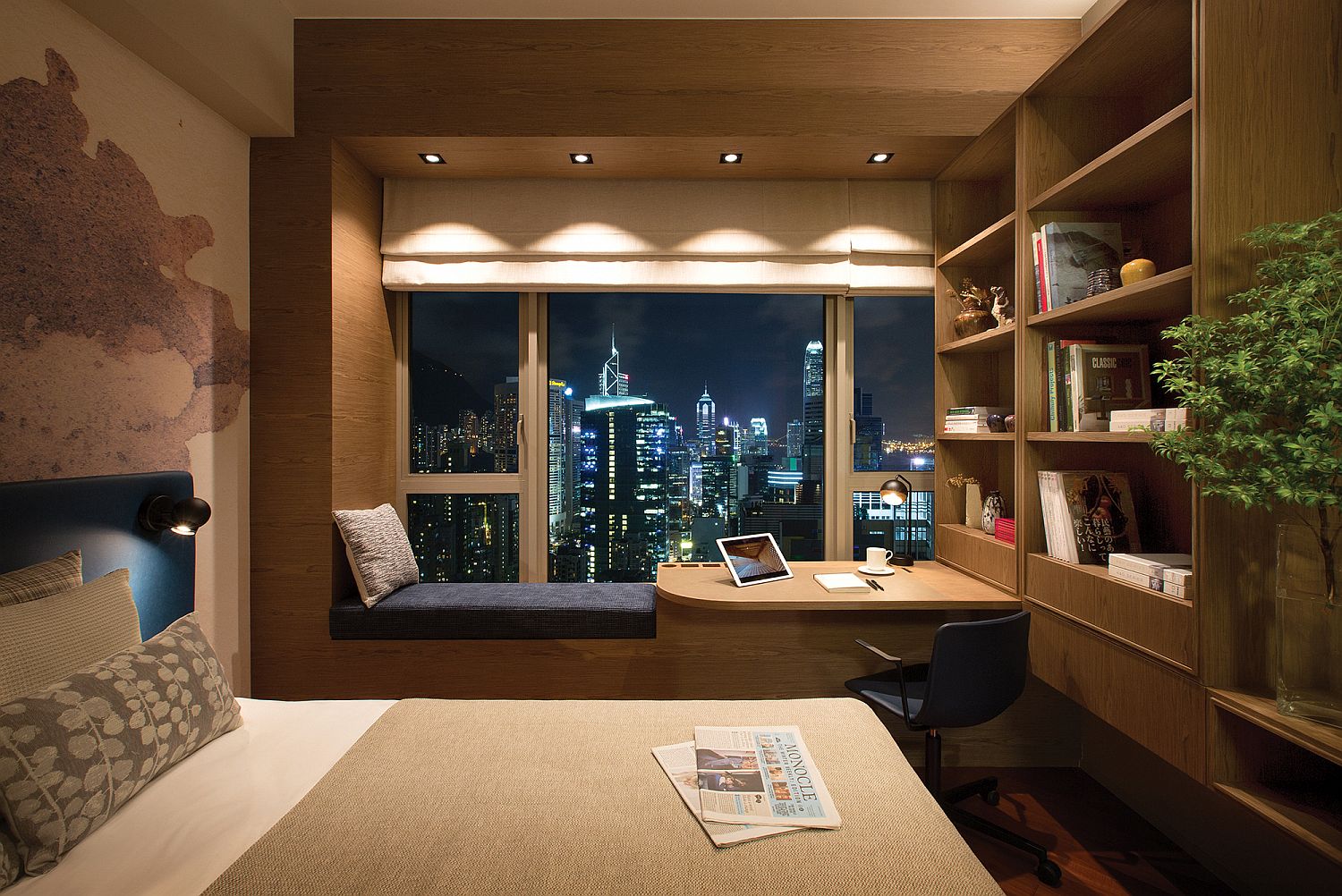
Vertical storage frees floor space and keeps essentials accessible. It can extend along walls through shelving, cabinetry, and hanging organizers.
Custom-built shelving units create a strong vertical line. Floor-to-ceiling shelving provides substantial storage, adds room structure, and increases perceived room height.
Near the bed, open shelving can serve as a nightstand. Ladder racks and pegboards support item display while occupying little floor space.
Floating shelves in tight stacks store books, decorative objects, and personal essentials. They reduce the need for bulky furniture such as tall wardrobes with overhead compartments.
Maintain clear organization in vertical storage by grouping stored items by color, purpose, or size. This grouping system preserves visual order and prevents a chaotic appearance.
Glass-front shelving supports an airy appearance. Mirrored cabinet doors reflect light, while the shelving has glass fronts.
Vertical storage uses wall space for ambitious organization and supports daily living. It avoids a claustrophobic feeling.
Converting a Closet to an Office
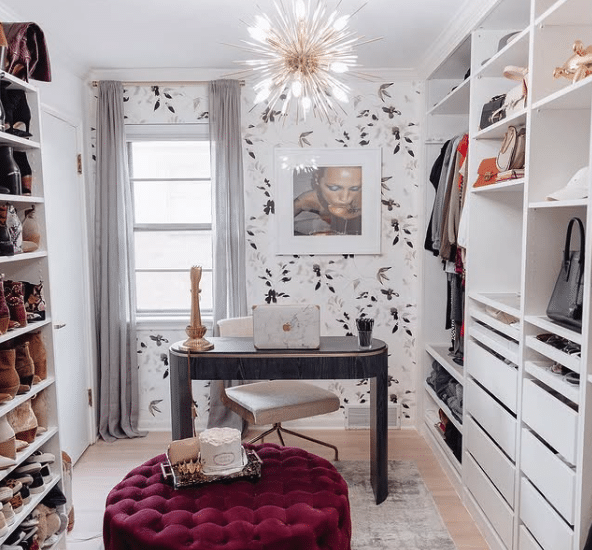
A closet conversion can create a workspace from an underused closet. This is especially useful in a small bedroom, where every inch matters.
A hidden office can stay tucked away when work is done. Remove the closet doors and add a desk built into the closet. Office storage can then be closed off after the workday.
Books can sit on adjustable shelving over the workspace, along with supplies and decor.
In the closet, a compact desk and slim chair preserve circulation space.
Use light hues and reflective surfaces in the converted closet to support perceived brightness and spaciousness. Under-cabinet lighting and a clip-on task lamp provide workspace lighting, which supports dark closets.
Small corkboards, pegboards, and framed artwork can personalize the workspace. Each option keeps the display compact.
For privacy during off-hours, use rehung curtains or bi-fold doors.
A closet conversion creates a dedicated productivity zone without sacrificing bedroom comfort. Even small closets can become organized workstations.
Layered Roman Shades
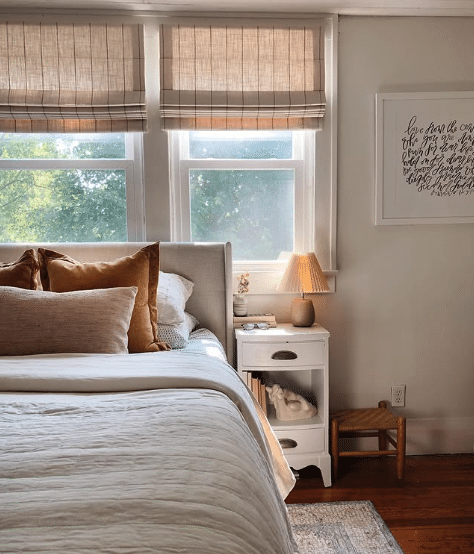
Roman shades work well in small bedrooms, where they can affect the perceived room size and support window functionality.
Roman shades have a sleek profile and provide light control and privacy. They look sleeker than bulky blinds and heavy curtains.
Choose shade fabric in light neutrals with soft patterns. Fabric that blends with the wall color reduces a boxed-in appearance and increases the perceived window size.
Flat Roman shades suit modern and minimalist styles while avoiding visual clutter. Relaxed Roman shades and balloon Roman shades add softness, and relaxed shades can do so without adding visual clutter.
Mount the shades near the ceiling rather than at the window. This higher mounting elongates the wall and increases the perceived ceiling height.
Roman shades can be layered with sheer panels and blackout liners. This combination lets the window treatments adjust daytime lighting and nighttime lighting.
Linen, cotton, and woven blends introduce organic texture without allowing the shade materials to dominate the design.
Roman shades maintain streamlined windows while providing a practical window treatment.
Window coverings affect perceived space, and small details can produce design improvements.
Extended Headboard
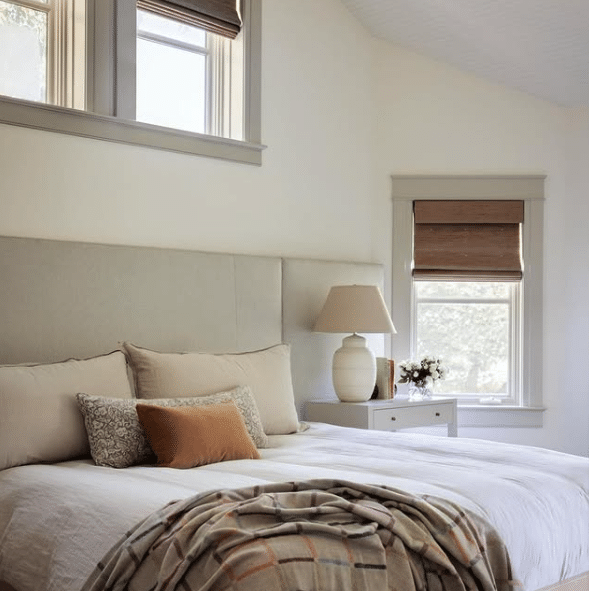
In a small bedroom, a headboard that projects past the bed frame gives the room a clear anchor. The extended headboard is the main feature.
A deliberate headboard design can create the impression of more spaciousness.
The room's aesthetic changes with the material chosen for the headboard. Options include upholstered panels, vertical shiplap, reclaimed wood planks, and painted sections.
Behind the bed, a floor-to-ceiling headboard can cover much of the wall width. The extended shape creates visual impact while adding no actual bulk.
Slim bedside tables can attach to the headboard. This arrangement saves floor space.
Headboard-mounted lighting cuts down on nightstand clutter and leaves the nightstands free for other use. Integrated sconces or pendant lights can be mounted on the headboard. Match the headboard's colors or finishes with the flooring or accent walls.
An extended headboard brings together comfort, style, and practicality.
A headboard that suits a narrow room helps avoid cramped layouts. This small-bedroom design preserves comfort and usability.
High Shelving Unit
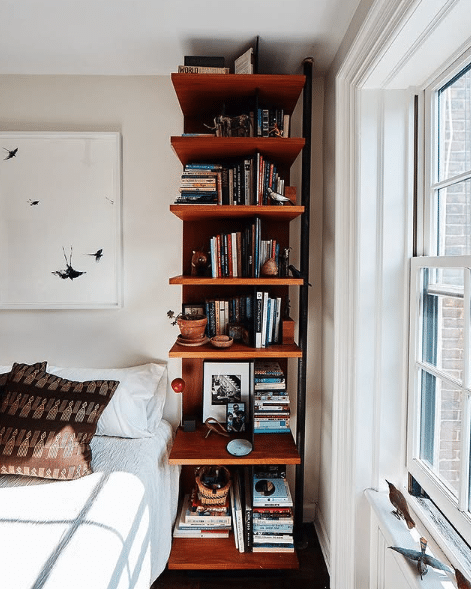
High shelving units use vertical space and avoid encroaching on floor space.
Near the ceiling, shallow shelves can store books, decorative items, and seasonal essentials. Install the shelves close to the ceiling and keep them shallow.
Wall-mounted shelving works above the headboard, over a doorway, or in unused vertical areas. Match the shelf materials to the bed-frame wood tones, and coordinate the shelf metals with the hardware.
Group shelf contents by category or color to keep the arrangement orderly. Open baskets and closed bins can hold less attractive necessities.
High shelving units provide small-bedroom storage and maximize available space by using tall walls.
Wood Paneling Details
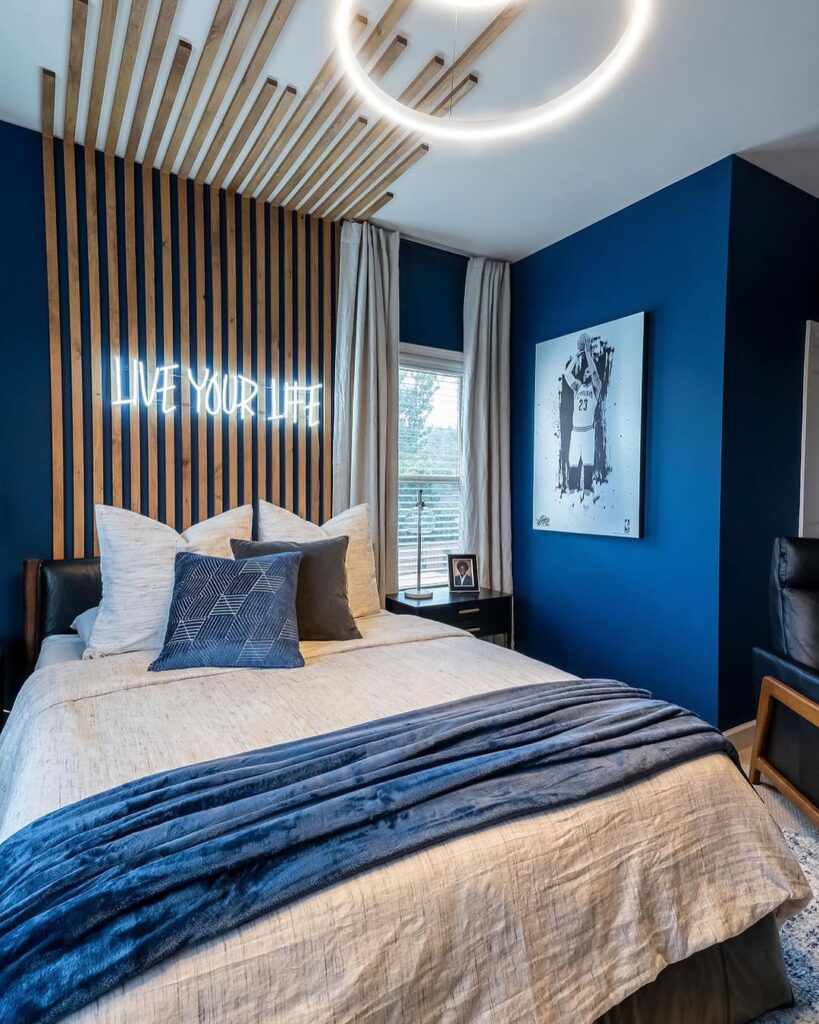
Wood paneling brings warmth and texture. In small bedrooms, use wood paneling accents to add these qualities without changing the room's scale.
Paneling options add tactile texture and visual rhythm, but too much can overload the space. Narrow batten strips, horizontal planks, and vertical shiplap create different effects.
Rich woods such as walnut and chestnut create a cozy feel. Light woods, including birch, ash, and whitewashed oak, preserve brightness.
Use wood paneling on the single wall behind the bed. This placement brings architectural interest while the rest of the room stays open.
Use slimmer panel dimensions to maintain proportion. Combine the wood paneling with neutral textiles and minimalist furniture for a breathable, light visual design.
Same-color paneling provides a textured appearance while reducing visual contrast. Paint the walls the same color as the paneling.
Peel-and-stick panels are suited to renters looking for a short-term installation. Custom carpentry is a long-term upgrade for homeowners, and both types of wood elements add depth and character.
Wood paneling accents connect timeless comfort with modern aesthetics. Wood paneling also suits compact bedrooms.
Miniature Art Display
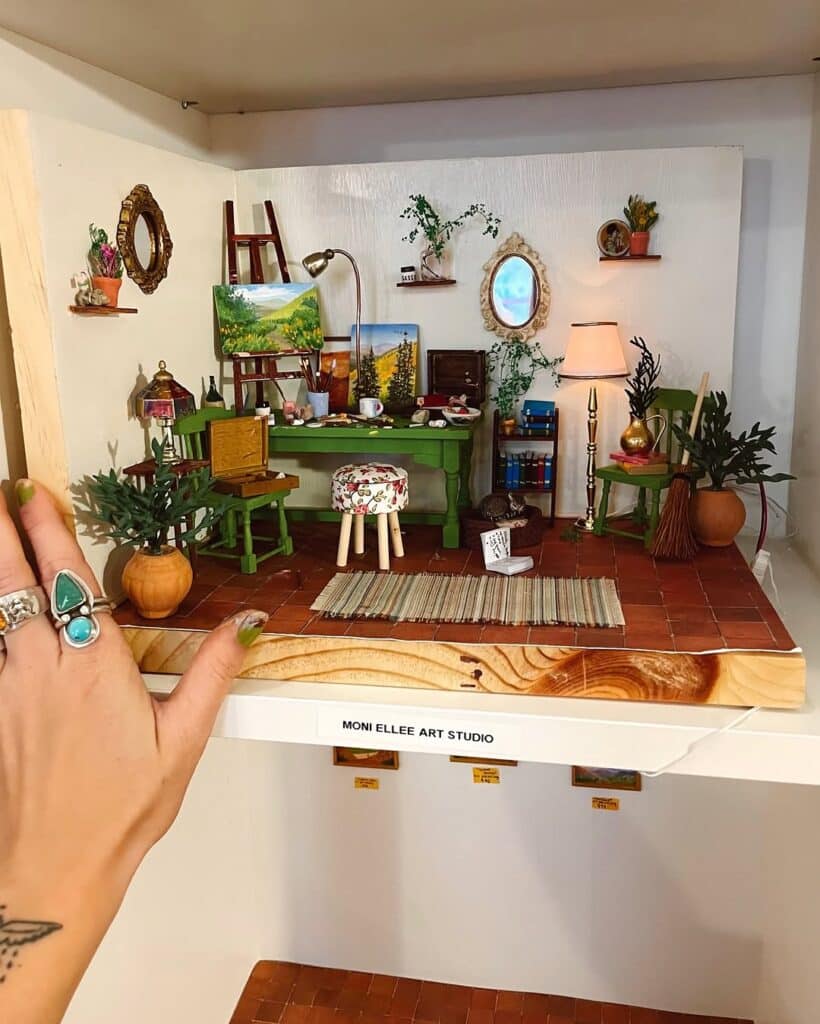
A small artwork display makes use of limited wall space. Several miniature pieces can add personality without taking over the room.
Arrange multiple small artworks to create a gallery-like arrangement. Compared with oversized artworks, they create less wall dominance.
Mixed art media can add visual depth without creating visual clutter when the frames stay in similar tones. Combine sketches, photographs, and watercolors.
Use a staggered organic layout for the art collection, or arrange it in a tight grid. The display can go above the headboard, above the dresser, or above the doorway.
Small frames can lean against floating shelves and be layered on nightstands.
Choose a monochromatic or muted artwork palette. The palette should complement the room design.
Miniature art displays are budget-friendly and renter-approved. They allow personal touches and seasonal updates while adding texture, warmth, and style.
Miniature art displays convert blank walls into useful decor while preserving room openness. Small bedrooms can use them for this purpose.
Dark Walls for Small Bedrooms
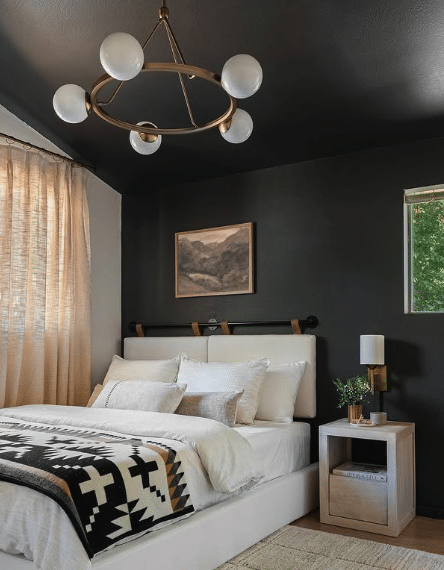
Dark walls can create intimacy in a small bedroom. It is a counterintuitive choice, but dark wall colors can avoid a cramped feeling and create a cocooning atmosphere.
Deep shades make the corners recede, which can increase the perceived size of the room. Charcoal, navy, forest green, and plum can also visually blur the room boundaries.
Pair dark walls with light furnishings and light bedding. The contrast keeps the room balanced and helps prevent an oppressive feeling.
A matte finish softly absorbs light, reduces glare, and enhances coziness. Satin has a subtle reflectivity that avoids excessive visual stimulation.
Deep tones with similar shades give the room a monochromatic look. Use the scheme on the walls, trim, and ceilings to unify the room and reduce harsh lines.
Ambient lighting, task lighting, and accent lighting work together in a small bedroom. This layered lighting supports room functionality and usability.
Mirrors and metallic picture frames add brightness and sparkle against dark walls. Crystal table lamps do the same, bringing contrast and a little more light to the room.
Dark wall colors can reframe a small bedroom from tight to moody. They also support personal character.