15 Kitchen Cabinet Ideas That Maximize Storage in Style
Choosing kitchen cabinets means balancing functionality with style. The right selection should work well and still suit the room.
Kitchen cabinets respond to layout challenges, support storage needs, and influence how well the space performs.
Cabinet choices involve more than appearance. Layout, material, and finish all influence how easily a kitchen supports daily routines. Those decisions also affect long-term satisfaction, so each part deserves attention before selecting cabinets.
Current cabinet trends may help avoid design mistakes during a renovation or new construction project. They may also support better utility and resale value.
This guide brings together cabinet ideas for modern homes and practical kitchen goals.
Ridged Glass Cabinet Fronts
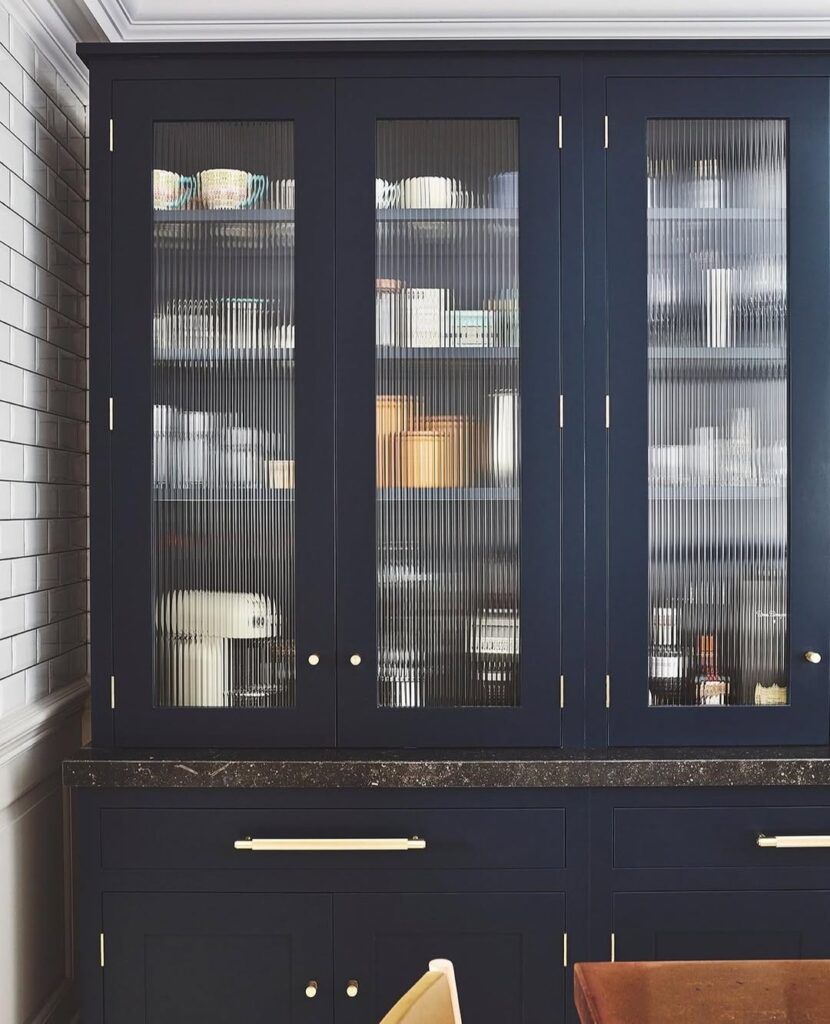
Fluted glass cabinet doors have vertical texture. The fluted glass doors add visual interest to the cabinetry.
Fluted glass is glass with vertical grooves. In a cabinet, the grooves softly distort the interior view and balance openness with privacy.
Fluted glass doors suit contemporary, industrial, and transitional kitchens. They work especially well on upper cabinets, where they partially conceal the cabinet contents while introducing a vintage influence.
Fluted glass texture diffuses light, which may make small kitchens feel brighter. The doors also avoid the starkness of open shelving.
Clear, frosted, and smoked fluted glass variants allow aesthetic and privacy customization. Each variant changes how much of the cabinet interior remains visible.
Fluted glass doors may combine with minimalist metal frames. They may also combine with natural wood cabinetry.
Fluted glass makes fingerprints and smudges less noticeable. Compared with fully transparent glass, it has relatively easy maintenance.
Fluted glass doors may avoid a full kitchen overhaul. They can modernize existing cabinetry without replacing the whole kitchen.
White Oak Cabinetry
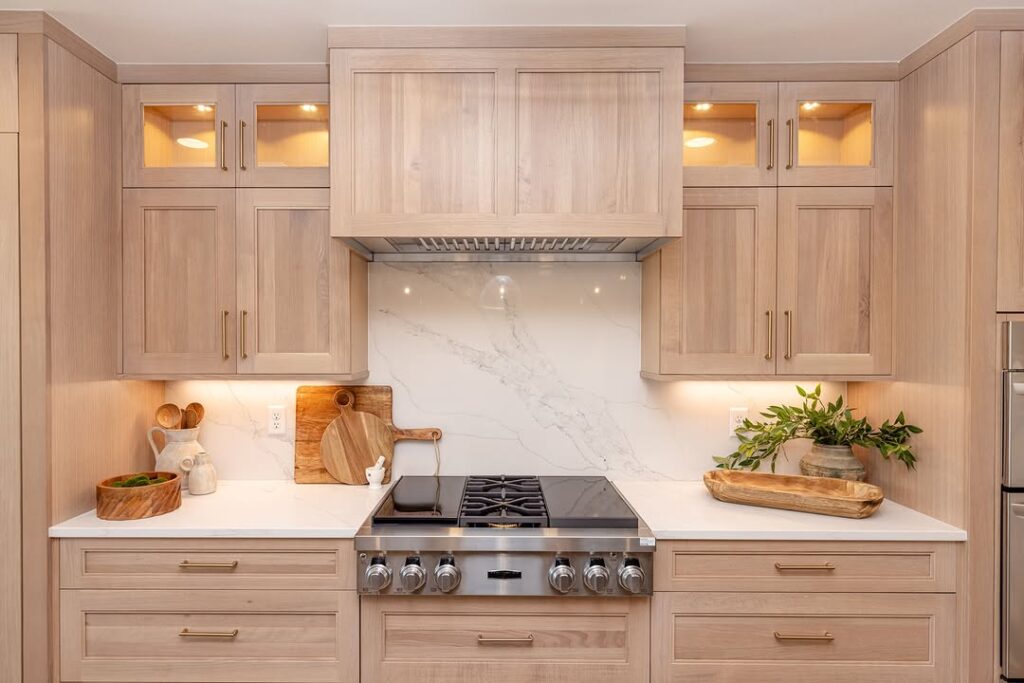
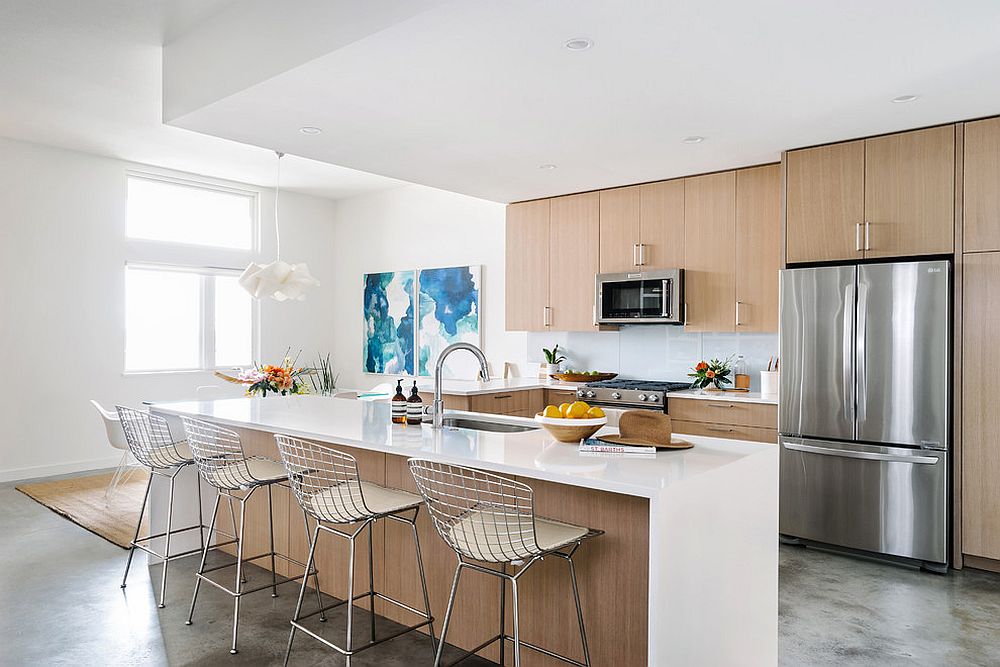
White oak cabinetry keeps natural textures prominent in kitchen design. The material is visible through the cabinetry itself.
Coastal style, farmhouse style, and modern minimalism all suit white oak. The wood adds warmth through a restrained grain and a soft neutral tone.
White oak cabinets have high durability. Over time, the wood develops a richer patina.
Light-colored white oak cabinetry reflects light in small kitchens. The wood also supports an airy spatial feel.
A quartz countertop works with white oak cabinetry. Matte hardware and minimalist fixtures complete the combination.
Across the surface, a wire-brushed white oak treatment emphasizes the grain. A light cerused treatment adds depth without darkening the wood.
White oak is valued as a sustainable material, an authentic material, and a practical choice.
White oak cabinetry is low maintenance. Its surface is also more forgiving of scratches and dings than painted surfaces.
Cabinetry in Beige
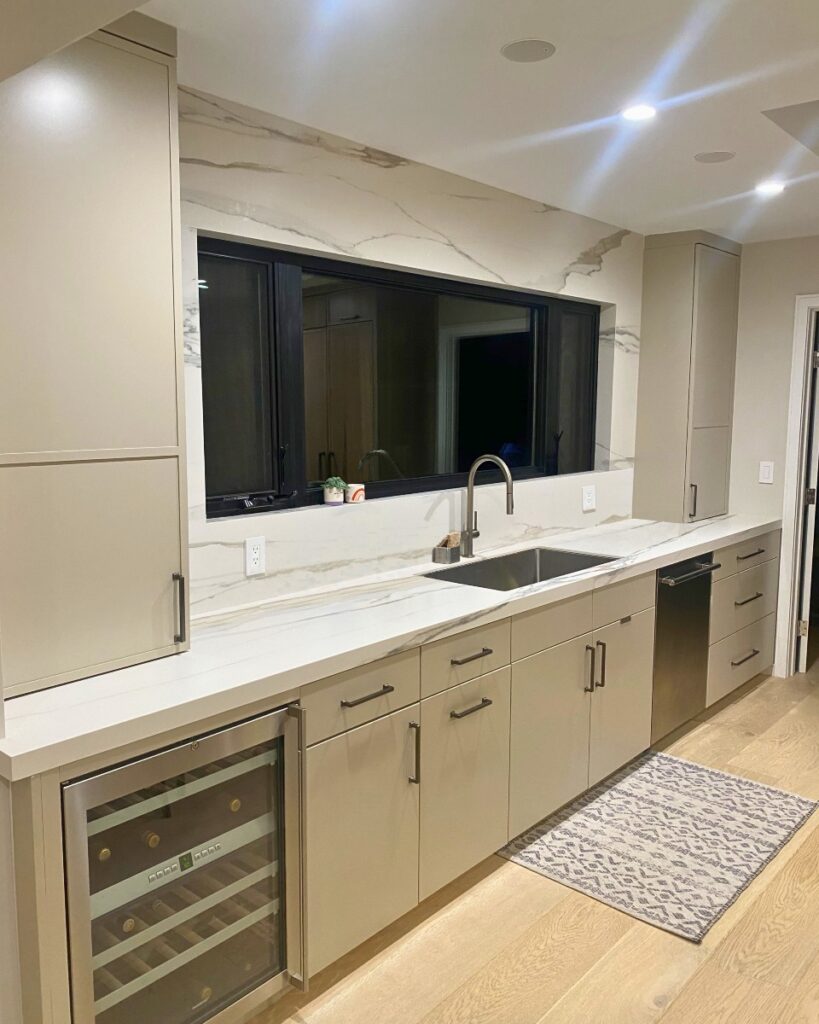
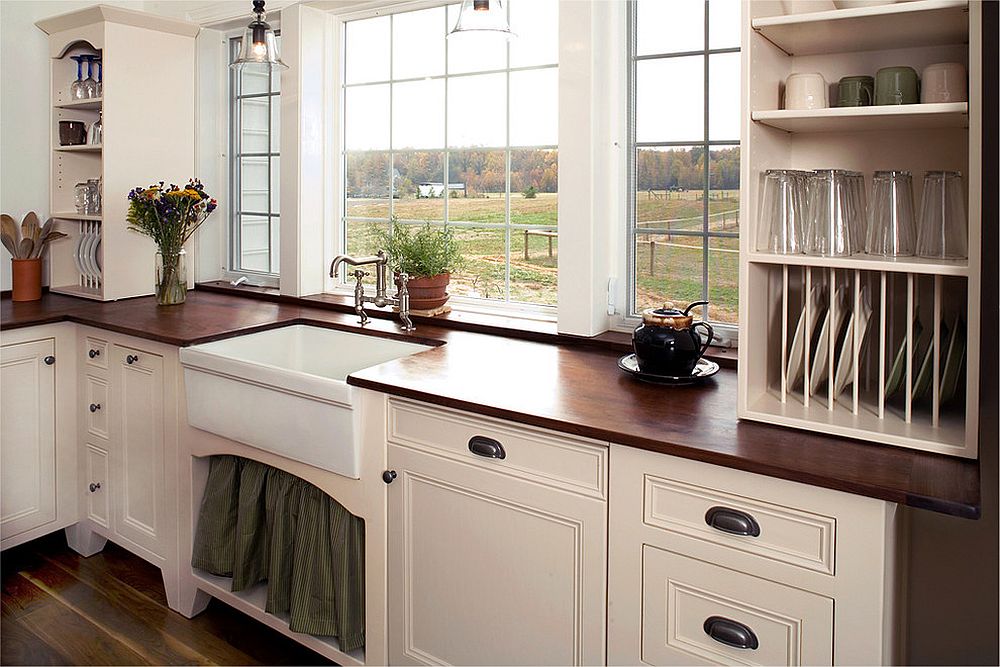
Beige cabinetry offers a neutral alternative. Beige is less stark than white and less trendy than dark tones.
Warm beige cabinetry creates a calming backdrop. It suits traditional, transitional, minimalist, and contemporary kitchens.
Beige cabinets support future updates and adapt to seasonal decor changes. They coordinate with both warm accents and cool accents.
A beige cabinet can have a matte finish, a distressed treatment, or a light glaze. Tones range from creamy off-white to sandy taupe, while cabinet texture adds depth.
Muted green accents can join beige cabinets, natural stone countertops, and brushed brass hardware in one combination.
In a beige kitchen, the room can stay bright and airy without every smudge or small flaw standing out. Beige cabinets hide those marks better than pure white finishes.
Warm lighting highlights the warmth of beige cabinetry, so kitchen lighting is critical. Warm LED strips and warm pendant lights can provide that lighting.
Cabinetry with Rounded Edges
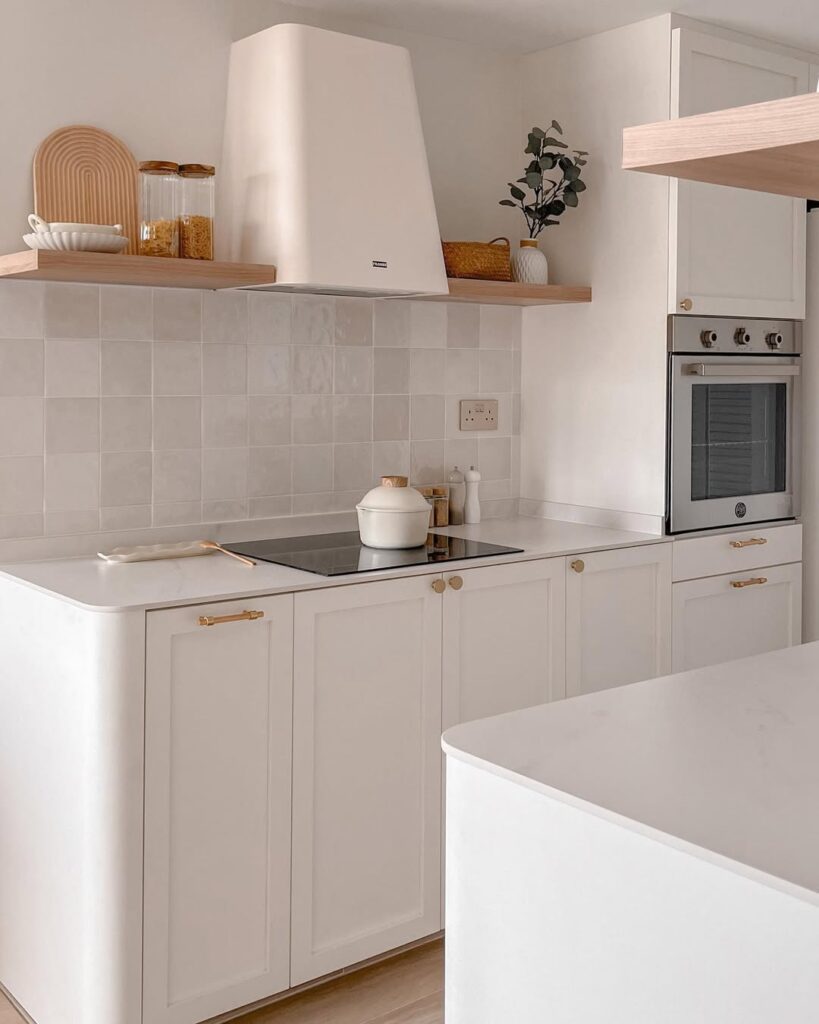
Rounded cabinet edges bring aesthetic and practical benefits. Gentler lines are appearing again in modern kitchens.
The softer flow of curved cabinetry supports safety in family-friendly spaces. Rounded cabinetry also eliminates sharp corners.
Rounded edges support organic kitchen forms. They pair with features such as arched doorways and curved islands.
Scandinavian kitchens suit rounded cabinet edges. The same detail also works well in contemporary and mid-century modern kitchens.
In one kitchen, lacquered MDF, thermofoil, and wood veneer can all be used for rounded finishes.
Rounded cabinet edges can delineate a kitchen zone in open floor plans. They avoid harsh visual barriers.
A rounded detail can appear on the countertop, backsplash, or a lighting fixture. Cabinet curvature can range from a small-radius corner to a curved end cabinet, depending on personal preference.
Nature-Inspired Color Choices
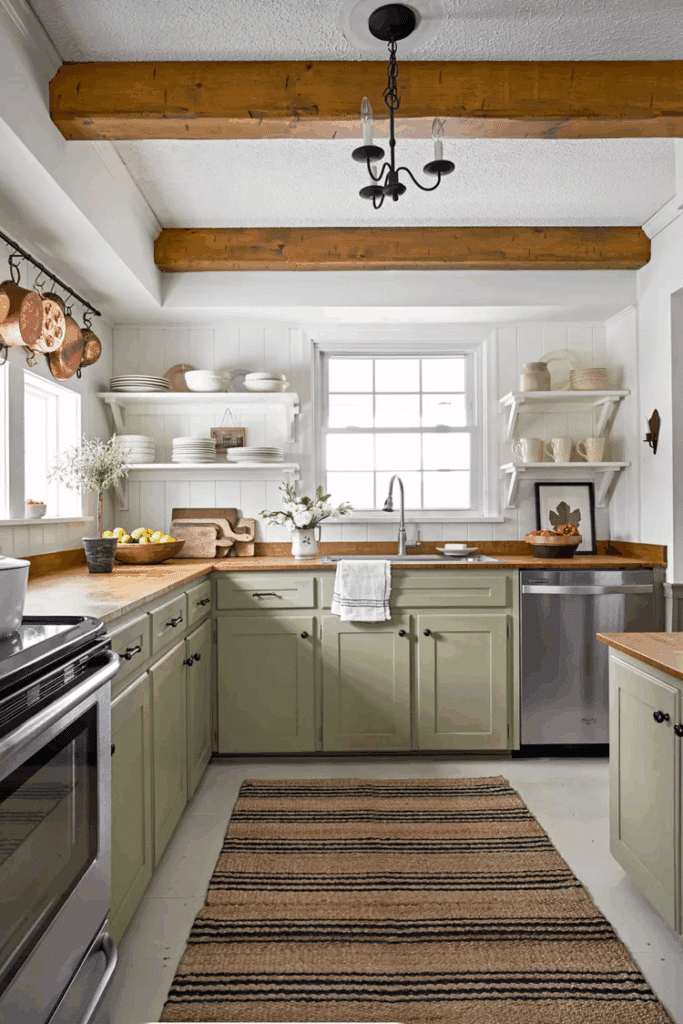
Nature-inspired colors remain a kitchen design trend. They bring an outdoor-influenced color direction to the cabinets.
Soft taupe, moss green, sandy beige, and muted terracotta bring an earthy character to a kitchen. These palettes can make the space warmer and more inviting, create a calm atmosphere, and connect it with the outdoors. They also support a timeless design.
Sage green cabinets pair with natural stone countertops. Clay neutral cabinets can pair with organic wood flooring.
Textured finishes strengthen the natural effect. Brushed oak and rattan cabinet details suit modern farmhouse kitchens as well as minimalist Scandinavian kitchens.
In one homeowner observation, soft earthy tones may be easier to maintain than stark whites or bold primaries. Stark whites and bold primaries may show wear quickly.
Biophilic design means bringing natural elements indoors. Nature-inspired colors align with this approach, which promotes wellness and relaxation.
Soothing interiors can use nature-based cabinet colors. These colors may also support long-term design relevance.
Statement Color Cabinetry
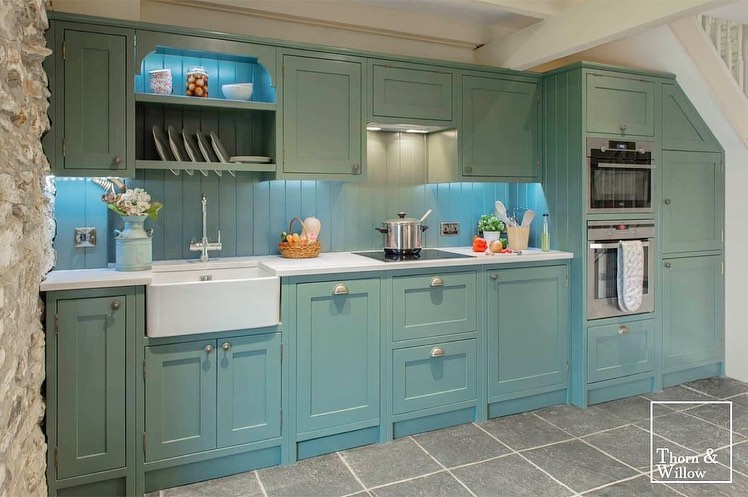
In kitchen design, vibrant cabinetry returns as a form of personal expression.
Deep maroon cabinetry brings a different color option to the kitchen. Other bold cabinet colors include emerald green, navy blue, and matte black, all of which add depth and character.
Balance statement colors with muted walls, muted countertops, and muted backsplashes. This reduces visual chaos.
Matte lacquer and soft satin cabinet finishes reduce glare. Complementary flooring, minimalist hardware, and accent lighting complete the cabinet treatment.
Statement cabinetry can update broader decor trends. It does not require a full remodel to do so.
Across the room, bold cabinets can be paired with natural stone countertops and wood flooring. Designers say bold cabinets pair with natural elements.
Metallic Cabinet Accents
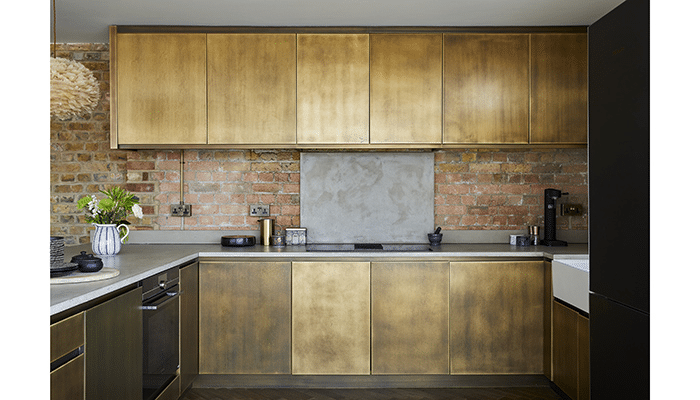
Metallic touches bring both warmth and modernity to the cabinetry design.
Brushed brass cabinet handles feel less overpowering than past chrome finishes. Slim metal trim can run along cabinet edges, while copper may appear at the toe kick and bronze can be used as an inlay.
Natural wood cabinets pair with understated metal accents. Painted cabinet surfaces in matte navy, forest green, or soft gray create contrast with muted metals, giving the cabinetry a contemporary yet timeless look.
Metal accents can serve as practical elements in the kitchen. Stainless steel and brass are both durable and resistant to wear.
Some homeowners use metal shelving inside cabinet interiors. When the doors open, the shelving reflects light.
Metallic accents can appear in the hardware, vent hood, shelving brackets, or island details. Even one nearby detail can carry the material through the kitchen.
Metallic updates do not require a complete renovation. A small swap, such as adding thin metal strips or updating cabinet handles, can make the change.
Retro Inspired Kitchen Colors
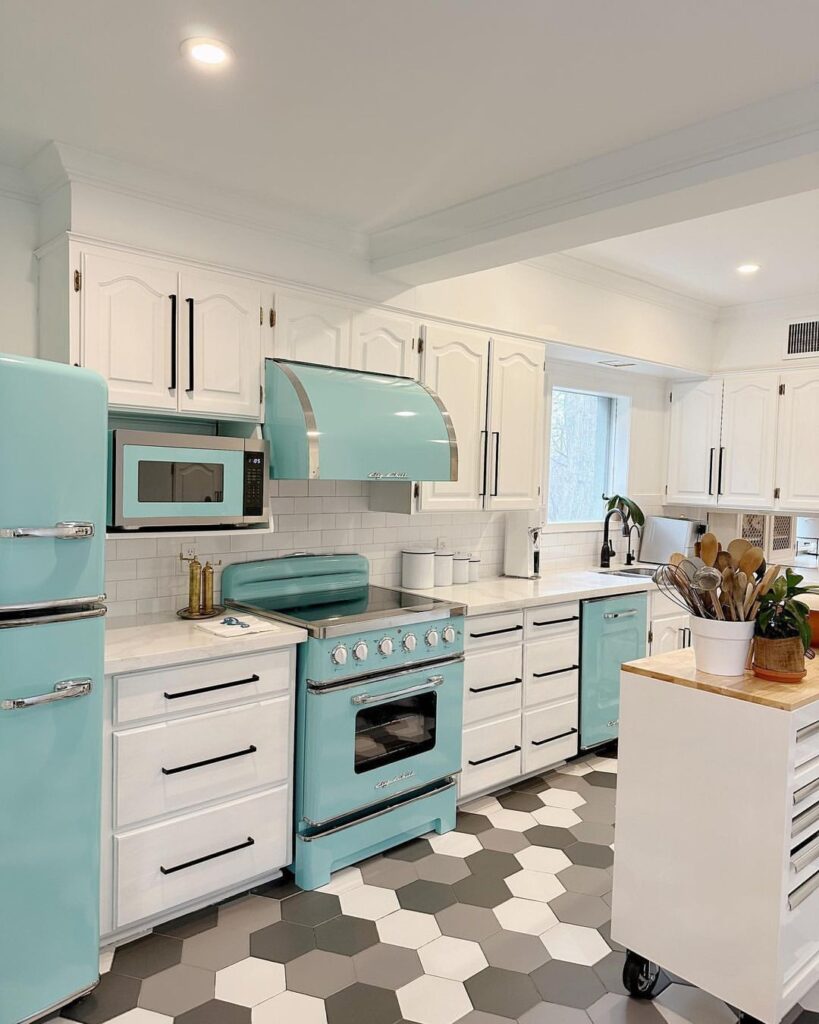
A nostalgic color palette adds warmth, character, and playfulness through retro-inspired colors.
Burnt orange, mint green, butter yellow, and soft teal are retro colors. They contrast with stark minimalism.
Retro colors can evoke mid-century diners, 1970s kitchens, and Art Deco.
Matte finishes give sleek cabinet lines and modern hardware a setting for vintage colors. These modern pairings update retro colors.
Neutral elements, including brass fixtures, natural wood accents, and white quartz countertops, are what designers use to balance bold retro colors.
Retro color schemes pair with fluted glass details, curved cabinet edges, and checkerboard floors.
Retro color supports a personality-filled kitchen. It combines familiarity with freshness.
Mixed Material Cabinets
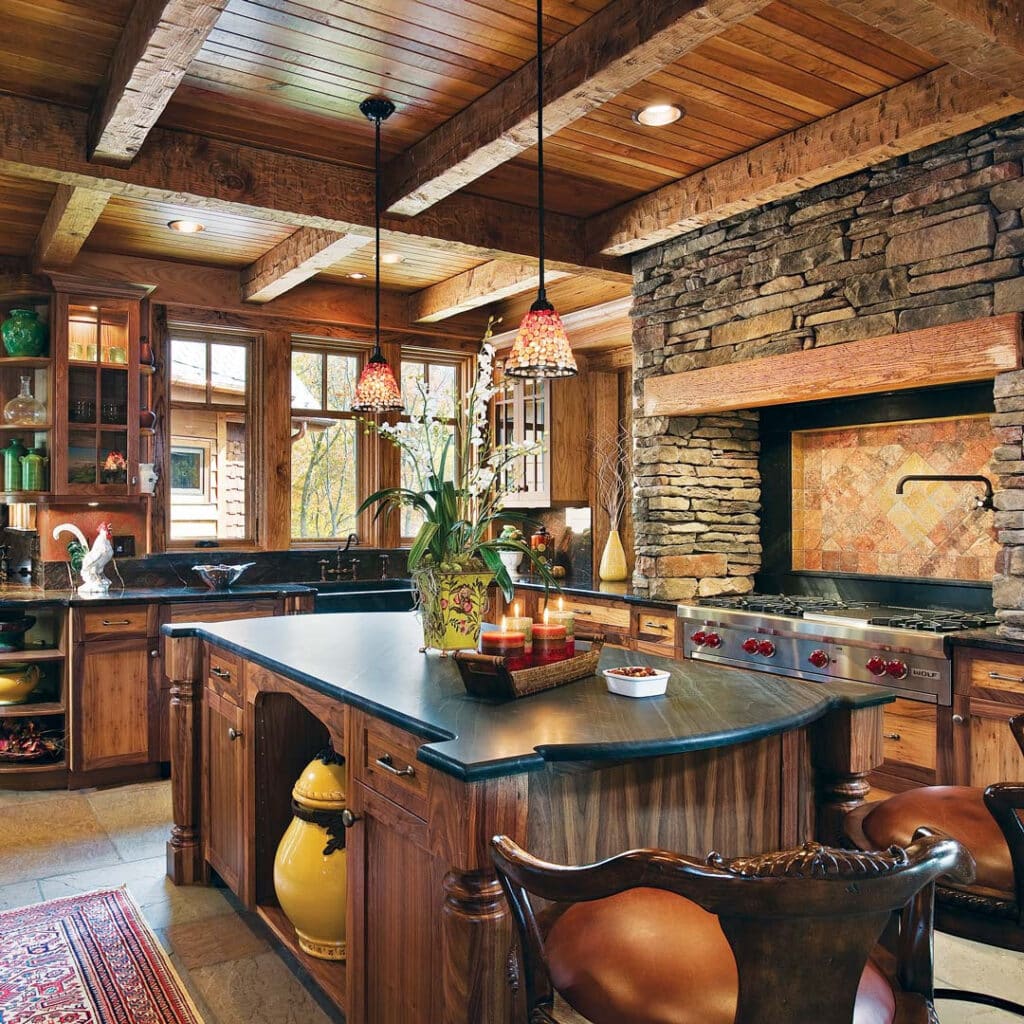
A material combination can add personality. It creates layers of texture and contrast.
Stone, glass, and wood can sit alongside metal and lacquer in cabinets. This mix of materials supports custom kitchen design.
Brushed brass hardware gives walnut one pairing, while marble backsplashes give it another. White oak is combined with matte black finishes.
Material contrast adds dimension to cabinets. Unify mixed materials with complementary colors and consistent finishes.
Stone countertops provide durability in prep zones. Metals suit high-use spots and also provide durability, while wood suits gathering areas.
In an open-plan kitchen, different textures can define kitchen zones without physical partitions. The textures mark areas within the layout.
Material harmony helps keep a space from feeling overloaded, so competing textures should be limited. Tone and proportion help maintain a consistent look.
Material choices can support personal style. A mixed-materials approach also supports functionality.
Glass Cabinets
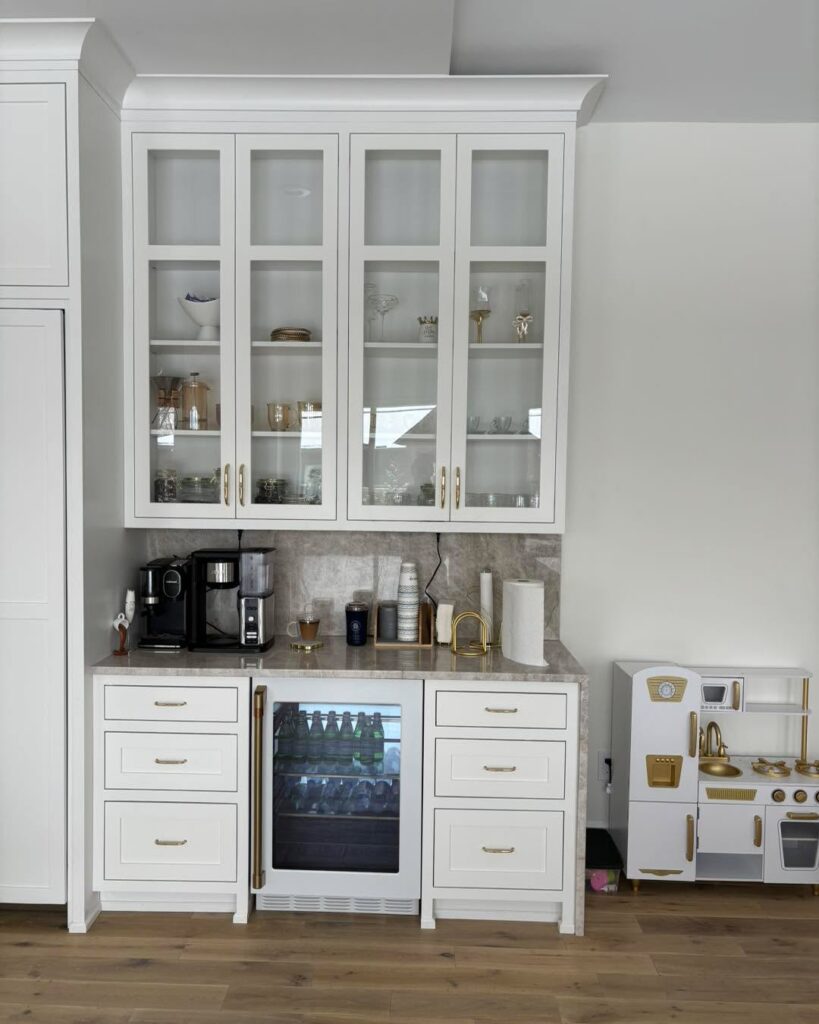
Glass cabinets make the contents visible through the doors. The glass creates a transparent look.
Glass-fronted cabinets keep dust off stored items while feeling visually lighter than closed cabinetry. They offer more coverage than open shelving without the same enclosed look.
Glass options can shape the style of the cabinets and meet different privacy needs. Clear, frosted, seeded, and textured glass each create a distinct look.
Dishware, ceramics, and glassware can fill the cabinet. The displayed contents function as a design element.
In a larger room, glass-fronted cabinets can support a more spacious appearance. They reflect light and suit small kitchens.
Slim brass handles and rustic wood frames pair with glass-fronted cabinets. Install interior cabinet lighting to highlight the collection and provide ambient evening light.
Designers recommend mixing solid cabinets with glass-fronted cabinets for visual balance. Seeded glass reduces visible fingerprints, while textured glass reduces visible smudges.
A full wall or a run of upper cabinetry can make room for glass-fronted cabinets. The cabinets hold everyday items while also creating space to display them.
Tall Pantry Unit
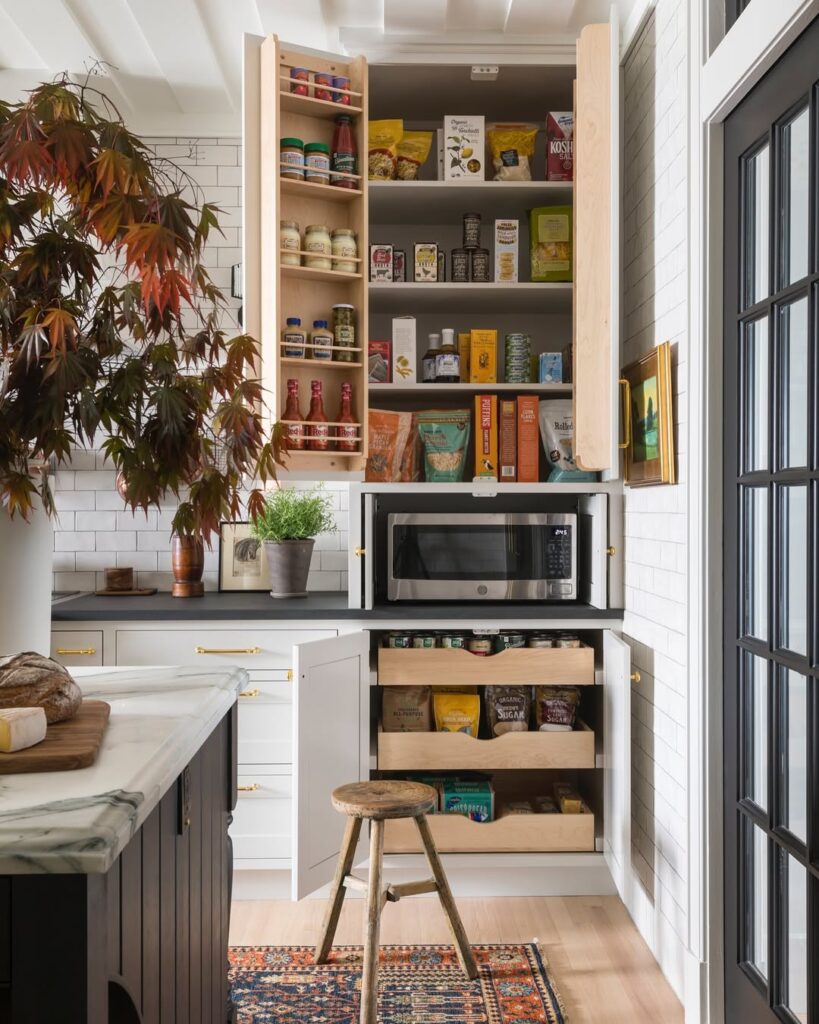
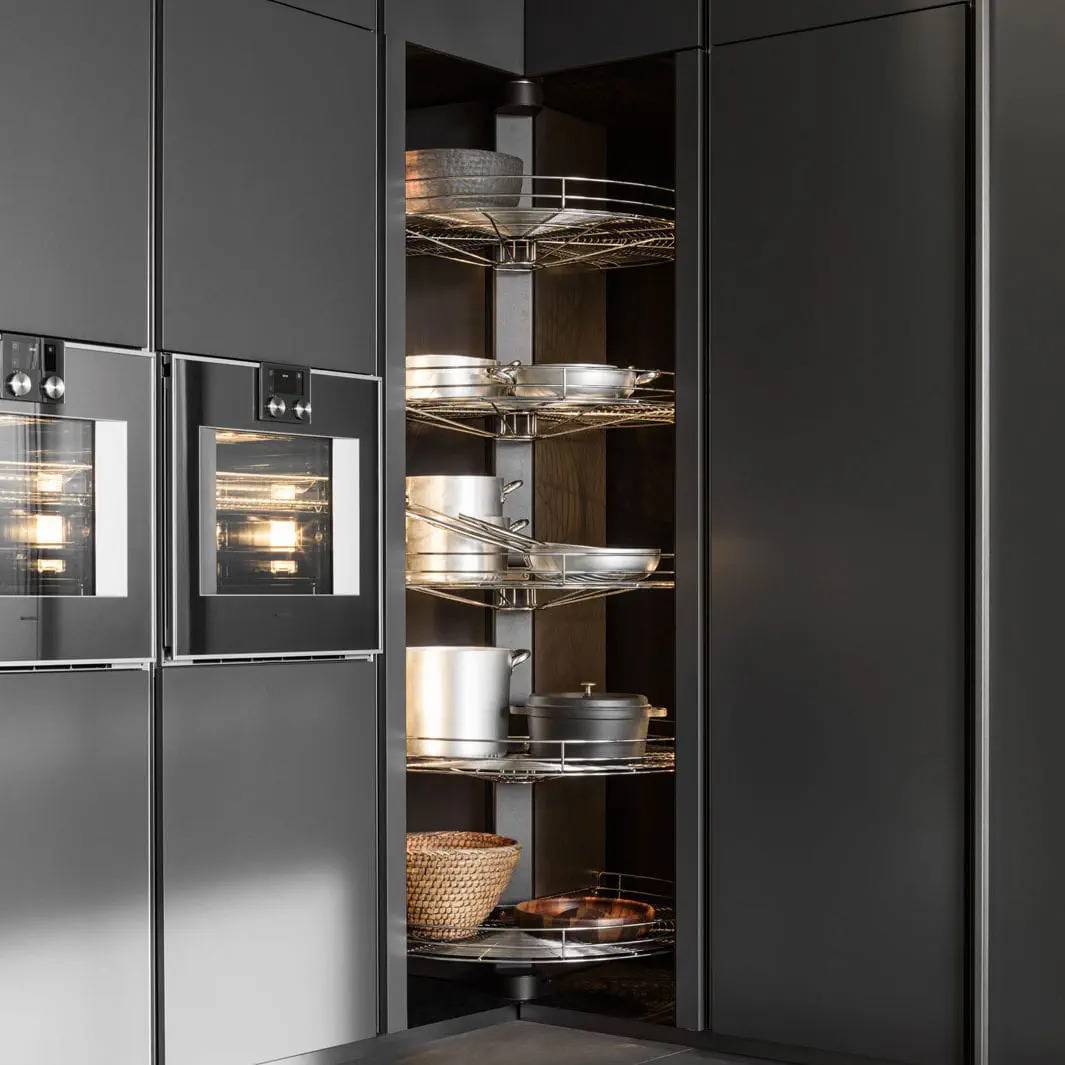
Tall pantry units support storage maximization while preserving the kitchen's appearance.
Tall pantry cabinets store dry goods, small appliances, and cookware. Their floor-to-ceiling height keeps the contents hidden behind doors.
Tall pantries suit compact kitchens and open-plan layouts. They support organized storage in both settings.
Pantry usability improves with features such as pull-out drawers and adjustable shelving. Integrated lighting and spice racks mounted on the doors make the space easier to use.
Match the pantry exterior with the surrounding cabinetry. Matching exterior finishes create a uniform appearance.
In some tall pantry units, textured inserts or glass-fronted doors add detail. Glass-fronted doors preserve the pantry's function.
Multifunctional kitchens increase the need for efficient storage. Kitchens serve as family gathering hubs, entertaining areas, and remote work areas.
Tall pantry cabinets keep essentials accessible while storing those essentials discreetly. Optimize pantry space for large cereal boxes, wine racks, and charging stations.
Hidden Kitchen Appliances
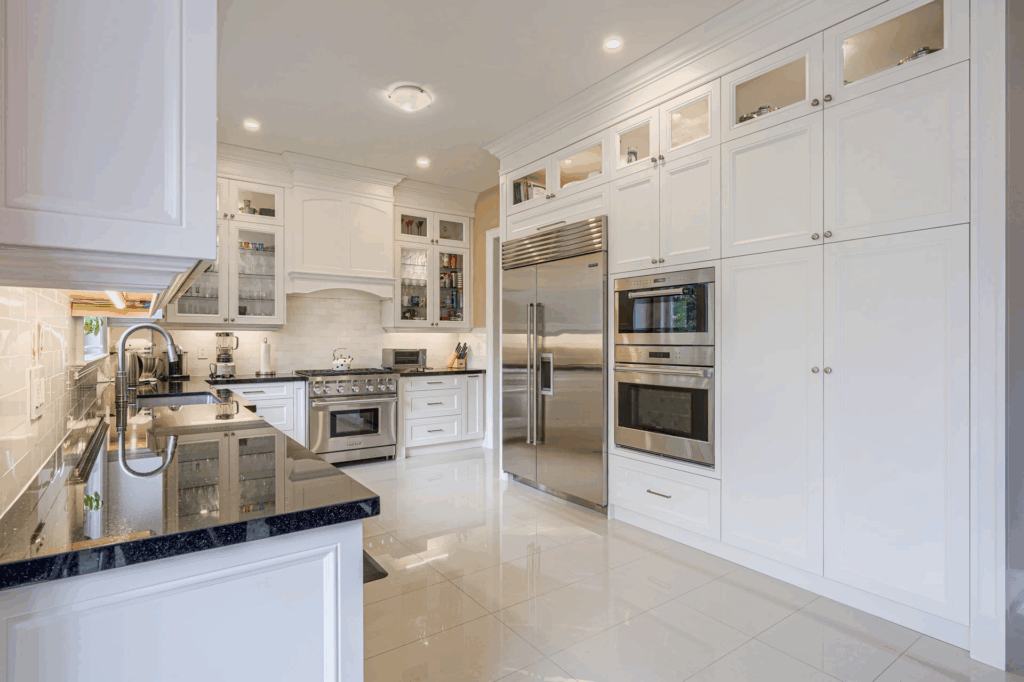
Concealed appliances provide visual continuity while preserving kitchen function. The appliances remain part of the working kitchen.
A refrigerator, dishwasher, and microwave can each sit behind a custom cabinetry panel. Panel-concealed appliances create a furniture-like kitchen appearance.
Open-concept homes suit hidden appliances because they blend with living areas and dining areas. They also reduce the visibility of utilitarian elements.
A full-height cabinet front can cover a panel-ready appliance. Touch-to-open systems and panel-ready appliances enable hidden integration without sacrificing usability.
Concealed appliances can reduce noise. Paneling often may add sound insulation.
Concealed appliances simplify cleaning and maintenance. They also reduce dust-collecting crevices.
Painted MDF, walnut, or white oak can be used for integrated appliance panels. The panels may match or complement the surrounding cabinetry.
A ventilation hood can be concealed within cabinetry. One minimalist version integrates with the upper cabinets.
Hidden appliances support multifunctional living spaces. They retain practicality while serving daily life and hosting.
Alternatives to Open Shelving
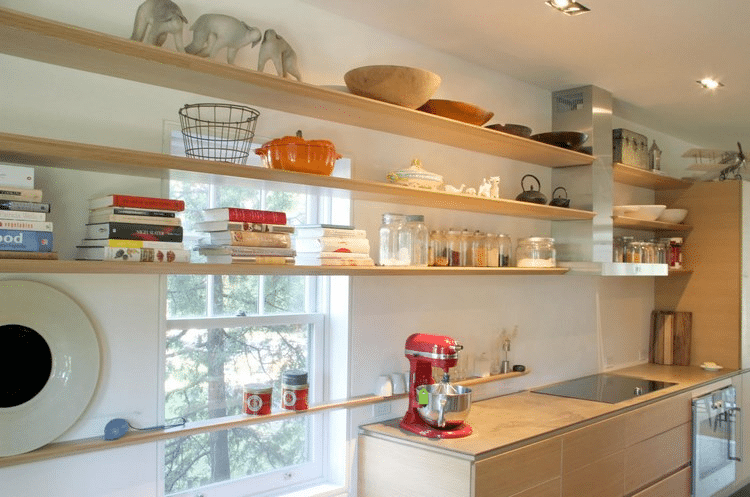
Open shelving alternatives address practical concerns as well as visual ones while providing an airy appearance. The lighter effect remains a useful detail.
Accessibility and organization are balanced by storage alternatives such as floating ledges, narrow cubbies, pegboard walls, and glass-fronted cabinets.
In the kitchen, shallow cabinetry and partially open units reduce dust and clutter maintenance while retaining visual openness.
Recessed shelf niches can remain open during use. Pocket-door cabinetry can close neatly.
Alternative open storage suits prep areas and coffee stations. Designers suggest placing it near functional zones, using materials such as reclaimed wood, wire mesh inserts, and metal framing.
Under-cabinet strips and spotlights support storage visibility. The lighting makes the stored items easier to see.
Open shelving alternatives support kitchen flow, easy access, and display space. Pottery, cookbooks, and greenery can fill that display space.
Two-Tone Kitchen Cabinets
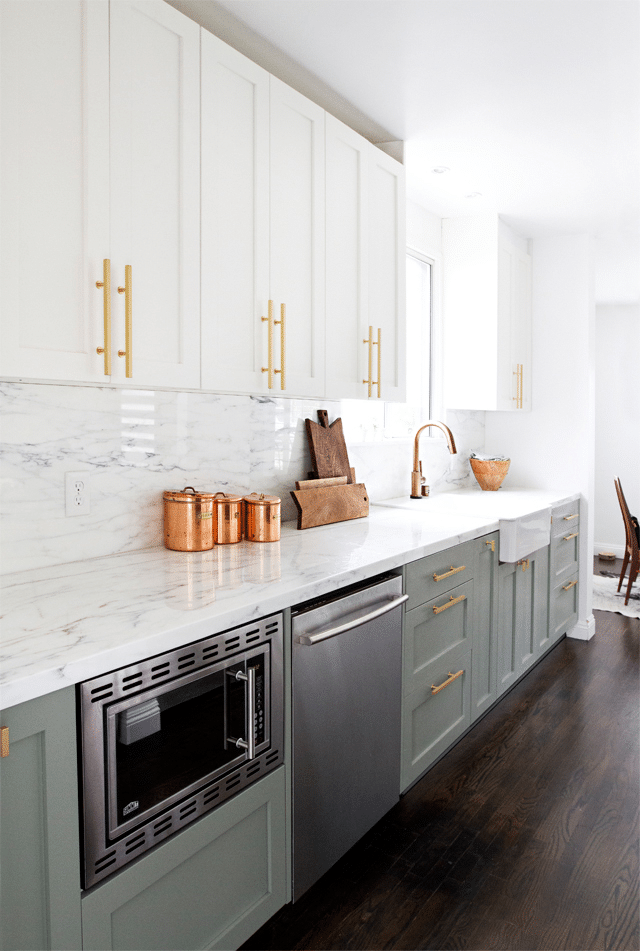
Complementary colors give two-tone cabinetry a coordinated look. Using two colors can break up the monotony of a single-color kitchen, and the cabinetry may use contrasting colors.
Upper cabinets typically use lighter hues, while lower cabinets use darker shades. This placement creates color balance.
Charcoal with warm wood is one possible pairing. Navy and white, or sage green with cream, are other options. Two-tone cabinetry allows the use of trend colors while avoiding a design that feels overpowering.
Two-tone cabinetry can define zones in an open-plan kitchen. It does so without requiring structural changes.
Matte finishes may work well with two-tone cabinetry. The combination adds visual depth and may make the room seem larger, while brushed metallic hardware can pair with the cabinet colors.
High-gloss lacquer may suit a modern style, while distressed finishes may suit a rustic style. Two-tone cabinets offer design versatility across these looks.
Newer paint formulations support durability and easy cleaning. As a result, two-tone cabinetry can have manageable maintenance.
Tall Vertical Cabinets

Use the vertical space to improve kitchen functionality. Tall cabinets make use of the room above the usual storage areas.
A wide range of kitchen essentials can be kept off the countertop. Tall storage cabinets hold those essentials and help reduce countertop overcrowding.
Ceiling-height cabinets increase storage and suit small kitchens with limited space. They also support a streamlined appearance.
Pantry items can fit into vertical storage, while cleaning supplies can remain discreetly tucked away. The same cabinet space can also hold small appliances.
Adjustable shelving supports flexible space customization. In vertical cabinets, it can accommodate tall appliances as well as stacked baking sheets.
Built-in spice racks improve organization, while slim pull-outs improve access to items that were previously exposed. This kind of vertical storage also reduces clutter.
Vertical cabinetry supports clean-lined and minimalist kitchens. It combines practicality with aesthetics without adding unnecessary visual breaks.
Natural wood textures, matte finishes, and muted colors are often used on vertical cabinets. These materials and finishes keep the tall forms visually quiet.