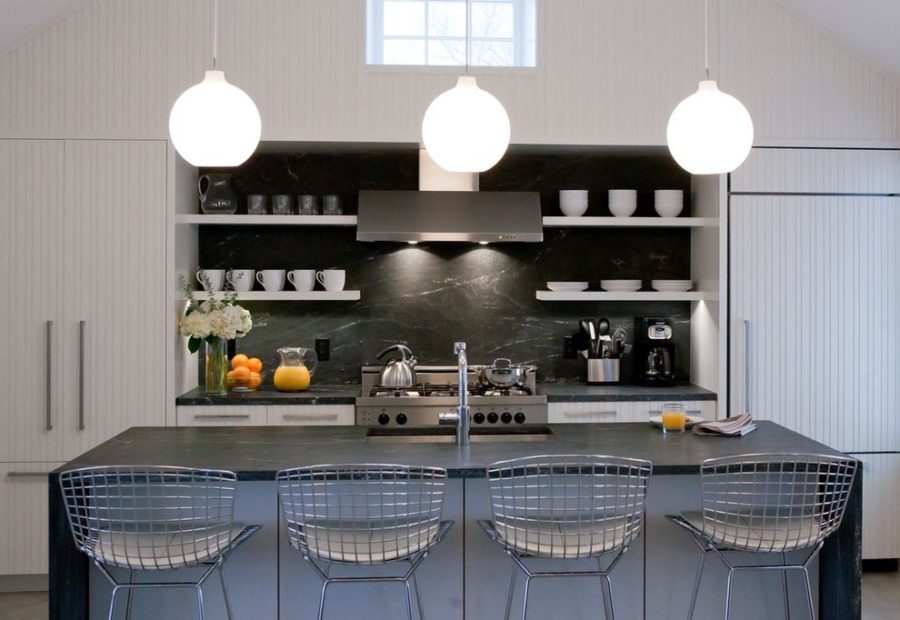
20 Beautiful Cream Kitchen Cabinet Ideas
Warm cream cabinets can shape a welcoming kitchen. Their color also suits a refined kitchen. The warm finish gives the cabinetry a comfortable presence while keeping the room polished.
Cream has high versatility in kitchen spaces. It works with farmhouse, coastal, and modern classic style. The color remains noticeable without taking over the room.
Cream looks softer than bright white, which gives the kitchen a gentler appearance. It pairs well with natural textures and brass hardware. Earthy accents also work naturally with this color.
Cream can brighten the room while retaining warmth. That balance supports kitchens that need both light and warmth.
These cream cabinetry ideas work for a remodel or a fresh update.
Open Shelves on a Cream Background
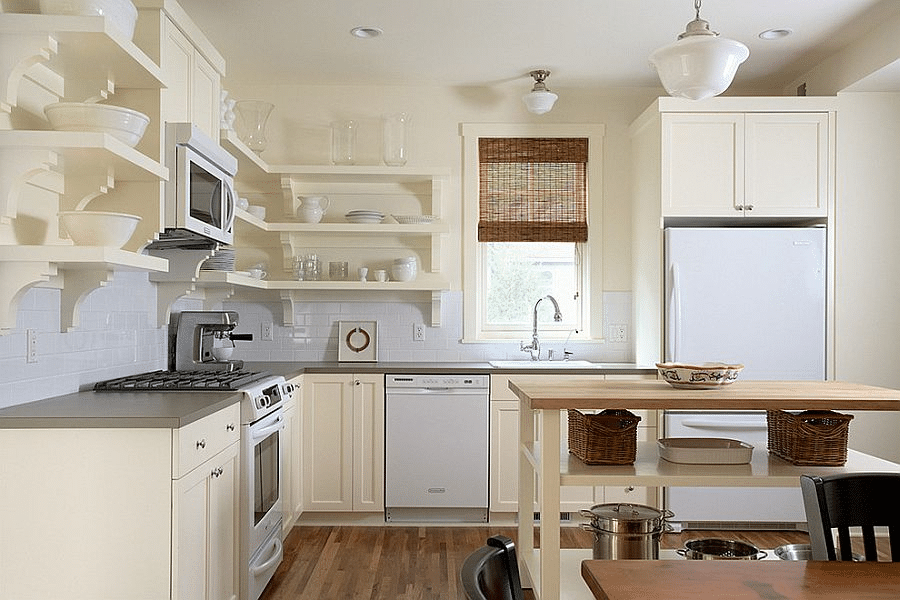
The neutral cream backdrop supports open shelving. Open shelves display everyday items and collections.
Cream walls and cream cabinet panels sit behind the open shelves. This backdrop reduces both the industrial appearance and the unfinished appearance.
Wood and metal floating shelves contrast with the cream backdrop. Warm glassware and muted dishes balance the shelves.
Open shelving provides access to spices, utensils, and frequently used cookware. It suits cooking zones and prep areas.
In small kitchens, a cream backdrop reflects natural light. Open shelving allows color and decor changes and supports seasonal styling.
Open shelves add architectural depth while serving display and storage needs. They also support organization.
A cream backdrop with open shelving supports both accessibility and utility.
Vintage Style Cream Cabinetry

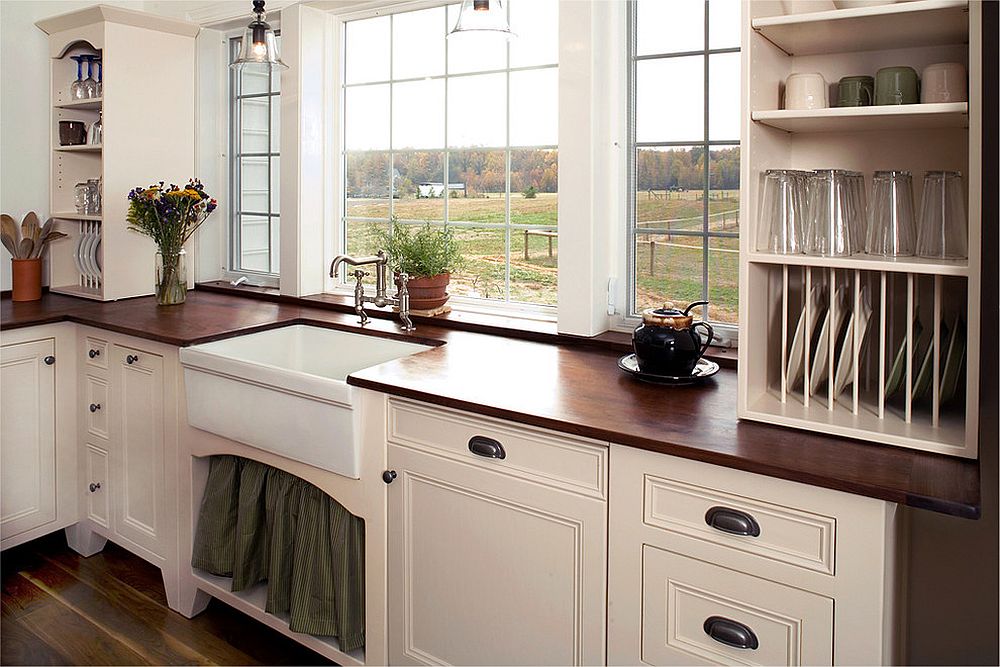
Aged finishes and patinated hardware work with inset doors, glass knobs, and curved paneling. The cream cabinetry has a vintage-inspired character, while the traditional detailing supports a vintage style.
The cream tone supports historical references without making the kitchen look outdated.
Decorative crown molding and beadboard support a classic aesthetic. Hardware in aged brass or antique pewter adds to the traditional cabinet treatment.
Vintage lighting fixtures reinforce the vintage theme. The kitchen also includes a subway tile backsplash and checkerboard flooring, with either a schoolhouse pendant or an iron sconce.
A wood accent pairs with the cream cabinetry, an apron-front sink, and a marble countertop.
Vintage cabinet designs can include hidden storage and modern hardware mechanisms. The modern mechanisms preserve the traditional exterior.
The cream cabinetry combines old-world appeal with contemporary convenience.
Cream and taupe cabinet tones

The cream and taupe colors create layered interest while maintaining a soft atmosphere. This two-tone cabinetry keeps the overall mood gentle.
Cream upper cabinets keep the upper area light. Paired with taupe lower cabinets, they anchor the space while avoiding excess modernity or excess rusticity.
Stone countertops work with cream and taupe. The earthy taupe complements cream and also pairs with wood flooring and brushed metal appliances.
Taupe bridges beige walls, warm bronze fixtures, and greige backsplashes. The two-tone colors define cooking and prep areas and support zoning in an open-plan layout.
Under-cabinet lighting highlights both cabinet tones and brings out their color shift, so install it beneath the cabinets. The semi-gloss finish reflects natural light and suits small kitchens, while a matte finish is another option for both cream and taupe.
Monochromatic themes are not the direction of a two-color cream and taupe scheme.
This cream and taupe combination supports timelessness while maintaining cohesion and a calm atmosphere.
Cream Cabinets Over Bold Floors
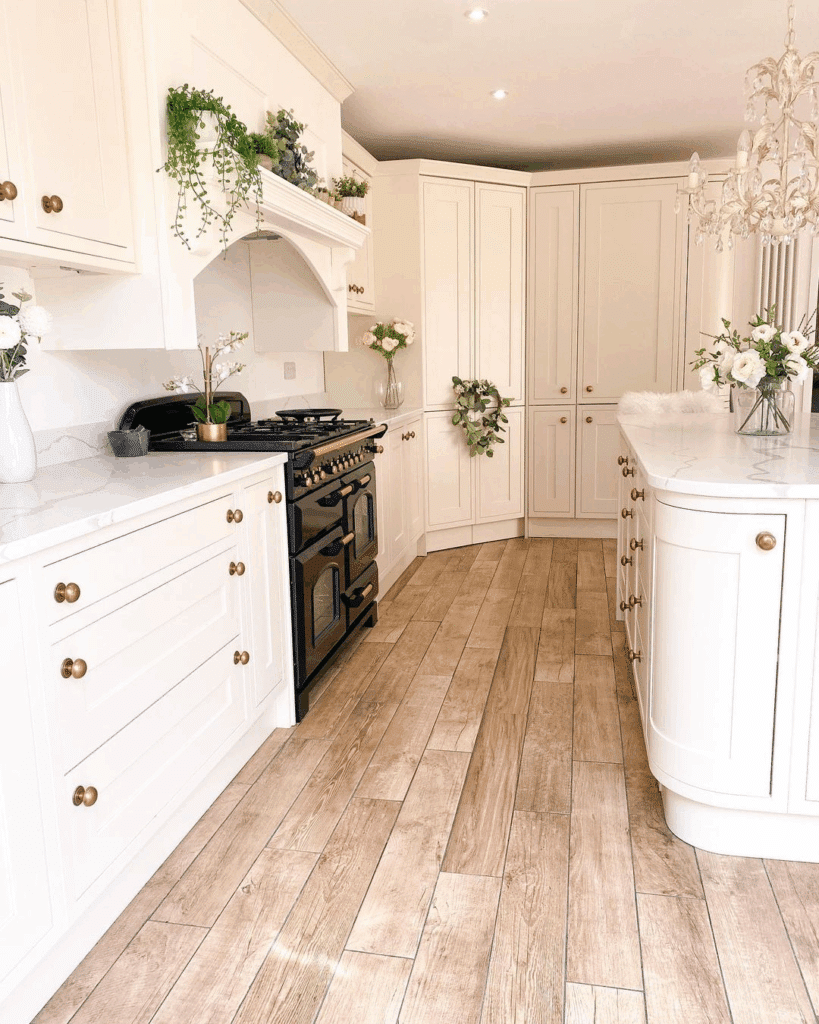
A bold floor anchors the cream kitchen and contrasts with the cream cabinetry. Choices include patterned cement tile, dark slate, and stained hardwood laid in wide planks.
Bold flooring supports a grounded kitchen, while the upper kitchen design remains soft and airy.
Graphic flooring serves as a visual element in the kitchen. Checkerboard, herringbone, and encaustic tile patterns suit both long open layouts and galley kitchens.
Cream neutrality prevents visual busyness and keeps the kitchen from appearing bottom-heavy. Patterned floors and dark floors balance the cream neutrality.
Bold flooring can have a matte or textured finish, while cabinet finishes may be matte or satin. Pair the flooring with simple hardware and neutral countertops.
In the kitchen, cream cabinetry with bold flooring combines high impact with softness.
Sustainable Cream Cabinetry

Eco-conscious cabinetry uses sustainable materials such as bamboo, reclaimed wood, or low-VOC MDF. These choices support the cabinetry while preserving design quality.
Sustainable cabinet materials can receive a soft cream finish. That finish coordinates with the flooring and countertops.
Healthier indoor air is supported by water-based paint or plant-based lacquer, which also reduces off-gassing. This sustainable cabinetry approach includes energy-efficient LED fixtures and responsibly sourced hardware.
The cream finish shows natural texture and wood grain. This detail remains visible through the cabinet surface.
Recycled-content or certified-wood cabinets maintain quality and longevity. Proper sealing and maintenance are part of that.
Sustainable cream cabinetry is a mainstream option for Scandinavian, transitional, and modern rustic kitchens.
For clean living, select environmentally sound construction and responsible finishes. Sustainable construction and finishes support responsible sourcing.
Integrated Cabinet Lighting
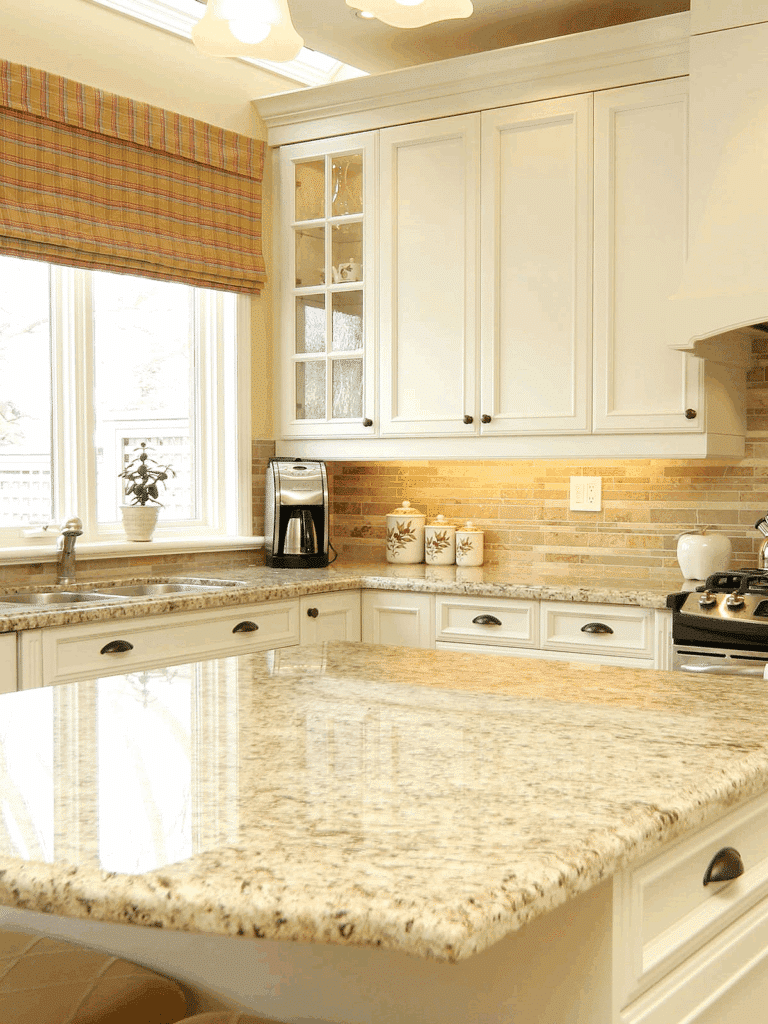
Lighting in the prep area improves visibility and usability. Under-cabinet LED strips and interior puck lights can be located within cream cabinetry, giving the cream tone added dimension.
The lighting glow feels inviting and brings cream warmth into the room. The lighting stays gentle enough that it does not overpower the design.
Lighting controls make the cabinets useful in the evening and while entertaining. Interior cabinet lighting draws attention to glassware and display items. Choose motion-sensing controls or dimmable lighting to support energy efficiency and user control.
Warm lighting helps maintain palette cohesion, while cool white lighting creates contrast. Lighting becomes especially important with darker flooring or matte countertops, where it prevents the space from feeling subdued.
LED strips can sit beneath the toe-kick or at the cabinet crown. This toe-kick or crown lighting supports a floating appearance and helps carry the architectural flow through the kitchen.
Integrated cabinetry lighting serves both design and function. It also gives the kitchen a modern style.
In the cabinetry, integrated lighting provides practicality while maintaining visual harmony.
Integrated Appliances in Cream Cabinetry

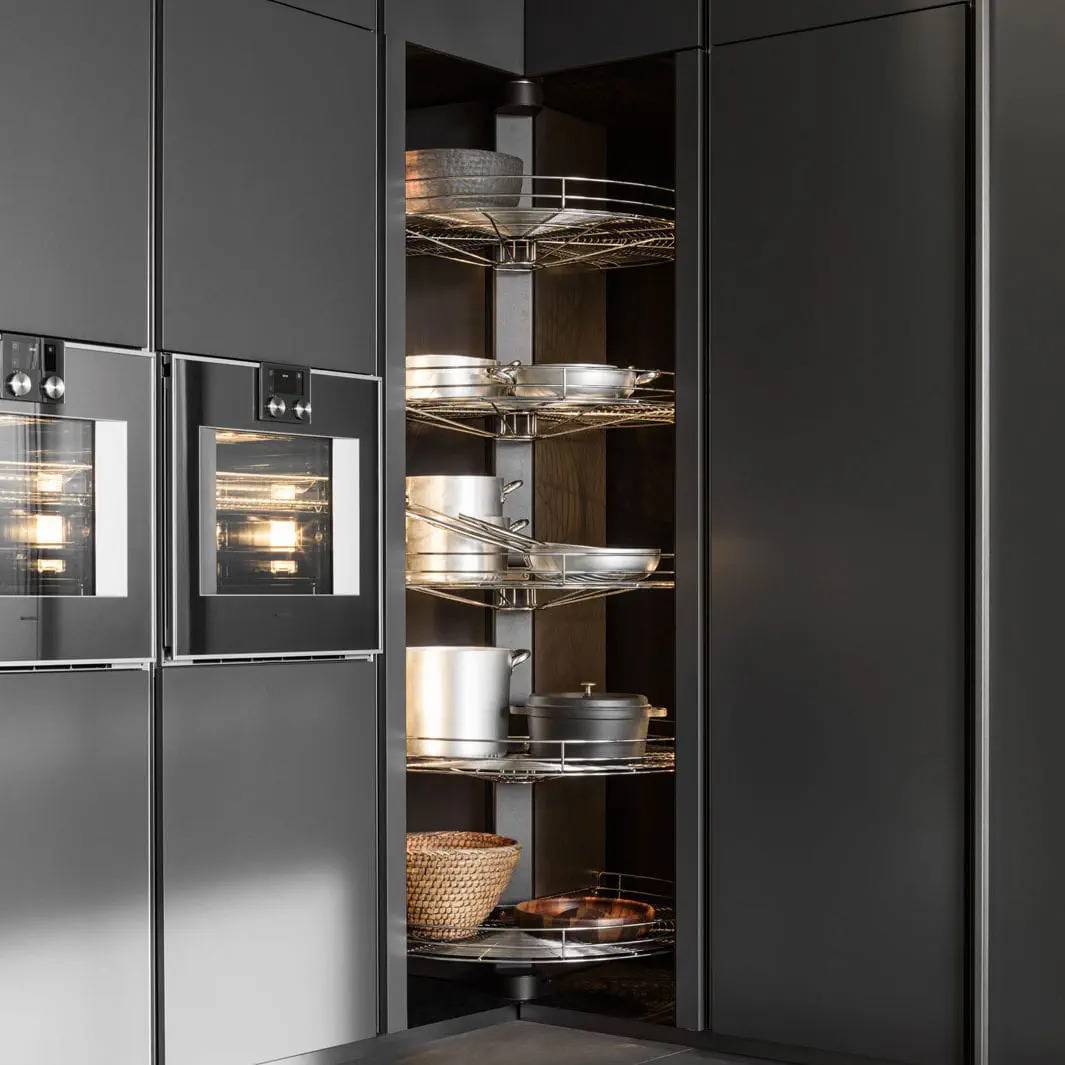
The kitchen uses cream cabinets with concealed appliances. Concealed appliances support visual continuity and keep the visual flow moving across the cabinetry.
The refrigerator is cabinet-concealed, as are the dishwasher and ventilation hood. Matching cabinet panels enclose all three appliances.
Integrated appliances help the kitchen blend into the surrounding area and suit open-concept spaces. The cream palette softens appliance outlines.
Custom cabinetry is designed for appliance fit, while panel-ready units preserve both performance and visual harmony. The custom cabinetry must allow proper airflow.
Minimalist edge pulls and flush-mounted bars reinforce a streamlined look.
Concealed accent features can include a built-in coffee station and an under-counter wine fridge. This integrated appliance layout suits compact kitchens, and its visual continuity can make the space feel larger.
Integrated appliances reduce exposed hardware and finish conflicts. They combine technology with design while supporting efficient space use.
Cream Cabinetry with Wood Warmth

Natural wood tones add texture and organic warmth. A natural wood accent can be used on the cabinets to bring that material into the cream kitchen.
Wood accents add tactile interest to the kitchen. They can appear as an open wood shelf, a wood cabinet accent panel, or a butcher block countertop. Cream finishes soften the wood details.
The balance of materials brings refinement together with natural elements. Cream cabinetry with wood suits rustic-modern spaces as well as transitional spaces.
Light oak, walnut, and reclaimed pine all complement cream cabinetry. Wood trim and wood toe-kicks support cohesion, while reclaimed pine also works with the cream finish.
Wood countertops can define a prep zone or a breakfast nook and support a handcrafted feel. Open wood shelving provides display space and also allows for personalization.
Brushed nickel and oil-rubbed bronze hardware both pair with wood accents and bridge the cream and wood together. Wide-plank wood flooring and wood paneling on the ceiling carry the material through the room.
Natural finishes bring material contrast to the room. Cream cabinetry and wood accents work together to support visual harmony.
Cream Cabinetry and Marble

Marble countertops paired with cream cabinetry create a sense of quiet elegance.
Natural marble veining brings complexity and subtle movement to the surface. Its pattern contrasts with the warmth of the cream cabinetry.
Marble with soft beige undertones complements cream cabinetry. Bold gray veining does too, adding a stronger pattern while keeping the same cabinet pairing.
This color scheme is versatile, and the materials have an enduring quality. Cream cabinetry and marble suit coastal kitchens, traditional kitchens, and minimalist layouts.
A full-slab marble backsplash can extend the marble surface. Using one slab allows the pattern to continue across the kitchen.
Polished marble creates a contrast with the cabinet finish, which can be matte or satin. Brass and chrome fixtures work with wood flooring or light ceramic tile to support a natural palette.
The combination can feel high-end while remaining approachable. Maintenance-conscious homeowners can choose marble-look quartz, which resembles marble and offers added durability.
The marble and cream cabinet combination is not excessively ornate, so it supports kitchen function. Cream cabinets and marble balance softness with luxury without making the room feel clinical.
Contrasting Kitchen Island
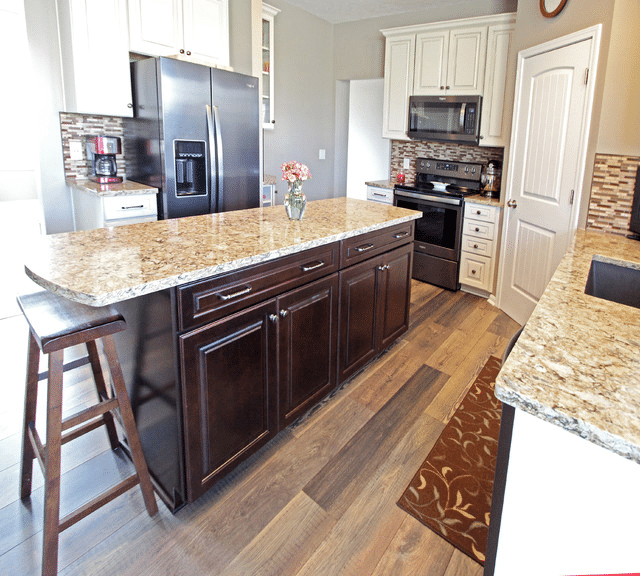
Cream cabinetry paired with an island in a darker or contrasting tone creates a visual anchor. The island stands out against the lighter cabinets.
The island serves as the focal point, while cream cabinetry provides a subtle backdrop. The island focal point should not overpower the room.
An island in navy, charcoal, forest green, or natural wood can provide contrast. These color choices give the kitchen a distinct visual break.
These contrasting island colors add dimension and richness while the cream cabinetry retains its soft quality.
Repeat the island color in pendant lights, backsplash details, or bar stools to unify the room palette. Repeating it elsewhere preserves the island's distinction.
Smoother perimeter surfaces gain a tactile contrast from an island countertop. Butcher block, honed granite, and leathered quartz are options for the island, each bringing a different surface feel.
Seasonal styling and personal styling work well on the island. The contrasting island accommodates the cream cabinetry while supporting both approaches.
Mixed cabinetry tones add depth to the kitchen. They maintain harmony while balancing contrast with cohesion.
Cream-Framed Glass Cabinet Doors
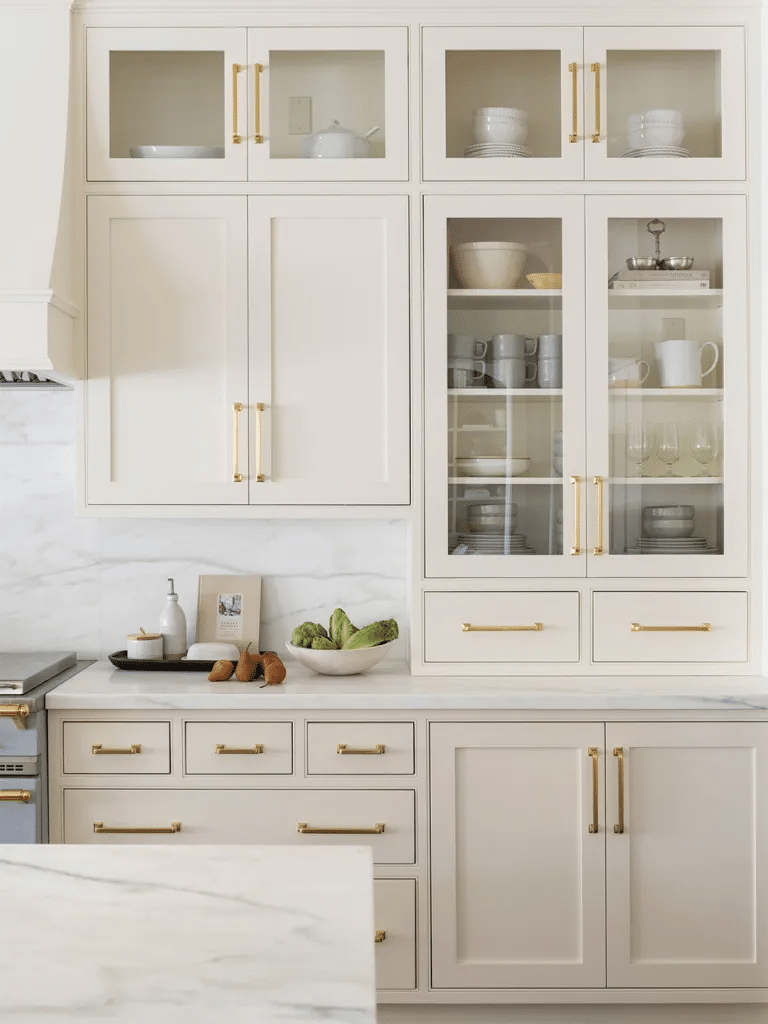
Across the kitchen, transparent cream-framed doors support kitchen storage while reducing visual weight.
Glass-front units in upper cabinetry encourage organized storage and reduce visual weight. Pair them with complementary dishware tones.
Frosted, fluted, and seeded glass textures give control over visibility. The options range from full display to partial concealment.
Heirloom dishes, fine glassware, and everyday essentials sit behind the glass fronts. Lighting placed there highlights the cabinet contents and supports evening use.
Glass-panel outlines soften the cream tones. Glass-front cabinetry supports both practical storage and display, making it a suitable choice for medium to large kitchens.
Cream cabinetry combined with glass fronts brings warmth to the room while keeping stored items clear to see. The combination provides both storage clarity and warmth.
Decorative Backsplash with Cream Cabinetry
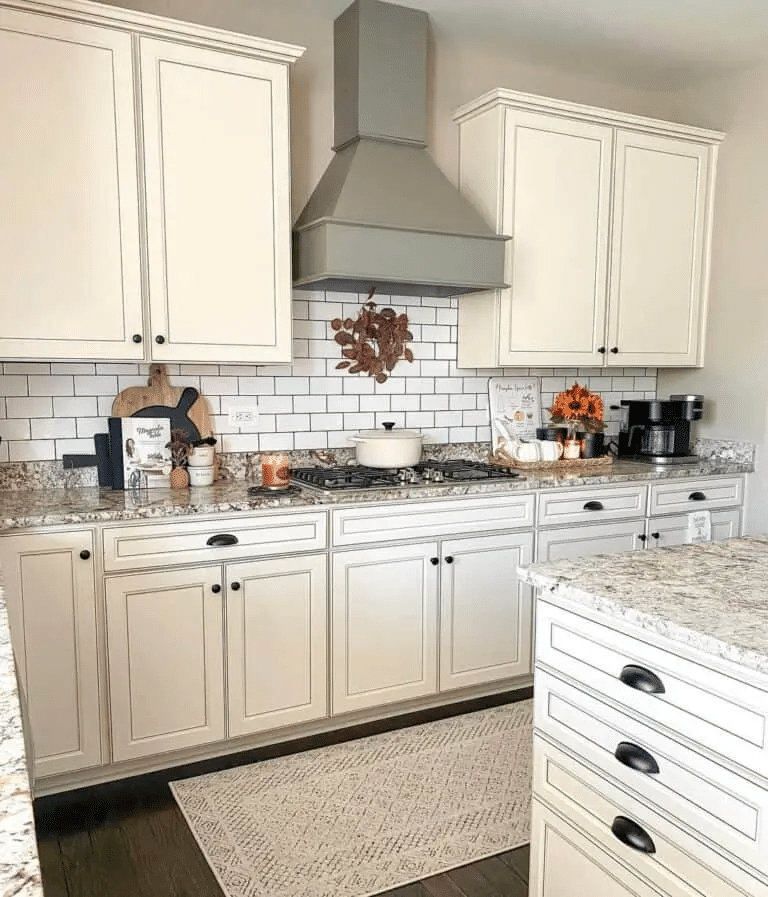
A decorative backsplash functions as a kitchen surface and pairs with cream cabinets. It adds depth behind the cabinetry.
Intricate tilework and textured stone bring contrast to cream cabinetry. This backsplash pairing adds personality without relying on bold colors or accents that overwhelm the room.
A backsplash can contain texture and pattern while supporting pattern visibility around cream cabinetry. Hand-painted tiles, Moroccan mosaics, and herringbone subway tile are options, with the backsplash serving as a focal point.
Coordinated grout unifies the design. Choose a grout color that works with both the cabinet tone and the tile style.
In an open-concept layout, coordinated grout supports smooth transitions. A matte backsplash finish creates an understated mood, while a glossy finish feels more reflective.
A decorative backsplash supports personality and adds contrast when paired with a muted countertop and simple hardware.
The decorative backsplash strategy balances individuality and warmth with lasting durability.
Cream Cabinets and Brass Hardware
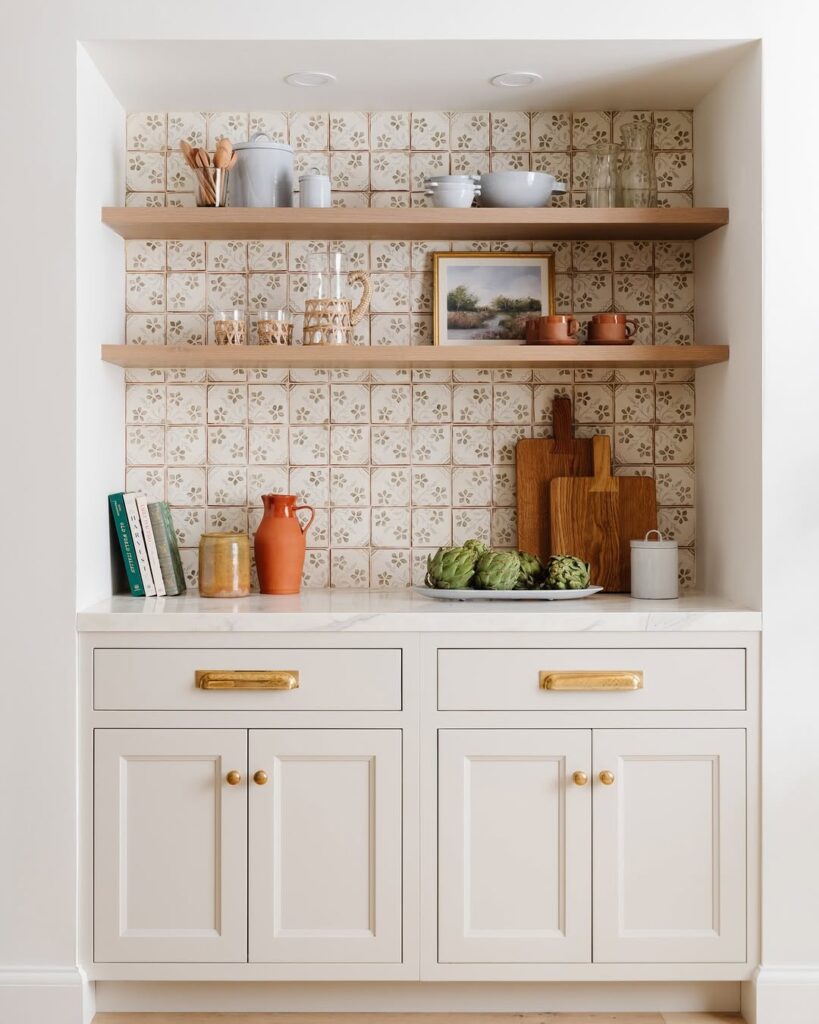
Warm metallic brass hardware paired with cream cabinetry enhances the cream base. It preserves the focus on the cabinets while adding a distinct hardware detail.
Cream and brass suits modern farmhouse and transitional kitchens.
Brass hardware can include slim bar handles, cup pulls, and vintage-inspired knobs. Brushed or satin brass reduces glare.
Brass hardware works well with different faucet styles. It also complements lighting fixtures.
Brass pairs with quartz countertops and wood countertops, while wood grain enhances the brass. Quartz veining also brings out the brass. Echo the brass tones in the countertop accessories, cabinet hinges, and pendant lighting.
Brass hardware maintains a soothing appearance while adding visual contrast.
Cream cabinets with brass preserve function and versatility while supporting understated luxury.
Minimalist Cream Cabinets
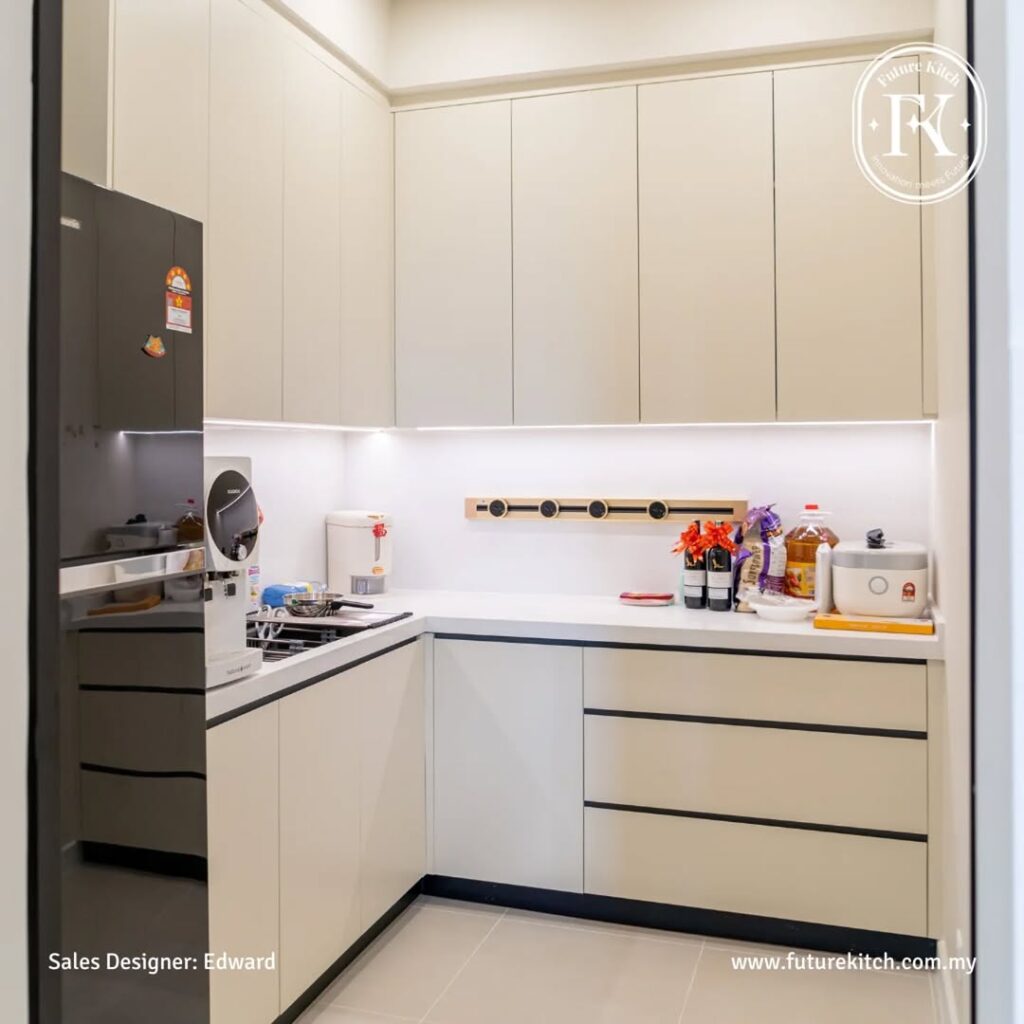
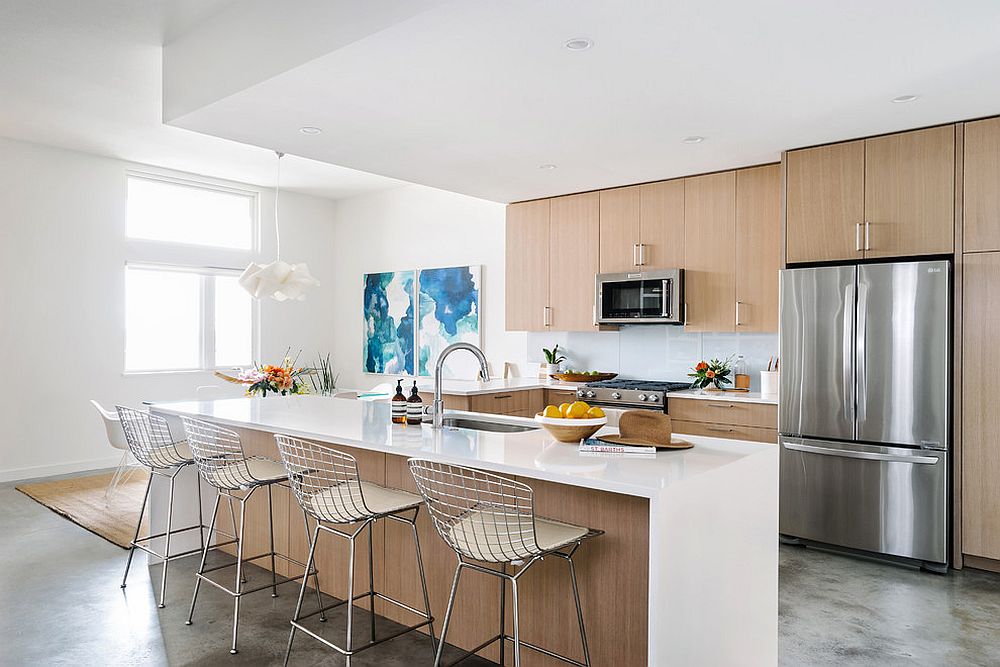
Cream cabinets use clean lines and flat-panel doors without handles. Uninterrupted cabinet runs keep the surfaces uncluttered and emphasize spatial clarity.
The light cream finish keeps the kitchen restrained while adding warmth. Its neutral tone also reduces the starkness of a brighter white.
Concealed storage helps keep the kitchen organized while limiting visual noise. Push-to-open systems reduce distractions, and neutral hardware supports the minimal look.
Matte stone countertops, a concrete floor, and a brushed fixture sit against cream cabinetry. The cabinetry provides a neutral backdrop for each of these materials and finishes.
Lighting is essential here. Recessed ceiling lights and under-cabinet LEDs provide practical illumination while highlighting cabinet edges and adding depth.
Subtle tonal variation, a faint grain pattern, and small architectural flourishes in the paneling add visual interest. This minimalist cream cabinetry suits both urban apartments and new builds, where simplicity and openness are goals.
The minimalist layout combines with cream cabinetry. The cream color brings warmth and depth to the simple arrangement.
Vertical Storage Cream Cabinets
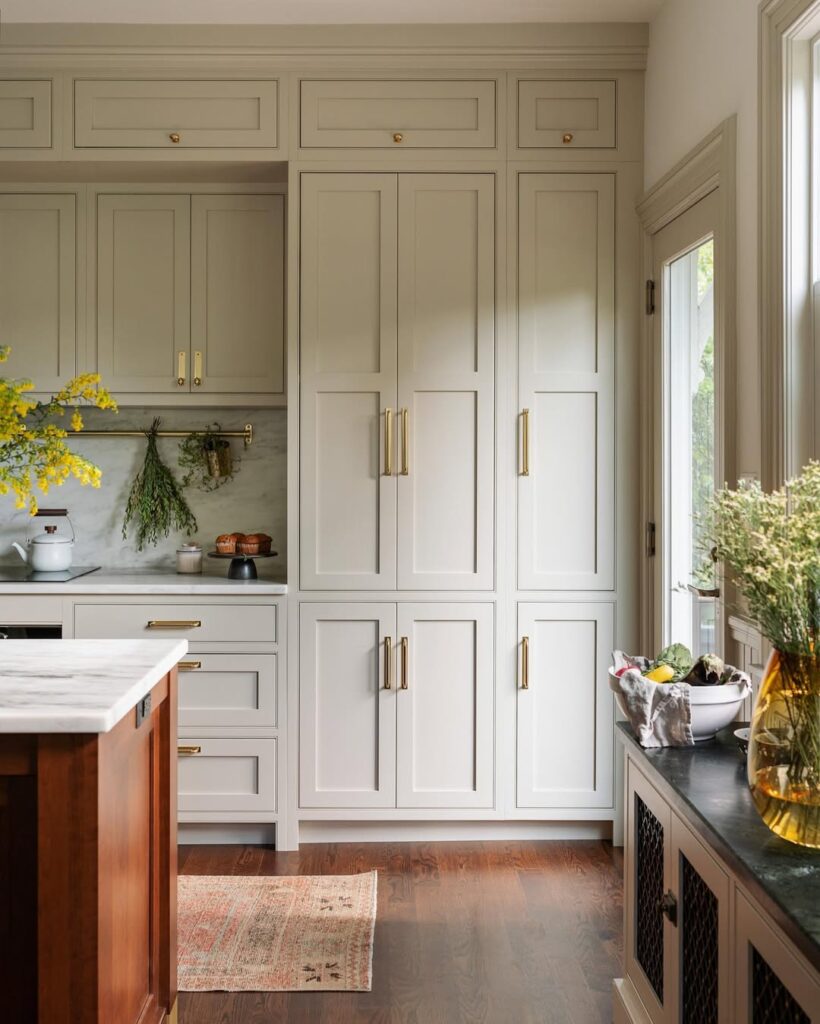
Ceiling-height cabinets support tight layouts. The cream, ceiling-height cabinetry maximizes available space and creates a continuous appearance.
A cream finish makes the tall vertical form feel less stark. These units extend from floor to ceiling, conceal appliances, and store cleaning supplies and pantry items.
Glass-front sections and open cubbies combine with vertical cabinets to provide ample utility. They also break up solid runs in small kitchens.
Neutral cream blends with backsplashes made from laminate, tile, or hardwood.
Vertical hardware reaches door height and emphasizes the ceiling height. Recessed lighting above the cabinets provides both functionality and ambiance.
Vertical cream storage suits urban homes and galley kitchens. It also supports clutter management.