15 Best Two-Tone Kitchen Cabinet Ideas
Color contrast creates visual dynamism in the kitchen.
Two-tone cabinets break up visual monotony. Using two colors also gives the room more depth and balance.
The shades may be complementary or contrasting. Together, paired shades can draw attention to focal points, improve spatial flow, and show personality. The color relationship helps guide the eye through the room.
Two-tone cabinet styles work across many settings. Their adaptable nature makes them easy to adjust for any home.
Forest Green Base Cabinets with Teal Island
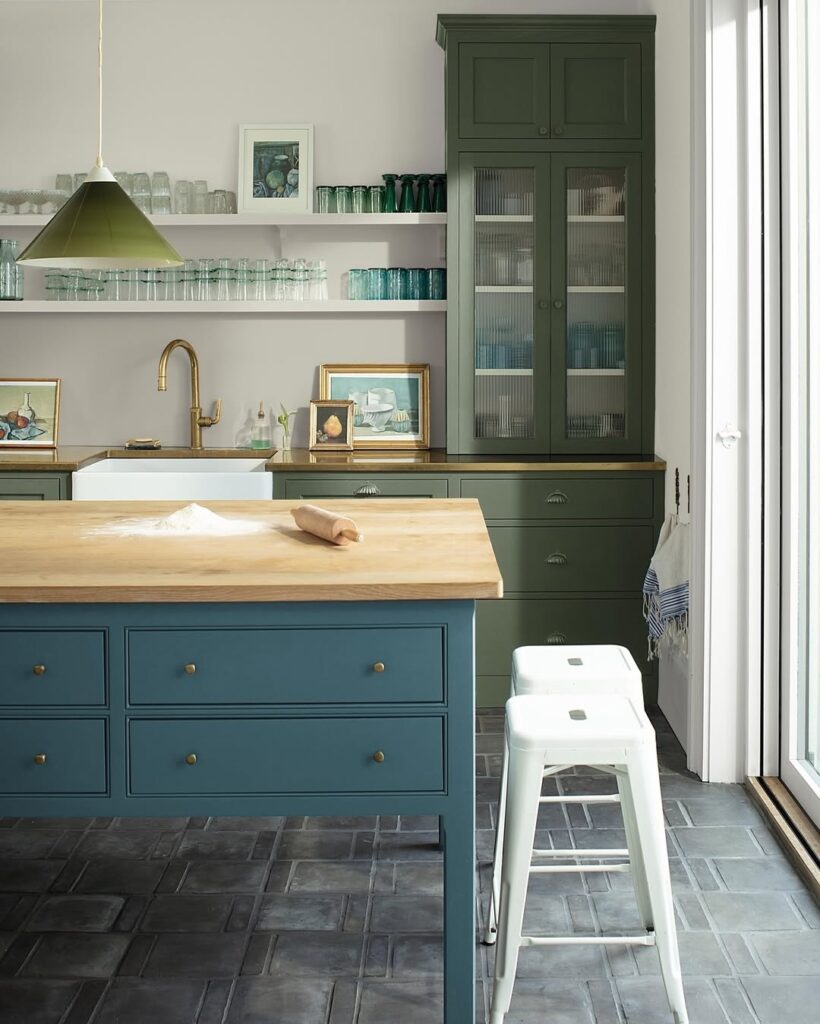
The teal island pairs with forest-green base cabinets. Together, these colors add depth and character to the palette.
The teal island draws the eye toward the cooking hub. Forest green cabinets provide an earthy connection.
Brushed brass hardware and matte black hardware both pair with the forest green and teal colors. These hardware options preserve kitchen personality.
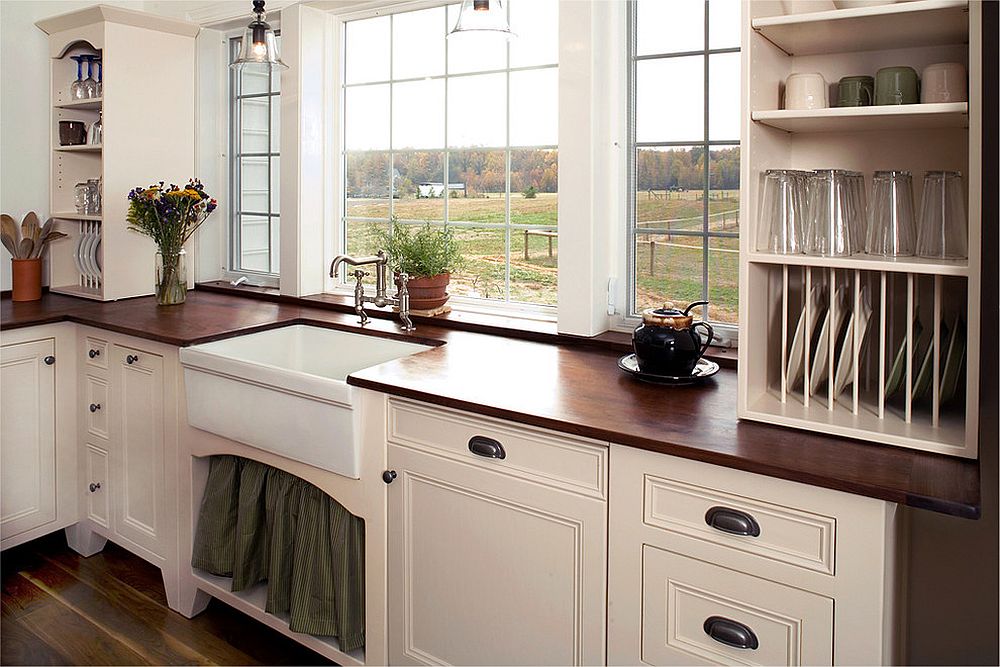
Powder Blue Lower Cabinets and White Uppers

A coastal-inspired design combines white upper cabinets with lower cabinets in powder blue.
White upper cabinets make the space brighter and help it feel taller. The powder blue tone gives the atmosphere a softer quality.
Open shelving works with the two-tone cabinets. A farmhouse sink and brushed nickel hardware complete the combination.
The cabinet design is two-tone. It is tranquil and made for everyday use.
Sage Green Lower Cabinets and Cream Uppers

Sage green cabinetry below pairs with cream upper cabinetry.
Cream brings in warmth and brightness, while avoiding starkness. Sage green is linked with calmness.
The sage-and-cream combination suits transitional, farmhouse, and modern interiors.
The pairing has long-lasting appeal and works with light stone backsplash, brass cabinet pulls, and oak flooring.
White and Smoky Gray Cabinets
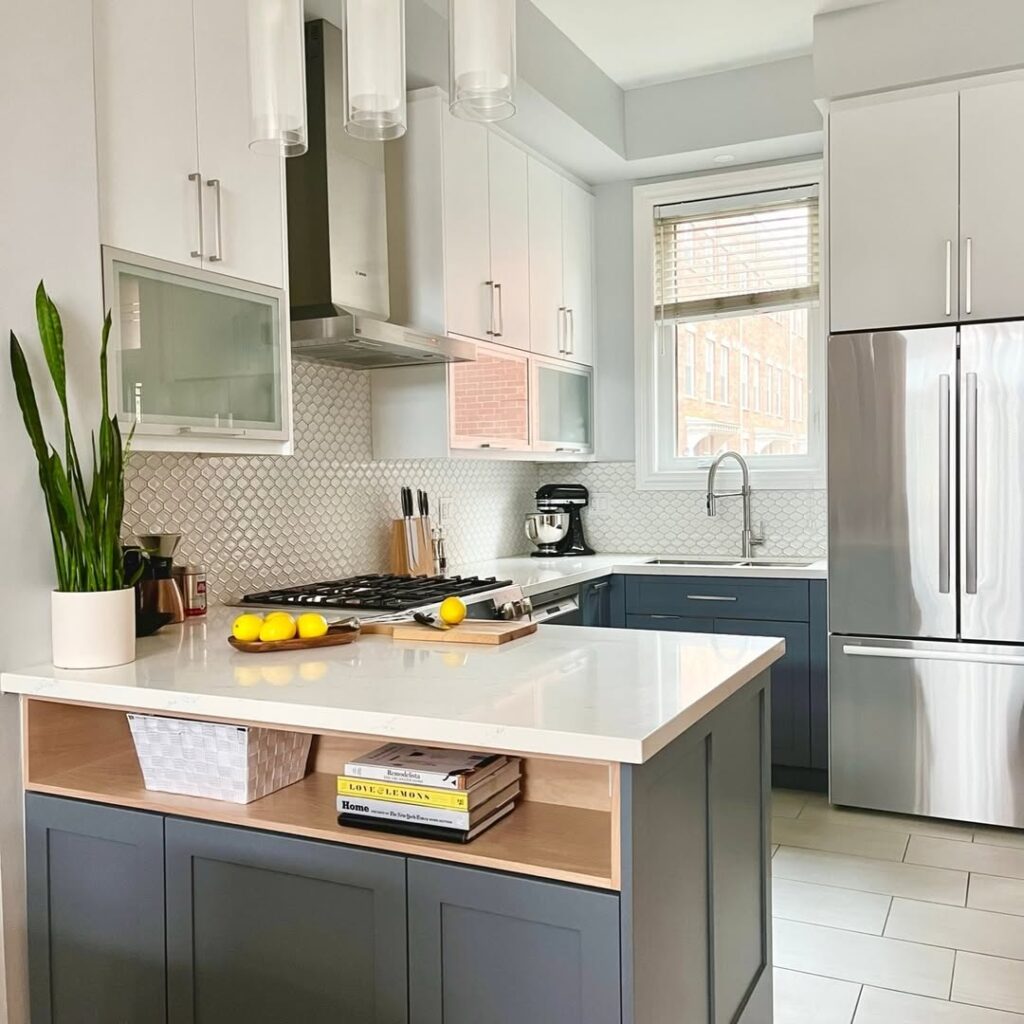
The smoky gray base cabinets ground the kitchen, while white upper cabinets bring in brightness. Together, the cabinet colors create balance.
White upper cabinets make the space feel airy. They reflect light, while smoky gray base cabinets give the look its foundation and add modern depth.
This pairing suits compact layouts as well as open ones. It also offers flexibility across different styles.
White-gray cabinets enhance the chrome hardware, marble counters, and stainless steel appliances. The pairing also supports daily use.
Sage Cabinets and Walnut Island
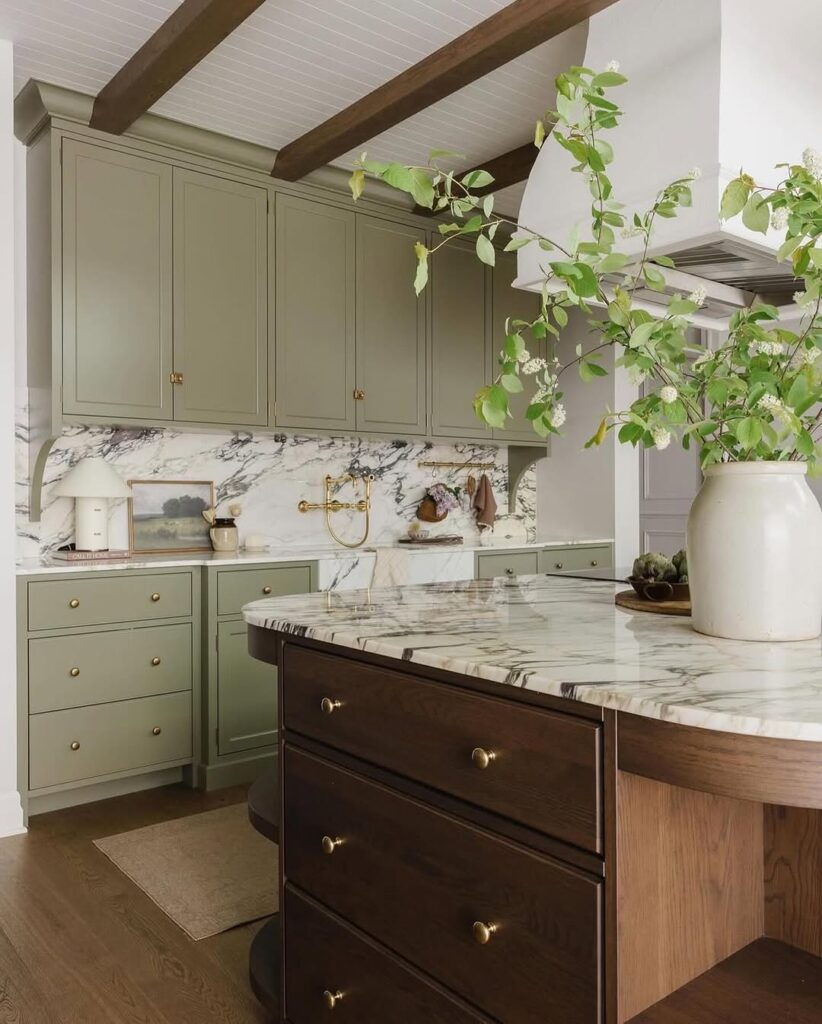
The walnut island gives the kitchen design a clear center. Sage cabinetry runs around the kitchen perimeter.
Muted green sage cabinetry creates a serene backdrop and suits a calm place for cooking. The walnut island brings earthy richness and contrast.
Sage and walnut combine traditional style with modern style. The combination suits varied layouts.
The sage-and-walnut combination brings a practical two-tone approach to the kitchen. It pairs with open shelving, brass hardware, and quartz countertops while keeping its enduring appeal.
Blush Pink Cabinet Bases with a Walnut Hutch

Organic warmth comes from the combination of blush pink and walnut. Blush pink base cabinets sit alongside a walnut hutch for a coordinated pairing.
Muted pink gives the contemporary base cabinets their color. A walnut hutch adds richness.
Blush pink bases with a walnut hutch suit statement kitchens. The pairing is non-overpowering.
Brass and gold hardware bring more emphasis to the blush pink base cabinets. The walnut hutch highlights its natural grain, while stone or marble counters create a compatible surface beside it.
Taupe Upper Cabinets with Walnut Base
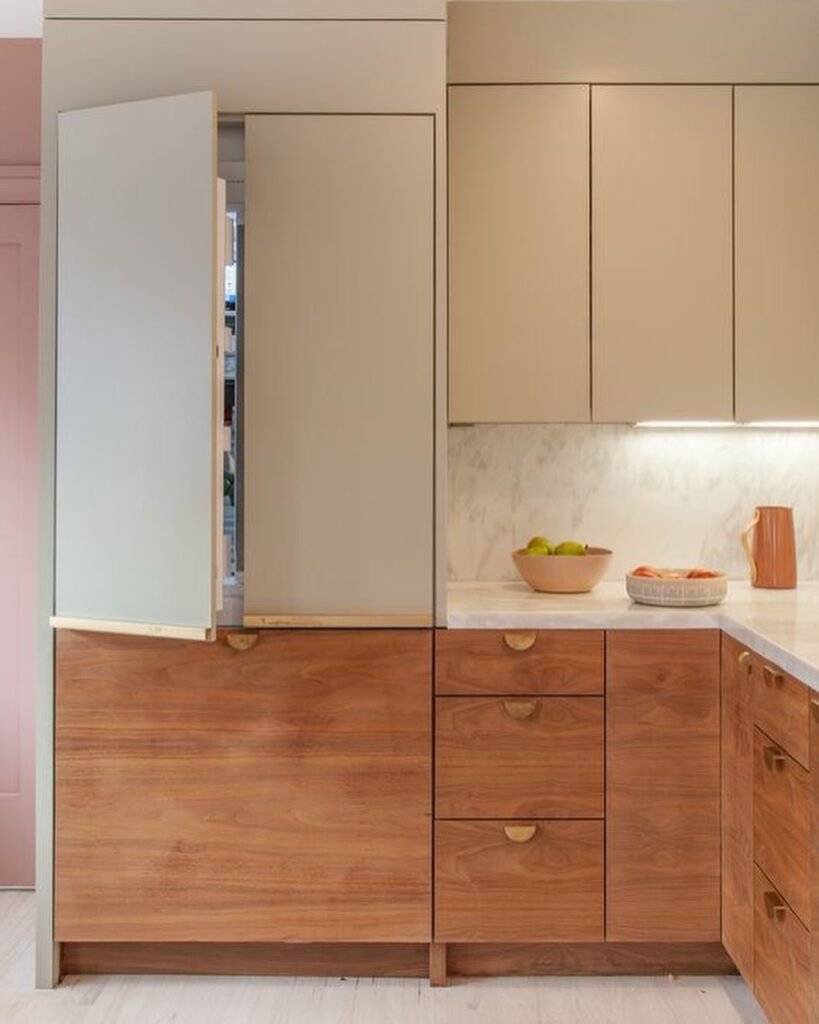
The pairing brings both warmth and refinement.
A taupe tone creates a calm atmosphere and maintains an open feeling. Walnut provides natural richness in the base.
Stone counters work with the taupe-and-walnut pairing, as do stainless appliances and black appliances. The pairing allows flexibility with finishes.
Two-tone cabinetry supports the taupe-and-walnut pairing.
Mint Upper Cabinets and Rustic Wood Lower Cabinets
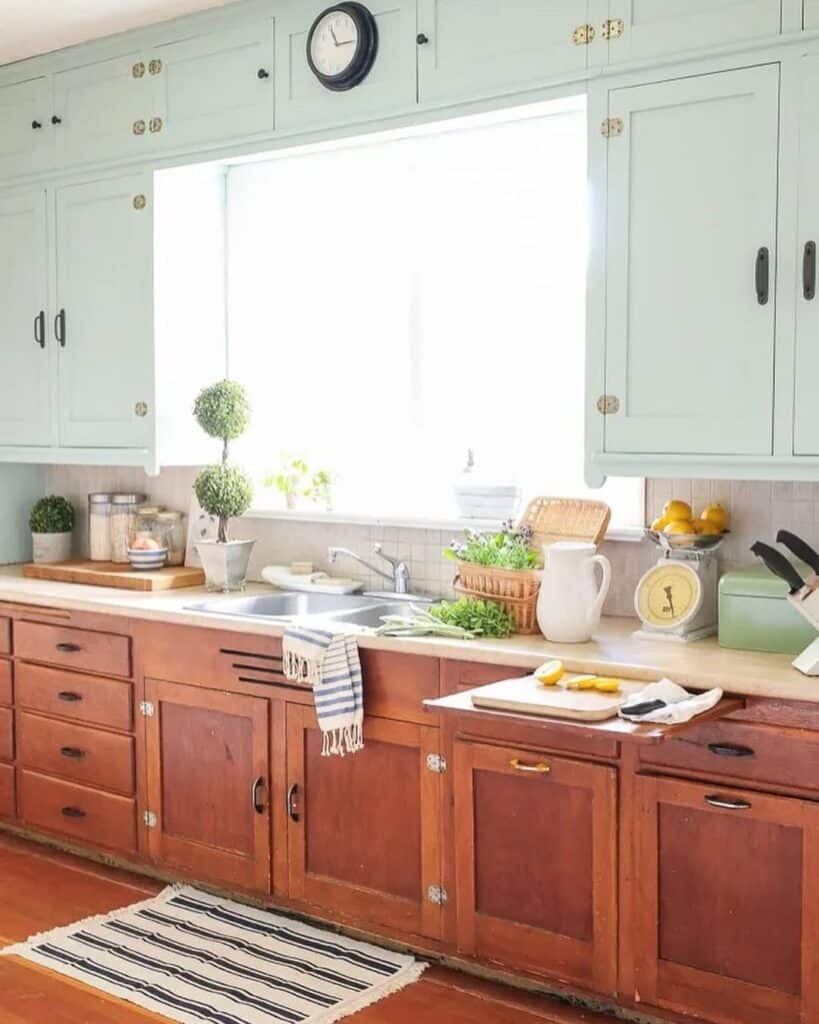
The rustic wood cabinetry at the base adds warmth and texture. Mint cabinetry above gives the room a light, refreshing tone.
The wood base supports durability and has timeless appeal. Mint cabinetry brings cool modern freshness, while the wood adds organic grounding. Natural light enhances the mint cabinetry.
Together, the mint and wood cabinetry provides functionality and two-tone character. Brass or brushed nickel hardware coordinates with the mint-and-wood palette. This combination suits farmhouse kitchens and transitional kitchens.
Rustic Wood Base with Ribbed Mint Upper Cabinets
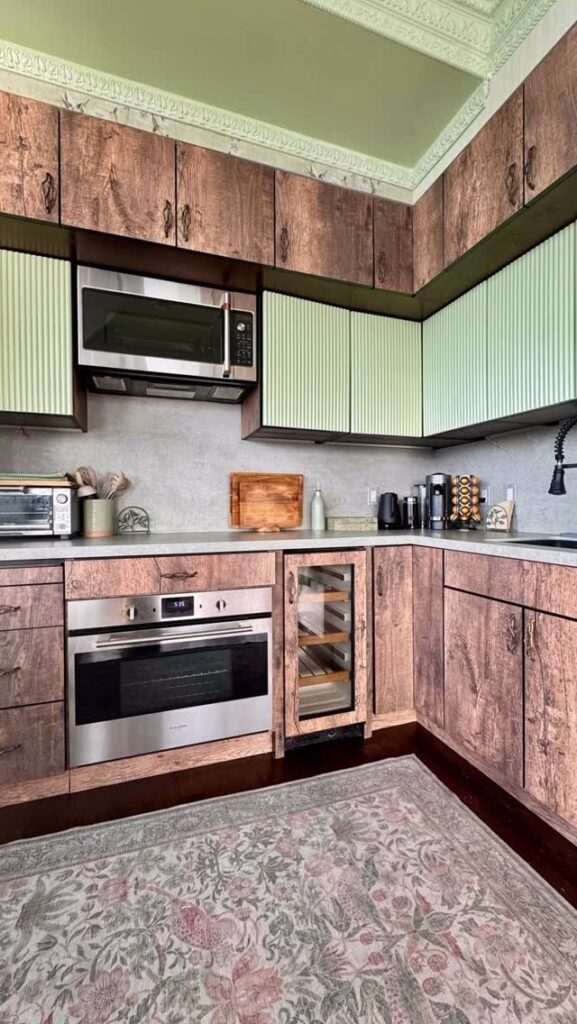
The rustic wood base provides warmth and is paired with mint upper cabinets. Their ribbed surface provides tactile detail.
Mint color provides brightness, while the combination maintains functionality.
This option provides durability and uses a two-tone design. The rustic-wood-and-mint combination suits farmhouse interiors, transitional interiors, and eclectic interiors.
Walnut Wood Grain Upper Cabinets with Matte Black Bases

The walnut wood grain upper cabinets are paired with matte black bases. This pairing supports a contemporary finish.
Walnut uppers bring natural character to the kitchen. Matte black bases add bold definition.
Walnut and matte black bring clean lines into focus. The combination also highlights modern layouts and suits open floor plans.
The combination supports long-term durability and uses two-tone balance. Brass, chrome, and black fixtures all work with it.
Cobalt Blue and White Cabinets
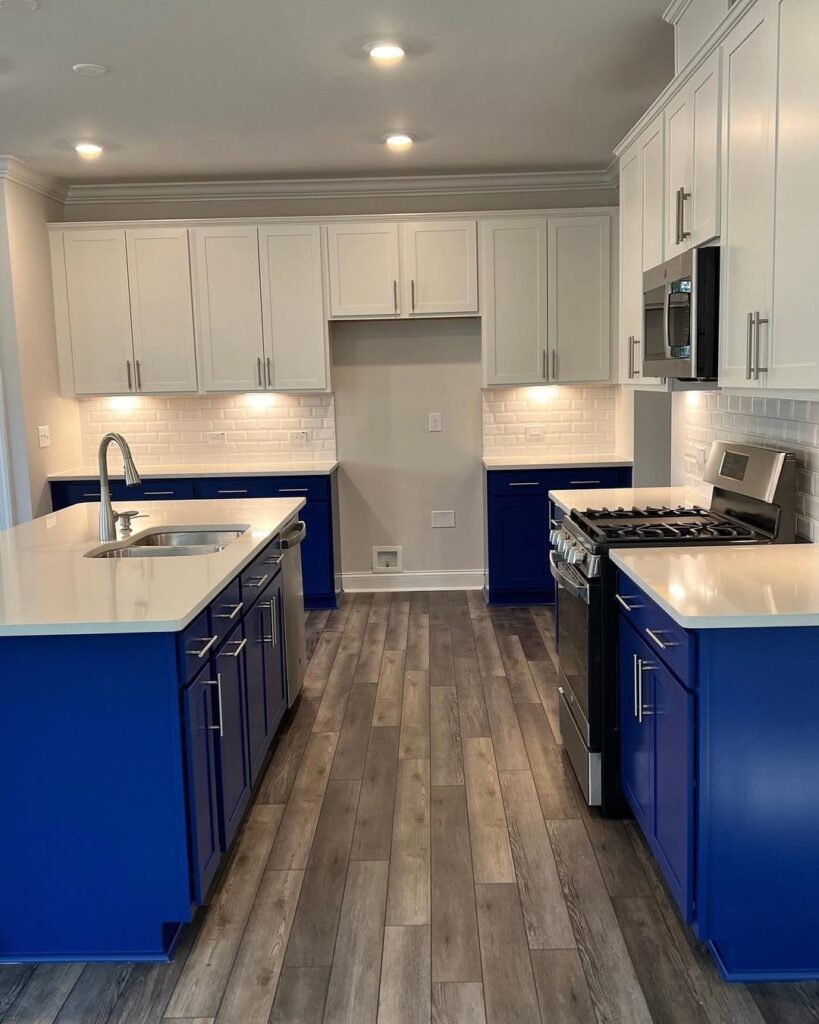
The contrast between cobalt blue and white cabinet colors gives the base cabinets depth and richness. White upper cabinets keep the room feeling open.
Cobalt blue base cabinets with white upper cabinets suit modern and transitional interiors. The color pairing stands out.
The palette comes together through a stainless steel appliance, a light stone counter, and polished hardware. Two-tone cabinetry keeps the room balanced while supporting everyday function.
Charcoal Island and White Perimeter Cabinets

White perimeter cabinets surround a charcoal island in the center. The two cabinet colors contrast with each other.
The charcoal-and-white pairing creates visual contrast while retaining harmony.
Dark is the island's color, and it serves hosting and meal prep. Around it, white perimeter cabinetry increases room light.
The charcoal-and-white pairing suits both transitional and modern interiors. Its two-tone cabinet styling is balanced and practical.
A Powder Blue Island and White Cabinetry at the Perimeter

In the kitchen, the powder blue island stands out against the white perimeter cabinetry. It also anchors the room.
The white perimeter cabinetry supports brightness and a spacious feel. The powder blue island creates calm coastal character.
The island supports seating, food preparation, and serving. It serves as a functional centerpiece.
Chrome or brushed nickel fixtures work with the layout. Quartz countertops support its practicality, while the powder-blue-and-white pairing uses a two-tone layout.
Oak Island and Sage Green Cabinets

Muted sage green gives the base cabinets a soft color. The natural oak island contrasts with them and serves as the gathering centerpiece.
The muted sage green tone is associated with serenity and creates a soothing atmosphere.
Visible grain gives the oak island a distinct surface detail. It also serves as the gathering centerpiece.
Stone countertops, a neutral backsplash, and brass fixtures work with the cabinetry. This modern farmhouse-inspired design supports functionality.
Emerald and White Cabinets
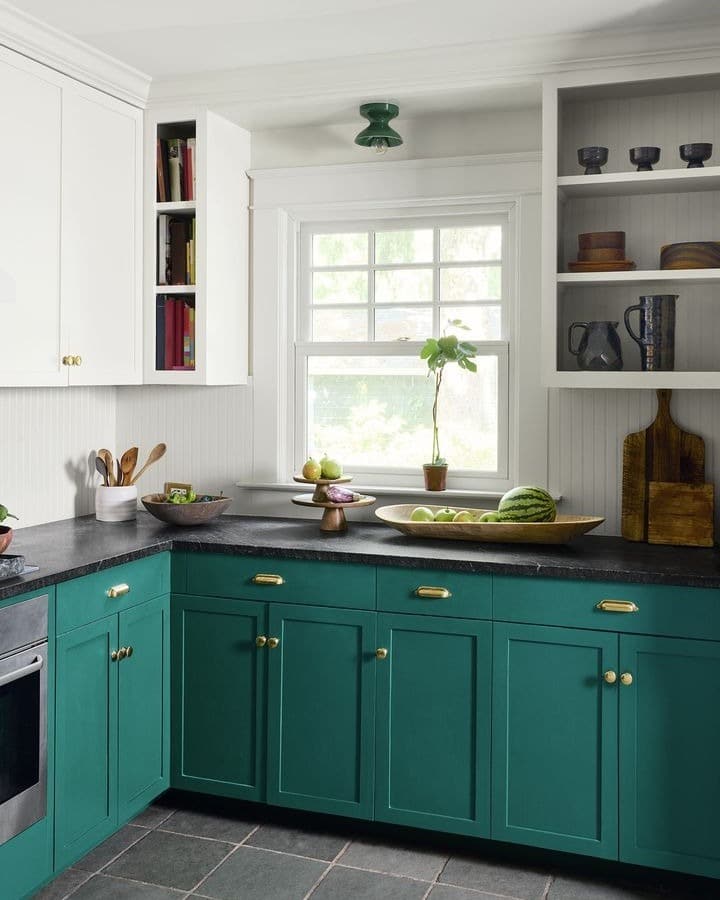
Emerald base cabinets provide richness, while white upper cabinets bring brightness. The pairing creates balance.
Quartz countertops complement the emerald-white pairing. Marble countertops do as well.
White upper cabinets keep the space open. Emerald cabinetry evokes natural landscapes and provides visual depth.
This cabinet pairing suits both large and small kitchens. The emerald-white combination highlights cabinetry details and architectural lines while retaining function.
Black Lower Cabinets and a White Hood
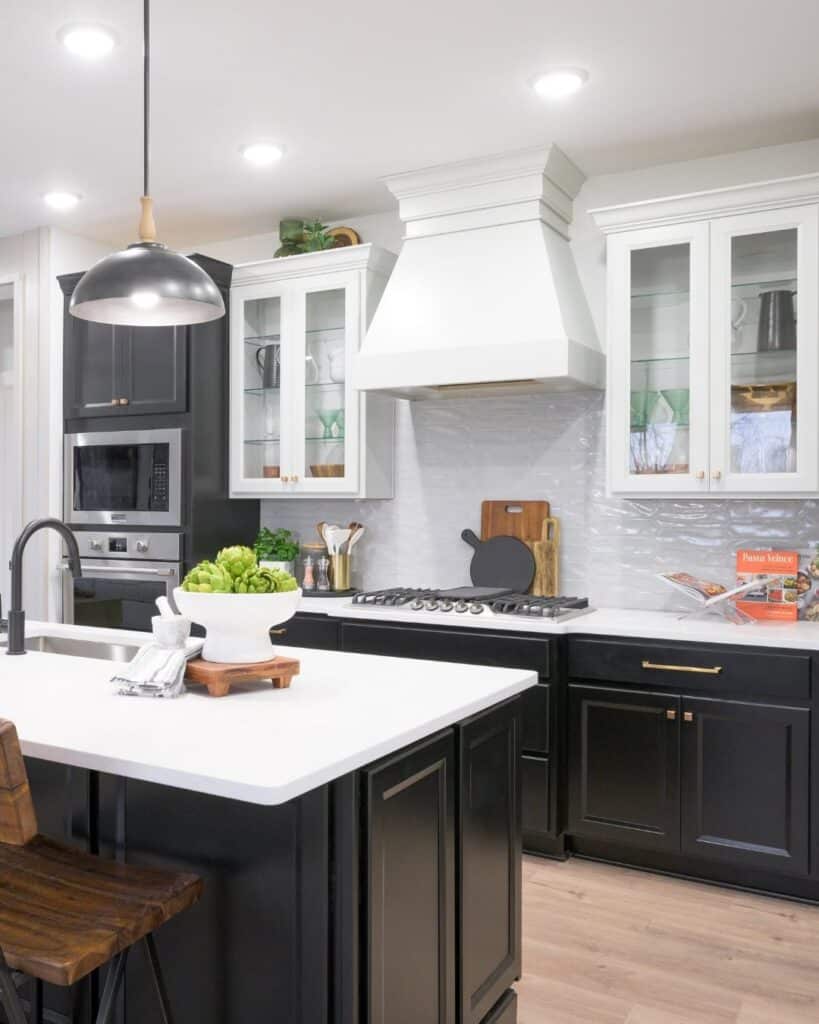
A white hood serves as the focal feature. It contrasts with the black lower cabinetry.
The dark lower cabinetry provides a structural foundation, while the white hood supports room illumination. This design suits both contemporary and classic spaces.
The two-tone cabinet design works with subway tile and quartz countertops. It also works with stainless steel appliances.
Forest Green and Teal Cabinets
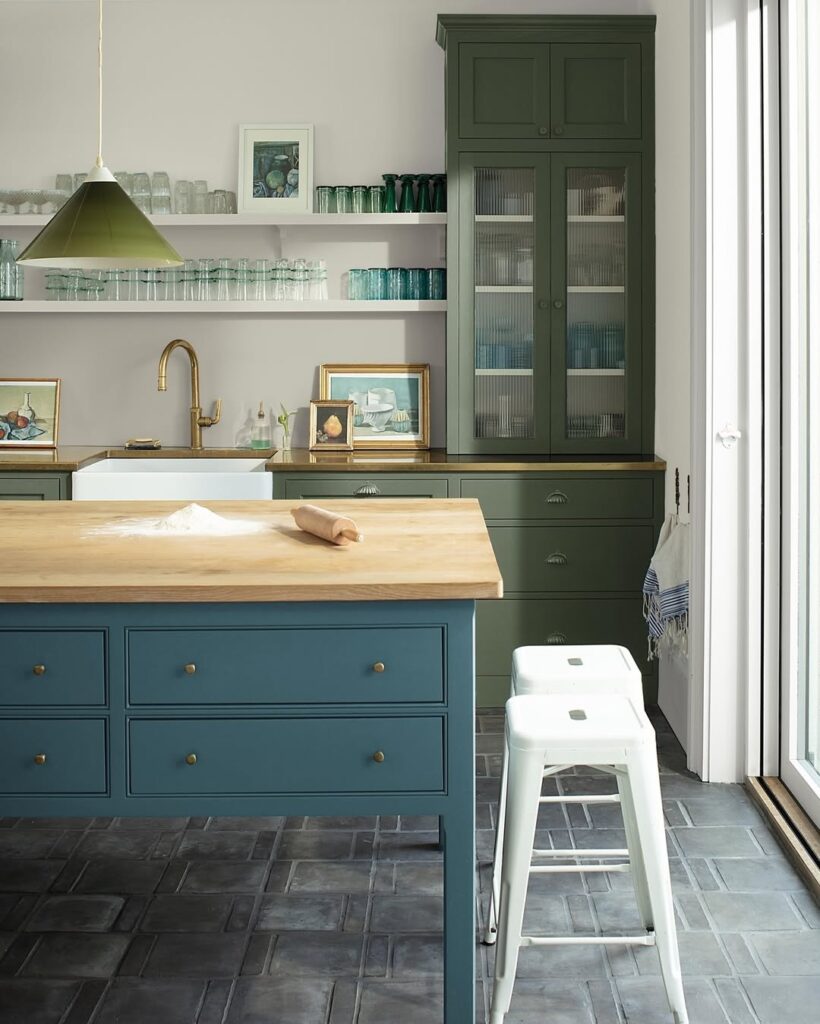
The design draws inspiration from nature. A teal island pairs with base cabinets in forest green.
Forest green contributes depth, while teal contributes vibrancy. Stone countertops, copper fixtures, matte black fixtures, and brass fixtures work with the cabinetry.
This bold two-tone kitchen cabinet scheme remains usable.
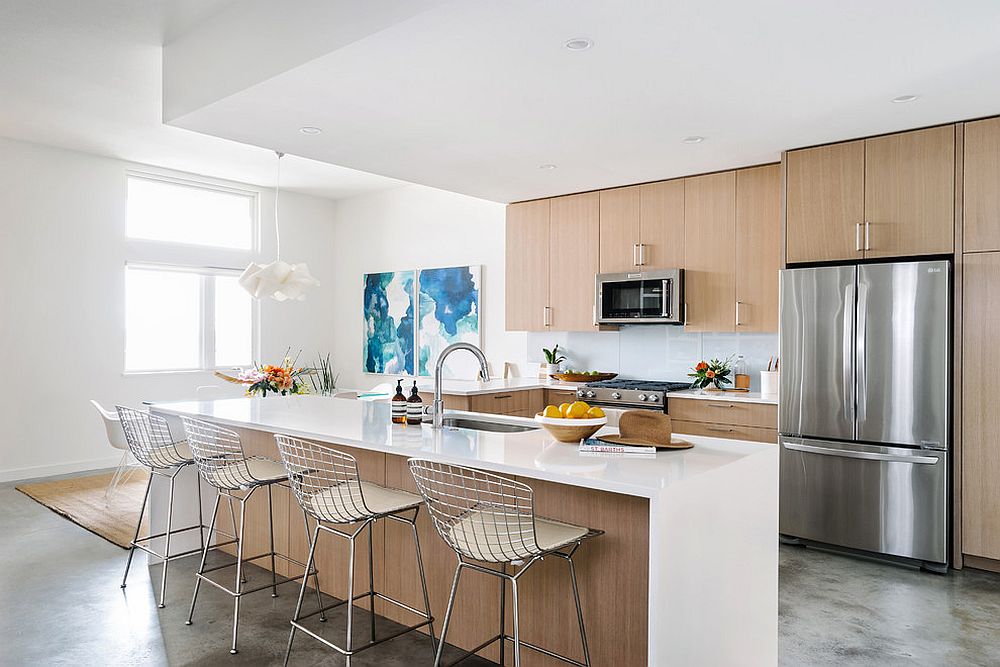
Walnut and White Cabinets
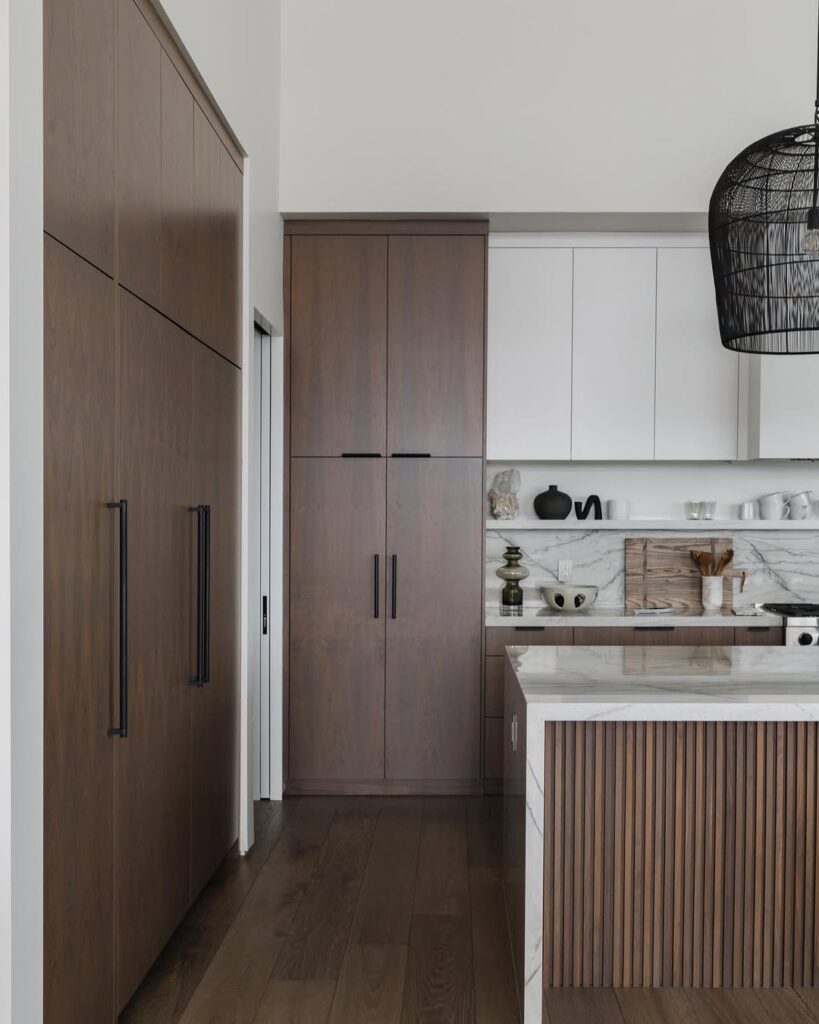
Natural-grain walnut cabinetry adds warmth and organic character, while white upper cabinets provide contrast.
The walnut-white pairing combines earthy richness with crisp brightness.
Subtle lighting and warm flooring harmonize with the walnut undertones. The kitchen also supports family gatherings.
White upper cabinets reduce visual heaviness. The walnut-white pairing combines classic appeal with contemporary balance.