8 Curtain Ideas To Transform Your Home’s Style
Curtains are a non-negotiable element of interior design, holding the unique power to frame a window and completely reshape a room’s entire feel. They are a fundamental addition to your home’s aesthetic, available in a vast array of materials, styles, and shapes.
This variety means that finding the perfect curtain for your space isn’t always a simple task. If you’re considering new window treatments and need a spark of inspiration, you’ve come to the right place.
This guide will introduce you to the best types of curtains to match your personal style, helping you learn to select the options most suitable for your home.
What Are Curtains?
Before exploring the different kinds of curtains, it’s important to have a solid definition of what they are. First, you should never confuse them with drapes. Curtains are typically crafted from thinner fabrics, though they can be lined to block out light.
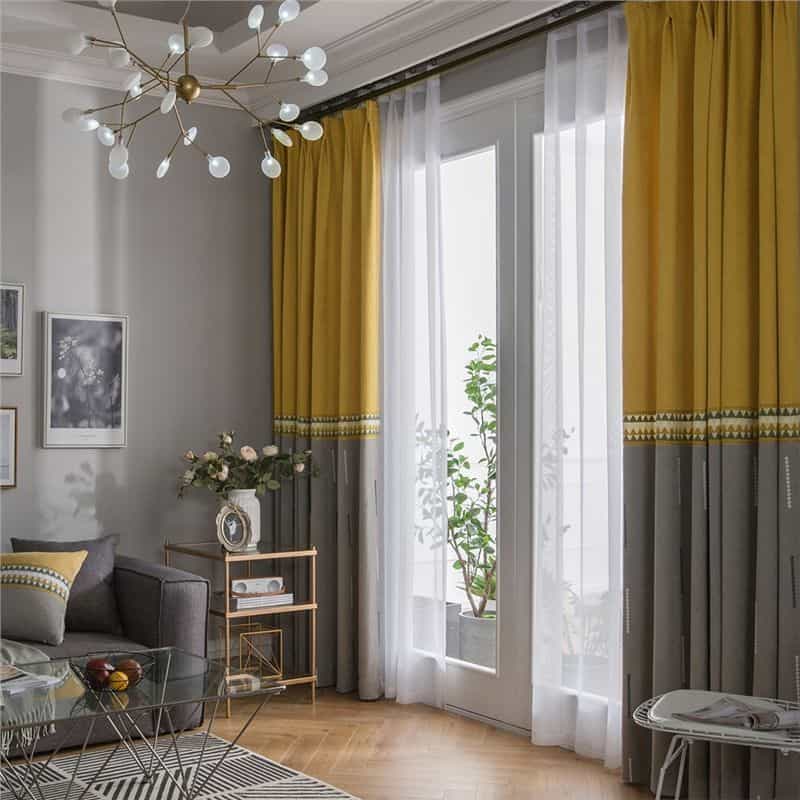
They are installed on a curtain rod above a window and usually extend down to the floor. Often, curtains are layered over blinds or shades to enhance privacy and darken a room.
You can sew curtains or hang them in creative ways to achieve different visual effects. Because they come in so many colors, prints, depths, and materials, they offer a fantastic playground for creativity, helping to establish the tone and style of any room.
There are multiple ways to categorize curtain types, which can make shopping for new ones a bit of a challenge without the right knowledge.
Guide to Curtains and 100 Curtain Ideas
But there’s no need to worry. This essential guide was created to help you make the best decision for your home’s window treatments. Here, you’ll discover plenty of curtain ideas to inspire you and simplify the selection process. To make it even easier, all the curtain styles have been organized into distinct categories.
Types of Curtains
Now that you have a clear understanding of what curtains are, you’re ready to dive into this comprehensive guide.
Let’s begin with the different types of curtains available for you to choose from.

Panel Pair
Just as the name implies, this style consists of two separate curtain panels. To close them, you simply pull both panels together. When opened, they can be tied back to create a beautifully symmetrical look. This type is a popular choice for both classic and contemporary interiors.

Single Panel
A single panel curtain uses just one piece of fabric to cover the entire window. To let light in, you pull the panel to one side. You can also tie it back for a striking asymmetrical appearance, which is perfectly suited for modern and contemporary homes.
Window Treatment Set
A window treatment set is a complete package that always includes two curtain panels and a valance. Some sets also come with tiebacks or even a curtain rod to add more decorative personality.

Valance
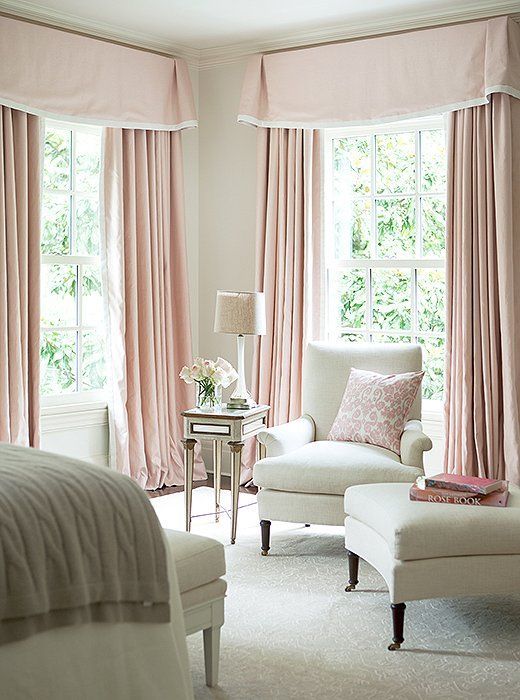
Have you ever noticed those short, decorative curtains that hang across the top of a window? That decorative addition is called a “valance.” They are sold separately or as part of a window treatment set. You can also use a valance on its own without other curtains to add a touch of decorative flair to a window.
Window Scarf
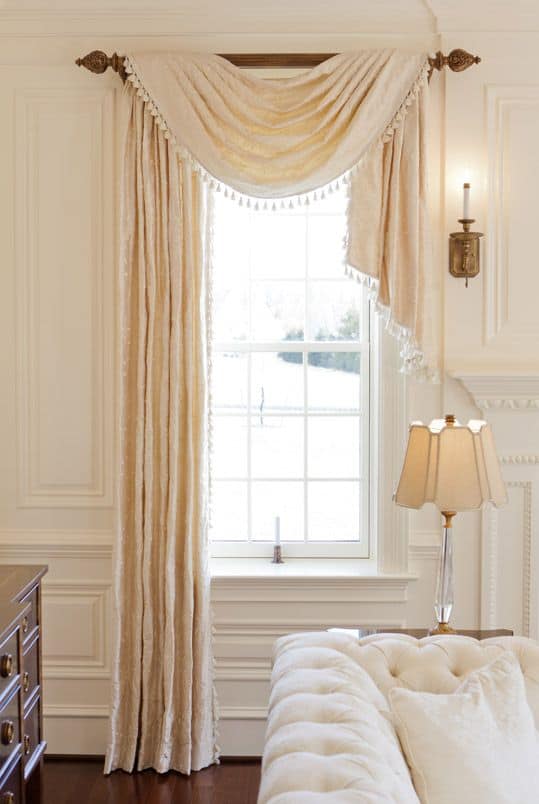
A window scarf, much like a valance, is a purely decorative piece designed to add a stylish touch to your room. Window scarves are long, thin pieces of fabric draped over the top of the window, creating a dramatic effect that fits well in romantic and relaxed settings.
Curtain Liners
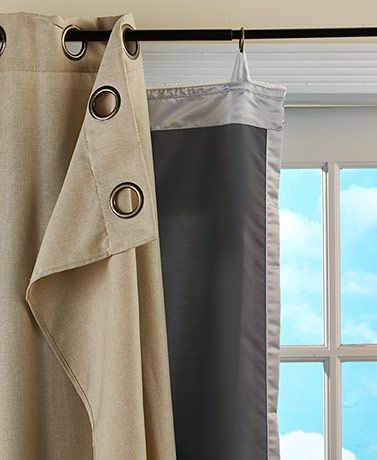
Liners bring incredible versatility to your curtains. By adding a liner to a sheer curtain, you can increase privacy and achieve better light control. Some liners offer extra benefits, such as blocking noise or preventing heat from entering your home.
The Attachment Style
If you’ve ever observed the top of a curtain where it hangs, you might have noticed some are pinched while others slide directly onto the rod. There is a wide variety of attachment styles for curtains. Your choice will produce different results, with varying levels of volume and more defined shapes.
Here is a list of some of the primary pinch styles:
Goblet Style
For this curtain type, the headers are pinched a few inches down from the top of the fabric. This style is often seen in bathrooms, as it is well suited for thicker materials.
Tie-top
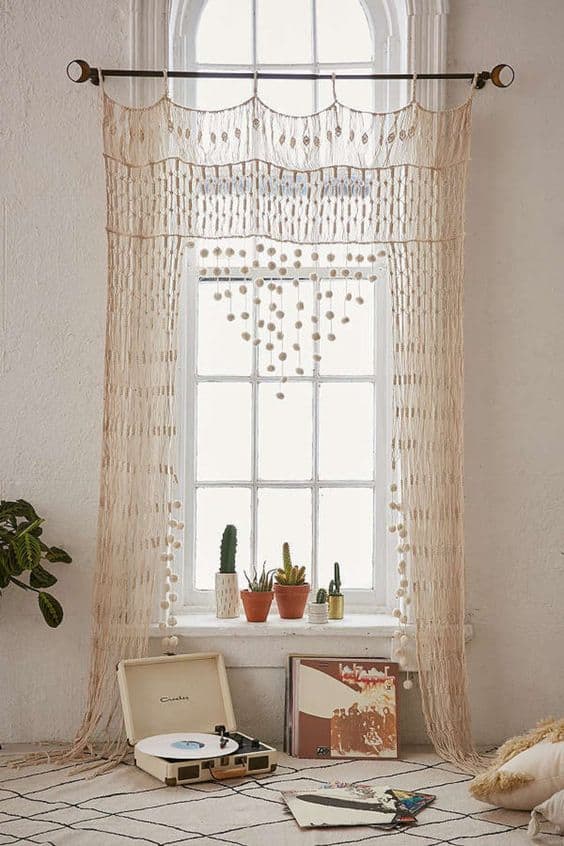
When curtains are attached to the pole using knots or bows at the top, you have a tie-top curtain. If you want to create a bohemian, romantic, or simply more relaxed atmosphere, this is a style to consider.
Box Pleat
This should be your go to choice for more formal and classic looks. This style creates crisp, angular pleats. Keep in mind that sewing this type of pinch requires very specific measurements.
Pinch Pleat
These curtains provide a tailored appearance that extends cleanly to the floor. They can be hung using either rings or pockets.
Rod Pocket
If you want the curtain rod to be completely hidden, this style is your best option. A pocket is sewn directly into the top of the curtain panel. Curtains with this header can be more difficult to open, so you might consider using tiebacks to hold them open. This style is well suited for casual looks, with cotton and linen being excellent fabric choices.
Tab Top
These curtains are similar to the box pleat style, featuring loops on top that are pulled directly over the rod. With this style, much of the rod remains visible, and the rounded pleats are narrower. The loops of fabric are sewn into the top edge. You may also find tab top curtains with decorative embellishments. They are most popular in casual and contemporary country style homes.
Grommet
This header is ideal for curtains with holes at the top, where the fabric is reinforced with metal grommets. This design allows the curtain to be strung directly onto the rod, leaving parts of it exposed. These curtain types create soft, modern ripples. Grommet curtains add a flourish of personality to any room.
Ripple Fold
This style usually comes installed on a track, which makes opening and closing the curtains incredibly easy. It is a hybrid between rod pocket and tab top curtains. An extra piece of fabric helps keep the tabs in place. The soft, uniform folding makes them suitable for both modern and classic interiors.
The Opacity
It’s not just the headers that determine how a curtain will hang. The material itself has a significant impact on the overall look. More importantly, the fabric you choose will affect how much light and noise can enter the room.
One of the most critical factors in choosing curtains is the material’s opacity. Different materials are suited for different needs. To make the best choice, you should be clear about your requirements. For example, how much privacy do you need, do you require any additional features, and how much sunlight do you want to let in?
Different types of curtains
Several types of curtains are defined by their light filtration levels. Let’s examine the most common ones:
Sheers
These curtain types offer very little privacy because they are see-through. They are thin and made from semi-transparent fabrics, which means a lot of sunlight can enter even when the curtains are closed. The lightweight nature of the material creates a beautiful, flowing look. This fabric gives your interiors a soft and elegant glow. They are a popular choice for living rooms and dining rooms. If you love the style of sheers but still need privacy, consider adding a liner. This allows you to enjoy the beauty of these light curtains while gaining the benefit of added privacy.
Window Scarfs
These curtains frame the top part of the window and are almost exclusively decorative. Many people use them to enhance the appearance of traditional curtains for a more sophisticated look.
Semi sheers
When you’re looking for more privacy without sacrificing the luminous glow of sheers, this type of curtain might be your best bet. These semi-opaque curtains are a perfect blend of sheer curtains and blackout panels. They are often paired with shades in bathrooms or bedrooms.
Blackout
For the highest level of privacy and insulation, blackout curtains are the ultimate choice. Their fabric typically includes a liner that makes them opaque and much thicker. They are most common in bedrooms but can be used in any area that requires darkness. For a polished and layered look, you can place blackout curtains behind sheer curtains.
The Style
Your curtains must align with your overall decor style to avoid looking out of place in your home. Think about the type of space where you plan to hang your curtains and gather some ideas before you begin decorating.
Casual
Casual curtains often feature grommet or tab top attachments and are used to create a relaxed, easy-going vibe. These types of curtains are frequently found in bathrooms, kitchens, and bedrooms. Pairing them with a valance is not recommended, as the two styles generally do not match.
Classic Style Curtains
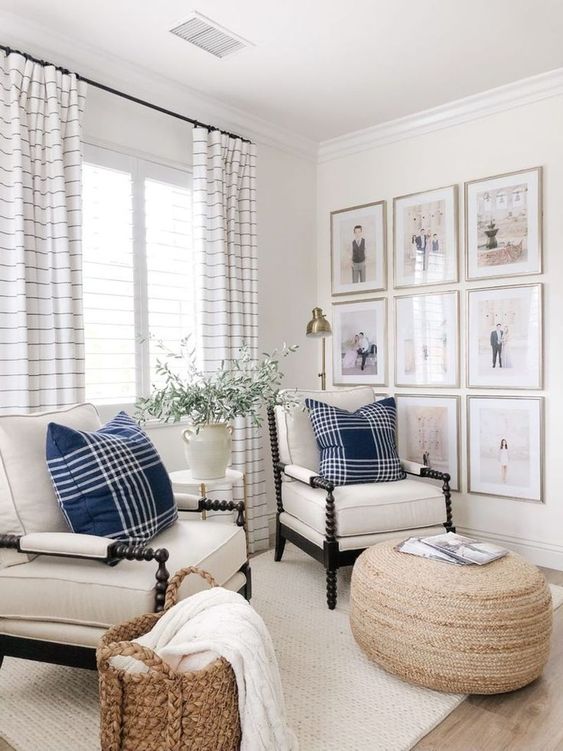
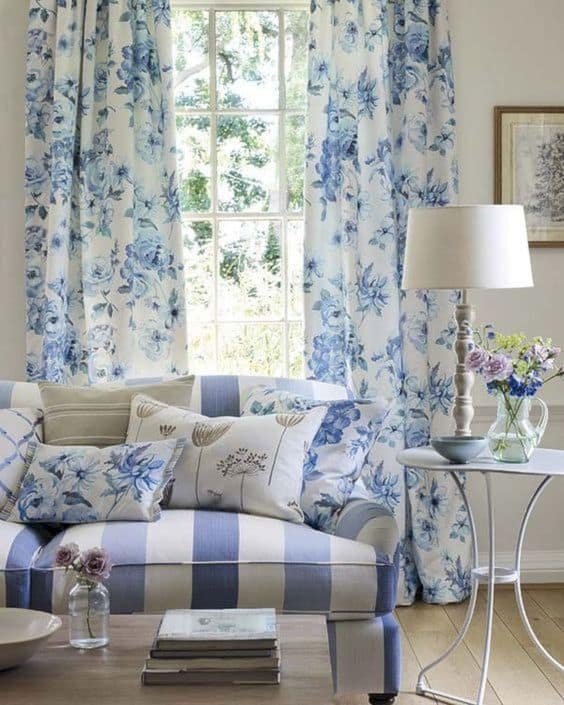
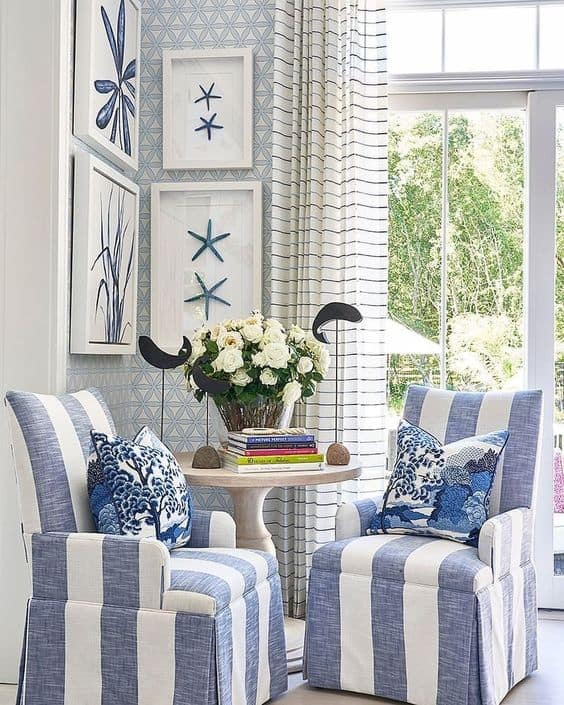
These types of curtains can fit beautifully in almost any room of your house. If you wish to add a valance to create a timeless appeal, classic style curtains are an excellent choice. They also work well with country and bohemian design themes. You can find them in a variety of patterns, including floral, stripes, and plaid.
Contemporary
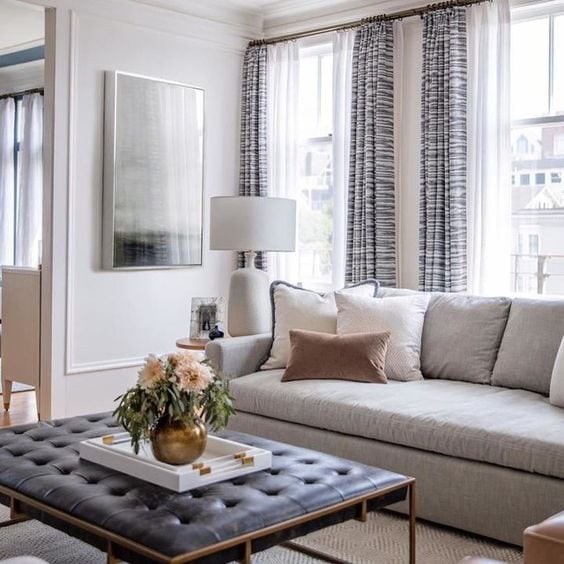
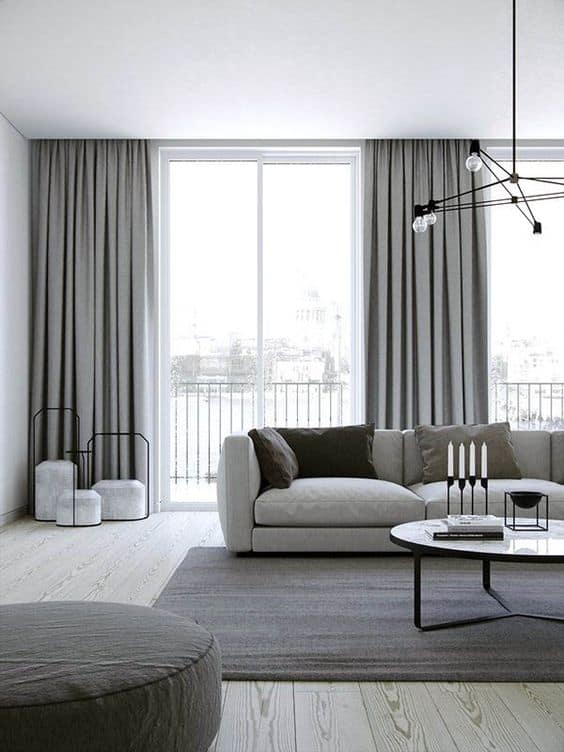
Typically available in shades of gray and brown, contemporary curtains are the perfect way to bring a fresh feel to your interior. If your room feels a bit too plain, consider choosing bright and bold colors. Most of the time, you can expect contemporary curtains to have rich textures. Despite their sophisticated appearance, the simplicity of the design ensures you won’t give the impression of being pretentious.
Modern
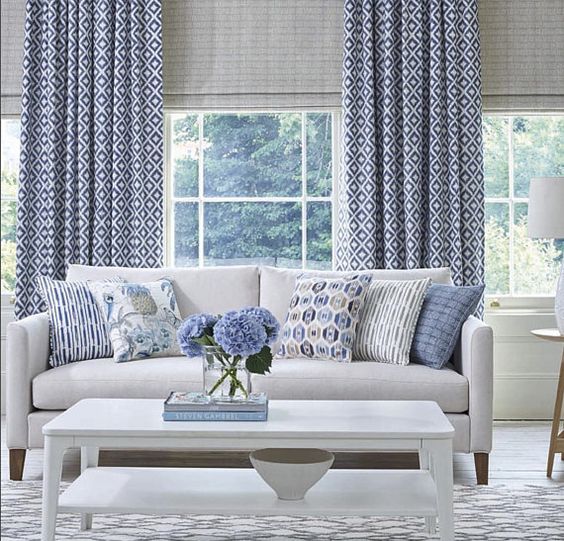
The modern style is often quite minimalistic and frequently incorporates eco-friendly materials. Modern curtains often feature clean lines or bold geometric patterns, but they also come in solid colors. They can make a powerful design statement, depending on how you decide to incorporate them into your space.
Materials
Of course, selecting the right curtains also involves choosing the right material. This decision goes beyond simple decoration. Depending on your needs, some materials will be more suitable than others. Let’s explore how different materials can influence your choice.
Cotton
Cotton is arguably the most popular curtain material. It allows for moderate light while still providing a decent level of privacy. Curtains made from this fabric are often blended with other materials. Cotton can suit various styles and rooms in your house. On top of that, they are easy to clean, which makes them even more versatile.
Linen
Although it is denser than cotton, linen curtains do not feel heavy in a room. They create a casual and easy-going atmosphere and allow a moderate amount of sunlight to filter through without compromising your privacy. Because linen can be difficult to clean, this material is not ideal for dusty environments.
Velvet
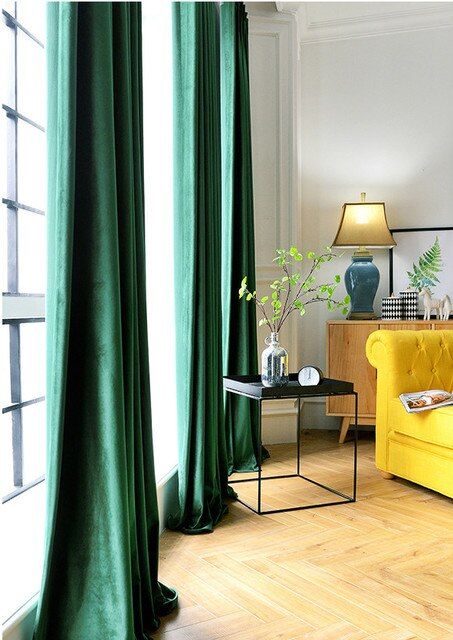
When privacy is your top priority, velvet is the way to go. This heavy material helps to reduce outside noise and provides a blackout effect. For these reasons, you will most often find it in bedrooms. The material adds a dramatic look to your windows and works perfectly with classic, formal styles. It is worth noting that this fabric is known to be hard to clean and will require professional services.
Silk
If you want to create a luxurious look, choose silk. Popular in classic and contemporary styles, this fabric is semi-sheer. However, it has a reputation for being difficult to clean.
Lace
For an airy and bright environment, there is no better choice than lace. This sheer fabric lets in most of the sunlight but offers the least amount of privacy. Lace curtains are best suited for living rooms or kitchens, or any other space that requires a significant amount of natural light.
Burlap
For a casual style that provides both privacy and minimal light, look no further than burlap curtains. Although it looks similar to linen, burlap is a heavy material. It is also easy to clean.
Synthetic
When cost is a primary concern, you might want to consider synthetic curtains. They can replicate the look of almost any material but may not be as durable over time.
Curtain Length
Last but not least, the length of your curtains is another factor that helps achieve particular styles and sets a specific atmosphere for the room.
Sill
Perfect for windows that are opened frequently, sill length curtains end just below the windowsill. They are ideal for smaller windows in bathrooms or kitchens.
Apron
To make your windows appear longer, you should opt for apron length curtains. They are perfect for small windows, especially when the rod is placed higher than the window frame.
Floor
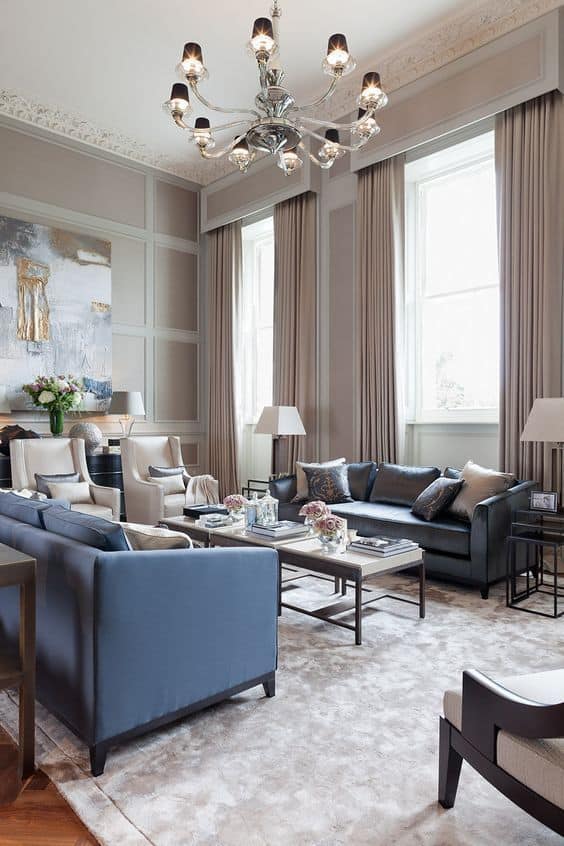
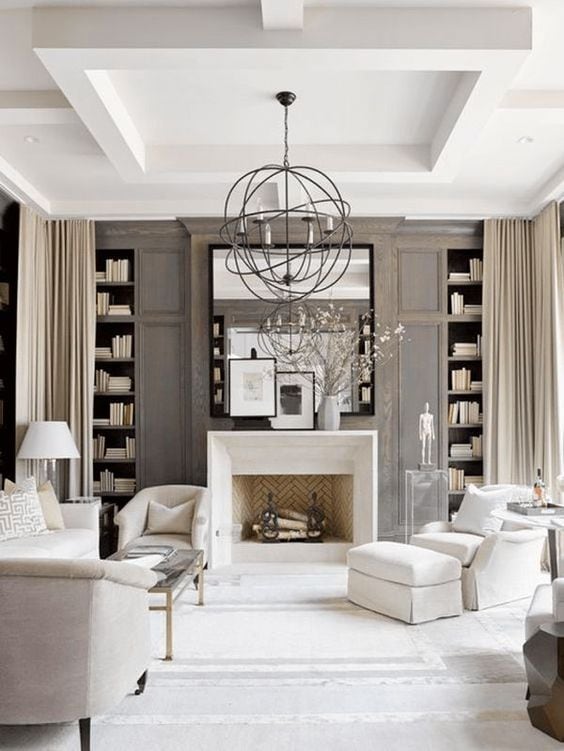
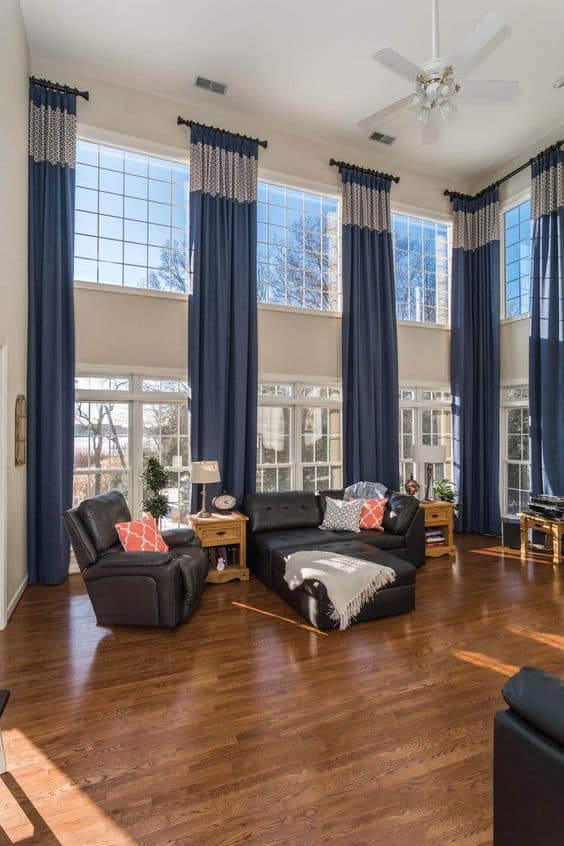
Floor-length curtains help create a traditional style and are excellent for large windows.
Puddle
These extra-long curtains help to add a dramatic or romantic look to your room. They can be several inches longer than the height of the window, allowing the fabric to pool on the floor.
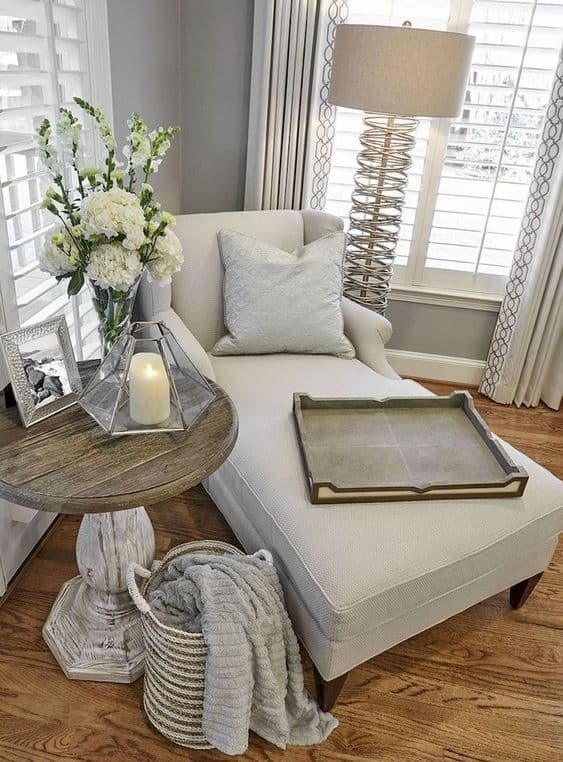
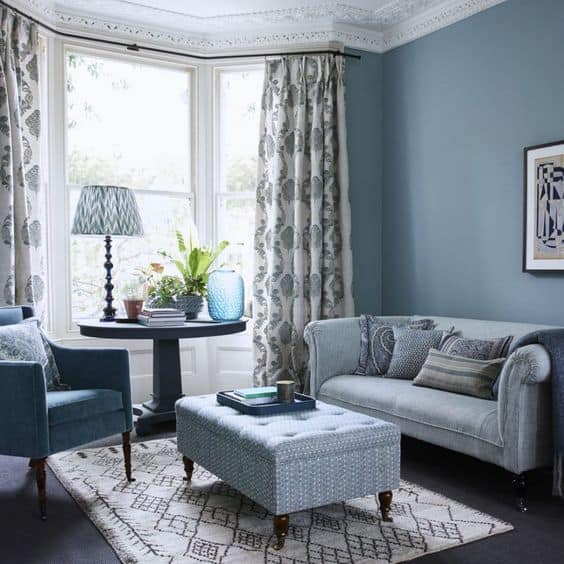
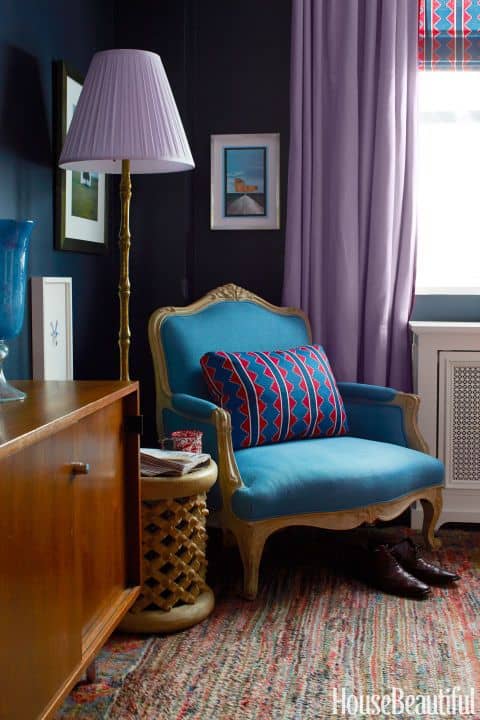
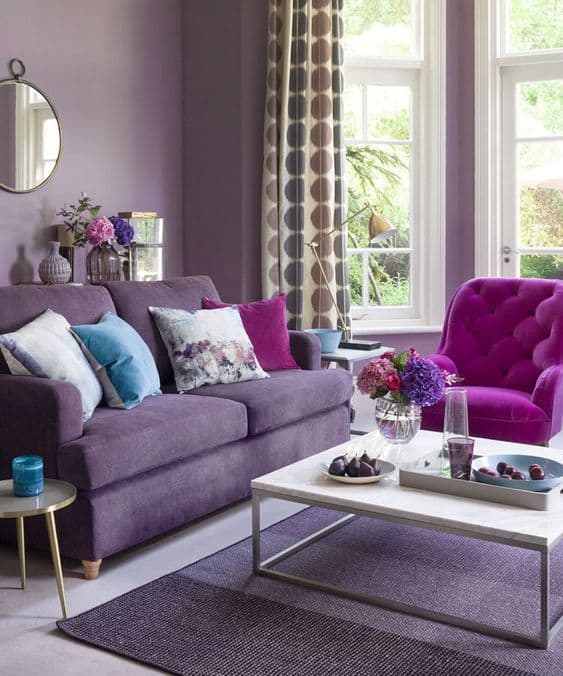
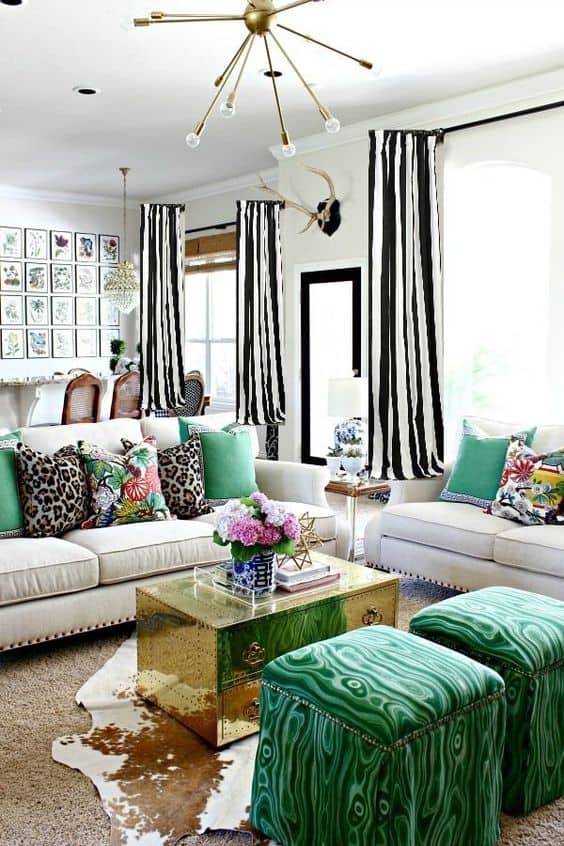
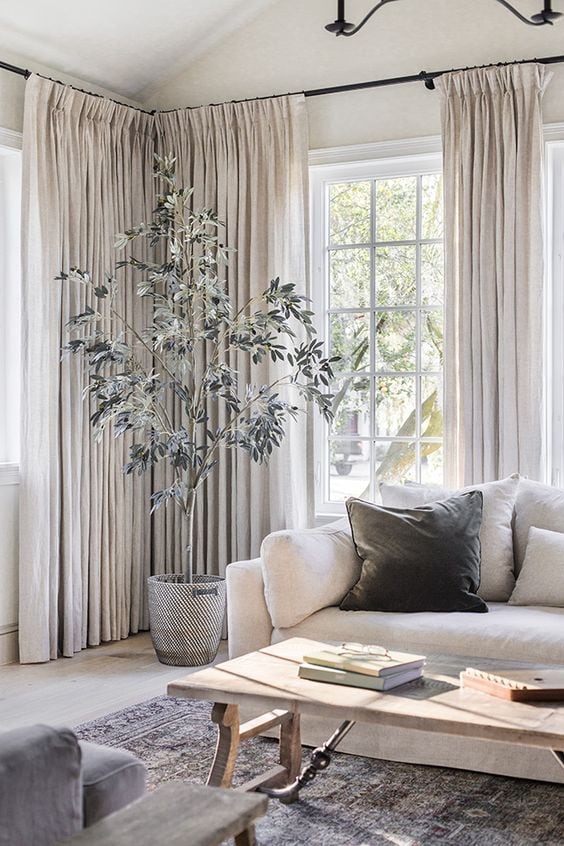
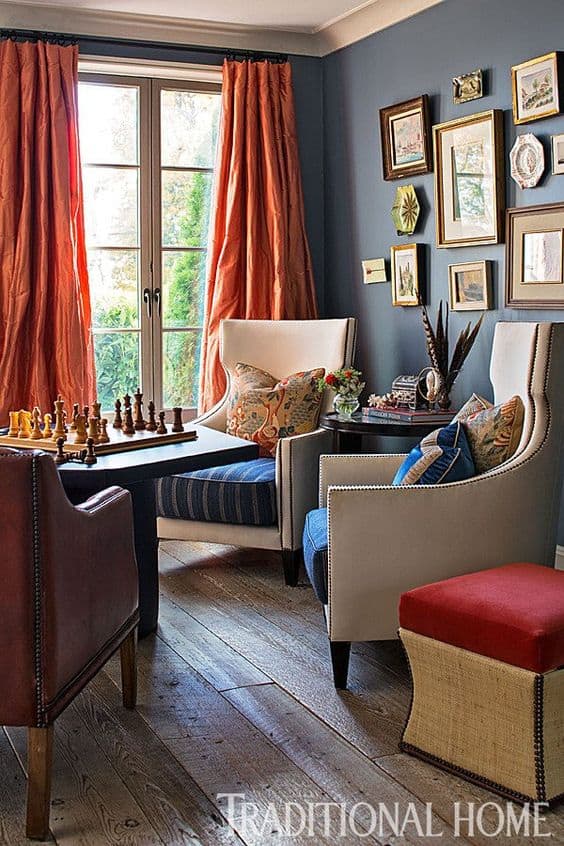
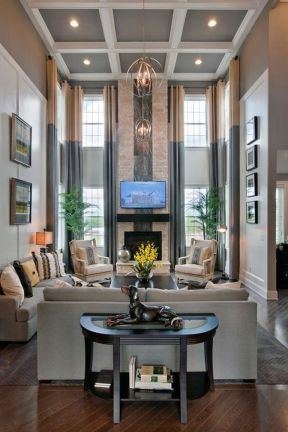
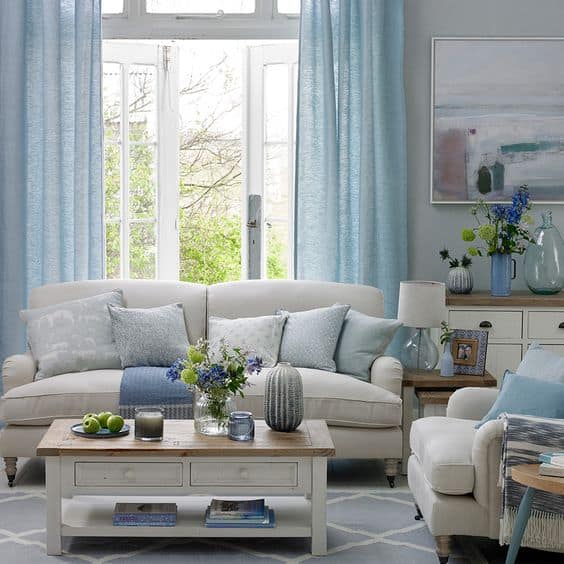
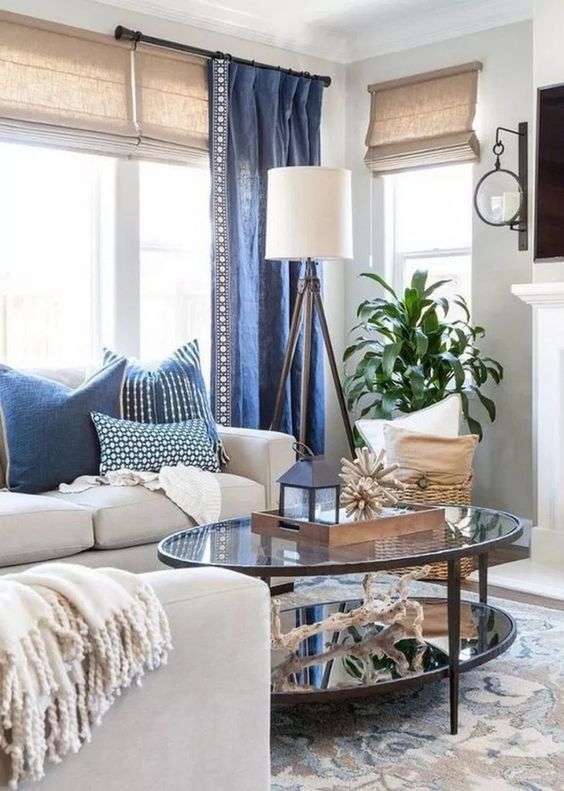
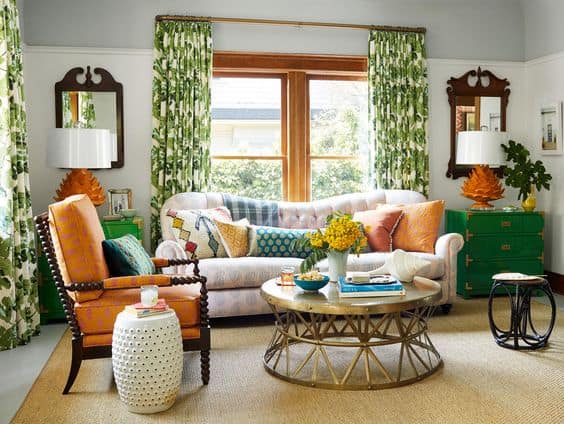
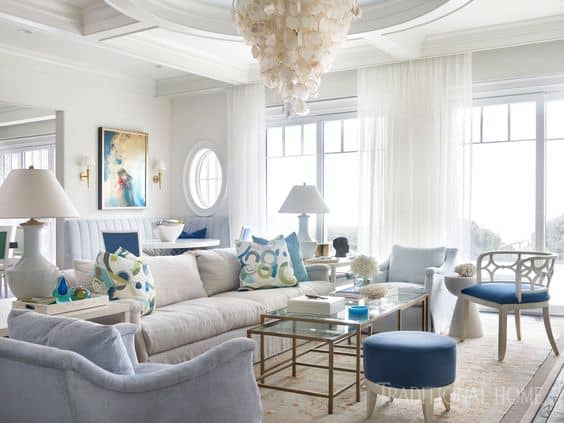
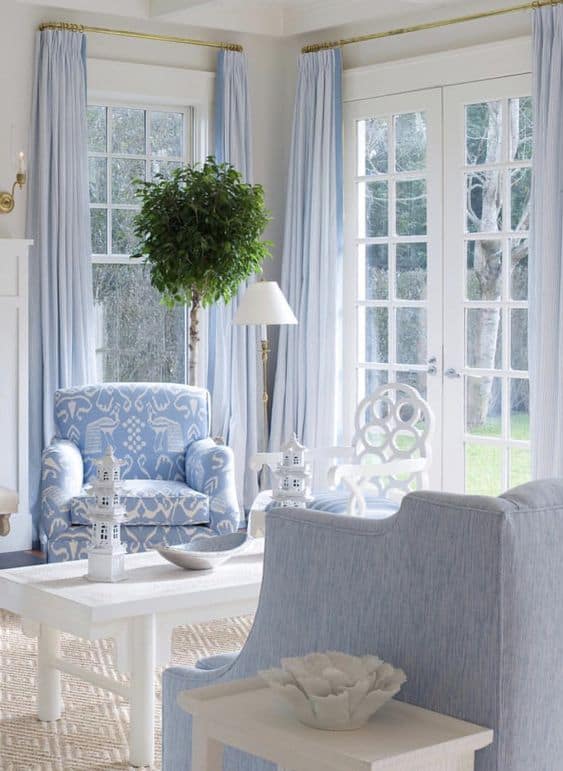
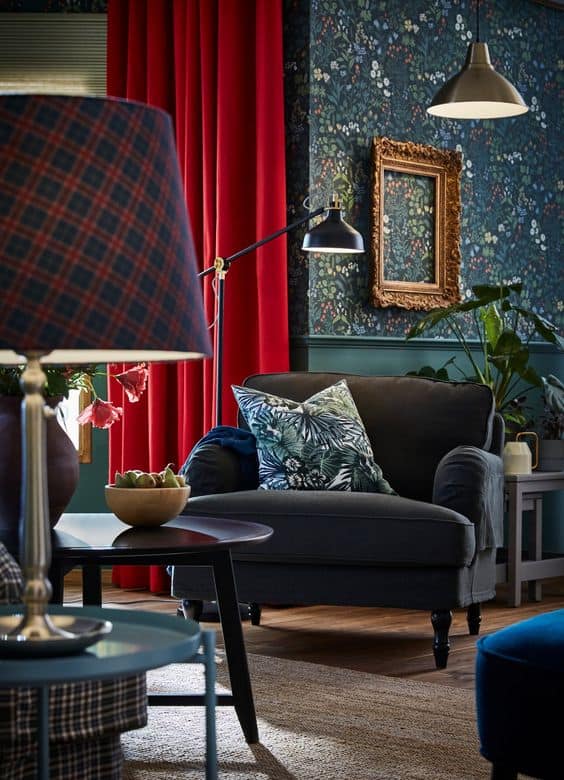
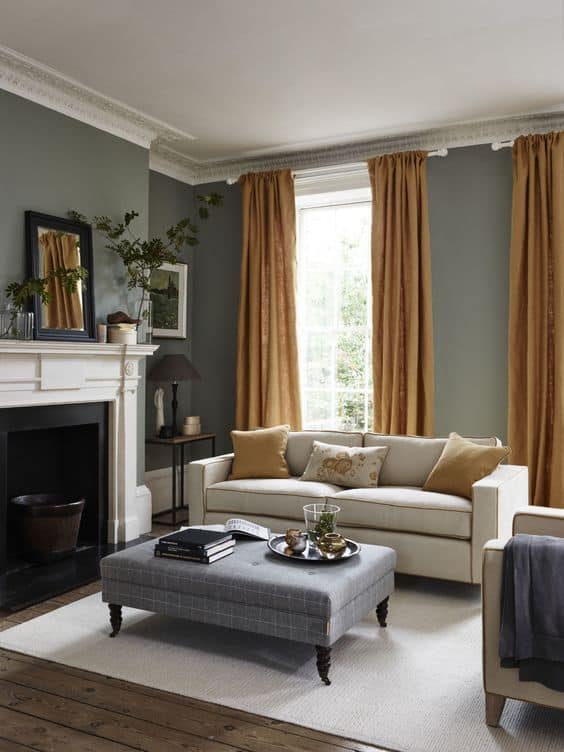
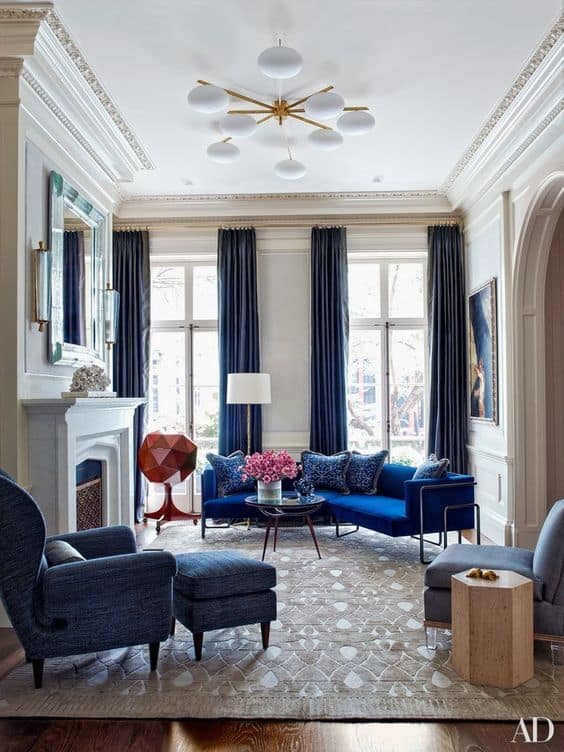
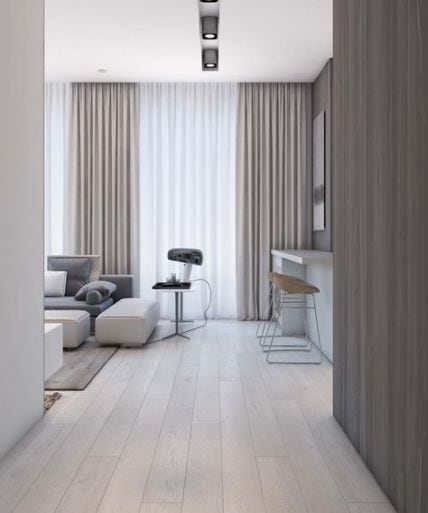
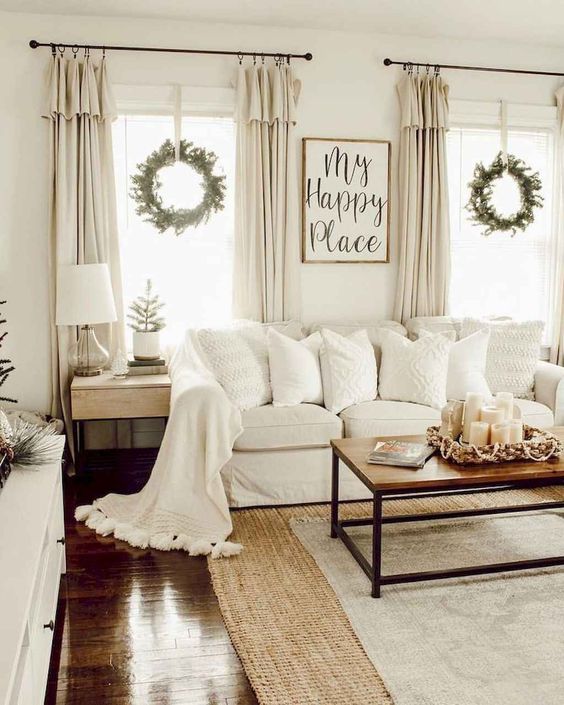
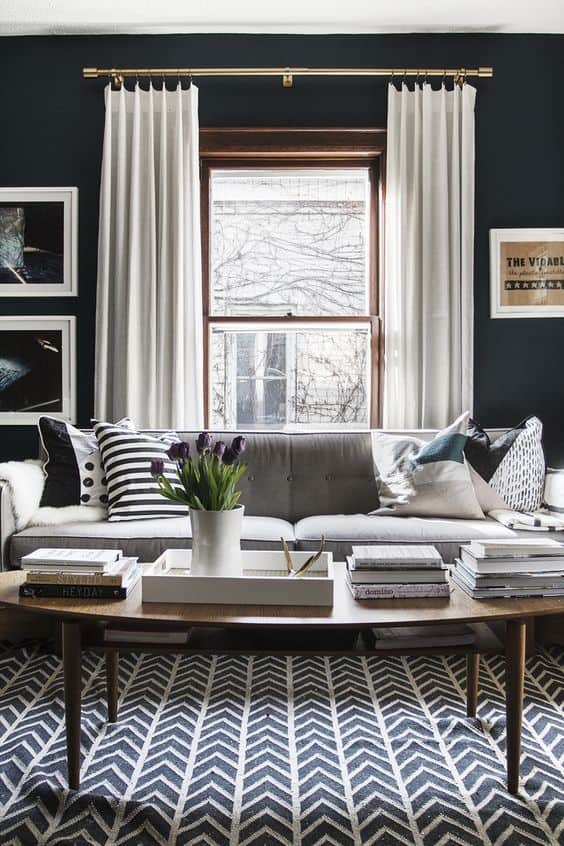
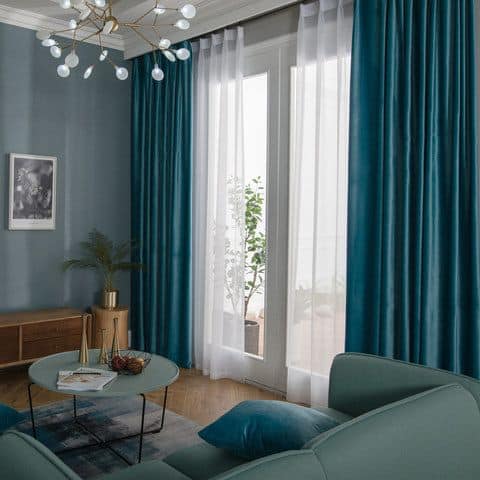
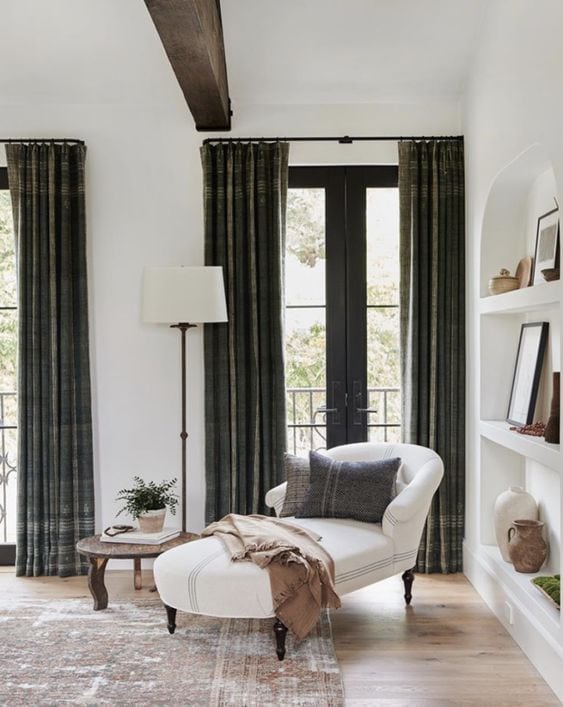
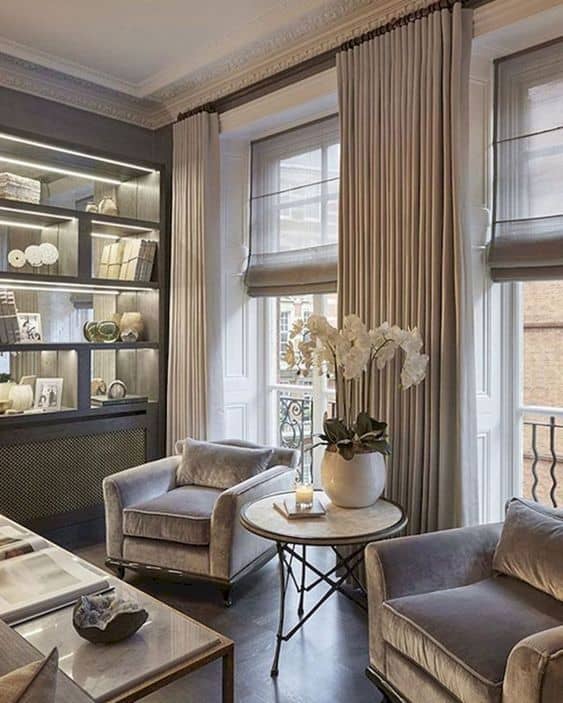
Living room curtain ideas
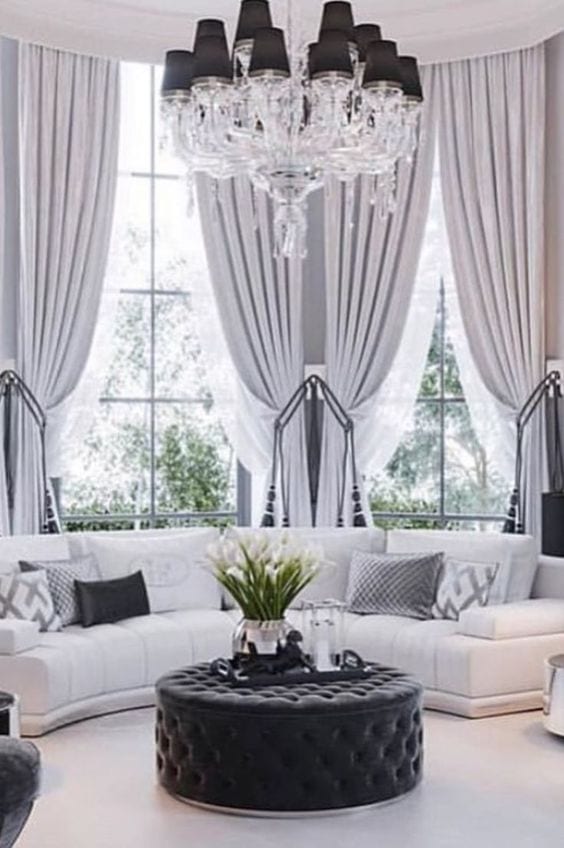
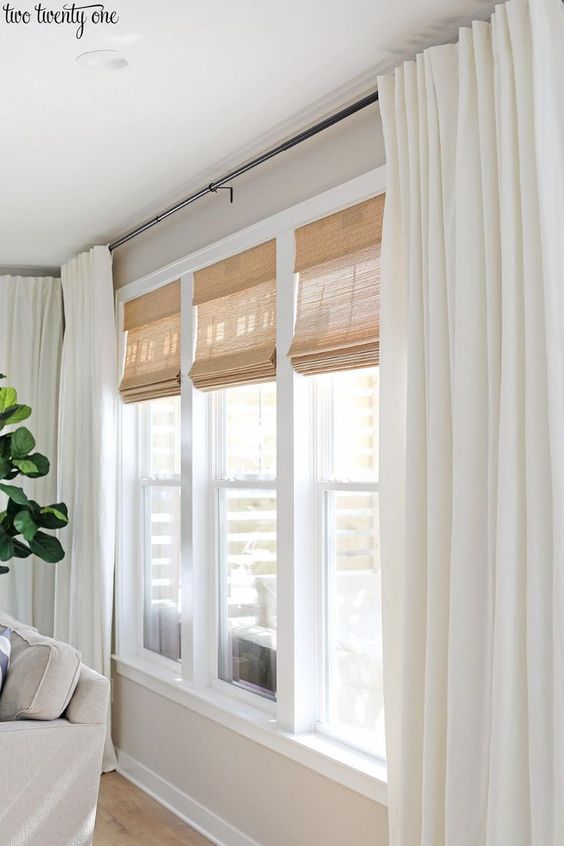
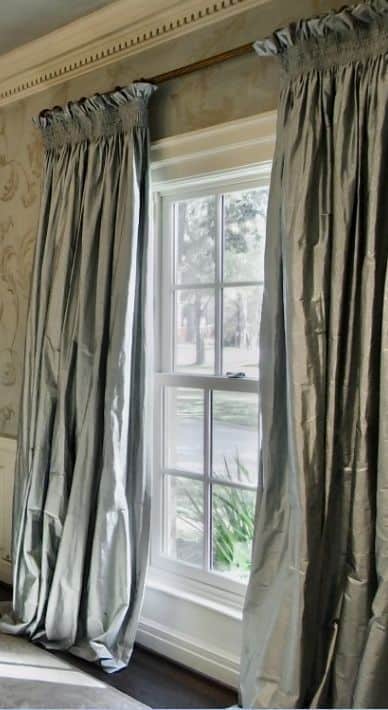
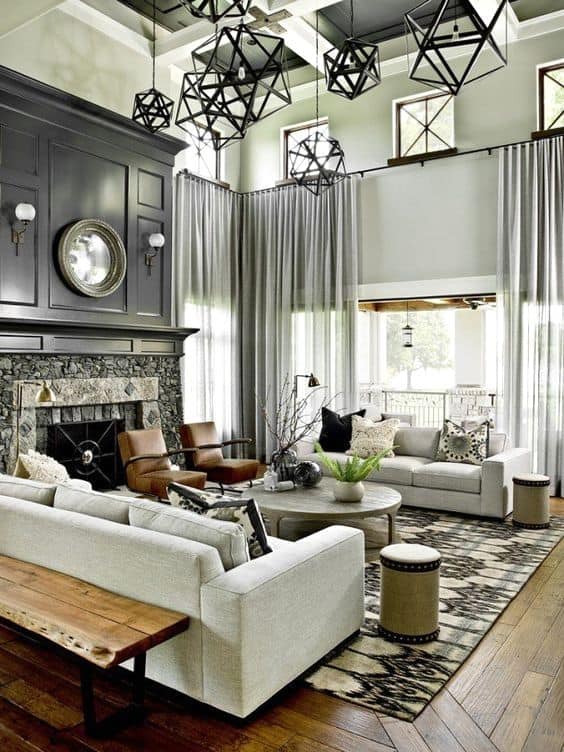
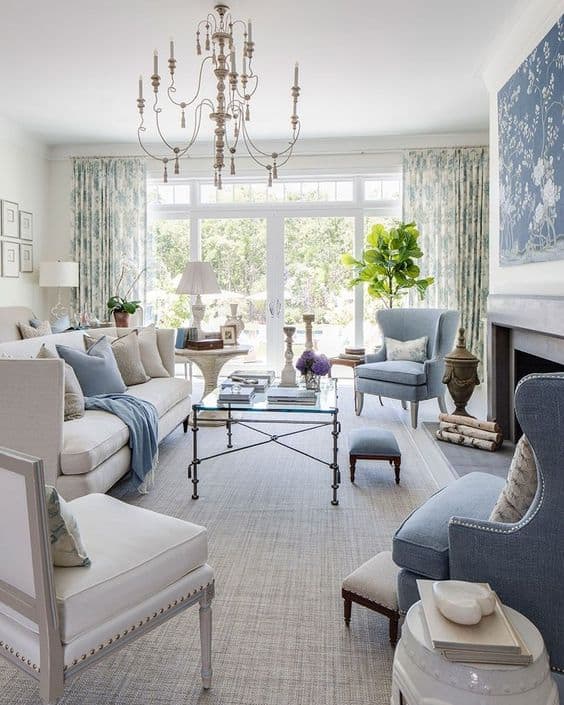
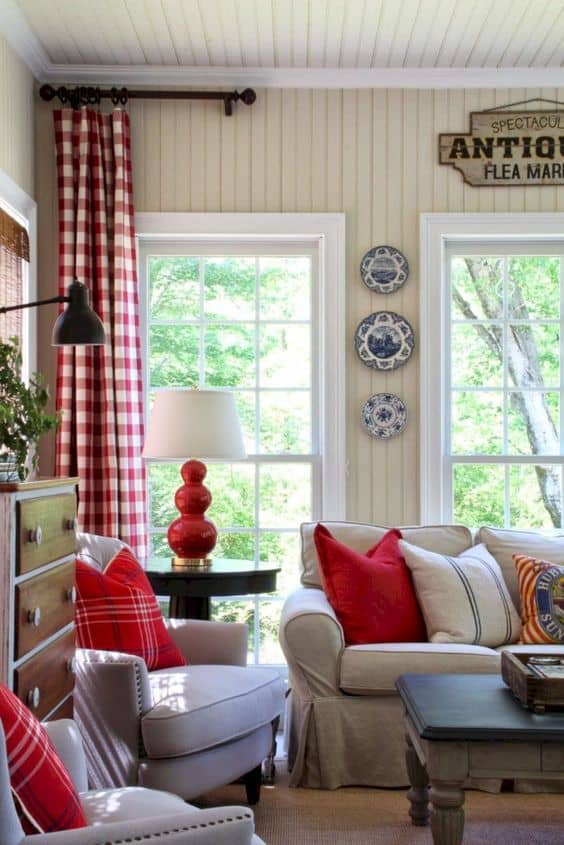
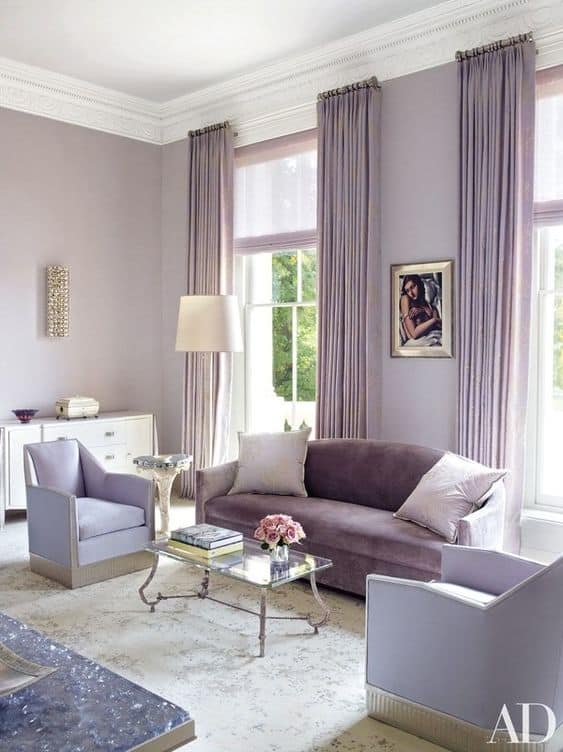
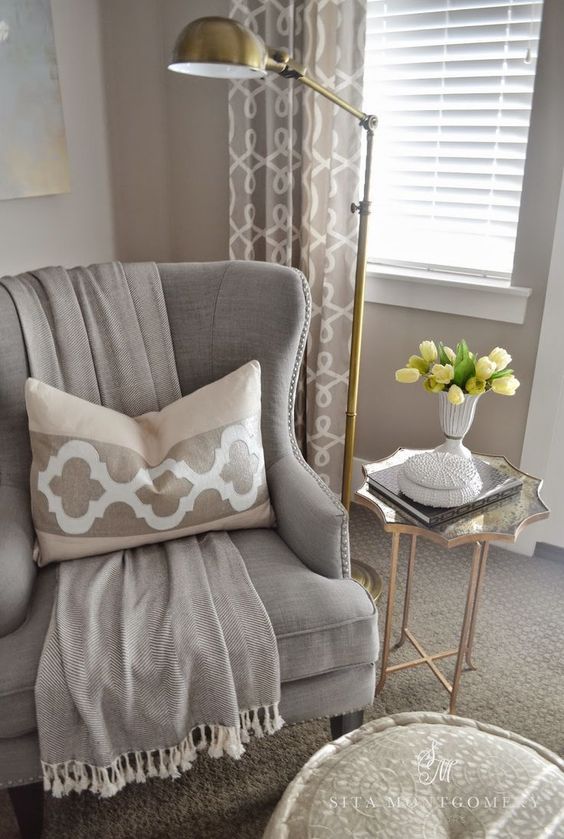

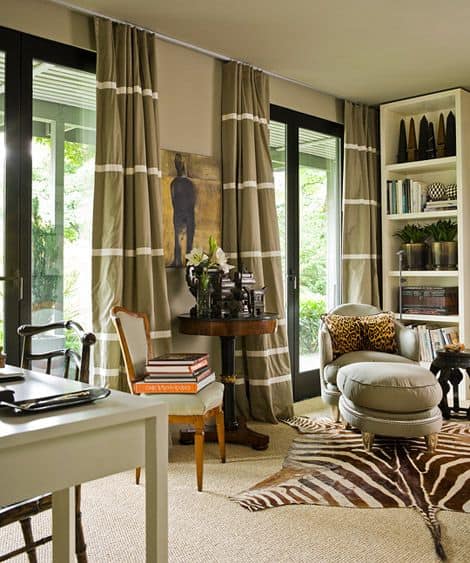
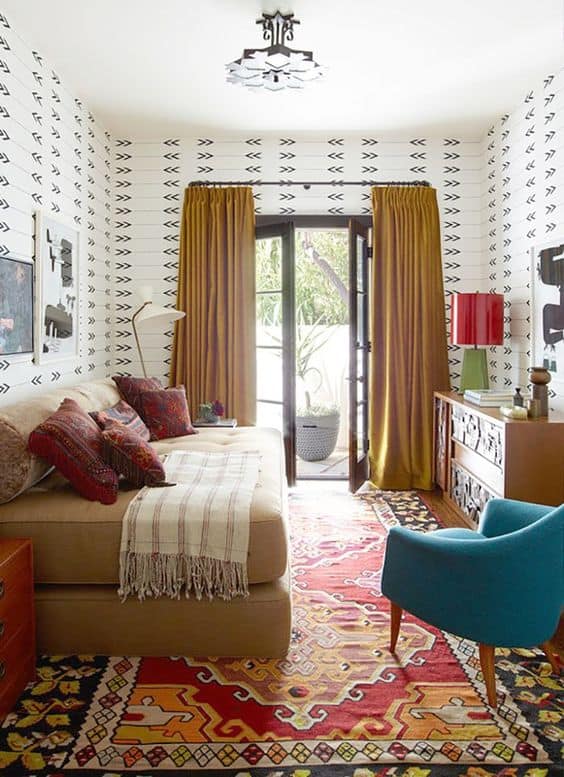
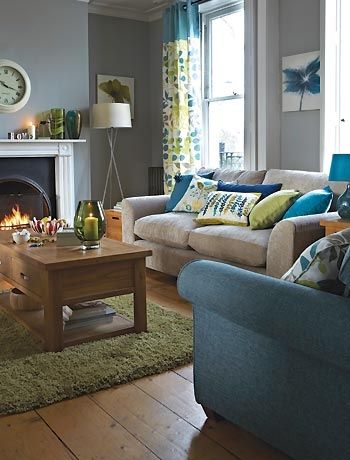
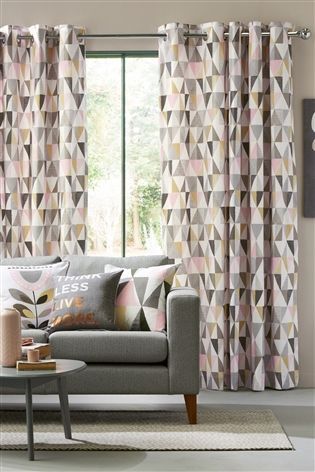
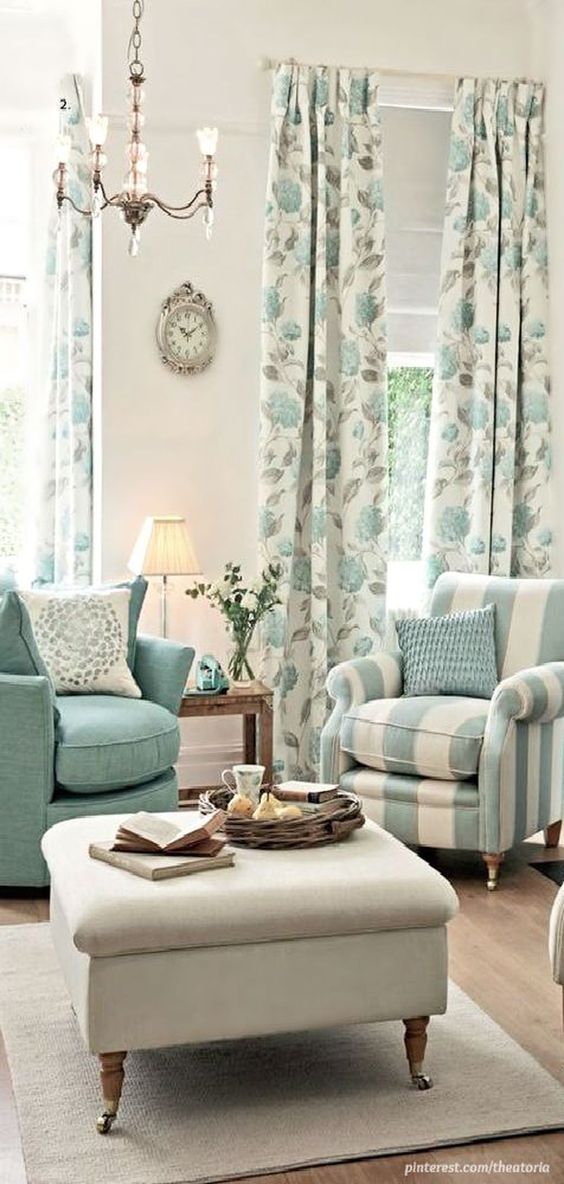
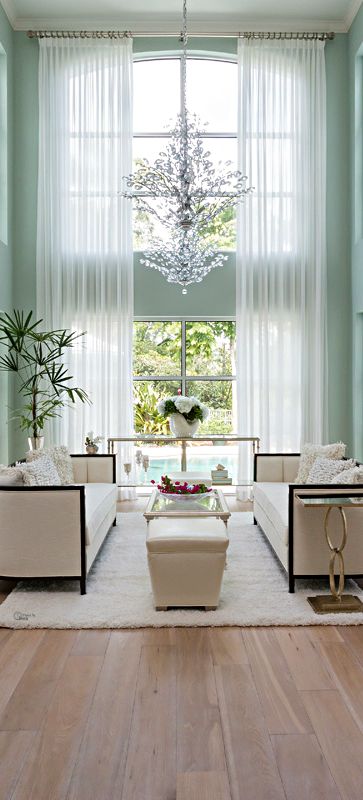
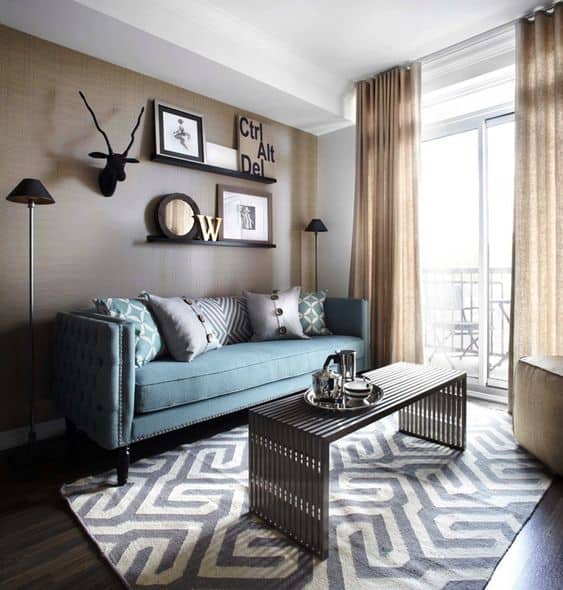
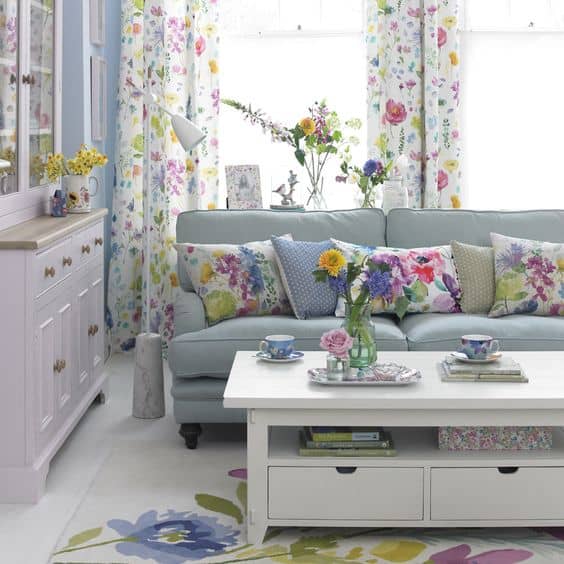
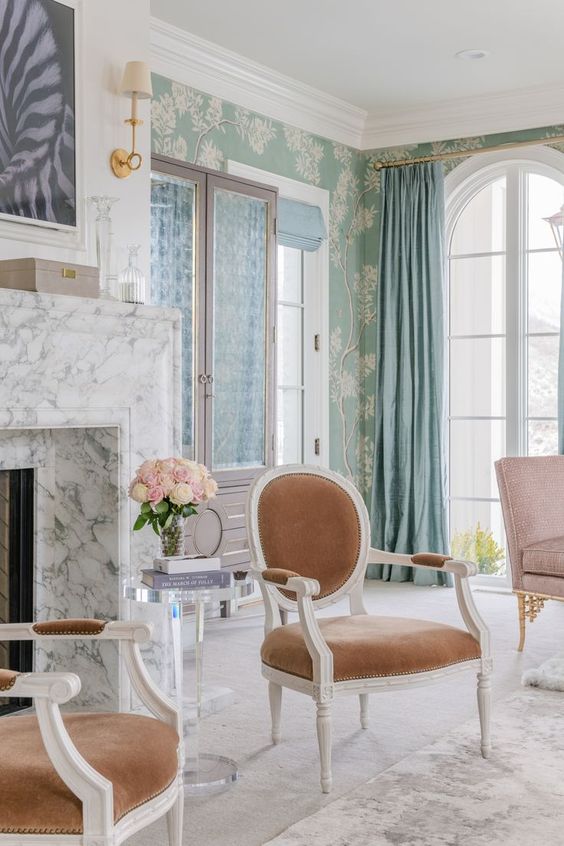
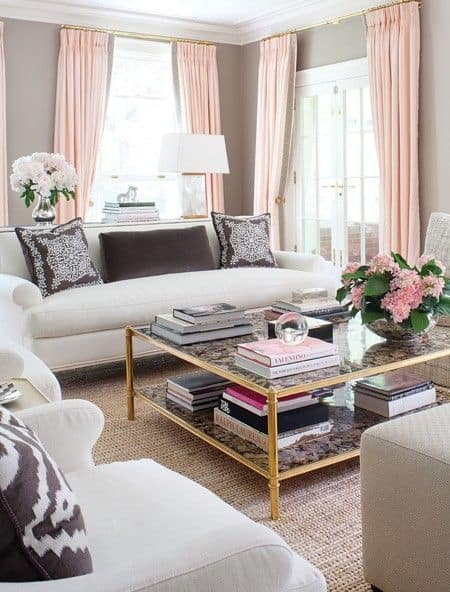
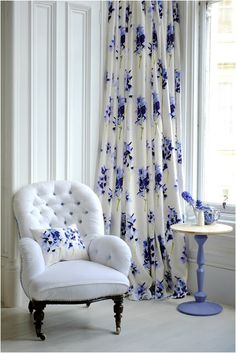
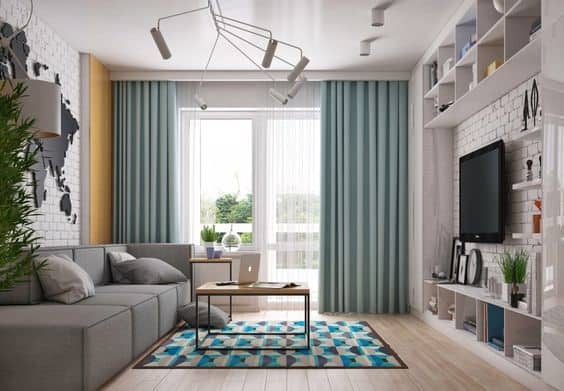
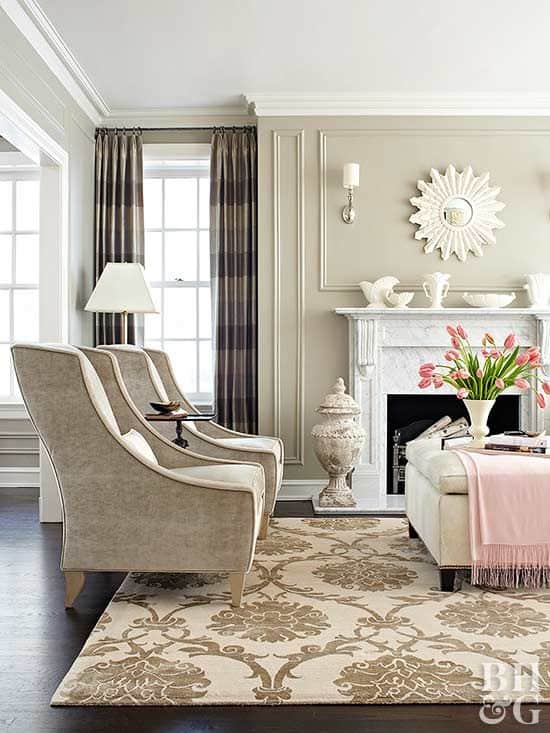
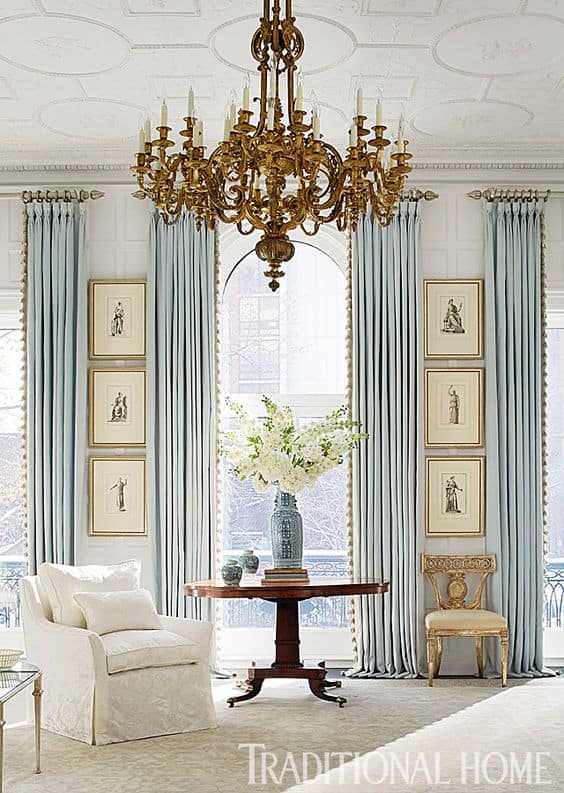
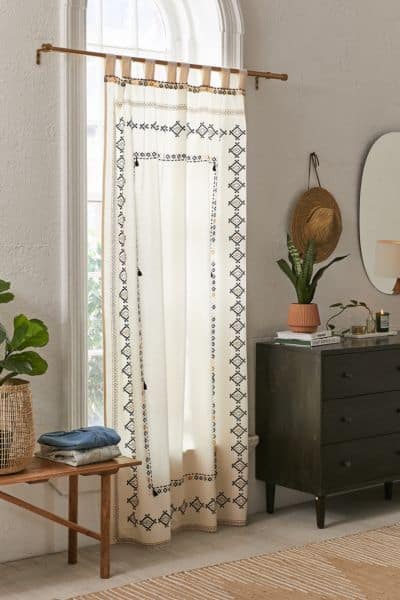
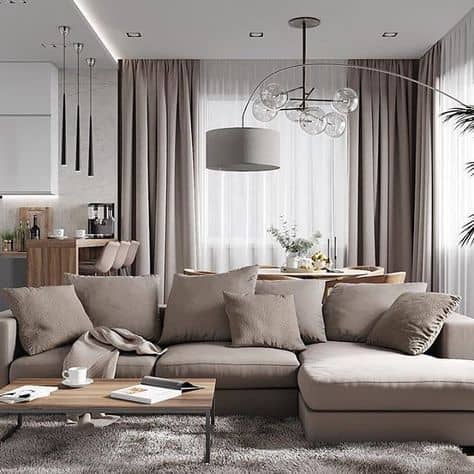

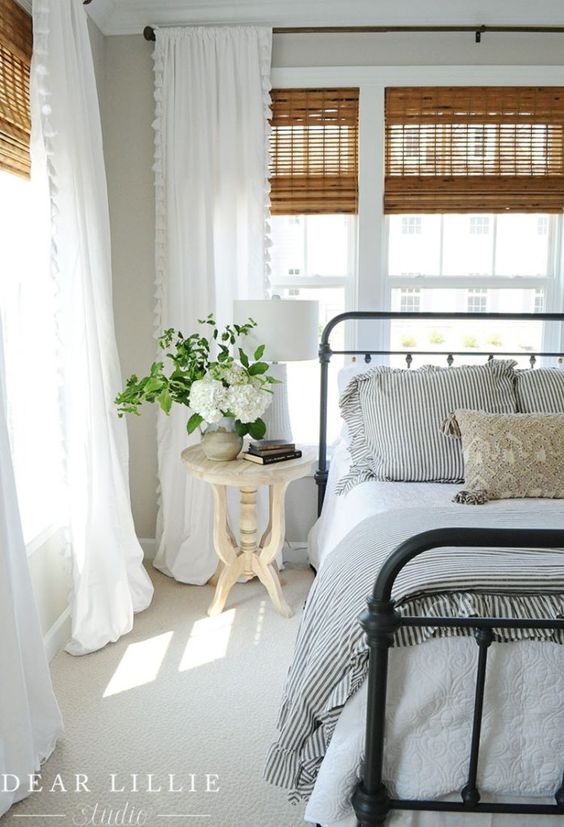
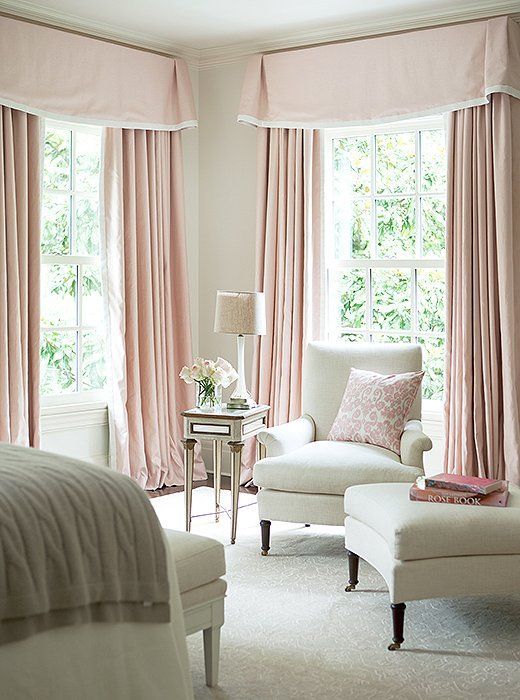
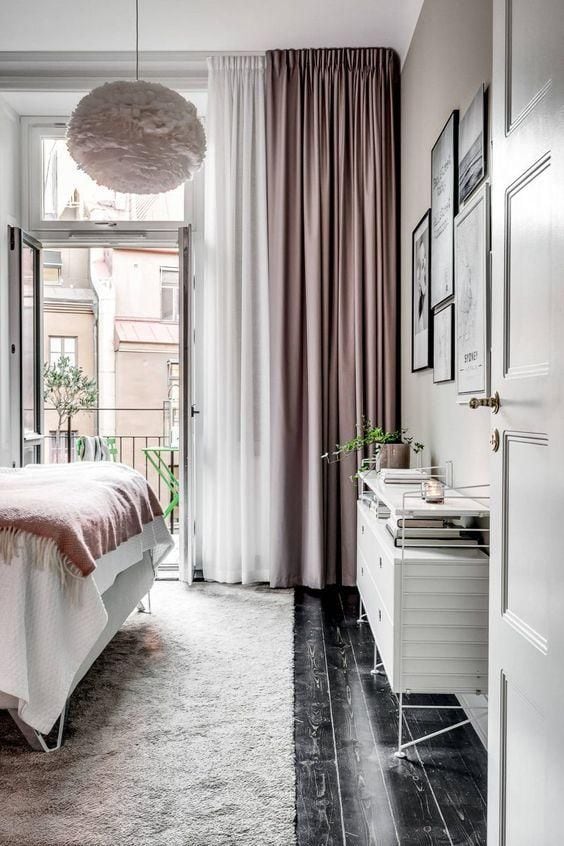
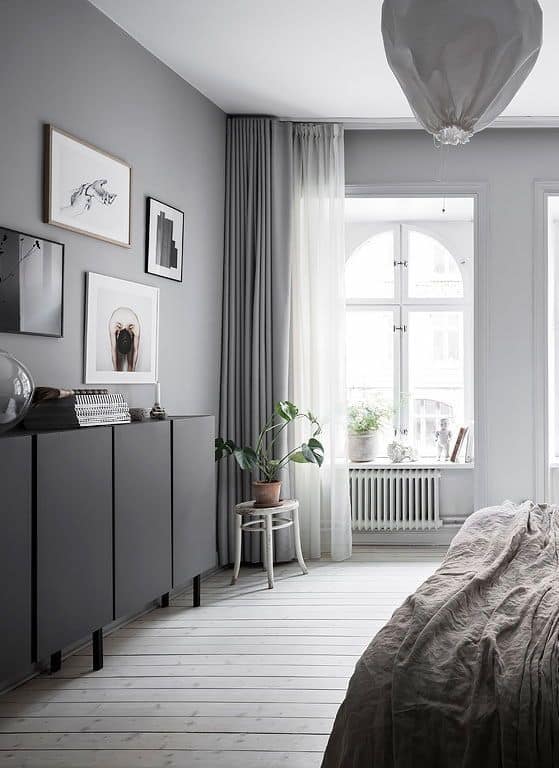
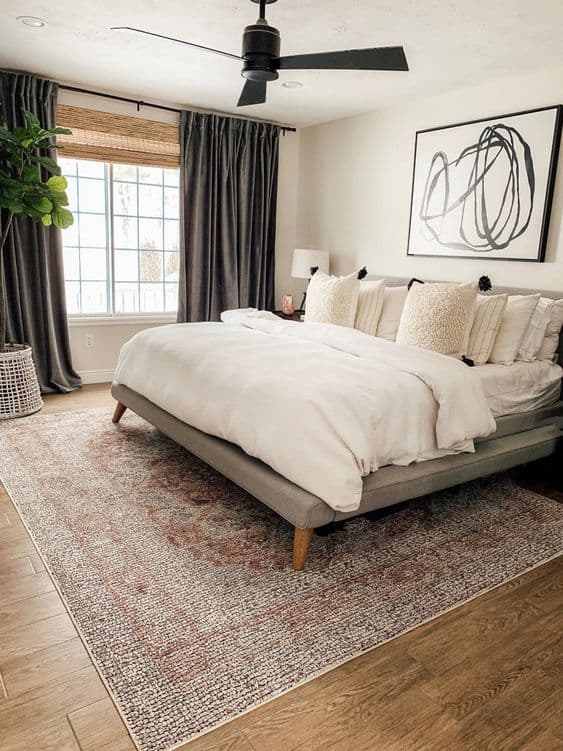
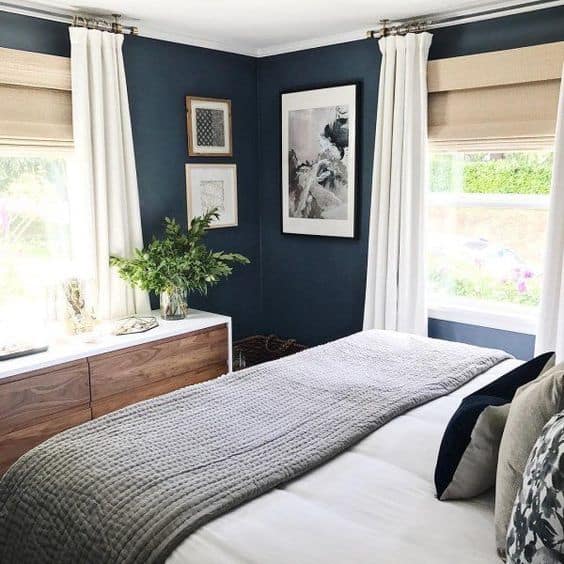
Bedroom curtain ideas
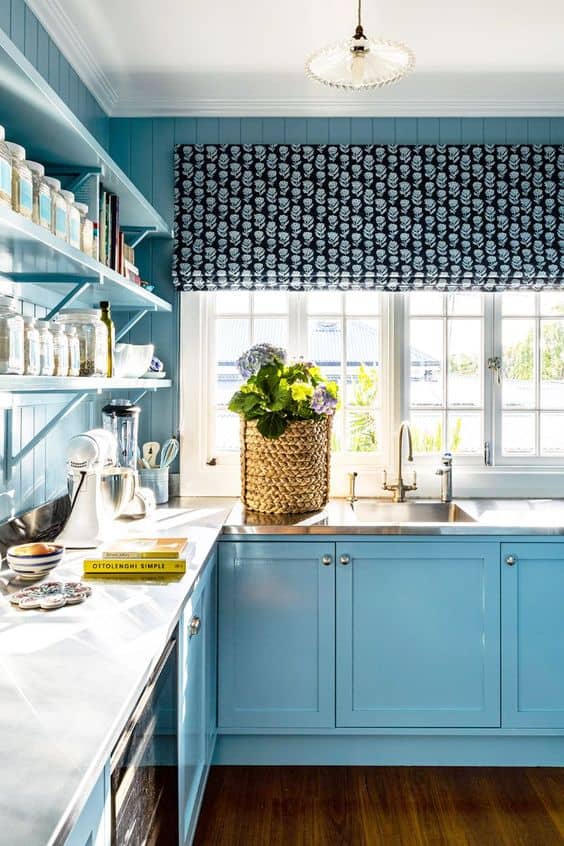
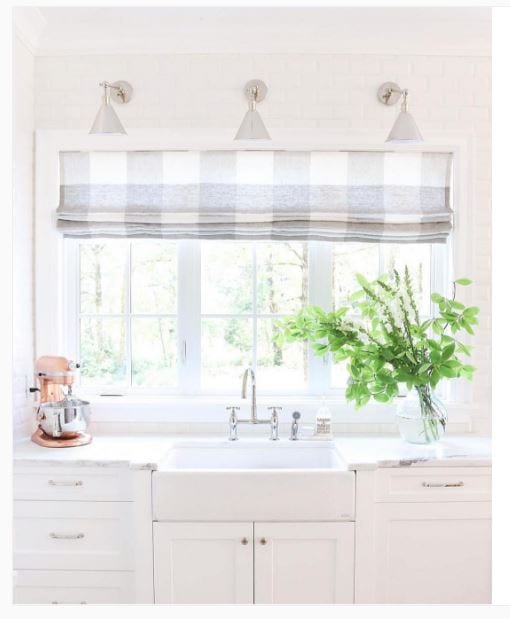
Kitchen curtain ideas


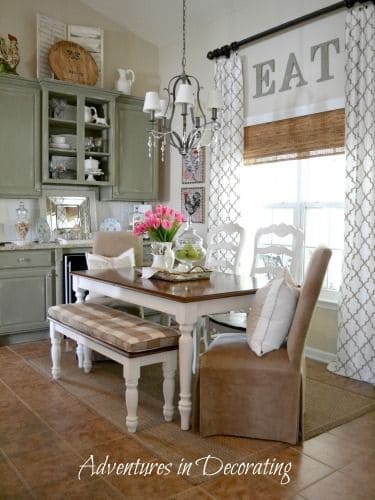
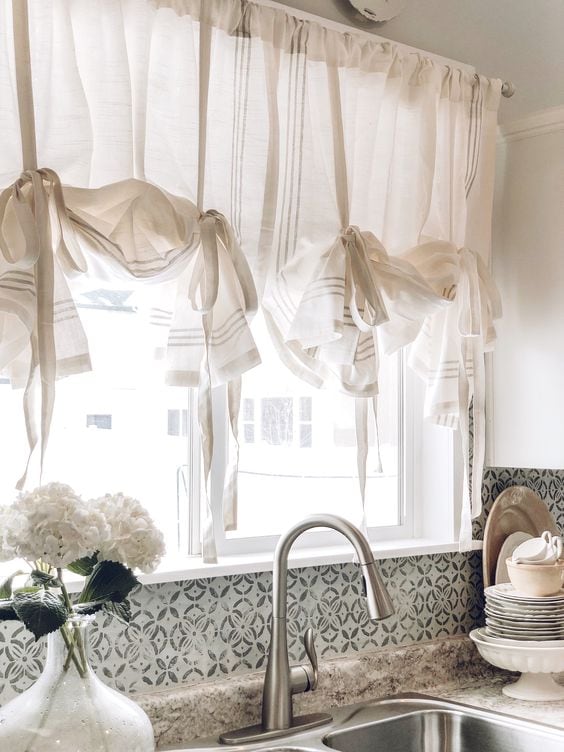
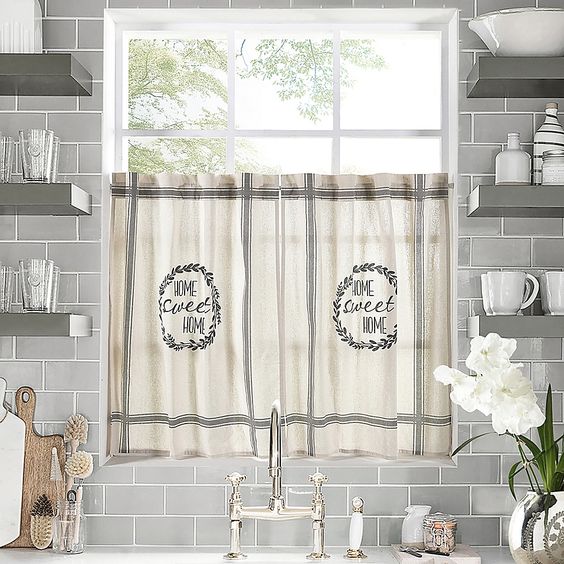
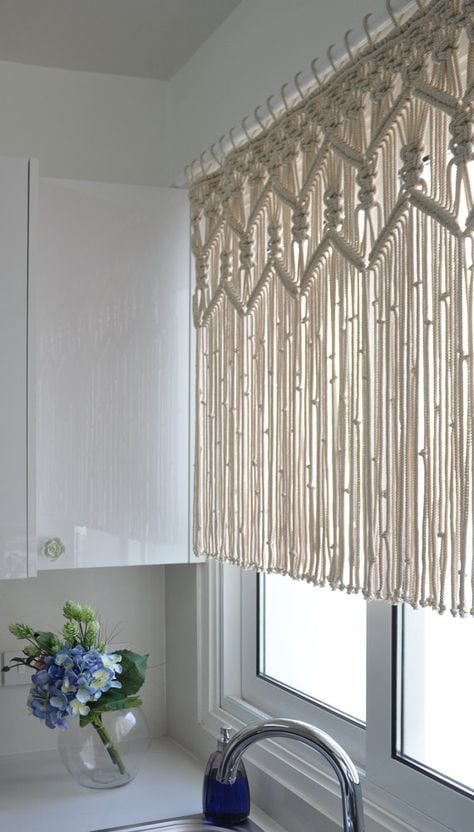
Window curtain ideas
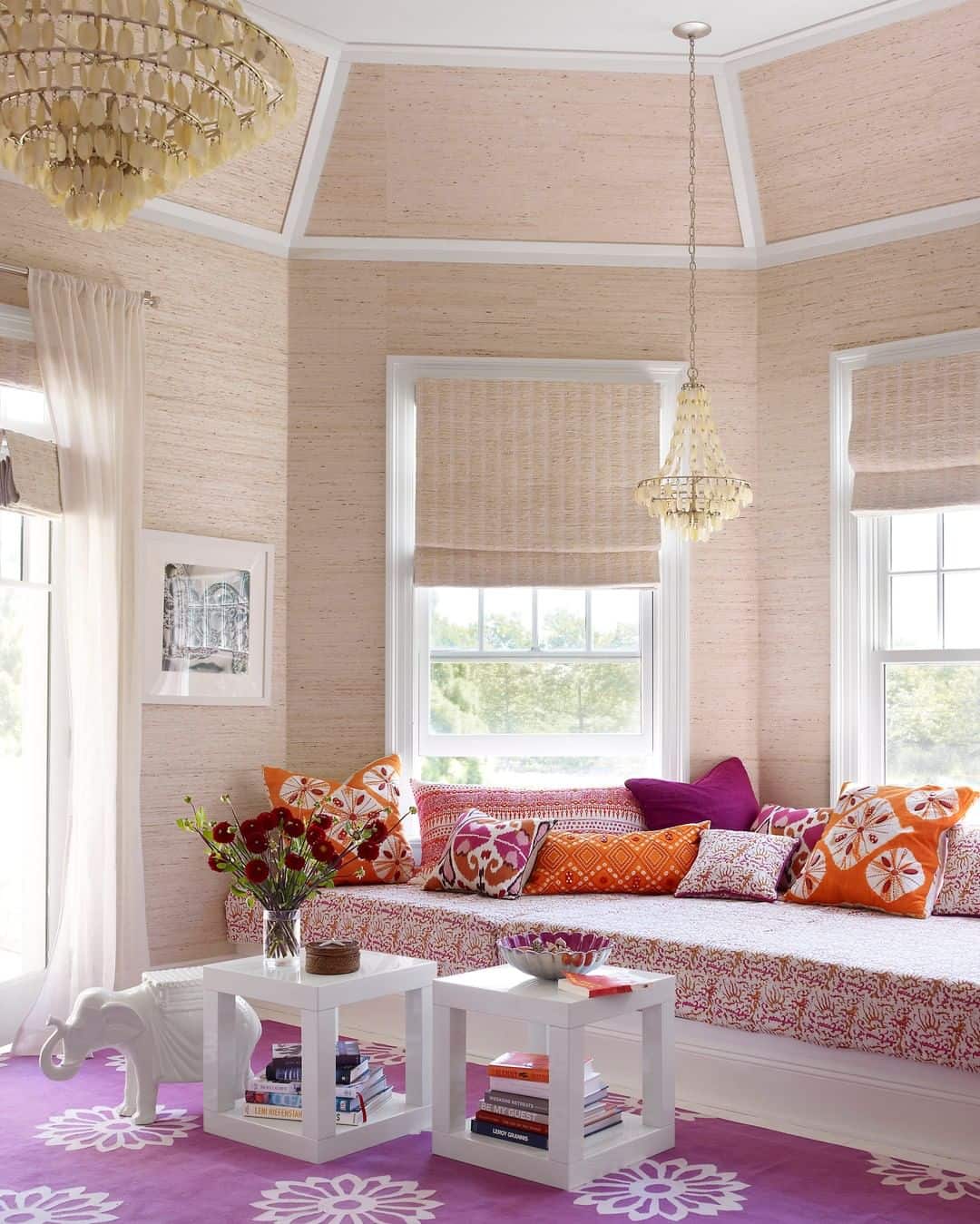


Conclusion

So there you have it, 100 curtain ideas to spark your imagination. Now that you have all the information about the available curtain types and the different styles you can achieve by combining all these factors, you should be fully prepared to select the perfect curtains for your interiors.
Take your time to carefully consider your options. Remember to be patient, as the best results often come from thoughtful work.