10 Midcentury Modern Fireplace Ideas for a Stylish Home
Midcentury modern fireplaces are sought-after for the character they bring to a room. They also provide practical value. Their appeal comes from balancing visual character with everyday practicality.
These fireplace designs use clean lines, thoughtful materials, and organic textures. They add warmth, serve as architectural centerpieces, and help create a balanced atmosphere.
Fireplace elements from the midcentury era can be added through subtle upgrades or a full renovation. Integrating those details can change the room feel in a noticeable way.
These fireplace ideas bring modern needs together with vintage style.
Floating Stone Hearths and Organic Walls
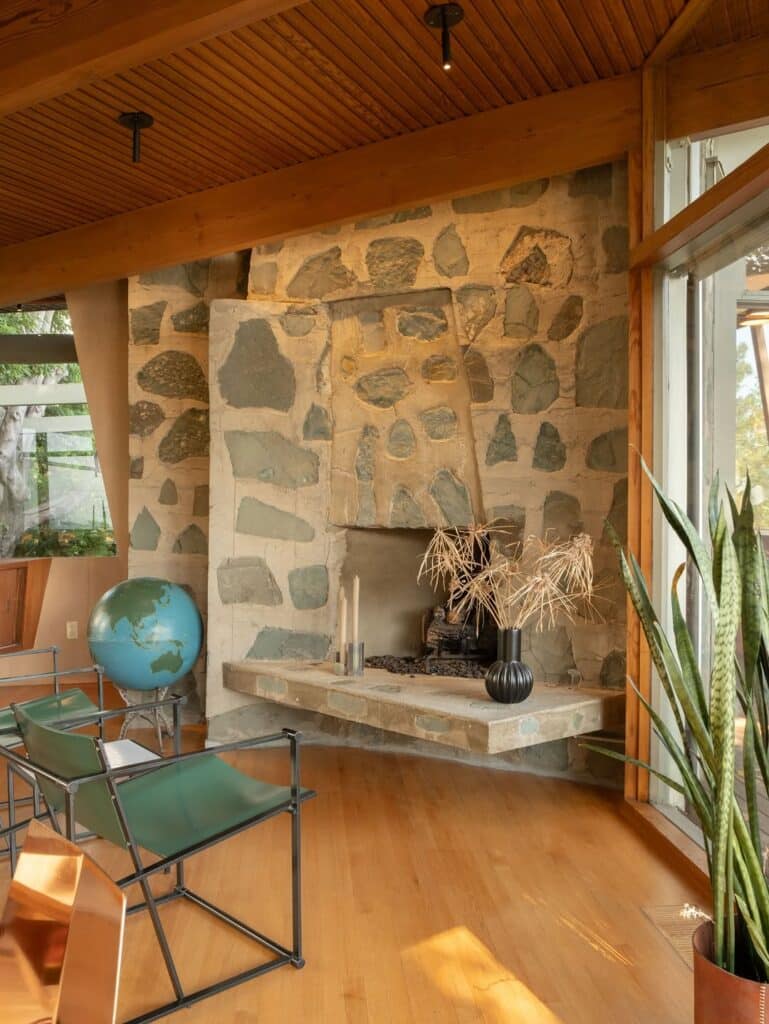
Organic wall forms soften the strict midcentury lines around a floating stone slab. The slab maintains fire safety.
Curved or textured walls balance the geometry and reference nature-inspired design. A floating stone hearth is recommended for biophilic elements that retain their period roots.
Designers recommend floating stone hearths for their natural materials and craftsmanship. The hearths stay true to the architectural vocabulary of midcentury modern design while emphasizing visual flow.
Brick Hearth and Wood Ledge

A slim floating wood ledge sits above the brick hearth and replaces bulky mantels. Horizontal brick courses refer back to midcentury architecture.
This brick hearth and floating wood ledge suit both split-level homes and ranch homes. The ledge also provides display space for ceramics and vintage clocks.
Tapered-leg furniture fits naturally into the open, low-profile room layout. A ledge made from natural oak or teak complements the masonry textures and the furniture.
Textured Corner Stone Fireplace
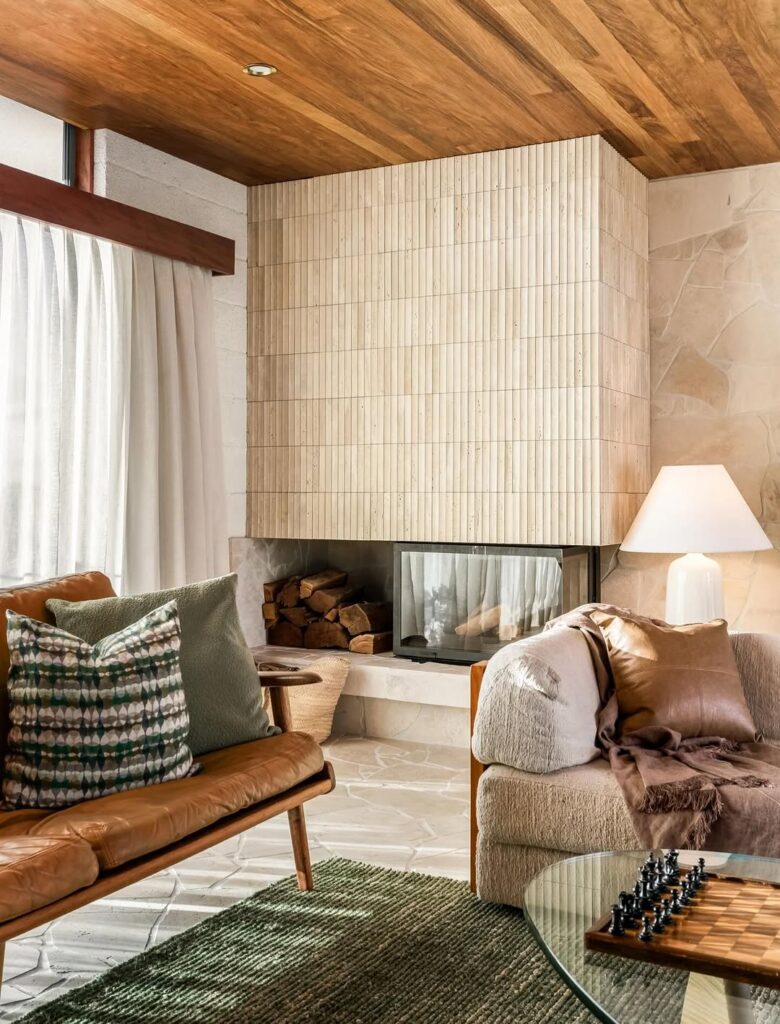
Irregular natural stone adds depth while respecting the material's honesty. Set in the corner, the fireplace uses textured stone as its main surface.
Art can occupy wall space freed by a corner stone design. The same open area supports seating. Stone tones pair with wood ceilings and expansive glazing.
The stone fireplace offers organic warmth and structural presence without ornate detailing. It avoids stylistic excess.
Avocado Green Cone Hearth
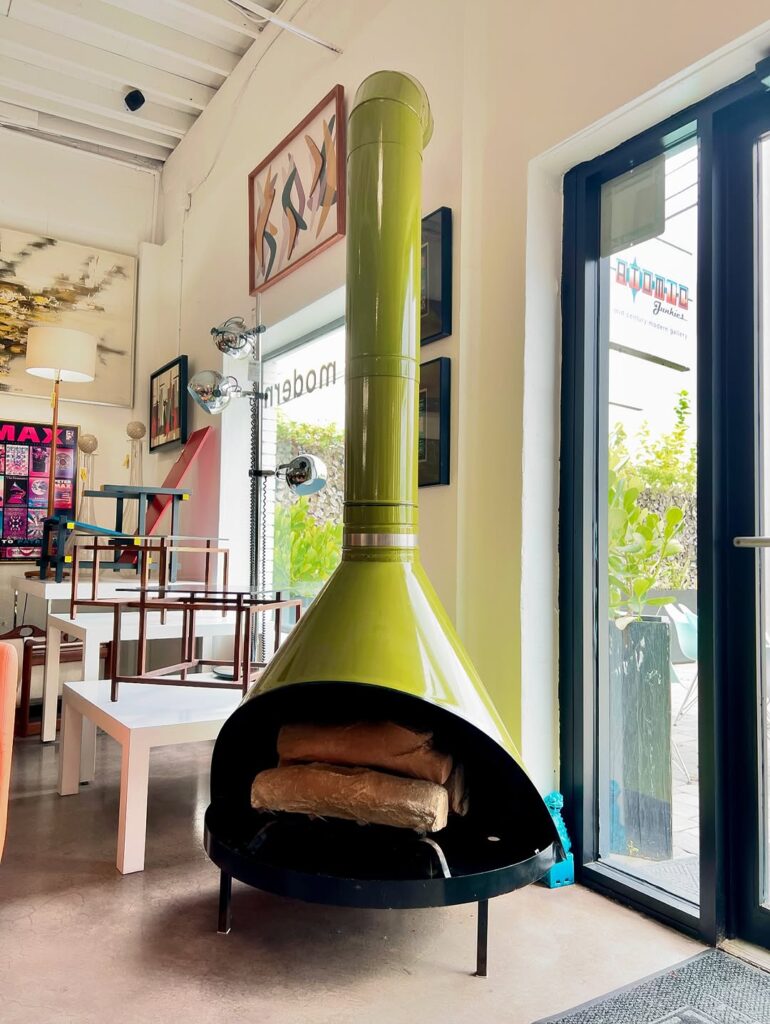
The midcentury fireplace takes the form of an avocado green cone. Avocado green is strongly associated with midcentury interiors.
Neutral walls set off the avocado cone hearth. The sculptural fireplace is available in enamel or powder-coated steel.
The avocado cone hearth suits eclectic homes and carries a 1970s sensibility. Leather lounge chairs, slim credenzas, and indoor plants support that period character.
Suspended Angular Hearth
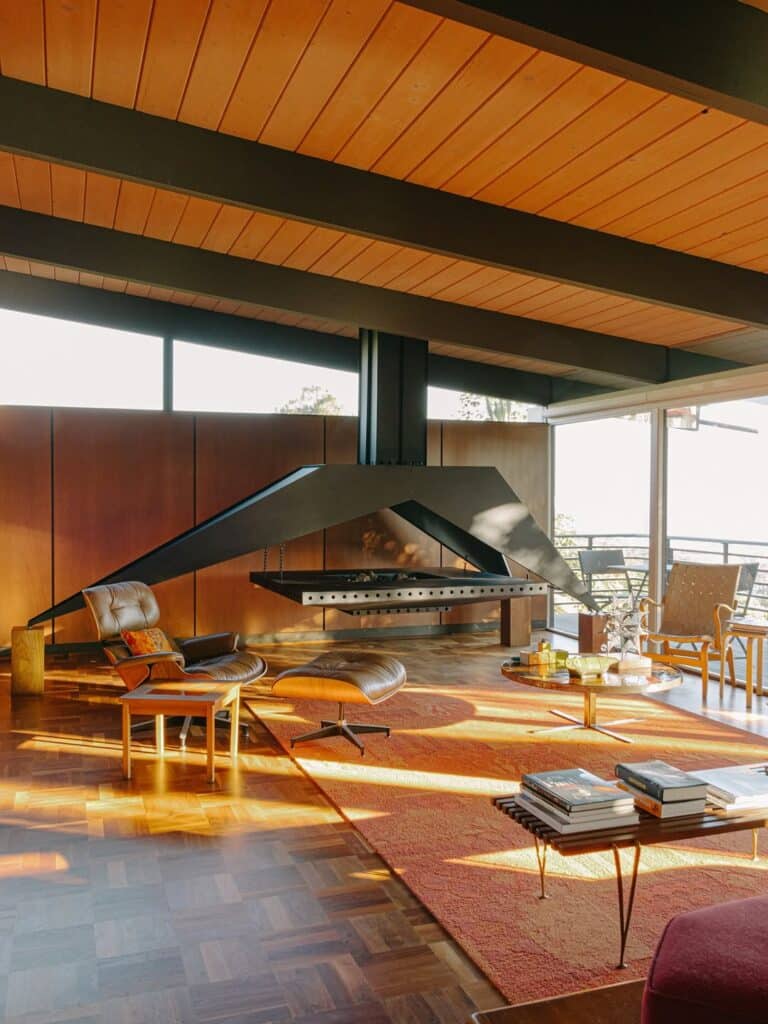
A suspended hearth has sharp geometry, while its faceted firebox can be made from steel or concrete. Faceted fireboxes reference late midcentury experimentation.
A hanging angular hearth frees floor space, making it suitable for compact rooms and open-plan rooms. It pairs with a restrained palette, graphic art, and streamlined furniture.
Efficient heat distribution and dramatic impact are reasons some homeowners select angular suspended hearths. Kept free from excessive visual weight and unnecessary ornamentation, they signal midcentury modern intent.
Suspended Tangerine Mesh Cone

The suspended cone form references midcentury experimentation. It is made from tangerine perforated mesh.
Tangerine color functions as décor in open living areas. The perforated mesh lets light pass through and supports ventilation, while the tangerine mesh hearth suits the open layout.
Neutral upholstery sits with walnut casegoods and terrazzo floors. These furnishings pair with the tangerine mesh cone hearth.
Visual lightness is one quality designers favored in mesh cone hearths. The hearths retain heat performance, avoid an overwhelming scale, and provide retro flair.
Suspended Cone Fireplace
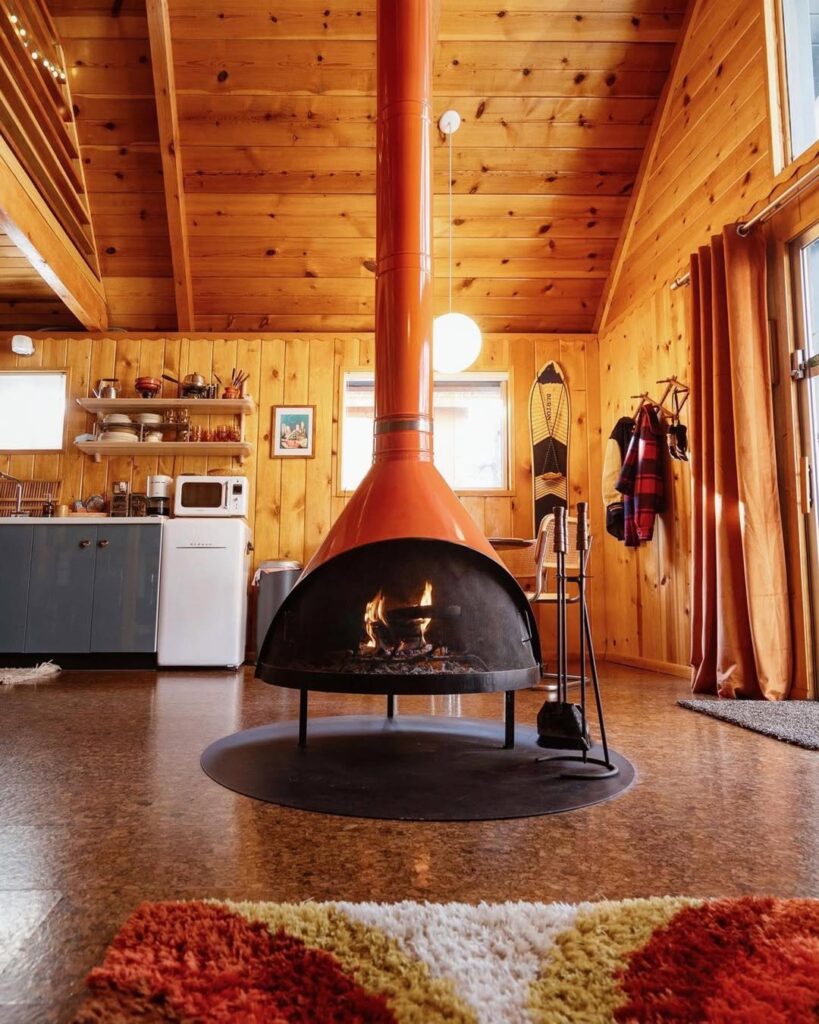
The fireplace has a sculptural form. It is a cone suspended above the floor.
In 1950s interiors, the fireplace keeps a light visual weight. It is available with a blackened steel finish or a matte enamel finish.
The suspended fireplace anchors wall-free seating zones. This arrangement benefits open-plan layouts.
Walnut furniture, a low-slung sofa, and a geometric rug pair with the suspended cone fireplace. A vertical fireplace is also present. The suspended cone fireplace supports heat distribution.
White Linear Brick Hearth
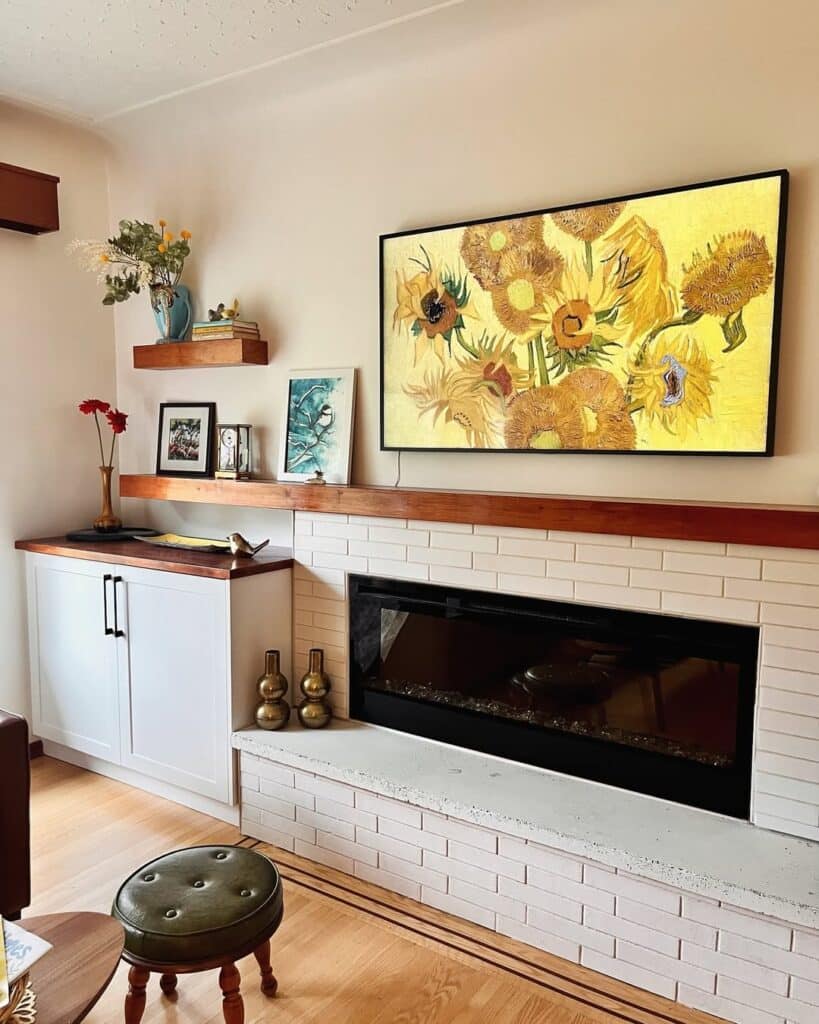
The media-focused living room uses a clean-lined white brick hearth. Its linear brick layout echoes midcentury geometry, and the white finish supports open space.
The television is mounted on the wall above the fireplace. This arrangement reduces clutter and supports symmetry.
Flat-front cabinetry, streamlined lighting, and muted textiles pair with the hearth. A high-durability material and timeless proportions suit family rooms while preserving the period influence of the linear white brick hearth.
White Cone on a Pedestal
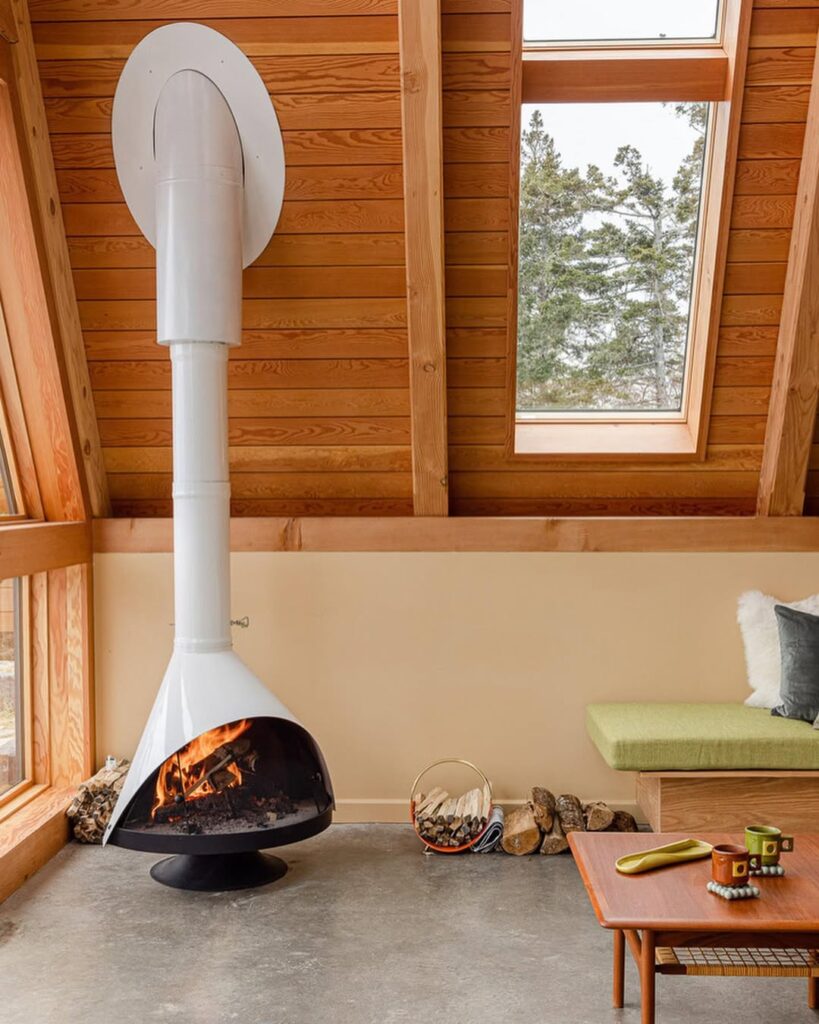
The raised pedestal cone fireplace keeps floor space open. Its form emphasizes vertical proportion while giving the hearth a clear presence.
The white finish highlights the fireplace's sculptural geometry. Its crisp surface reflects light and belongs to a midcentury palette.
Restrained artwork helps shape the setting. The pedestal cone hearth pairs with tapered-leg furniture and globe lighting, making it a good fit for compact rooms.
Pedestal cone hearths suit updated ranch homes as well as updated split-level homes. They combine vintage aesthetics with contemporary cleanliness and require easy maintenance.
Brick Hearth Fireplace with Slim Mantel
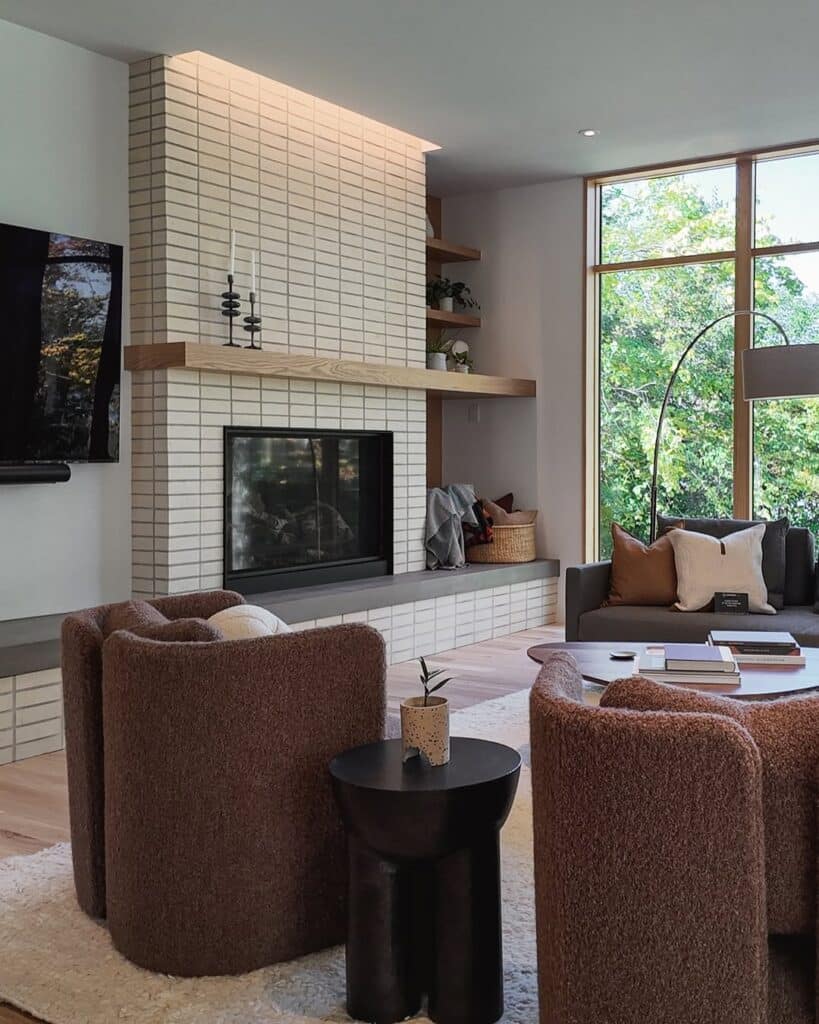
The slim brick hearth reduces visual weight and reflects midcentury restraint. A floating mantel provides display space without creating clutter.
Natural wood forms the mantel, softening the masonry texture and echoing classic furniture finishes. This fireplace style suits media walls and narrow rooms.
Slim hearths suit renovations that require clean lines, modern function, and period references. They help avoid disrupted proportions and spatial overwhelm.
Midcentury Teal Brick Hearth
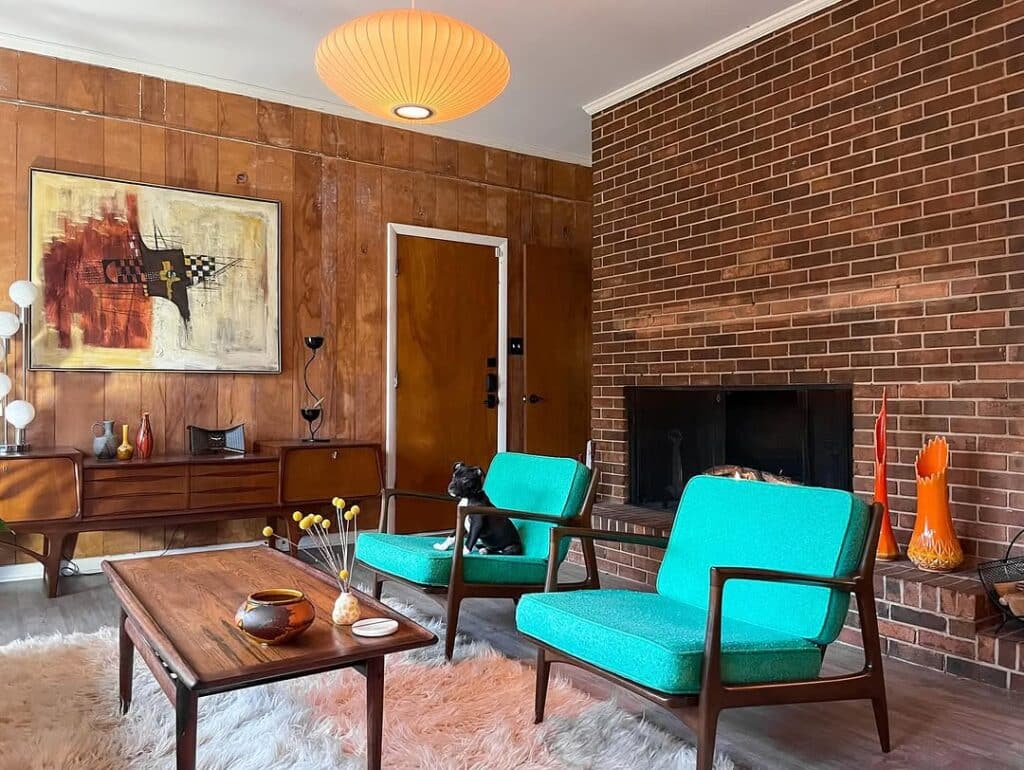
The durable brick hearth gives off steady heat and reflects the midcentury ranch architecture. Teal lounge accents from the 1950s pair with it.
A 1950s teal palette can appear through teal chairs, artwork, or cushions, but the accents should not visually overpower the room. Walnut furniture, slim lighting, and neutral walls create a calm setting for the teal pieces.
Designers recommend a brick hearth with teal accents in midcentury modern living areas for a subtle retro color note. The pairing preserves the fireplace as a timeless focal point.
Charcoal Brick Hearth with a Sunburst Pattern
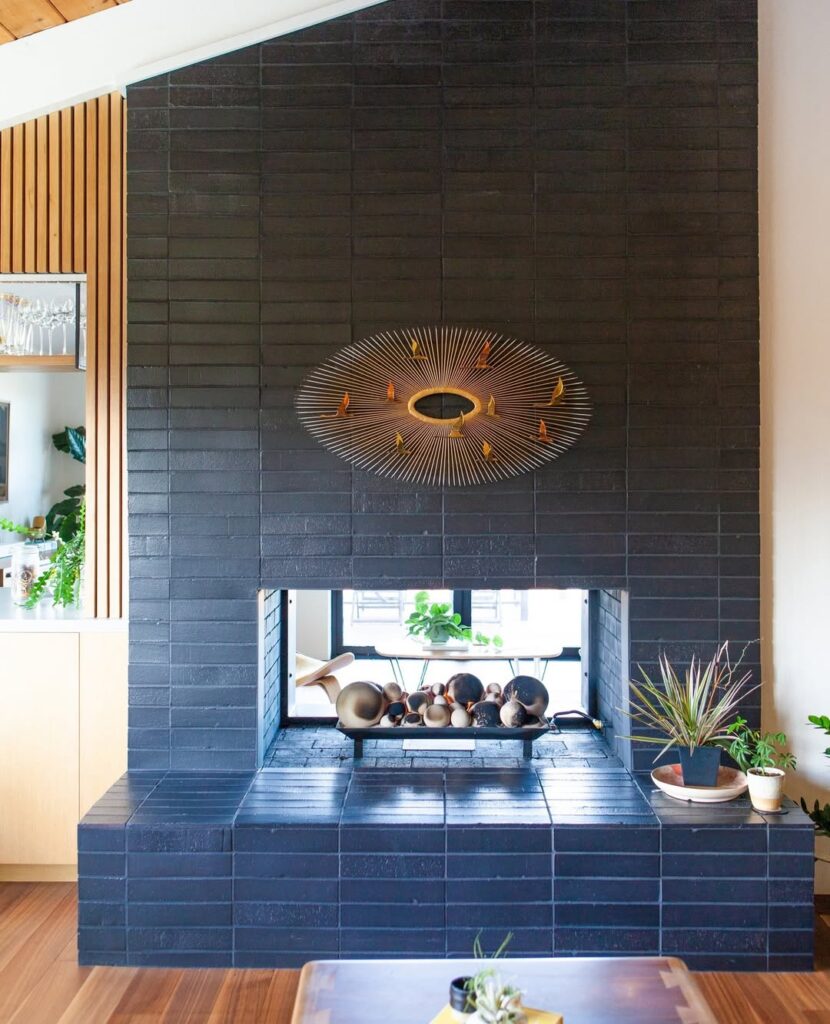
In a linear room, the radiating sunburst brick pattern introduces movement. The hearth is made of brick.
Warm brass accents and globe lighting pair with the charcoal hearth. Sculptural furniture completes the grouping, while the charcoal masonry color recalls 1960s palettes.
The sunburst hearth suits a statement wall. Its centered firebox emphasizes symmetry, avoids modern distractions and excess ornamentation, and supports period grounding.
Corner White Brick Hearth
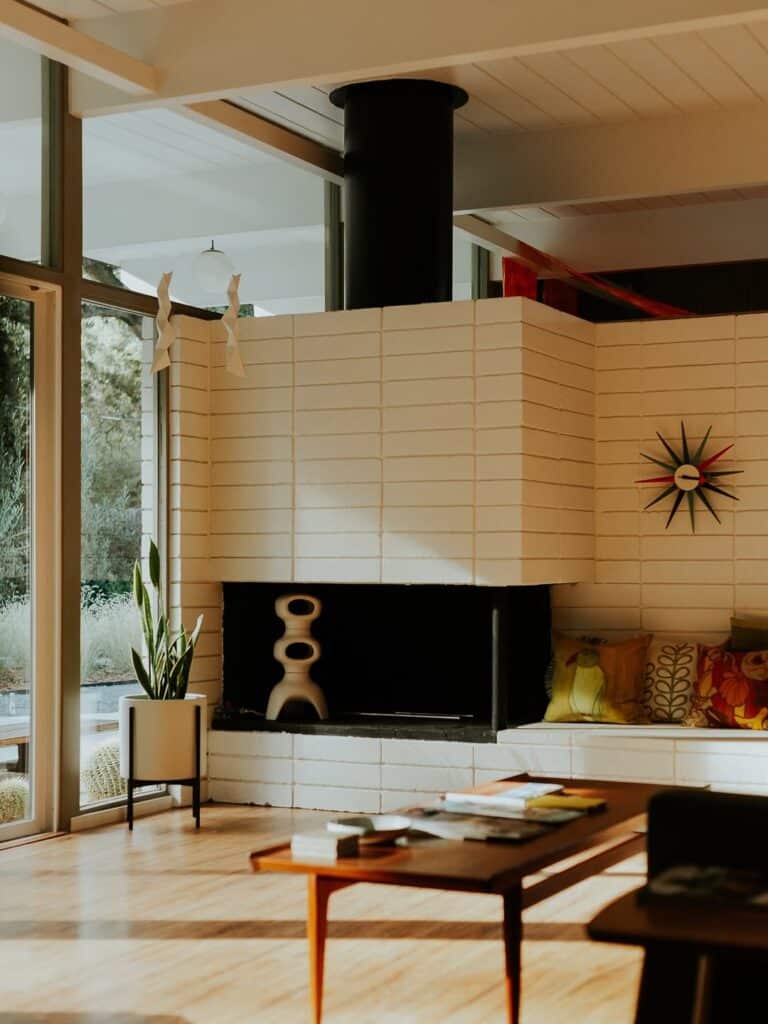
Open circulation is characteristic of midcentury layouts. In the corner, a white brick hearth reflects light and emphasizes clean geometry. Its placement supports warmth while keeping open circulation intact.
Low-profile seating near the hearth supports conversation without crowding the hearth. A corner hearth is recommended for smaller living rooms and supports efficient heat distribution.
Neutral textiles pair with the corner hearth, as do a walnut table and sculptural lighting. The hearth integrates with the architecture.
Pavilion Style Glass Fireplace

Full-height glass frames the fireplace and defines a subtle space. The views remain uninterrupted.
A brick fireplace balances transparency with solidity. This design suits garden-connected homes and split-level plans.
A muted palette and linear furniture keep the design clear. The black steel frame maintains architectural clarity while supporting heat efficiency and safety. It also reinforces midcentury character.
Brick Hearth Built-ins
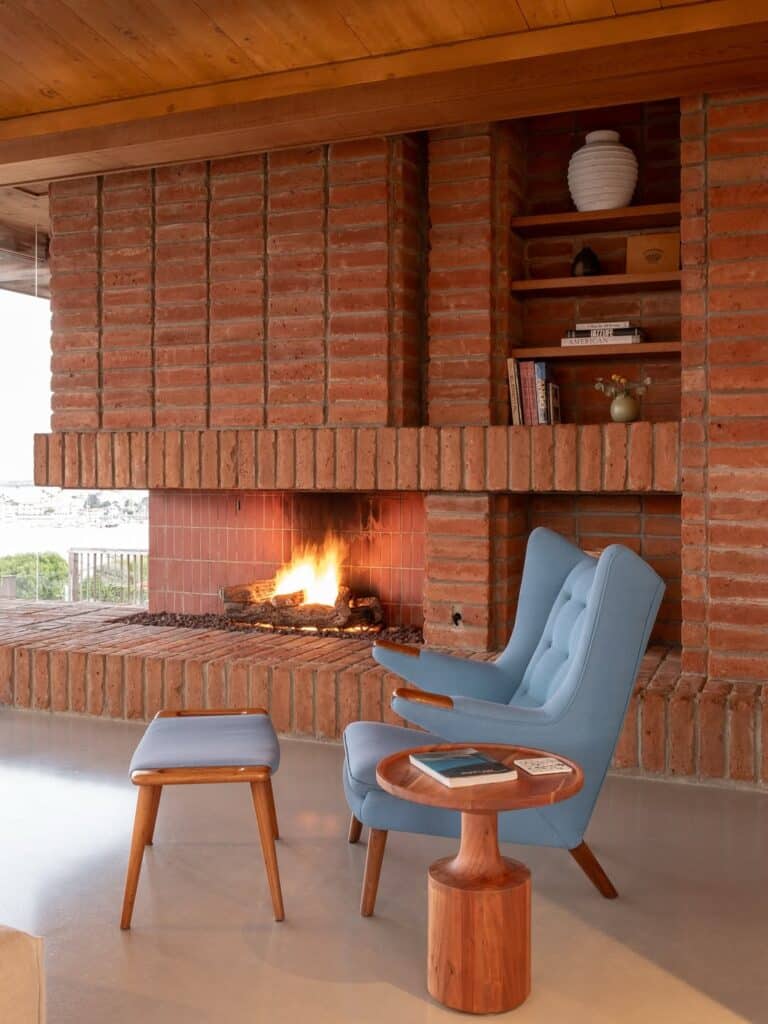
Built-in shelving frames the brick hearth. The design uses symmetry and proportion, reflecting midcentury design principles while making the hearth an architectural centerpiece.
Books, ceramics, and records fill the integrated storage. The brick surface brings both texture and fire resistance, while the storage provides practical support for everyday living.
In family rooms, built-ins provide functional storage and emphasize visual order around the design. The hearth keeps the fireplace prominent, and its integration can appear original to the home instead of retrofitted.
Natural Stone Sunburst Hearth for a Midcentury Modern Room

The hearth has a textured surface. Natural stone forms the sunburst pattern, giving the midcentury modern design its material and style.
The sunburst pattern radiates from the firebox. Its organic shape can use limestone, slate, or fieldstone, making these stone options suitable for original homes and restorations. The organic stone shape also suits linear interiors.
Warm metal sits alongside simple furnishings in this setting. The natural stone sunburst hearth pairs with both and avoids excess ornamentation.
Designers recommend stone sunburst fireplaces over trend-driven finishes. The stone sunburst fireplace offers timeless craftsmanship, high durability, and high period accuracy.
Curved Brass Freestanding Hearth

The surface is metallic. A curved brass canopy gives this freestanding hearth its connection to late midcentury interiors.
Its placement is flexible, and the freestanding hearth suits conversation seating. Patinated or brushed finishes can age gracefully.
The design pairs with a low sofa, woven textile, and warm wood.
Open floor plans can use the brass canopy hearth to anchor wall-free spaces while preserving architectural sightlines. Its material has high durability and radiant efficiency.
Midcentury Linear Stone Hearth

Wood slats add acoustic softness without creating visual clutter. The stone hearth has clean horizontal lines that keep the design orderly.
Oak or teak can cover the slatted wall, which pairs with low-profile furniture and echoes classic architecture. For open layouts that prioritize long sightlines, a linear stone hearth is a fitting recommendation.
In contemporary homes and renovations, this midcentury modern fireplace style can support modern heating efficiency. A linear stone hearth adds organic texture and structural clarity, while period-appropriate materials can age gracefully.
Floating Slab Linear Hearth
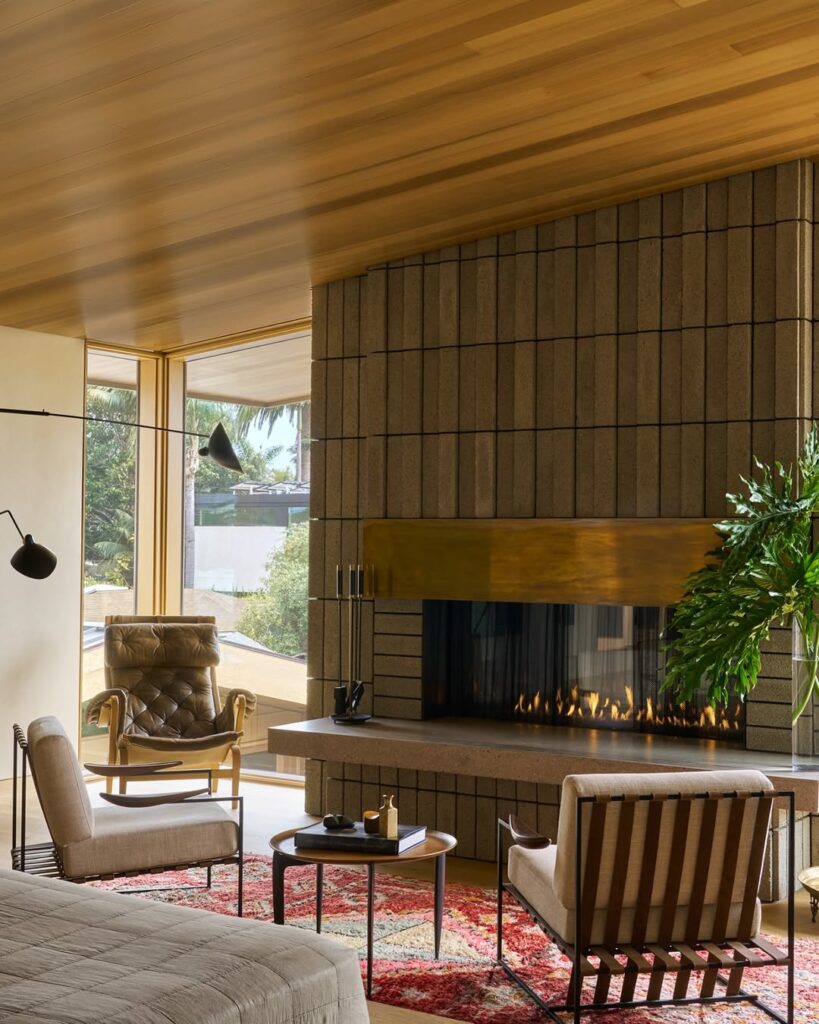
Concrete, stone, and smooth masonry are options for the block material. The horizontal block fireplace has a floating slab on top, while the block materials provide rhythm without ornament.
The floating slab mantel provides display space and maintains clean sightlines. This linear block hearth suits long rooms and media walls.
Linear block hearths provide durability and fire safety while anchoring open interiors. Flat-front cabinetry and low streamlined furnishings complement them, which is why architects preferred linear block hearths.