15 Smart Tips to Decorate a Minimalist Living Room
Some interior design trends fade, but the minimalist living room remains a constant favorite. This style isn’t just a fleeting look; it’s a commitment to a clutter-free existence. The entire philosophy revolves around ditching the non-essential and embracing a life of beautiful simplicity, which is why it’s more in-demand than ever.
If you’re ready to bring that minimalist energy into your own home, the living room is the perfect place to start. Here are some simple, effective tips to create a minimalist living space you’ll love.
1. Invest in Good Quality Items
The “less is more” philosophy is at the heart of minimalist living room design. When you’re selecting furniture and decor, prioritize high-quality items built to last.
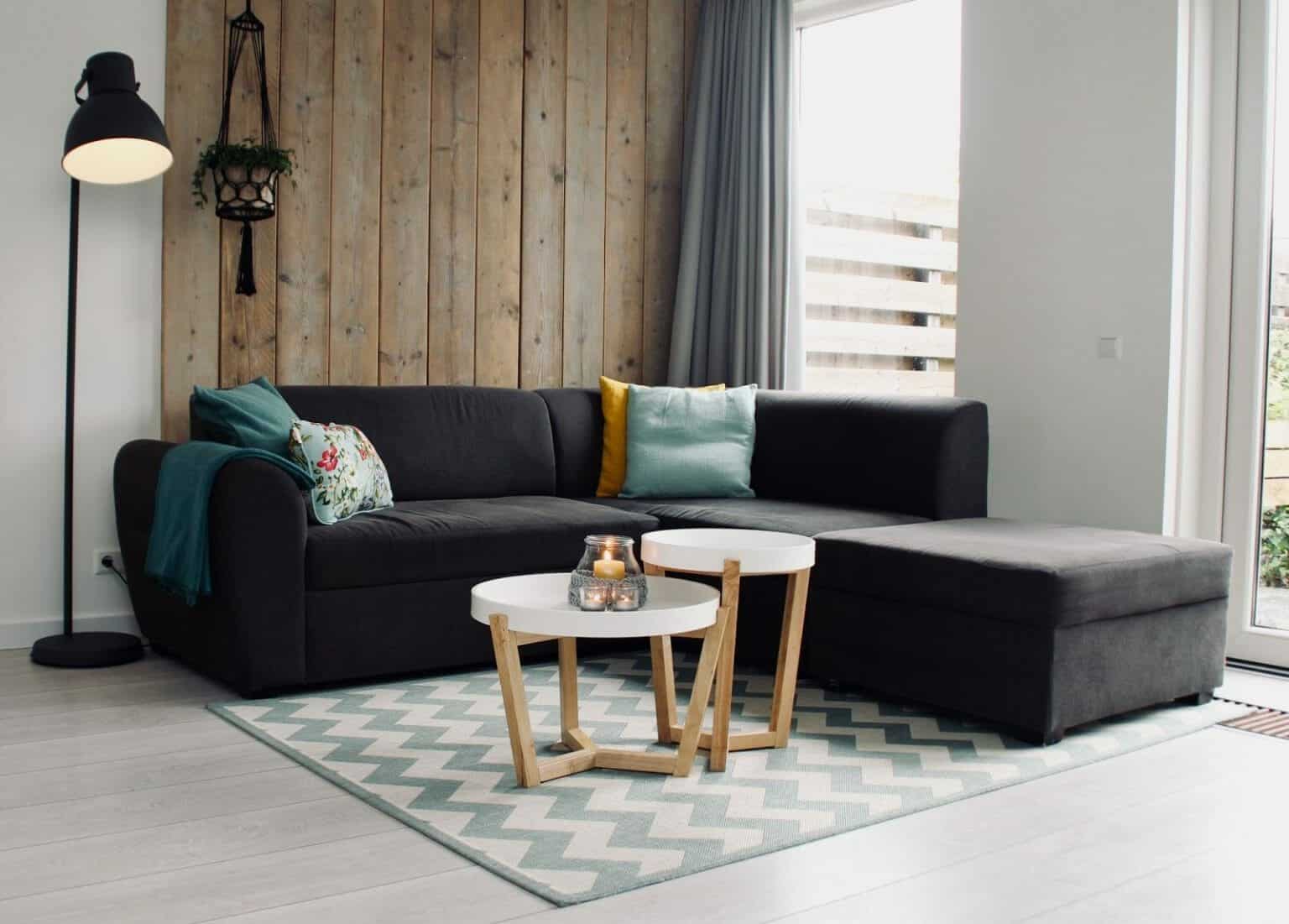
Since you won’t be buying a large quantity of things, you can invest more in the foundational pieces, like a sturdy sectional sofa or a solid hardwood coffee table. Ultimately, it’s a far better value to purchase more expensive items made from superior materials than to buy cheaper pieces that may not survive more than a few months of use.
2. Bring in Natural Light
Natural light has a special quality that makes any space feel more inviting and alive. If your living room is blessed with large windows, let that sunlight pour in. Not only does this cut down on your electricity bill, but a regular dose of Vitamin D is also a fantastic health benefit.
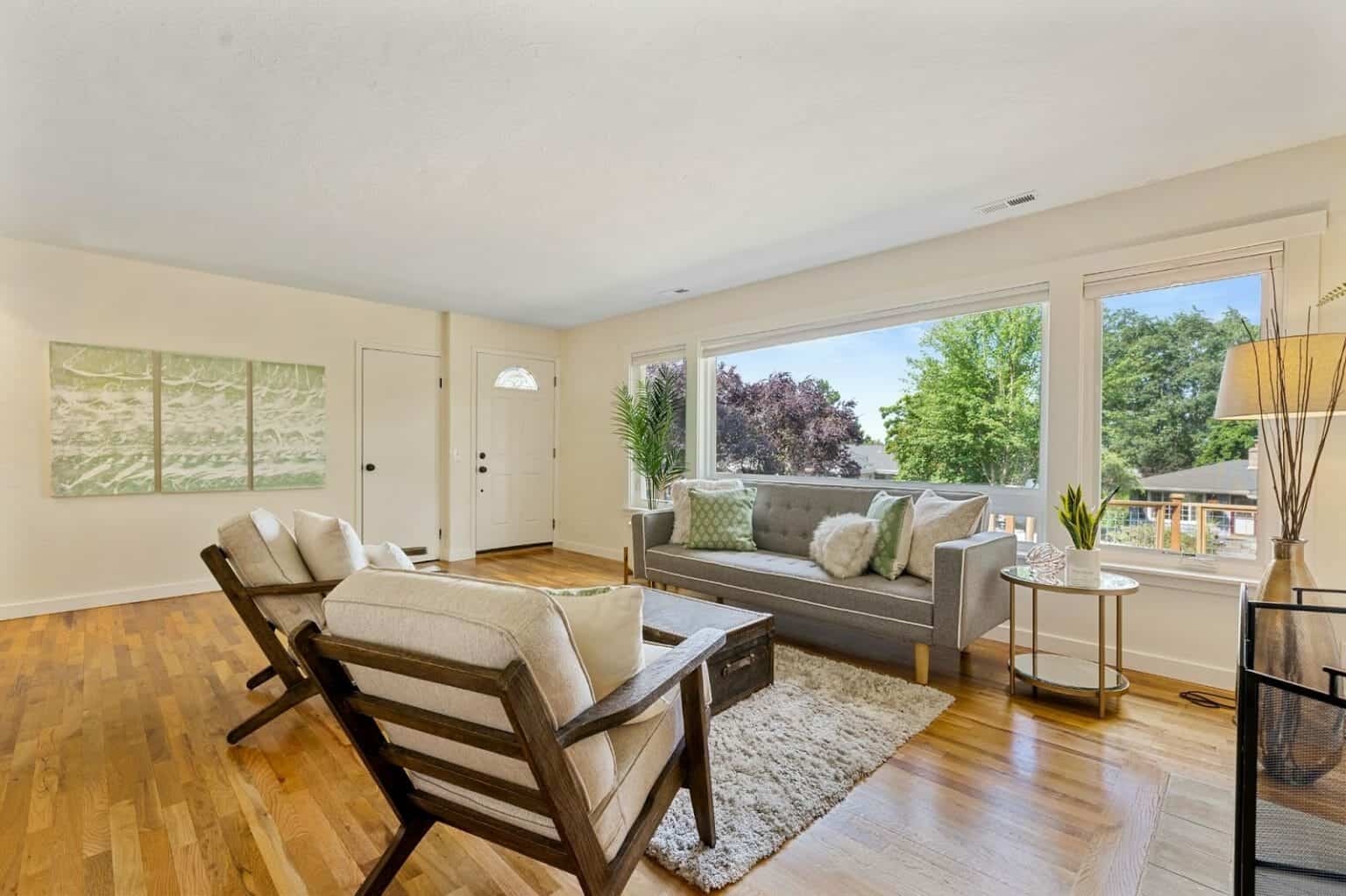
If your living room is on the smaller side, your windows are your greatest asset. Natural light paired with neutral walls is a cornerstone of minimalist interior design. The walls will catch and reflect the sunlight, filling the room with an extra layer of brightness.
3. Don’t Be Afraid of Textures
You should absolutely play with different textures when giving your living room a minimalist makeover. It can sometimes feel tricky to find the right combinations, but a little inspiration from Pinterest can make the process much easier.
For example, a clean white wall pairs beautifully with the natural grain of wood. A soft, fuzzy carpet can be a great counterpoint to a smooth leather sofa. You can also introduce more variety by mixing and matching different throw pillows on the couch.
4. Use Mirrors to Create an Illusion
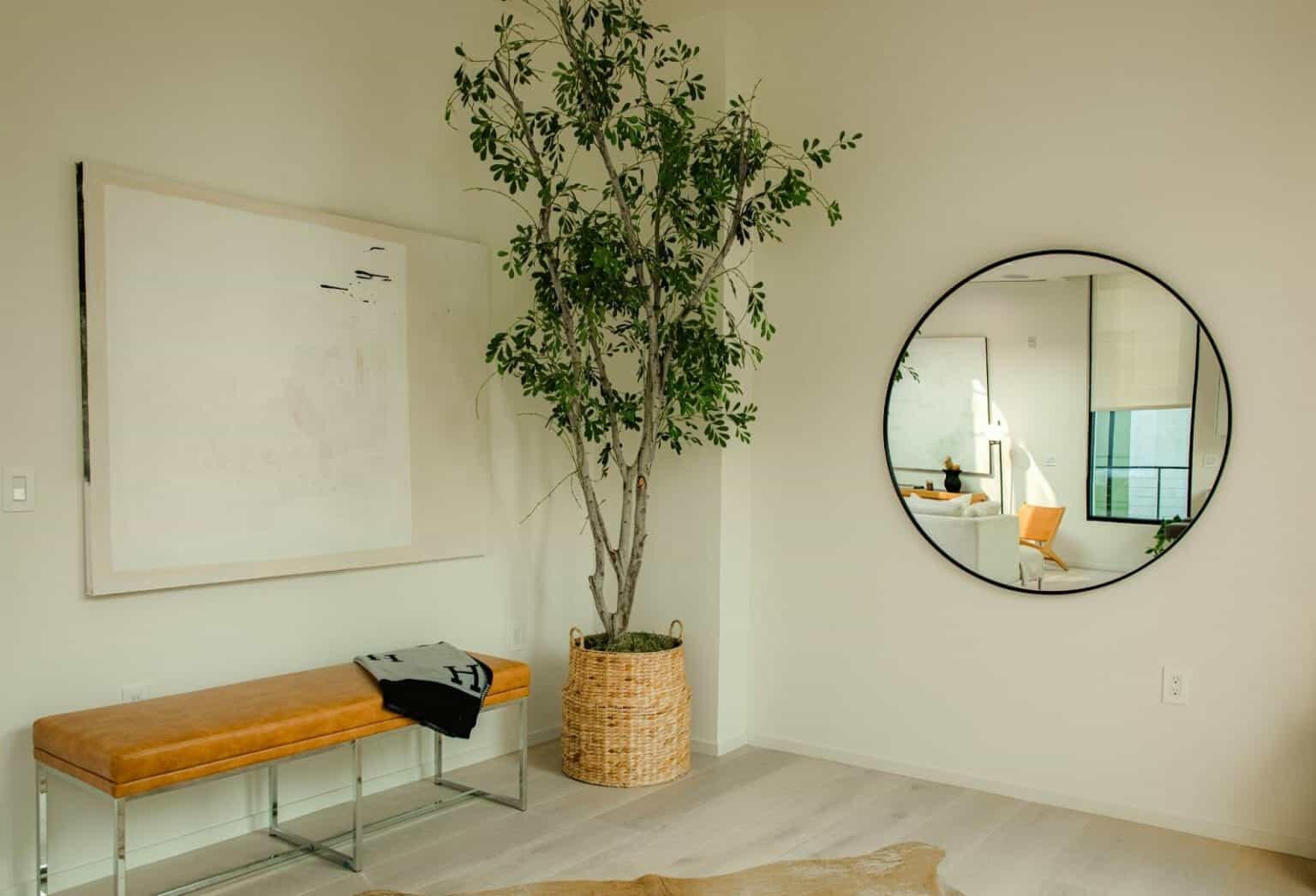
This is a classic design trick for a reason. It’s tested and it works.
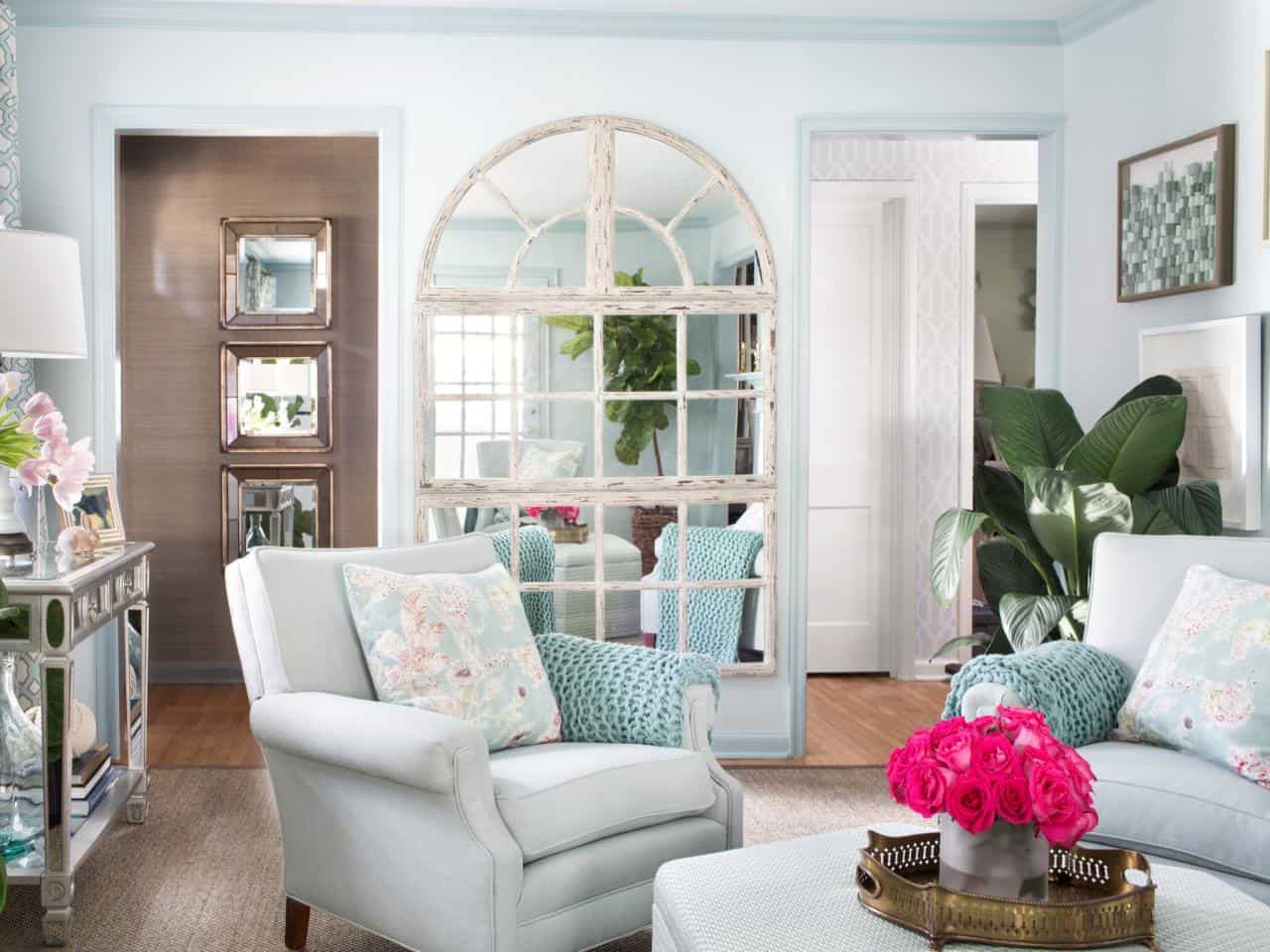
If you want a small area to feel significantly larger, a mirror is your secret weapon. Because mirrors reflect light, they add visual depth and masterfully create the illusion of a more expansive space. You can place a full-length mirror in a corner of the living room or hang a large one directly above the sofa.
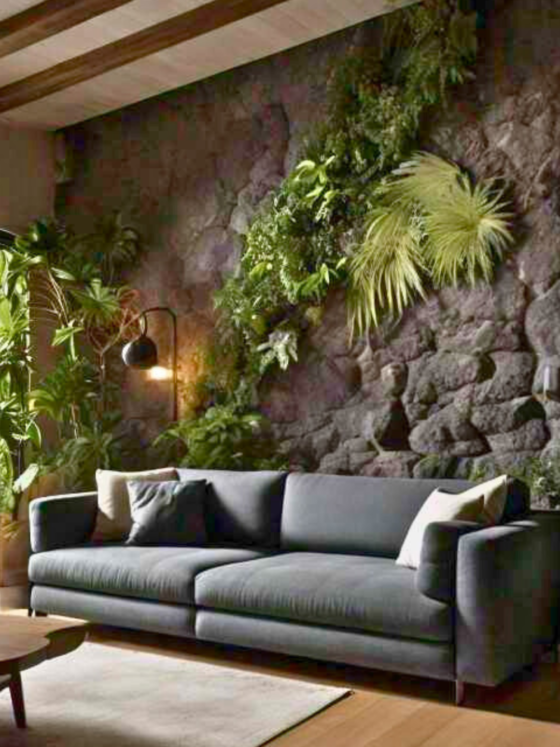
5. Decorate With Plants
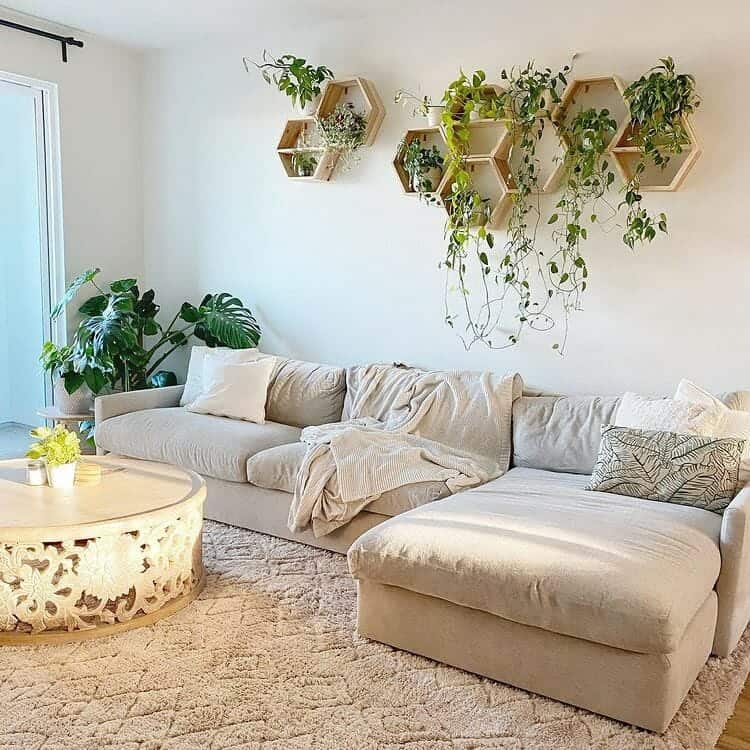
Adding plants to the living room is a design choice that is never wrong. No matter what style you’re aiming for, houseplants are always a brilliant addition. They are one of the simplest and most powerful ways to introduce a vibrant pop of color into your living area.
For a living room with an entirely neutral color scheme, a tall floor plant in the corner can instantly energize the space. Consider something substantial, like a large rubber plant positioned near a window, or arrange a few small succulents on your coffee table or side table.
6. Plan the Living Room Layout
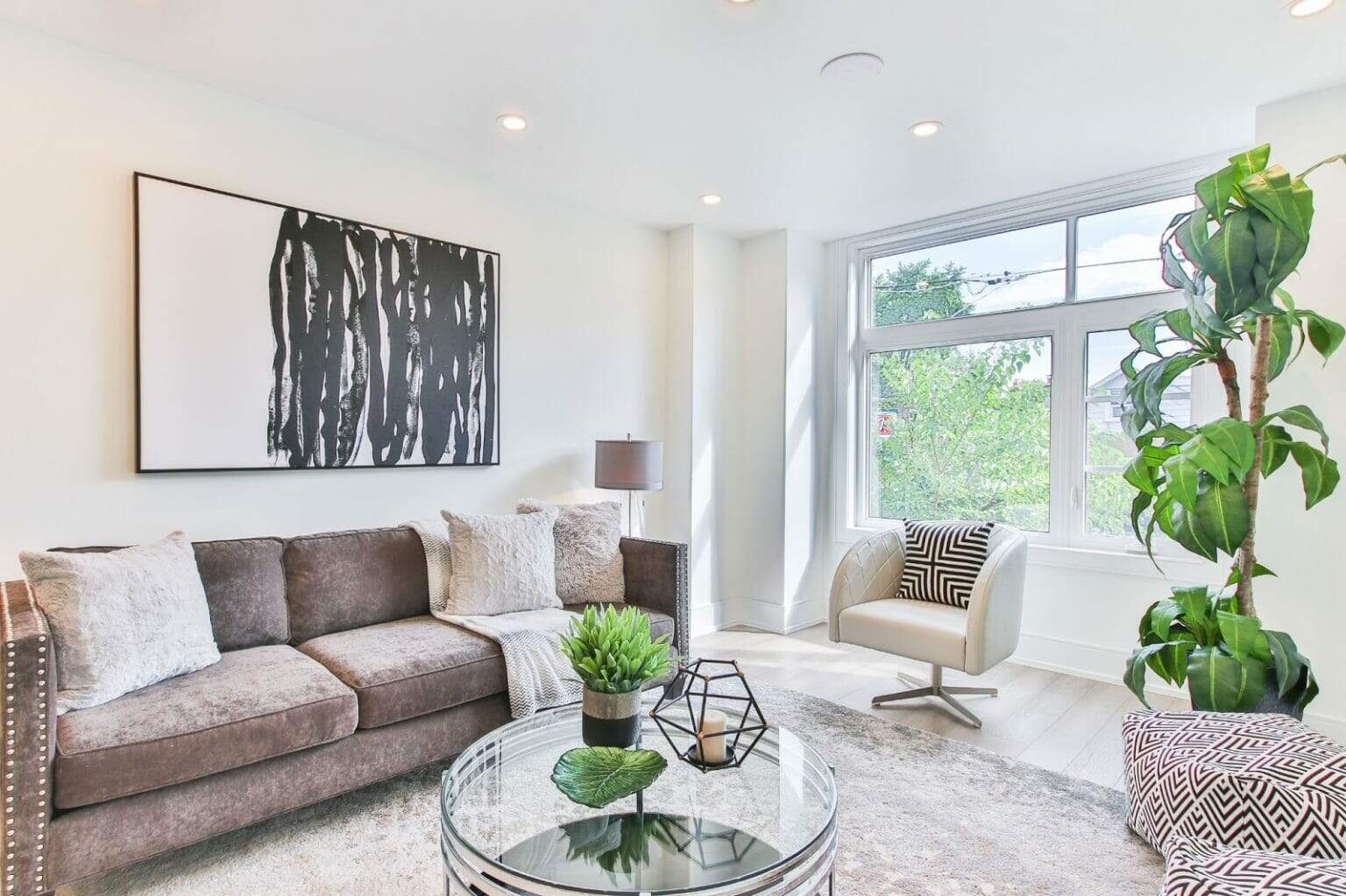
Transforming a room is exhausting work, from the deep cleaning to the heavy lifting of furniture. To ensure your time and energy are well spent, it’s crucial to have a design plan ready before you start. For example, a small floor plan calls for a smaller couch.
If you’re committed to a large sofa, you might need to find a more compact coffee table to balance the space. With the room’s dimensions in mind and your furniture selected, visualize exactly where every item will go. This mental blueprint will prevent you from aimlessly shuffling furniture around when it’s time to redecorate.
7. Open Floor Divider
If your home has an open floor plan that merges the living and dining areas, creating some form of division is a smart way to maximize the space and define distinct zones. You can use two different area rugs to visually separate the living room from the dining room. Your sofa can also act as an informal barrier, helping to categorize the two spaces without closing them off.
8. Maintain Clean Walls
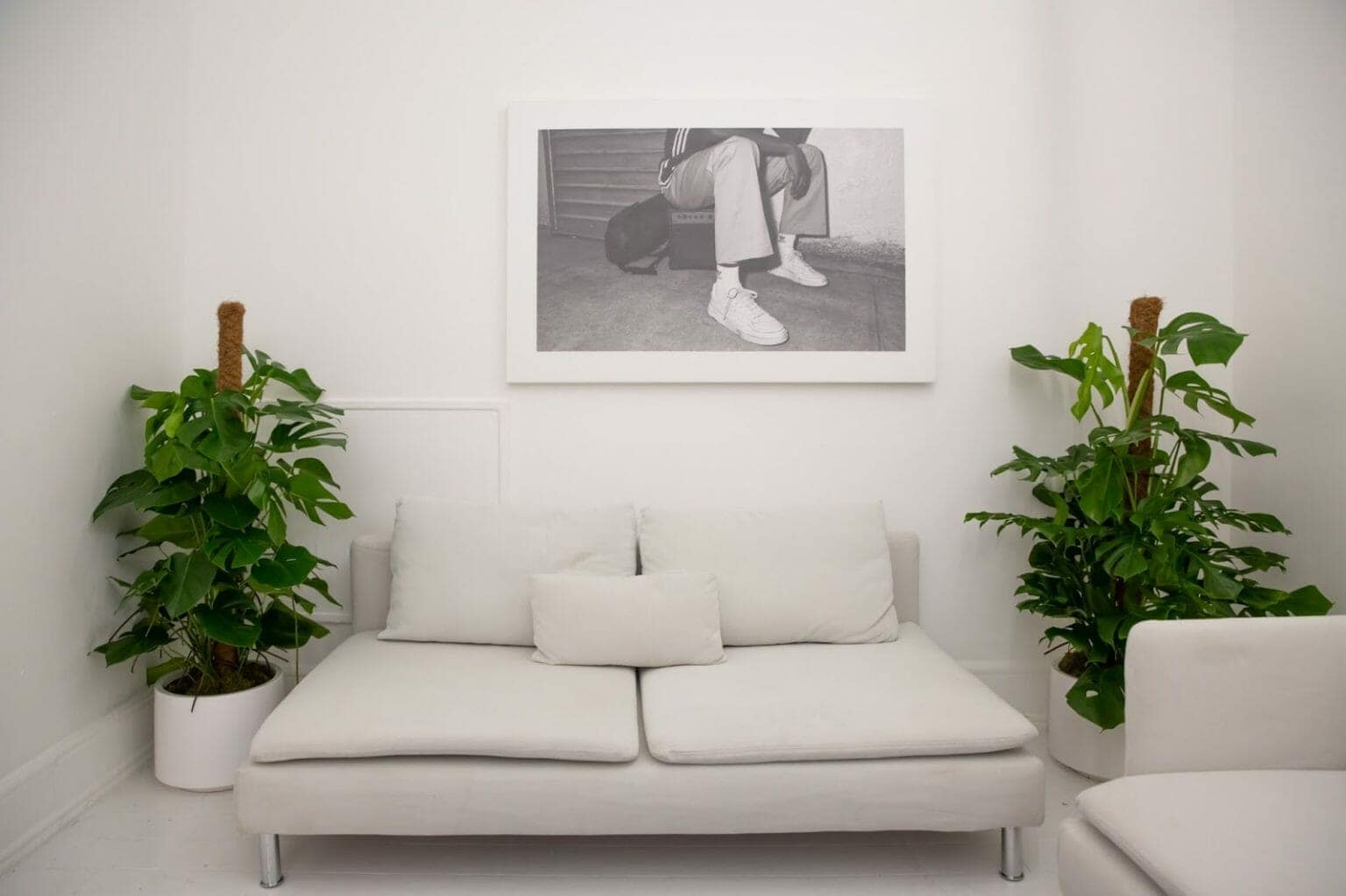
This doesn’t mean your living room walls must be completely bare. However, if you do decide to hang art or photos, be intentional and make sure your choices align with the overall design. As a general guideline, one large, beautifully framed piece of artwork often looks more impactful in a minimalist home than several smaller pieces hung without a clear pattern.
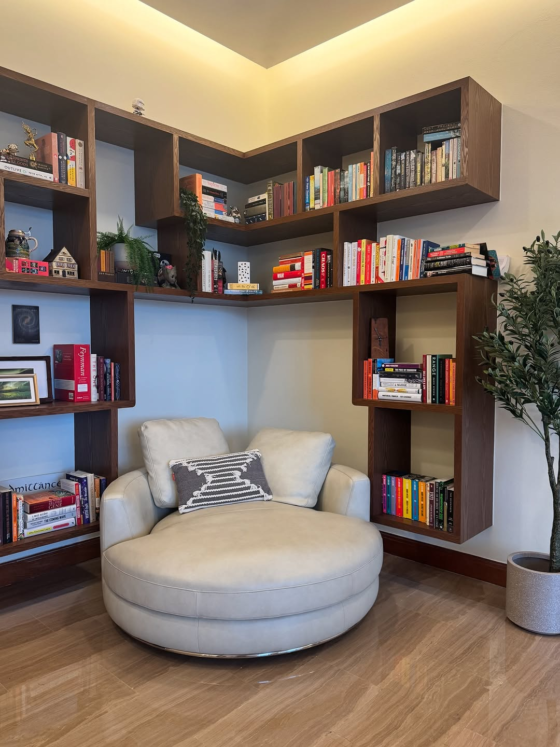
9. Use Shelving Units
Instead of a single, massive cabinet, consider installing sleek shelving units or floating shelves for a more modern and stylish look. These provide ample storage for books, decor, plants, and other small items, and they can also serve as a decorative element, breaking up an otherwise bare wall.
10. Pick Neutral Tones for Walls
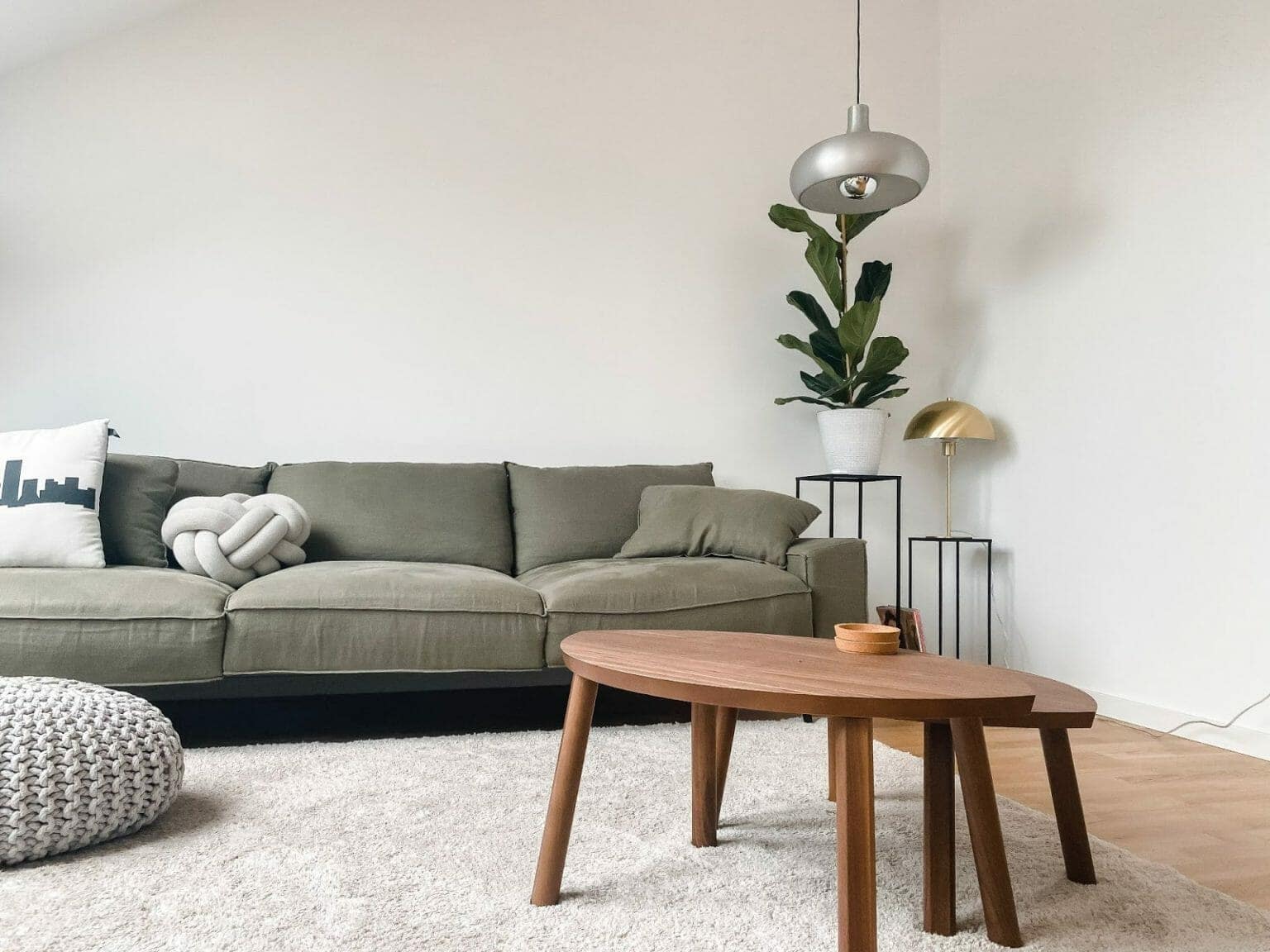
For your wall color, sticking to a neutral palette is the best way to maintain a light, clean, and airy atmosphere. Walls in lighter shades are also better at reflecting light, which creates a powerful illusion of a larger, brighter room.
If you prefer wallpaper, that can work too, but opt for designs with clean, simple lines. You could also use a subtle wallpaper to create a single, striking accent wall within your minimalist living room.
11. Organizers Are Your Friend
In an ideal home, every single object has a specific place it belongs. This principle is a non-negotiable rule in the minimalist design playbook. To keep your space perfectly organized, you need to embrace the power of organizers.
Tuck away furniture, decor, magazines, and anything else not in immediate use. Invest in cabinets, racks, or drawers to keep items out of sight. This not only makes the living room appear neater but also ensures you know exactly where to find things when you need them.
12. Decide on a Focal Point
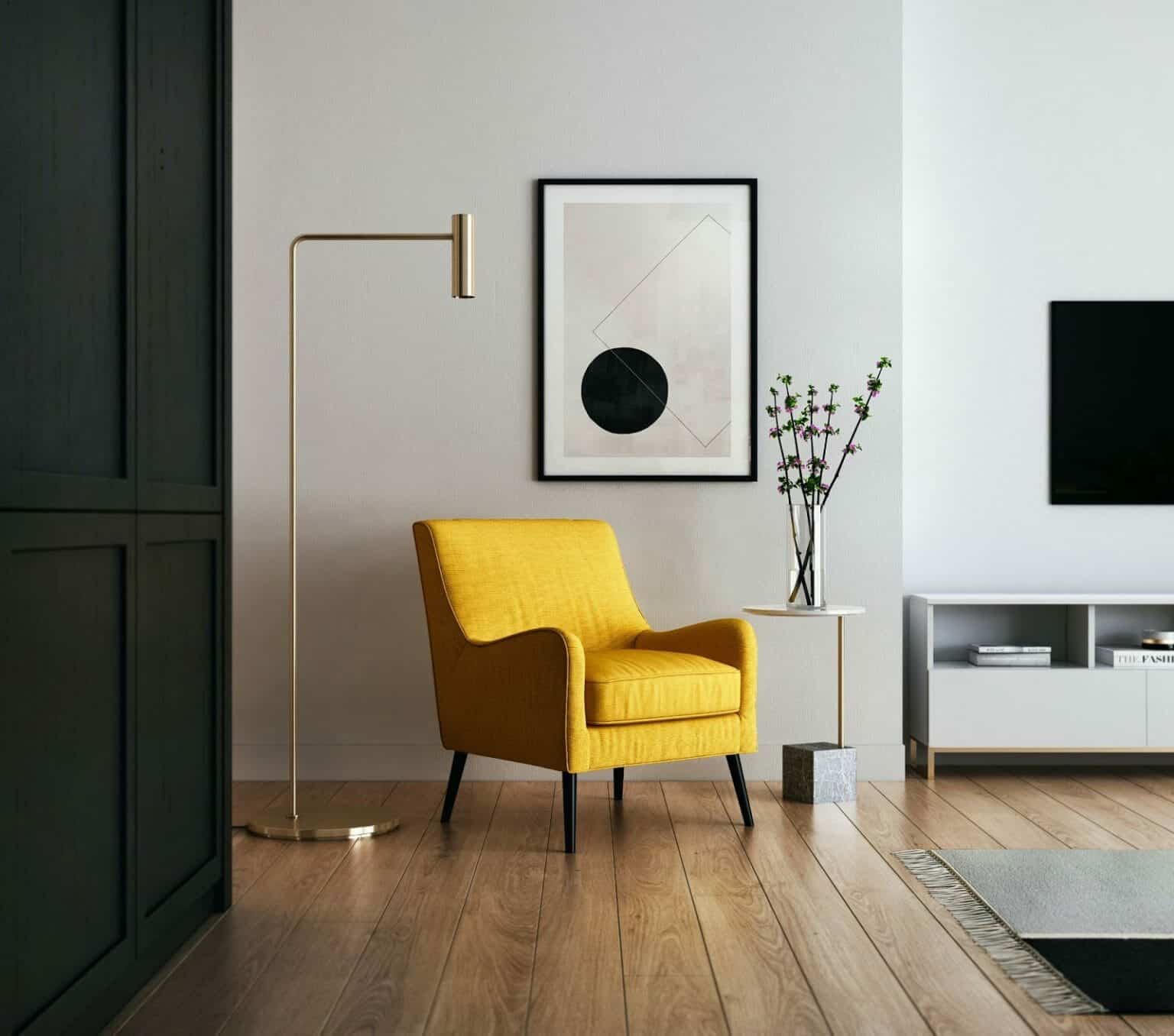
When you’re arranging your living room, establish a clear focal point to create a sense of balance among all the other furnishings. This central element could be a large, dramatic mirror, a captivating piece of wall art, a unique accent chair from a thrift shop, or that interestingly shaped coffee table you couldn’t resist. A focal point ensures all the individual pieces in the room work together in harmony.
13. Begin Purging
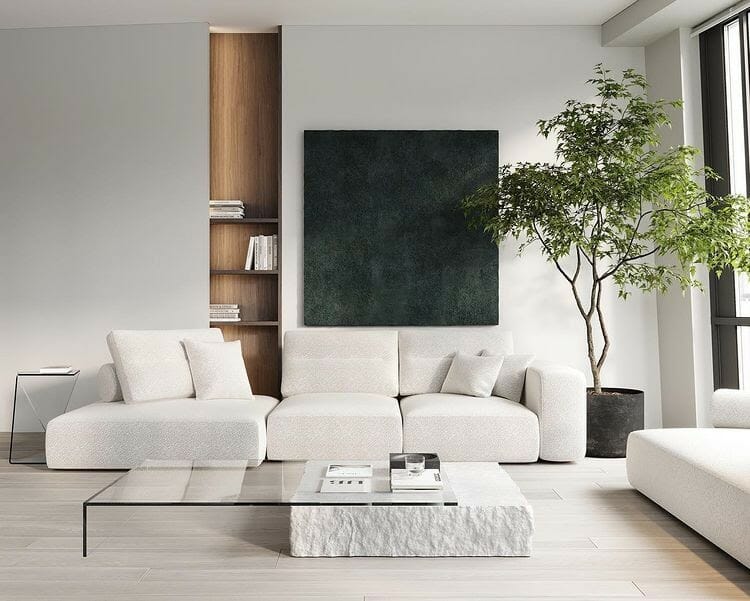
If you’ve ever watched a home renovation show centered on minimalism, you know the first rule of business is always to declutter. To truly reinvent your living space, you need to start with a completely blank slate.
As you begin clearing out the room, take a hard look at every single piece of furniture and decor. Decide what is essential enough to keep and what needs to be stored, donated, or tossed. Once you’ve stripped the room down to its essentials, you can properly assess the space you have and start planning your makeover.
14. Opt for Multipurpose Furniture
You’ll often find multipurpose furniture in minimalist living rooms for one very clear reason: it’s incredibly efficient. Since minimalism is all about simplicity and functionality, it makes sense to choose pieces that can serve more than one purpose.
Think of sofas that transform into beds, which are perfect for overnight guests, or stools that double as hidden storage containers. Especially in smaller homes, selecting smart, multipurpose furniture is key to maximizing every square inch of your space.
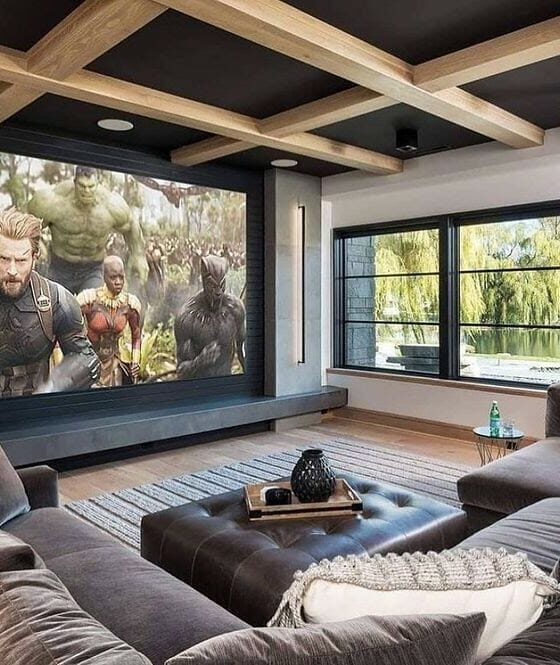
15. Get a Sectional Sofa
The conventional three-piece sofa set doesn’t always fit a minimalist aesthetic. For a more modern and sleek vibe, a sectional sofa is often the perfect solution.
It not only looks incredibly chic but also offers more seating, which is a huge plus if your living room is on the smaller side. A neutral-colored sectional is a versatile choice that works with any interior design, while a darker fabric can be a practical option to help hide any accidental spills or stains.
Additional Tips to Maintain Your Minimalist Living Room
Clearing away distractions and keeping your environment simple is a powerful way to cultivate a peaceful atmosphere at home. Now that you’ve crafted a minimalist style, the next step is to keep it that way. Here are a few more tips to help you maintain a neat and organized space.
Clean As You Go
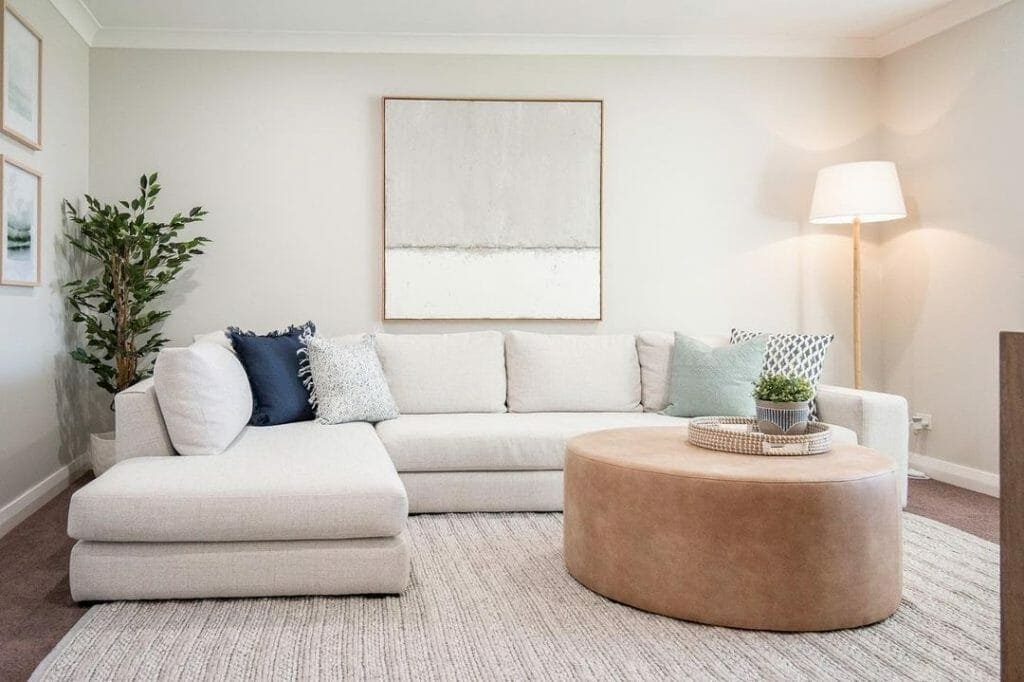
The single most effective strategy for keeping your living room minimal is to clean as you go. This means that at the end of the night, you fold the blanket and return it to its storage bin. You arrange the throw pillows neatly.
The remote control goes back to its designated spot. You vacuum the crumbs from the carpet after your TV snack. When you make a habit of tidying up immediately, you’ll never face the overwhelming task of a full-day cleaning session on your weekend.
Replace Big Furniture
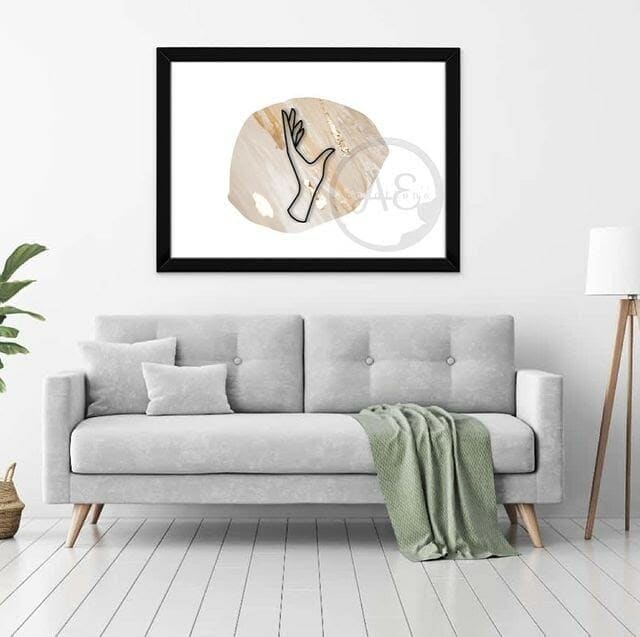
Let go of any large, bulky furniture that makes the room feel cramped. Opt for smaller pieces that are simple, straightforward, and functional.
Swap a massive bookshelf for modern floating shelves that save space. Choose understated decor over anything too flashy.
Out With The Old, In With The New
When you bring new furniture or decor into your home, you must be willing to let go of something old to make space. This is a fundamental rule of minimalism.
If you’re buying a simpler coffee table, it might be time to remove the old side tables that no longer serve a real purpose. The same goes for decor; if you want to feature a few large statement pieces, put the smaller trinkets into storage.
Knock Down Walls
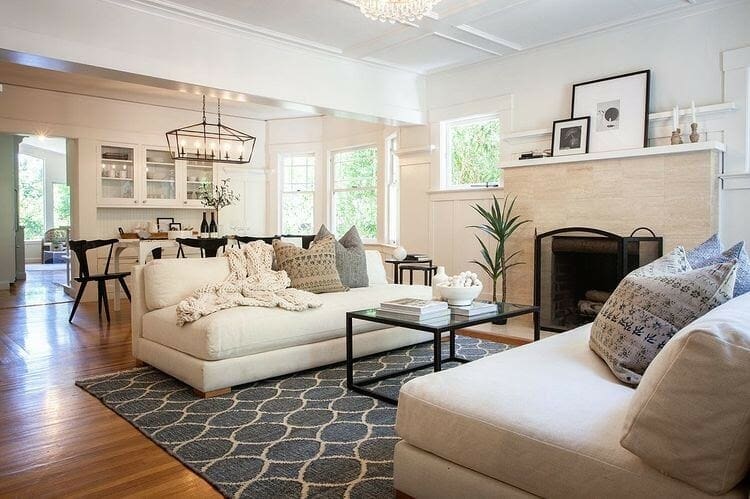
Creating an open floor plan is a popular strategy in minimalist design, and sometimes that requires removing non-essential walls. You might have an existing wall divider that disrupts the flow of your home. Getting rid of it will not only open up the space but can also add valuable square footage to your living area.
Get Rid of Anything Extra
Every so often, take a step back and critically evaluate your living room. Does the space feel balanced, or does it need another element?
Or, perhaps, is there too much going on, requiring you to remove something that’s on display? It’s easy to over-decorate, even when aiming for a minimalist design. If you find yourself in this situation, revisit your original concept and remove anything that feels out of place or unnecessary.
Think Before You Buy
It’s incredibly tempting to snatch up decorative items and home goods, especially when they are on clearance. But if you already own a large glass vase, you do not need another one.
If you have a floor lamp, there is no need to add more table lamps. Before you head out to shop, make a list of what you truly need to avoid impulsive buys and overspending.
Constantly Edit Your Space
Make a point to edit your living room from time to time. This could be as simple as rearranging the furniture layout or swapping out old photos.
It doesn’t require a major overhaul. Making small, thoughtful changes is a great way to keep your living space feeling fresh and rejuvenated.