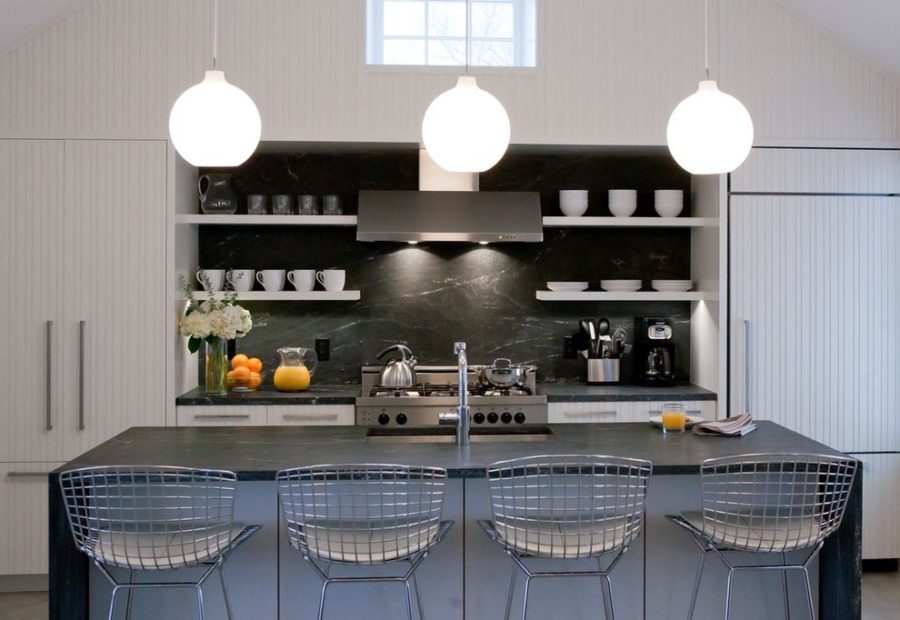
20+ Gray Kitchen Cabinet Ideas for Every Design Style
Gray cabinetry is a modern kitchen design trend. It works across a range of kitchen styles.
Gray can take on a cooler slate tone or a warmer greige cast. It suits traditional rooms with equal ease. The color also adapts well to contemporary spaces, where either shade can support the room's look.
Gray cabinetry supports bold accents and can soften bright palettes.
Cabinet finishes can be matte or high-gloss. Hardware helps create different moods.
Gray kitchen design ideas can balance function with visual appeal.
Gray Cabinetry Black Hardware
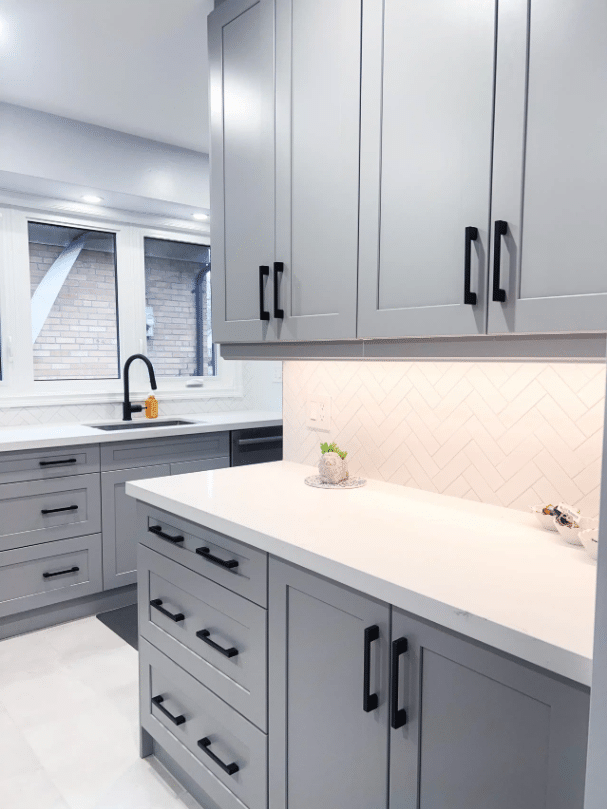
Gray cabinetry creates a subtle contrast with black fixtures. Together, they form a modern kitchen aesthetic.
The cabinetry gets its definition from dark accents. The overall design stays in control rather than feeling overpowered.
Black hardware pairs especially well with white countertops and other light countertop surfaces. Bringing together pale, mid-tone, and deep elements adds depth while keeping clutter at bay. Matte black hardware in handles, knobs, or pulls works with both warm gray tones and cool gray tones.
Black lighting, a black faucet, and a black barstool can match the black fixtures.
Urban industrial style works well with a gray-and-black combination. Black hardware also fits high-traffic kitchens and resists fingerprints better than polished metals. The same color pairing complements modern farmhouse spaces.
Gray flat-front cabinets and gray Shaker cabinets can both be paired with black hardware. With minimal intervention, the black hardware becomes a focal point.
The gray-and-black combination has simplicity and visual impact. It also provides durability.
Designers use the gray-and-black look when crisp detailing is preferred. It includes classic restraint while balancing modern styling, and it suits a preference for lasting appeal.
A Gray Shaker Cabinet Kitchen with Subway Tile

The subway tile adds a clear surface detail, while the cabinets have clean lines. Shaker cabinets work in both contemporary and traditional kitchens.
White subway tile covers the backsplash. It pairs with gray cabinets for a simple contrast.
A glossy tile surface has a grid-like pattern that reflects light. The muted gray cabinet finish provides a neutral base.
Chrome and brushed nickel hardware can support this gray cabinet and subway tile setup. In a small kitchen, good lighting and a practical layout keep it usable, while the same combination also works in medium and large kitchens.
Consider using dark grout with the subway tile. It coordinates with gray cabinets and outlines the backsplash.
Use warm lighting with gray cabinets and subway tile, then pair them with butcher block or marble countertops. Layered lighting is another option. The countertop materials are butcher block and marble.
The gray cabinet and subway tile combination offers easy maintenance, durability, and design flexibility.
Gray Cabinetry Open Shelving
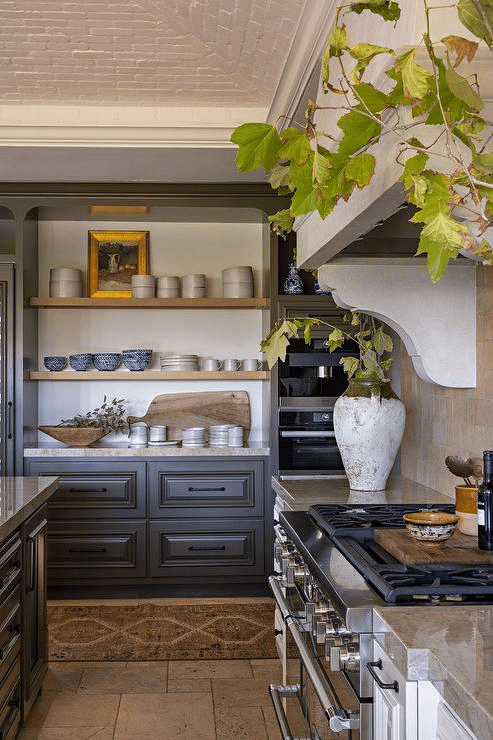
Gray lower cabinets provide storage, while open upper shelving keeps the kitchen feeling open. The two elements work together.
The open shelving format suits smaller kitchens. Traditional upper cabinets may make small kitchens feel boxed in.
Warm gray pairs with oak or walnut, while cool gray pairs with blackened steel. Painted shelving made from wood or metal complements the gray lower cabinets.
Open shelves display dishware, glass jars, and small potted herbs. They also encourage an organized display.
Use consistent display colors to reduce visual clutter.
The light backsplash contrasts with one element, and the light walls contrast with that same element. Hidden storage in the lower cabinets can take the form of smart pull-outs or deep drawers.
The open-shelf format suits function-focused kitchens and supports storage flexibility. Designers recommend combining closed cabinets with open shelving.
Gray Cabinets and a Warm Wood Floor
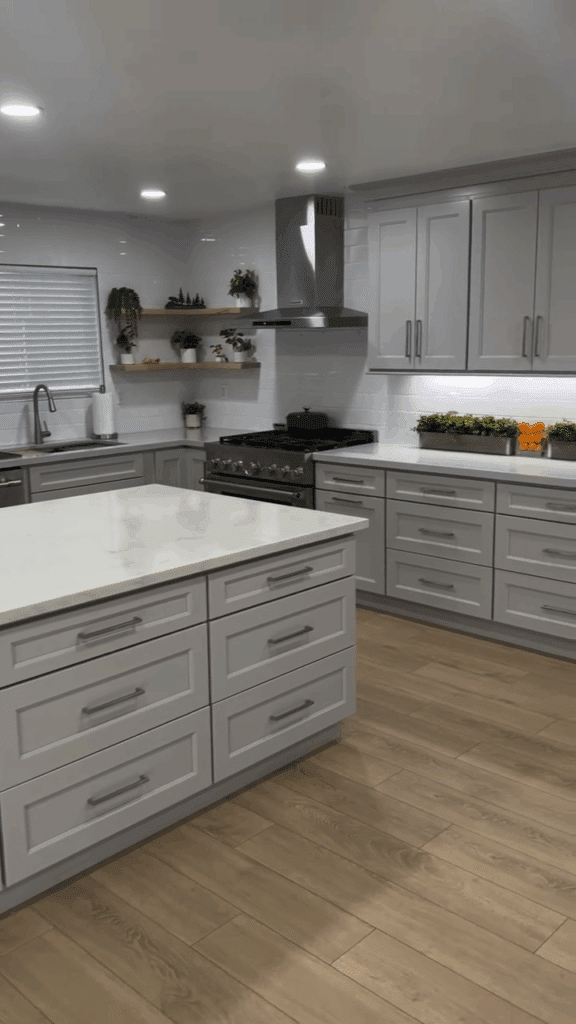
Warm wood flooring can have golden or honeyed colors. It pairs with soft gray cabinetry.
Gray cabinetry and warm wood flooring contrast through temperature and texture. Together, they use a calming palette.
The gray cabinet finish can be matte or satin.
Warm flooring in oak, maple, or engineered flooring suits transitional homes. Each option brings a warm material to the gray cabinets.
The gray and wood combination is compatible with concrete countertops, ceramic tile backsplashes, and marble countertops.
Fixtures may be chrome or brushed brass, while textiles use soft neutrals and earthy tones. Window treatments can use those same colors.
Natural light enhances the softness of the cabinet color and the richness of the wood. The gray and warm wood kitchen benefits from that light.
The gray and warm wood pairing supports versatility, long-term use, and low-contrast design. It avoids dependence on trends.
Gray Cabinets in Open Concept Layouts

The surrounding living areas influence the kitchen cabinetry in an open-plan home. Open-plan homes require a unified design.
Gray cabinets connect the lounge zone and dining zone while maintaining the kitchen's definition.
Stone countertops and metal accents pair with gray cabinetry, as does wood furniture. Matte or satin cabinet finishes keep these materials connected.
Pendant lights, kitchen islands, and exposed beams support a muted gray base.
Across the room, consistent flooring can connect open-plan zones. Hardwood and large-format tile are both options, so use one consistent flooring treatment to link the areas.
Replace upper cabinets with open shelving and minimize the number of upper cabinets. Open shelving maintains sightlines and avoids visual heaviness. Integrated appliances and paneled fronts reduce cabinet dominance.
Designers recommend repeating accent materials from the kitchen in adjacent rooms. A gray-toned rug, cushion, and wall art can carry gray-toned accents through both areas.
The open-plan kitchen keeps its own definition. It also contributes to the larger home design.
The open-concept configuration suits multifunctional spaces and shared spaces. It supports modern living, but it requires intentional design.
Concrete Countertops and Gray Textured Cabinets
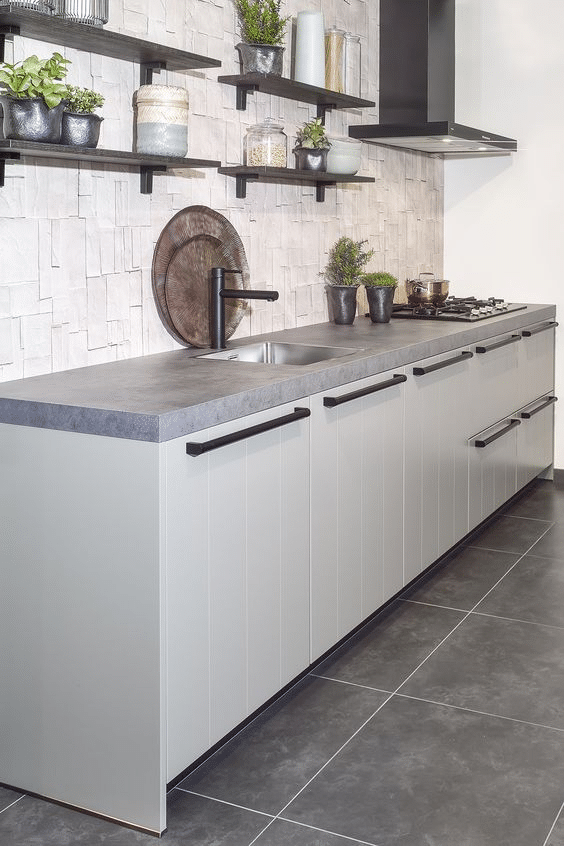
Textured gray cabinetry with concrete supports an industrial style. A subtle grain, such as a wire-brushed or weathered finish, provides tactile interest.
Textured gray cabinetry and concrete countertops support contemporary style. The combination prioritizes simplicity over shine.
Loft kitchens and urban kitchens suit the textured gray cabinetry and concrete setup.
Concrete countertops develop organic imperfections over time. Textured gray finishes minimize the visibility of scratches and fingerprints, while the cabinet and concrete materials have durability.
Reclaimed wood shelving can sit alongside stainless steel appliances and matte black fixtures. The palette remains neutral.
Use warm-toned bulbs with this setup. Spotlighting can draw attention to the cabinet texture.
Polished concrete flooring is the industrial option. Wide-plank oak offers a refined option.
The textured gray cabinetry and concrete pairing prioritizes material quality, avoids ornate detailing, and supports low maintenance.
Gray Cabinetry Marble Backsplash
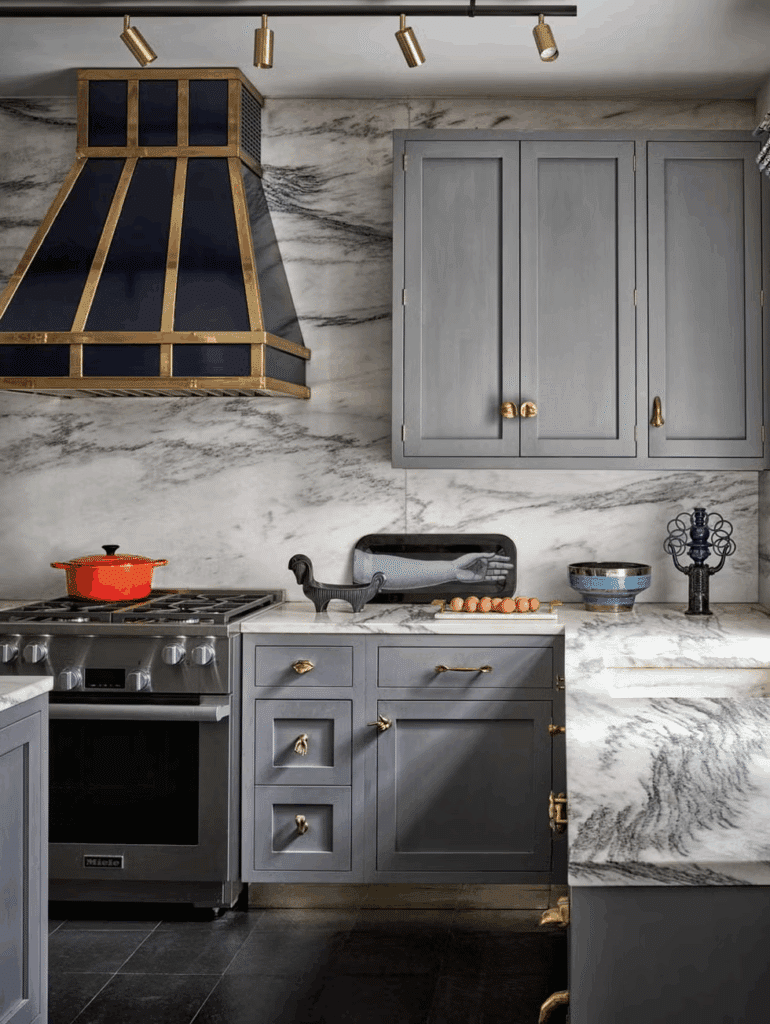
Subtle movement from natural marble veining adds depth to gray cabinetry. The veining gives the marble a natural variation.
A marble backsplash provides organic texture, while gray cabinetry supplies structure. The gray cabinetry and marble backsplash are paired together.
Carrara marble is one option to consider, along with Calacatta and Arabescato marble. A full-height backsplash can provide a seamless look.
Marble patterns can match the undertones in gray cabinetry, which may be cool or warm. Use soft lighting to highlight the marble veining.
A gray-marble palette blends with brushed nickel, chrome, or black hardware. The hardware finishes provide different options for the same palette.
Light oak flooring and pale tile flooring support a gray-marble palette. Light honed granite countertops and light quartz countertops provide durability, while the marble backsplash maintains continuity with either countertop.
A marble cabinetry pairing requires minimal color and minimal ornamentation. Matte or painted cabinetry contrasts with smooth marble and adds tactile contrast.
The gray-marble approach supports everyday use as well as elevated entertaining.
Charcoal Gray Cabinetry White Counters

Charcoal gray cabinetry pairs with crisp white countertops. This charcoal-and-white pairing creates strong contrast.
White countertops made from quartz, marble, or solid surface separate dark cabinetry and limit visual heaviness. Charcoal cabinetry adds depth, but ample natural light is a qualification for using it successfully.
The charcoal-and-white combination suits urban industrial and classic contemporary kitchens.
Wood-look flooring and natural fiber rugs add texture around the charcoal gray cabinets. Fixtures in stainless steel or matte black complement the cabinetry.
White glass shades send their reflection to white surfaces. Lighting can use pendant lights or under-cabinet LEDs.
The dark cabinet color conceals everyday wear. Charcoal cabinets suit high-traffic kitchens.
The charcoal-and-white palette supports practical kitchens and combines drama with simplicity. Charcoal cabinets also support durability.
Matte Gray Cabinetry Brass Hardware
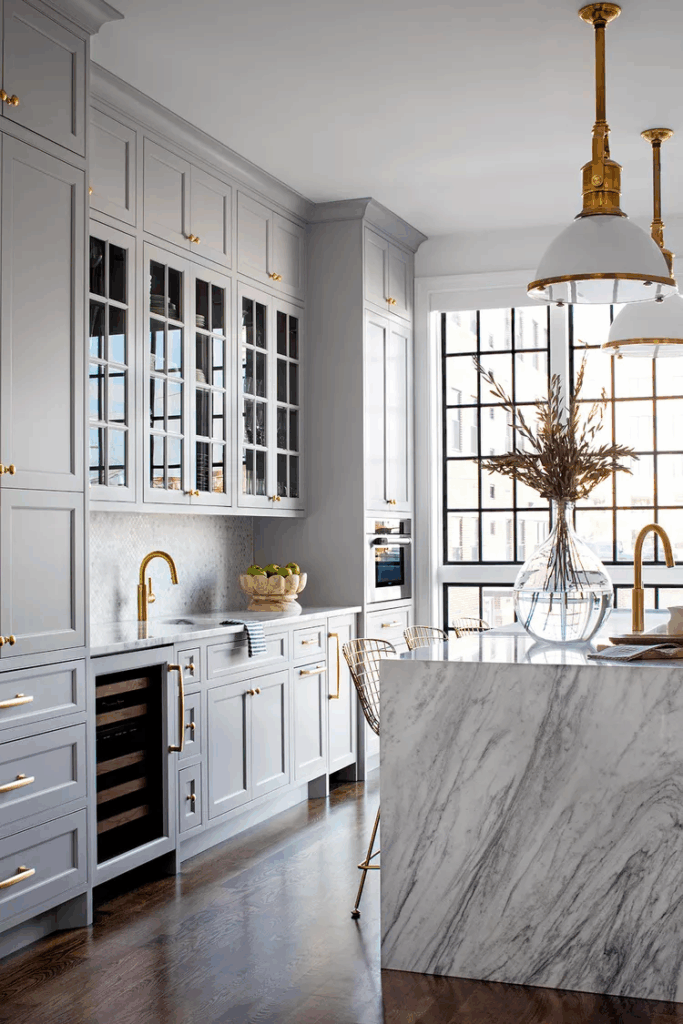
The cabinetry has a low sheen and a cool, neutral tone. Matte gray color also helps resist fingerprints and smudges.
Brushed brass or antique brass hardware pairs with the matte gray cabinetry. This gray-and-brass pairing combines an industrial edge with warmth.
Rounded knobs, bar pulls, and vintage cup handles give brass hardware dimension. Matte gray and brass suit low-gloss preferences and non-white kitchens.
A marble backsplash and butcher-block countertop both complement the matte gray cabinetry.
The matte gray and brass combination works in galley kitchens, apartments, and small kitchens. Excessive shine may overwhelm small spaces.
Brass lighting fixtures can echo the hardware tone, as can a brass pot filler. Underfoot, the light wood floor uses a herringbone pattern, and both details support the same feature.
This combination provides depth and supports livable kitchens.
Light Gray Glass Front Cabinets
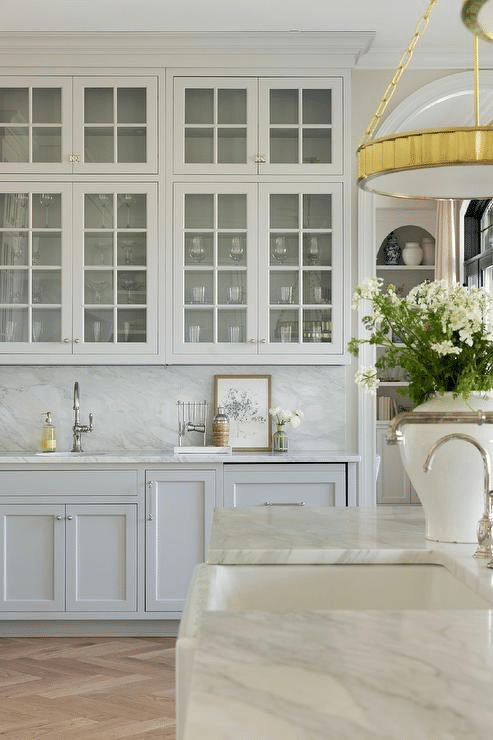
Light gray cabinets with glass fronts make the contents easier to see and create room for display. The glass doors add that visibility directly to the cabinet design.
Natural light works well with light gray and glass-front cabinets. Pale gray reflects illumination, making this pairing suitable for kitchens with natural light.
Glass cabinet doors can display dishes, frequently used dishes, stemware, and collections. These contents can remain visible behind the doors.
Start with the cabinet interiors: paint them soft gray and add wood back panels. Consider frosted glass or ribbed glass for an obscured view.
Light marble and quartz countertops can be paired with the light gray glass-front look. Open shelving balances the cabinet storage, and brushed nickel or stainless steel hardware fits the arrangement. This pairing works in transitional and traditional kitchens.
In small kitchens and galley layouts, light gray glass-front cabinets can fit the space. Designers recommend them for these settings.
Light gray glass-front cabinets prioritize practicality and support long-term use.
Gray Cabinet Vintage Fixture Pairing

Gray cabinetry paired with vintage-inspired fixtures references vintage craftsmanship.
Muted gray cabinetry supports retro fixtures, including retro lighting, hardware, and a retro faucet. The fixtures reinforce the cabinetry's retro direction.
Smooth gray Shaker cabinets contrast with vintage fixtures that have intricate detail. The combination can include an antique bronze knob, a fluted glass pendant, and a polished nickel bridge faucet.
The gray-vintage combination suits farmhouse, cottage, and European-inspired interiors. The target interior quality includes heritage.
Gray cabinetry works with soapstone countertops. Butcher block countertops are another pairing to consider.
In the flooring, checkerboard tile and reclaimed wood support vintage style. White beadboard or white tile backsplashes support a neutral palette.
A grounded color scheme gives the gray-vintage kitchen style a clear base. The style includes historical elements, suits a preference for craftsmanship, supports current use, and combines tradition.
Historical character comes from combining gray cabinetry with period details. Select period details to create that character.
Gray Cabinets Colorful Tile
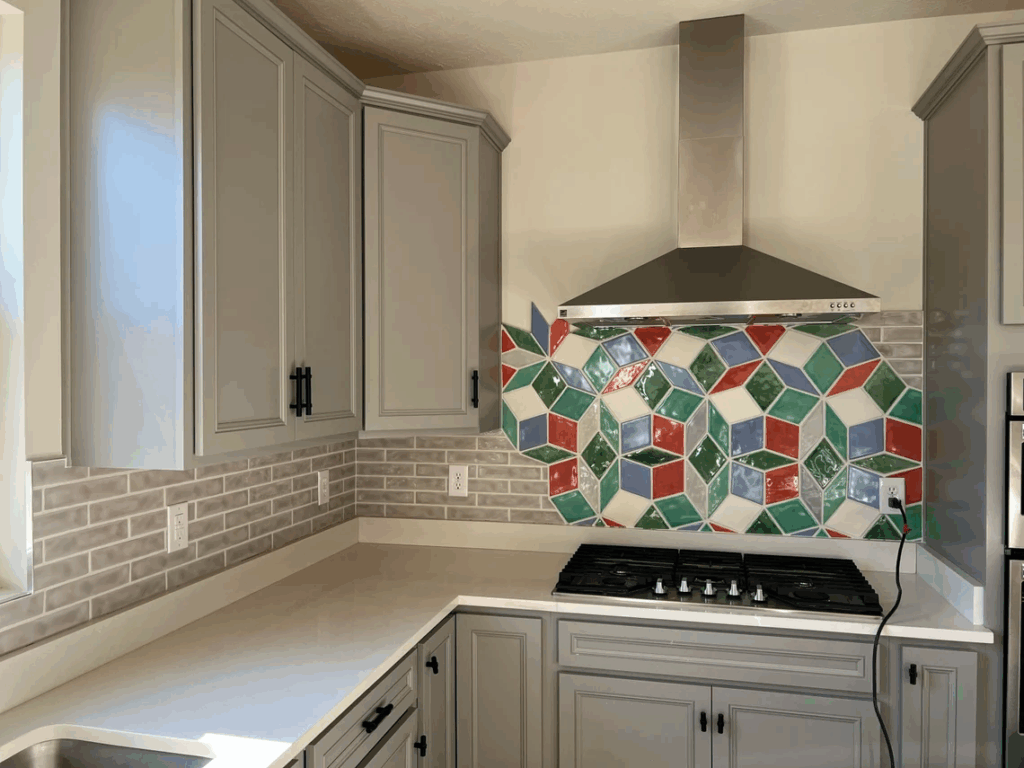
Colorful backsplash tiles contrast with gray cabinetry and add visual interest.
Gray cabinetry keeps the permanent fixtures neutral. The colorful backsplash supports the cabinetry while serving as a statement element.
Indigo, teal, coral, and mustard tiles can create a lively kitchen surface. Patterned handmade tiles suit both eclectic kitchens and Mediterranean kitchens.
Subway, hexagon, and mosaic tiles create different design rhythms. Bold tile choices balance gray cabinets.
A colorful backsplash approach suits color experimentation while keeping permanent fixtures neutral.
Hardware and lighting metals can be mixed in brass, copper, and black. Cabinetry is easier to update than a backsplash, so update the backsplash if trends or personal tastes change.
Light countertops can support a colorful-gray palette. Natural wood flooring supports that palette as well, giving the two surfaces a connected look.
Rotating decor supports a gray-and-colorful backsplash style, as do rotating dishware and seasonal accents.
Gray Cabinets in Two Tones and Natural Wood Accents
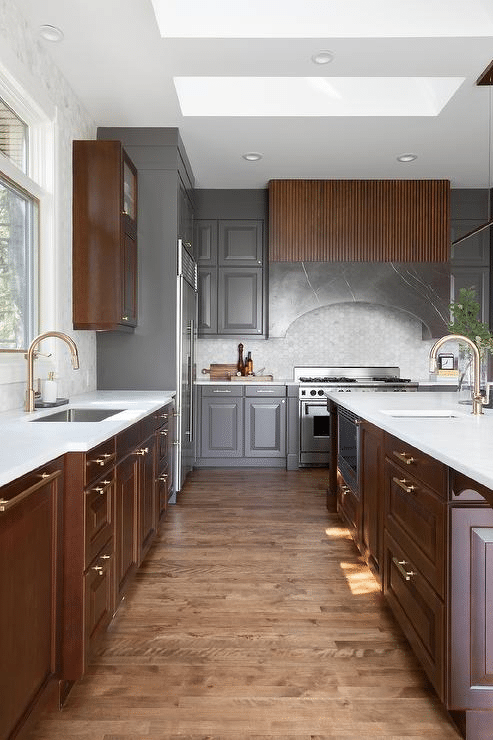
Natural wood upper cabinets pair with gray lower cabinets. Together, the two-tone palette adds warmth.
Medium gray base cabinets contrast with wood uppers that have visible grain. The gray-and-wood scheme suits open-concept kitchens because it maintains visual continuity.
Light quartz countertops create contrast against two-tone gray cabinets, while the upper cabinets and open shelves bring in natural oak or walnut. Matte black and brushed brass fixtures add another clear contrast.
Soft gray, creamy white, and warm wood create a neutral palette. The combination supports versatility.
The gray-and-wood scheme suits transitional kitchens, which blend old and new elements. Designers recommend this combination for that setting.
Gray cabinetry supports an updated appearance, while wood adds character. Match the wooden elements with the flooring and furniture.
The gray-and-wood combination works in small galley kitchens as well as spacious chef kitchens. Its reference to nature also supports Scandinavian and farmhouse-modern styles.
Integrated Lighting in Gray Cabinets

Inside the cabinetry, under-cabinet LEDs, shelf lights, and toe-kick lighting support food preparation. Integrated cabinet lighting also supports cabinet usability.
During food preparation, integrated lighting reduces shadows. It is also useful during evening entertaining.
In a kitchen with limited natural light, layered lighting supports brightness. Integrated lighting benefits low-natural-light kitchens.
Gray cabinets function as a neutral canvas. Integrated lighting highlights veined countertops, glass-front uppers, and metallic hardware.
A neutral backsplash pairs with integrated lighting. Sensor-based lights in drawers and cabinets add task lighting, while dimmable lighting supports ambient lighting.
For modern households, integrated cabinet lighting supports convenience. Designers suggest it for these homes.
Integrated lighting offers an alternative to harsh overhead lighting. It combines efficiency and usability and remains useful during evening hours.
Gray Cabinets and a Bold Island
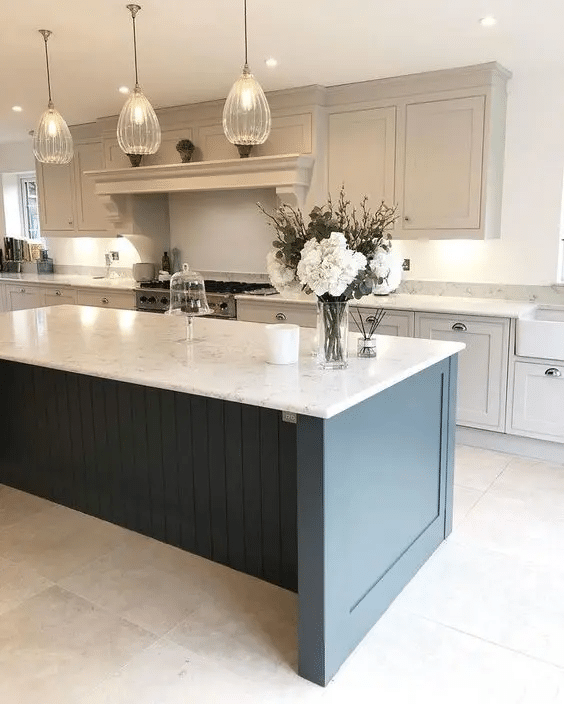
Gray cabinets pair with a kitchen island in a bold color. Together, they create a dual-tone scheme.
The island can be navy blue, forest green, or deep plum as a focal point. Gray cabinets serve as a neutral anchor.
A dual-tone color plan suits open-concept kitchens. The separate tones can define zones for different kitchen purposes.
The island can have a semi-gloss or satin finish, while the cabinets use a matte finish. This keeps the island surface distinct from the cabinet finish.
Pendant lighting belongs above the island. Use contrasting island counters, including light quartz across the island and cabinetry.
A gray cabinet and bold island palette leaves room for later updates. Changing the island paint or its accents can refresh the kitchen without requiring a complete remodel.
The gray and bold island balance combines muted and bold elements while supporting practicality.