10+ Japandi Bedroom Ideas for a Calm, Minimalist Retreat
Japandi brings Japanese and Scandinavian design into one approach. Its guiding principles are minimalism, warmth, serenity, and function.
In a Japandi bedroom, simplicity and cozy elements create a calming balance. The room stays clutter-free.
Clean lines, natural materials, and neutral tones shape Japandi style. This combination supports a sense of peace and relaxation.
Declutter the bedroom to keep the Japandi look modern and grounded.
This soothing aesthetic works well in the home and has a stylish character.
Minimal Wood Tatami Calm
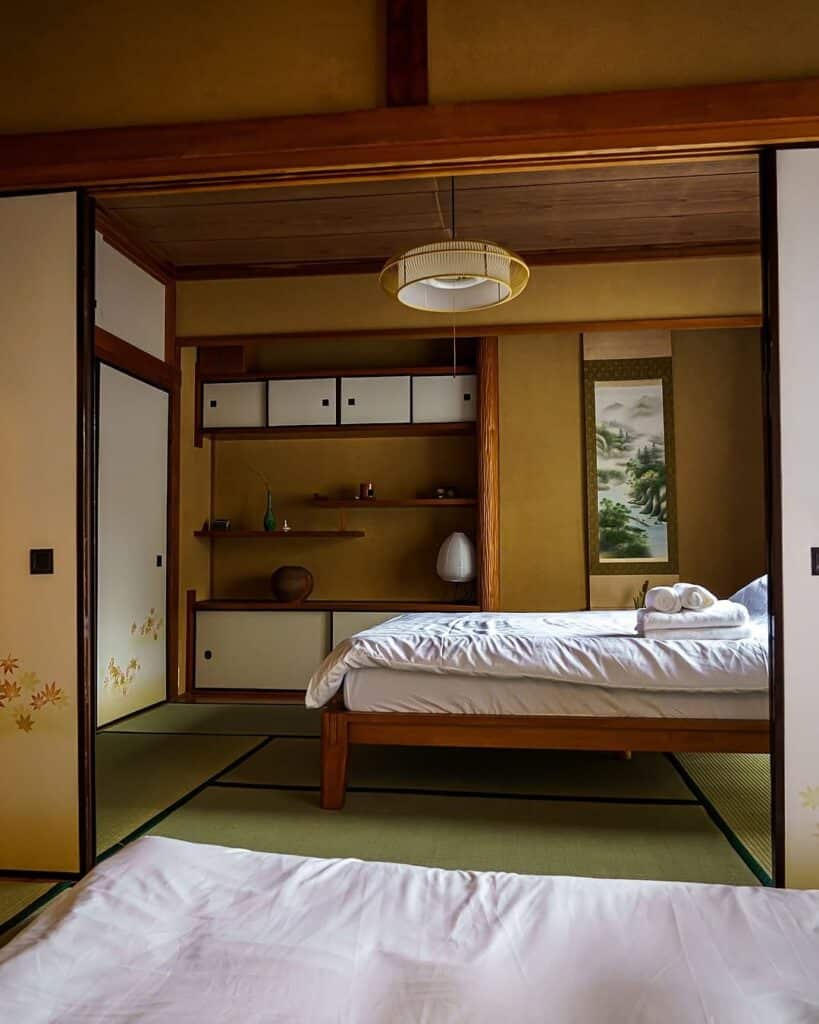
Natural tatami flooring grounds the room. Selective wood accents emphasize functionality.
Seating and shelving frames use light oak and pine. These materials reinforce both Japandi restraint and Japandi balance.
Neutral walls pair with cotton bedding that has high breathability. Together, they support an airy, uncluttered look and relaxation.
This bedroom has a serene function and a style based on timeless simplicity. Pair tatami with subtle wooden touches to create a functional bedroom. Avoid excess, and let the room's elements prioritize purpose, comfort, and flow.
Minimal Traditional Shoji Scroll Art
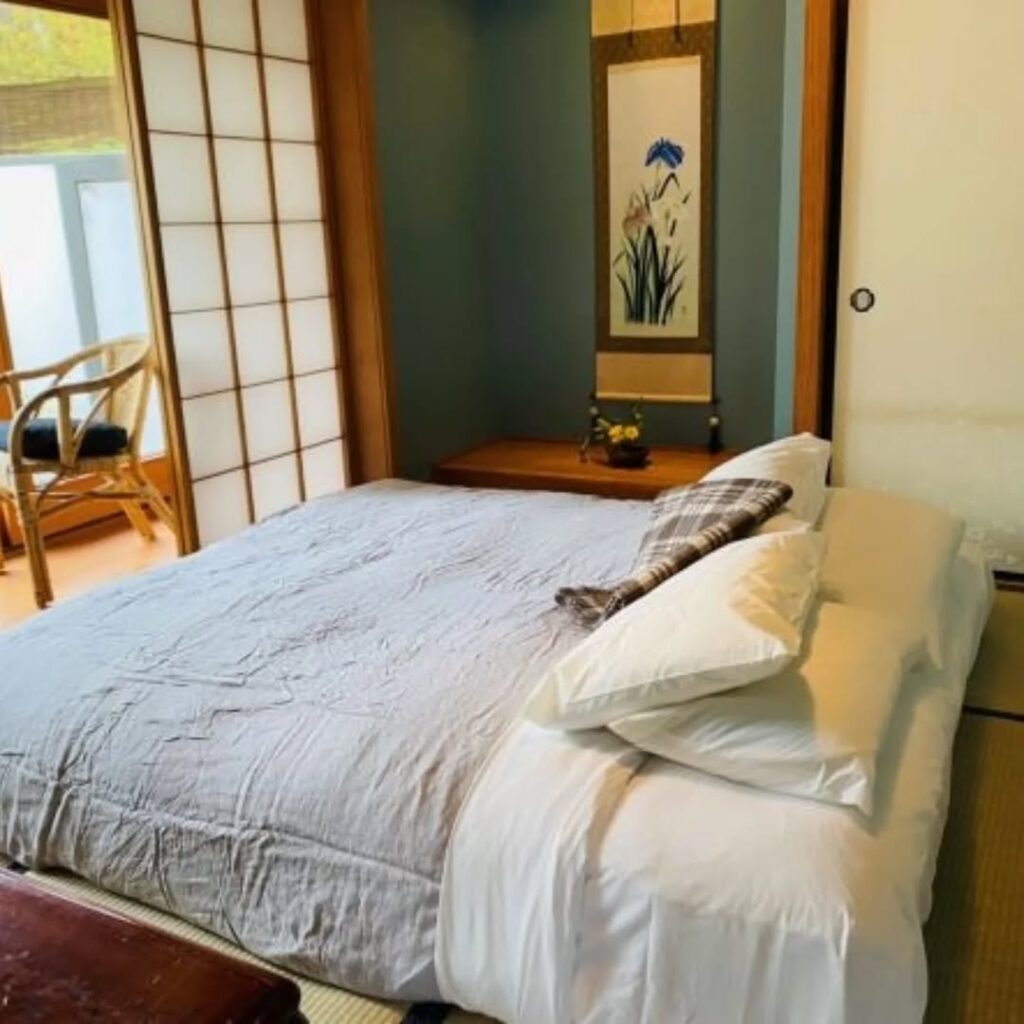
The composition balances tradition and restraint. Understated scroll art is backed by shoji panels that filter light.
Across the room, one artwork occupies a neutral wall. Its limited presence reduces clutter and reflects Japandi mindfulness.
Tatami mats create grounding harmony with low furniture. Natural wood tones unify the space.
Limited, intentional décor supports calm and preserves cultural authenticity.
Calm Minimal Tatami Wood Furnishings
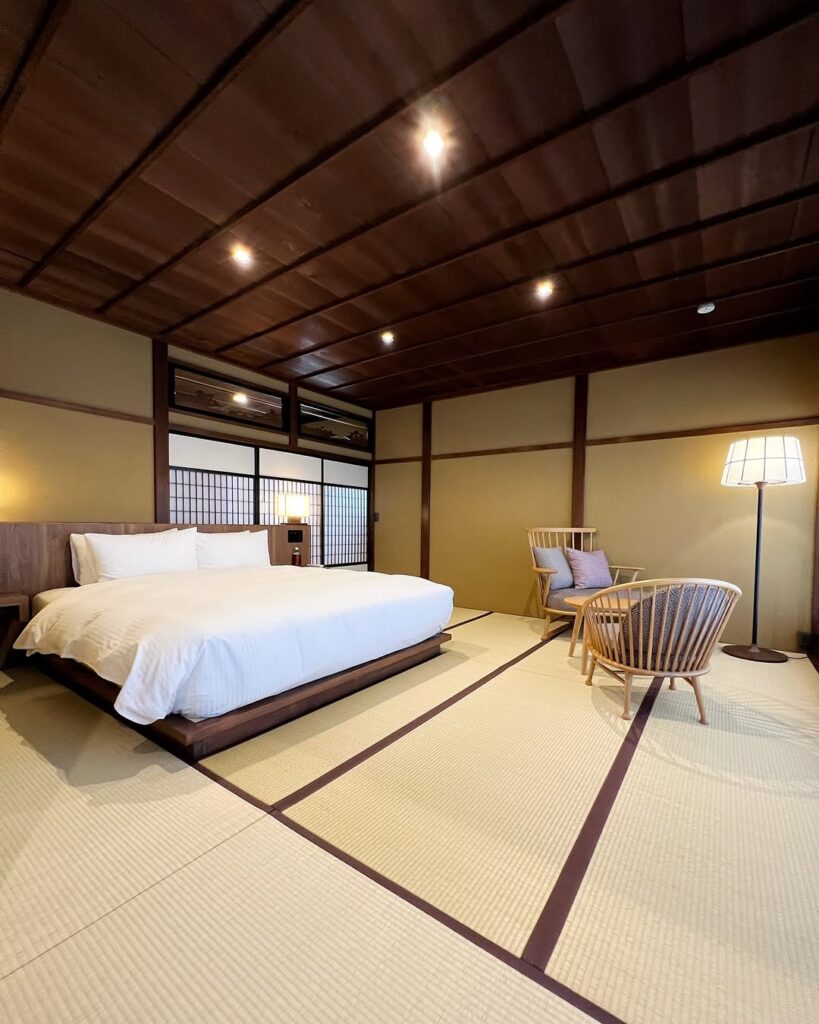
Essential wood furnishings keep attention on function and simplicity rather than ornamentation. Tatami flooring adds a nearby material detail.
The room has neutral textiles, and they soften its look. The low futon bed is matched with oak nightstands in a clean-lined style.
Natural textures express the grounding quality of Japandi style. They also support the space's functionality.
Sparse décor reduces distraction, while tatami and wood support a calm flow. The room arrangement emphasizes light and proportion.
Rattan Japandi Nook in Neutral Tones
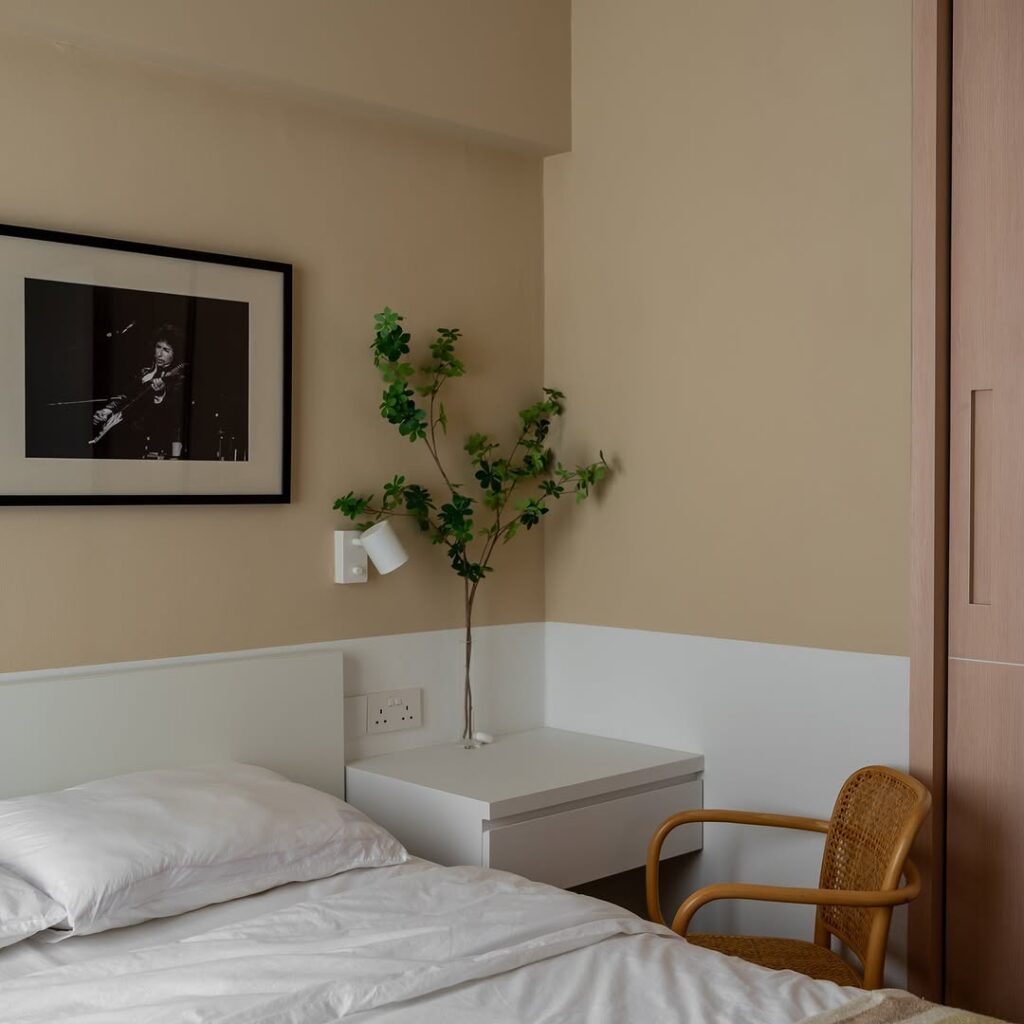
The nook has a tucked-away, neutral setting. A rattan accent is used with it.
In one corner, organic woven rattan blends with the tatami flooring and the wood tones.
Light beige and ivory fabrics add comfort without creating clutter. Low-profile Japandi furniture supports restraint, and the nook can be used for reading or quiet reflection.
Rattan supports simplicity and pairs with Japandi principles. The retreat combines function with a simple setting.
Serene Low Profile Tatami Futon Beds
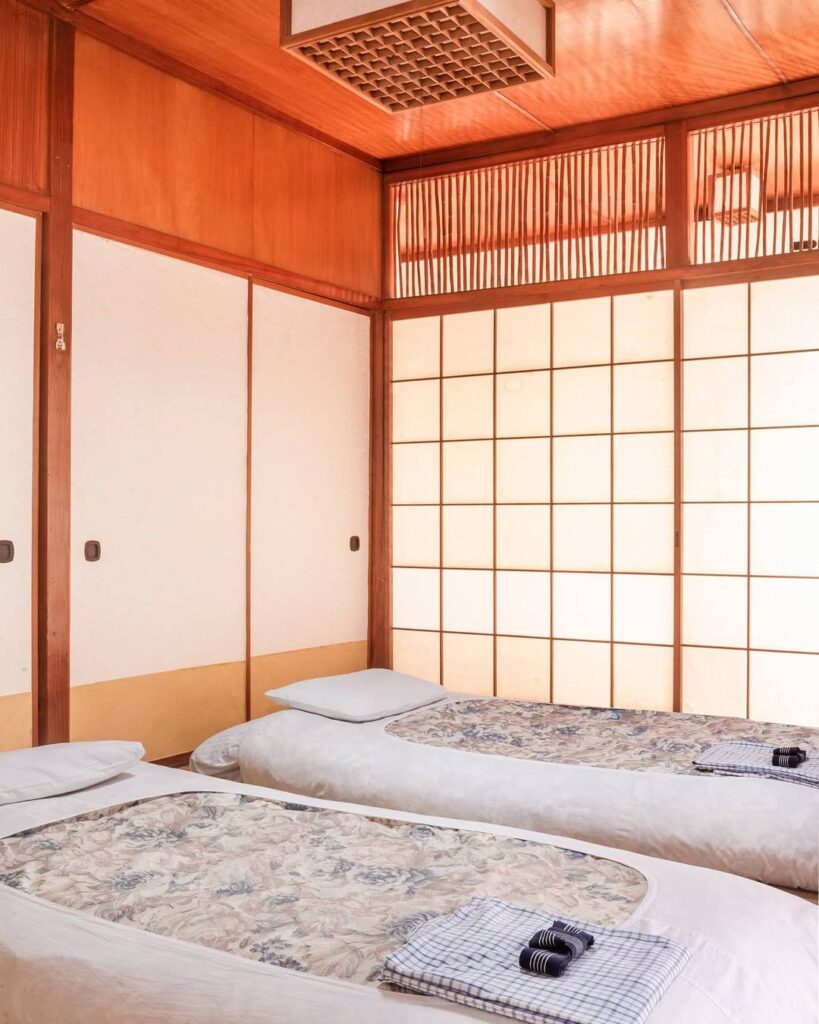
Woven straw tatami brings a natural surface to the room. Low futon beds rest on the tatami, with their simple arrangement emphasizing a connection to nature and encouraging mindful living.
Neutral bedding keeps the palette calm, while organic fabrics add softness. Warm wood details help the room style combine traditional and contemporary elements.
Natural textures bring sensory comfort to the room. Minimal furniture helps keep the room open.
A Japandi bedroom arrangement supports restful nights while combining practicality and style. The design also honors simplicity at its roots.
Cozy Japandi Floral Accents
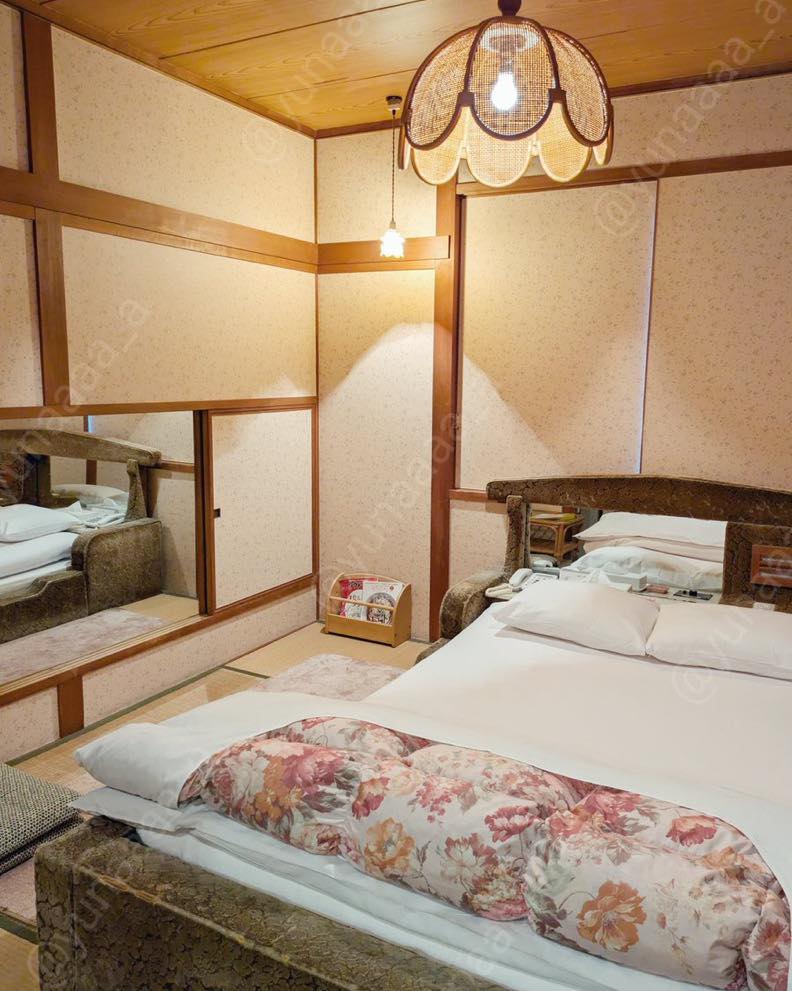
Organic floral elements coexist with a minimalist foundation. Their scale remains subtle.
Tatami flooring is paired with a small vase and natural wood furnishings. The vase contains seasonal blooms, and the floral arrangement maintains balance.
Florals serve as quiet highlights. Light, earthy textiles support serenity.
Natural textures and a neutral design palette create the setting for subtle floral accents. The accents add softness and life while coexisting with the textures and palette in a Japandi retreat.
Japandi Tatami Shoji Calm
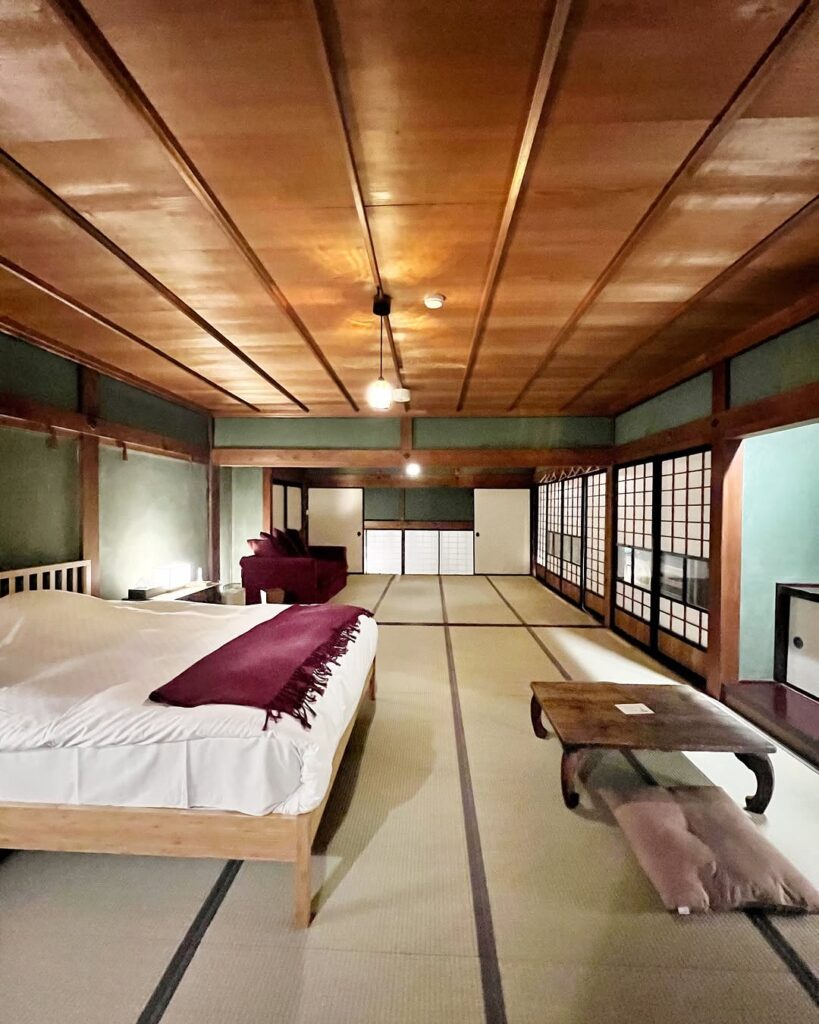
Natural tatami mats contrast with shoji screens made from translucent panels. The screens diffuse daylight and bring natural warmth to the setting.
Gentle wood grains bring a soft natural note to the room. Low seating keeps the arrangement simple, with surfaces kept clear and textiles in neutral colors.
Light and shadow create depth. They reflect Japandi restraint, so limit excess decor.
Tatami serves as a functional element for everyday rest. Screens are functional too, and the screens harmonize with the tatami.
Modern Accent Shoji Screen
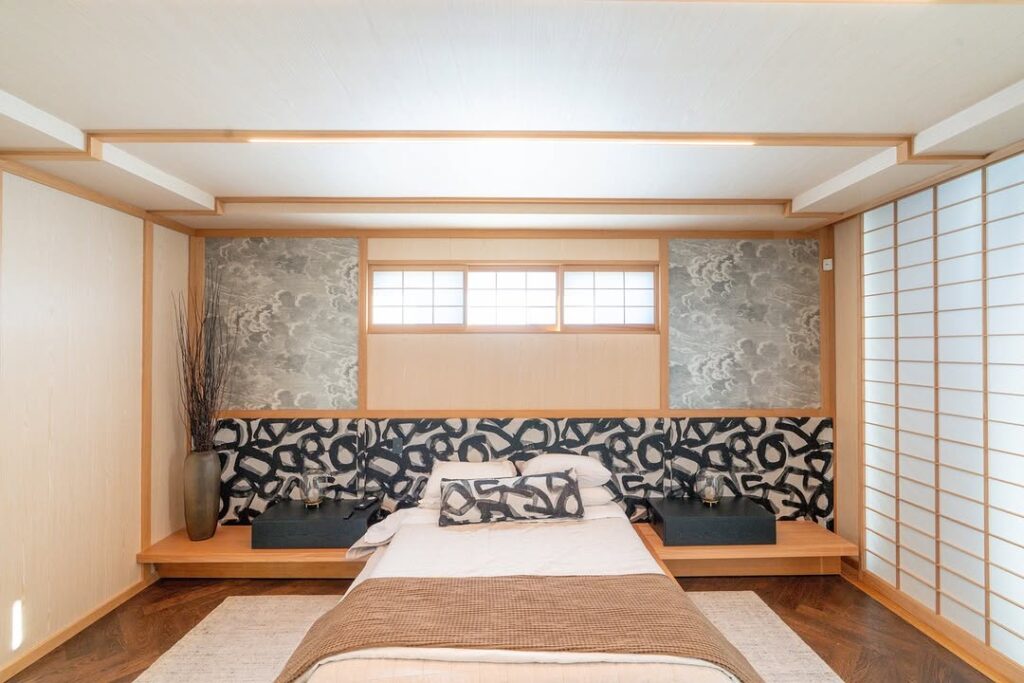
Traditional shoji panels bring heritage into the room. Modern design touches pair with the panels, combining heritage with contemporary design.
Clean-lined shoji panels frame soft lighting. Grounded tatami mats sit with minimalist nightstands, matte ceramics, and sleek bedding. The nightstands, ceramics, and bedding are examples of modern accents.
The space comes together through wood tones drawn from nature. Those tones connect traditional elements with modern updates.
Screens, mats, and understated accents belong in a Japandi bedroom. Together, they require a balanced arrangement and give the room a timeless, restorative quality.
Warm Glass Panels in a Japandi Bedroom
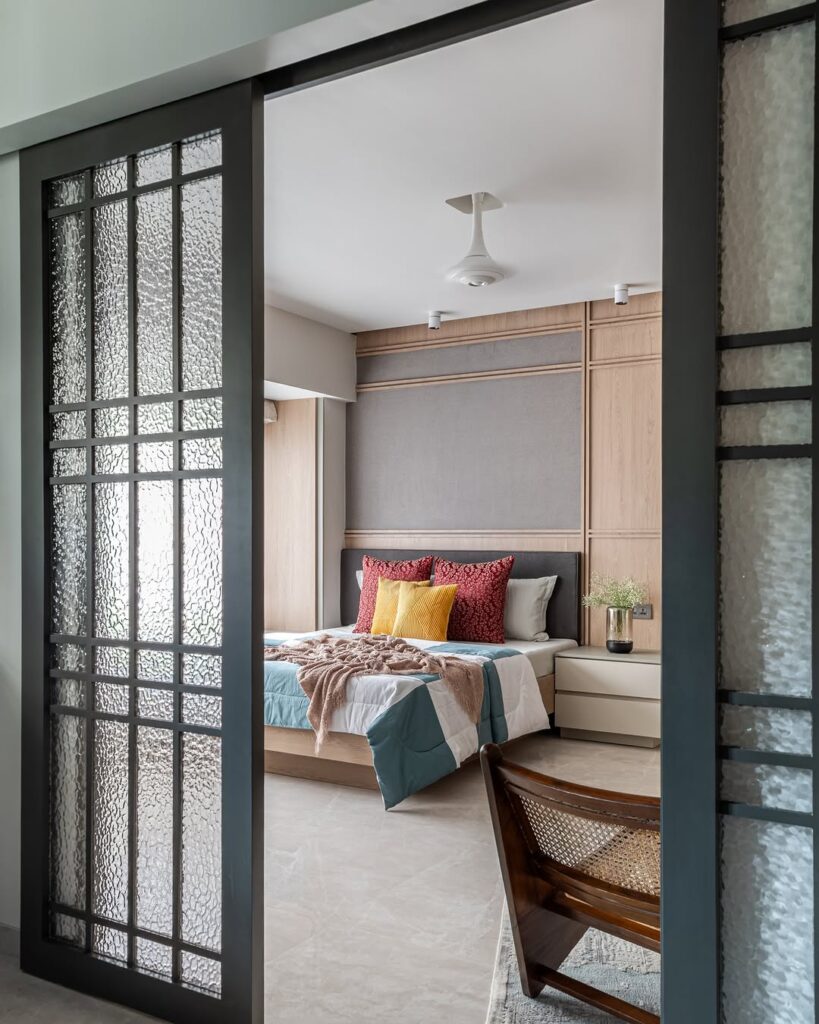
Daylight comes through the transparent glass panels. They increase the room's openness and airiness.
Natural tatami contrasts with the sleek surface and the wood furnishings. Modern elements remain compatible with a calm setting.
A warm linen throw and an earthy rug soften the sleek surface. The muted throw and earthy rug keep the accessories minimal but meaningful, reflecting intentional design.
Japandi combines glass, light, and subtle accents. Together, these elements keep the room bright without losing its restrained character.
Minimal Japandi Tatami Retreat
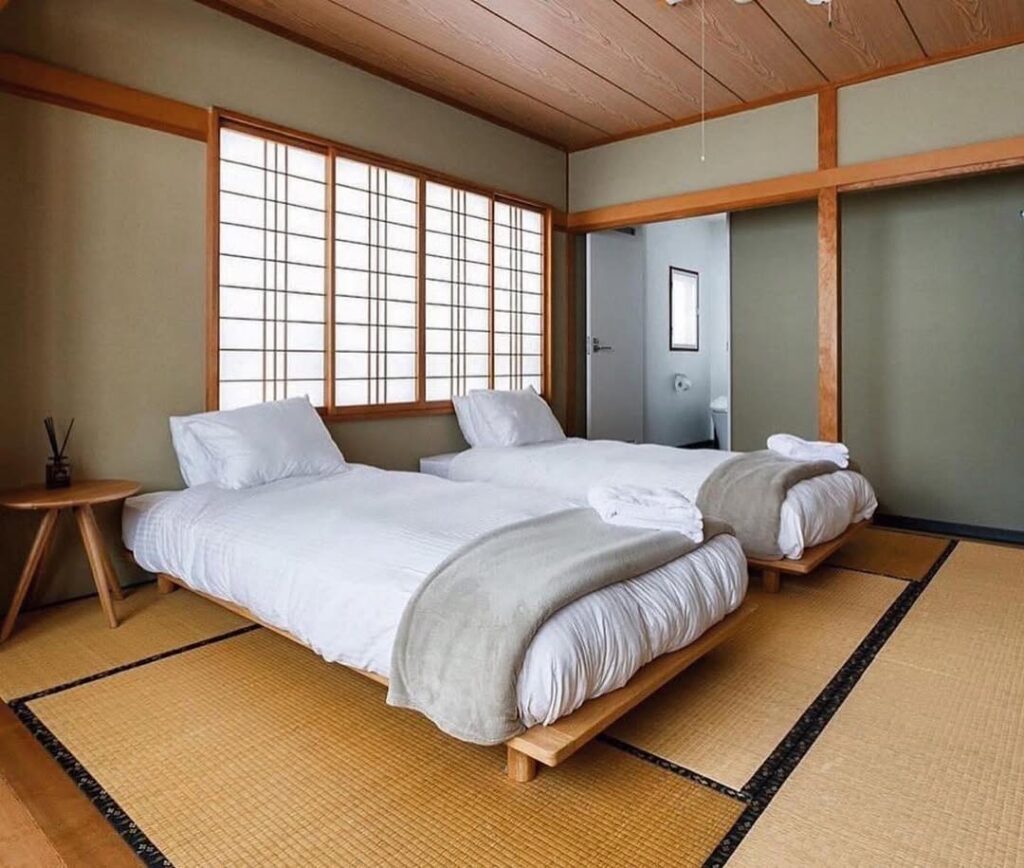
Natural light enters this retreat, which has clean symmetry. Natural tatami mats are located in the retreat.
Neutral walls set off uncluttered surfaces, while organic textures add a natural layer. The room balances Japanese minimalism with Scandinavian warmth.
The bed stays low, with futon and low-profile options. Nearby wooden elements are simple and bring more depth.
In a Japandi bedroom, linens use soft materials and muted colors. They provide comfort while supporting mindfulness, function, and understated style.
Wood Slat Wardrobe With Minimal Japandi Style
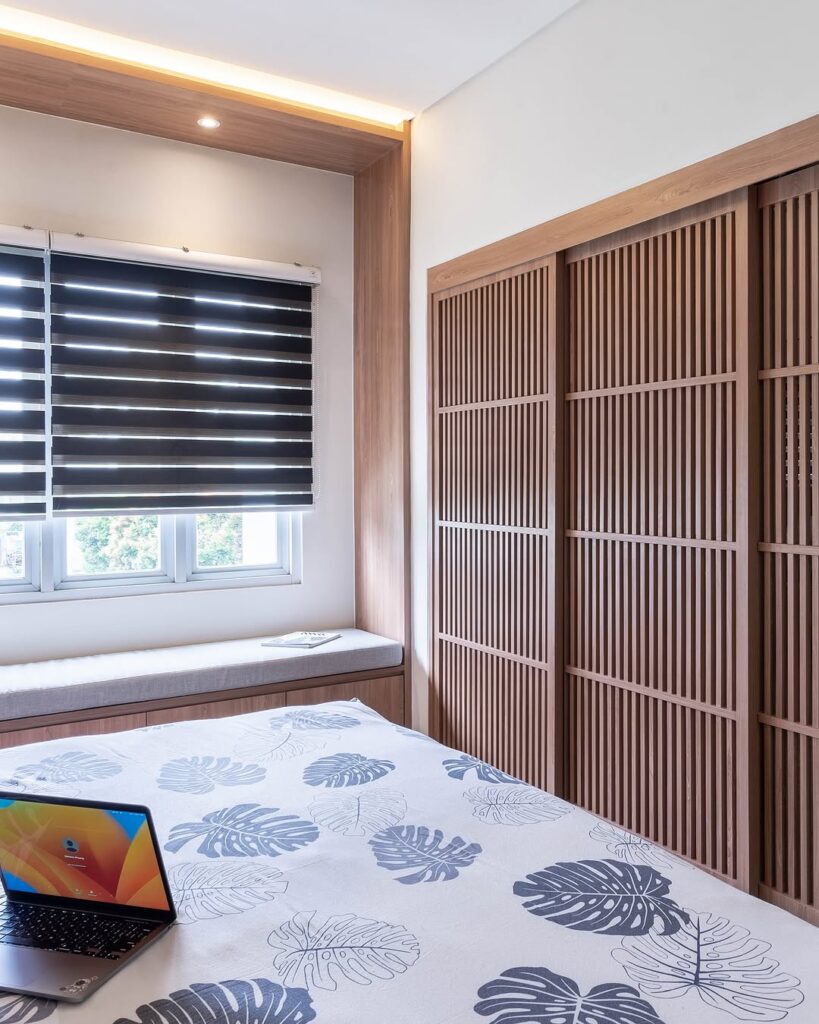
The wardrobe provides practical storage and functions as an architectural element, with wooden slats shaping its frame. Its lines reflect Japandi practicality and a style that combines Japanese restraint with Scandinavian warmth.
Simple futon bedding is paired with neutral linens. Light wood harmonizes with the tatami flooring.
A Japandi bedroom is defined by order and tranquility. The wardrobe supports room order and tranquility while serving as both storage and an architectural element.
Minimalist Japandi Bedroom
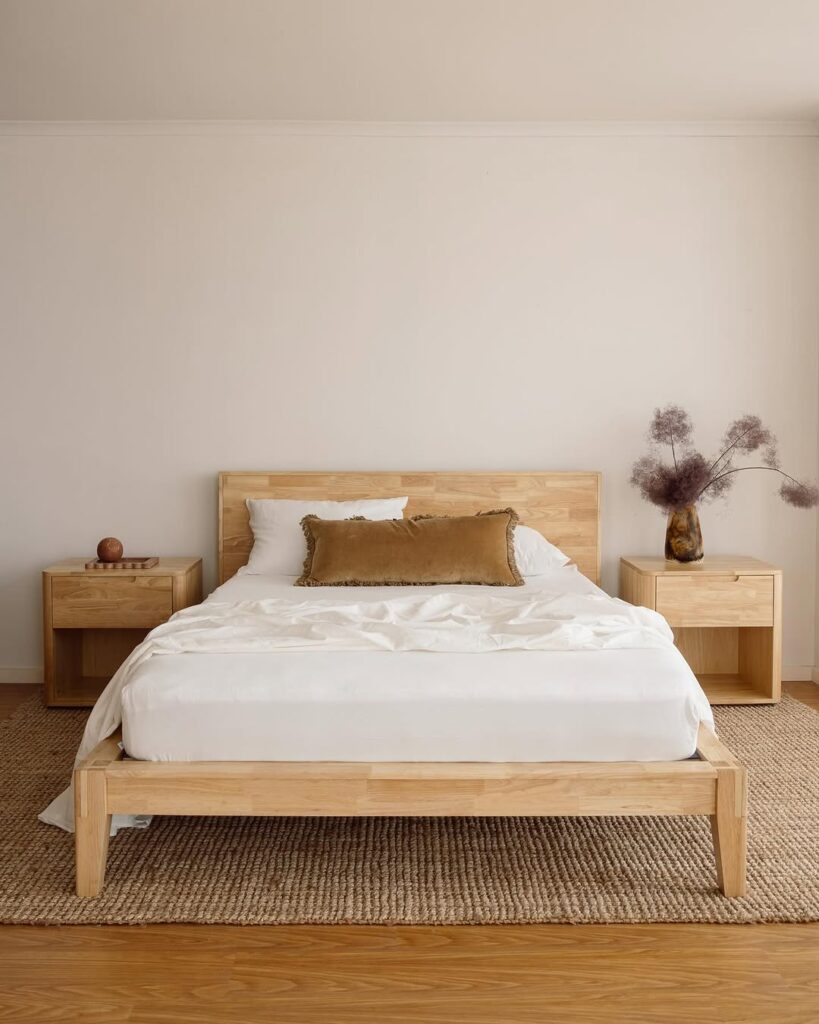
The clean-lined wood furniture uses light oak and pairs with a tatami mat. The design emphasizes warmth and restraint.
Simple shelving helps avoid visual clutter. Neutral bedding made from breathable fabric emphasizes functional simplicity, proportion, and natural textures.
Natural wood brings purposeful elements into the bedroom design. Japandi values both comfort and harmony.
Shoji Panels for Daylight and Modern Accents
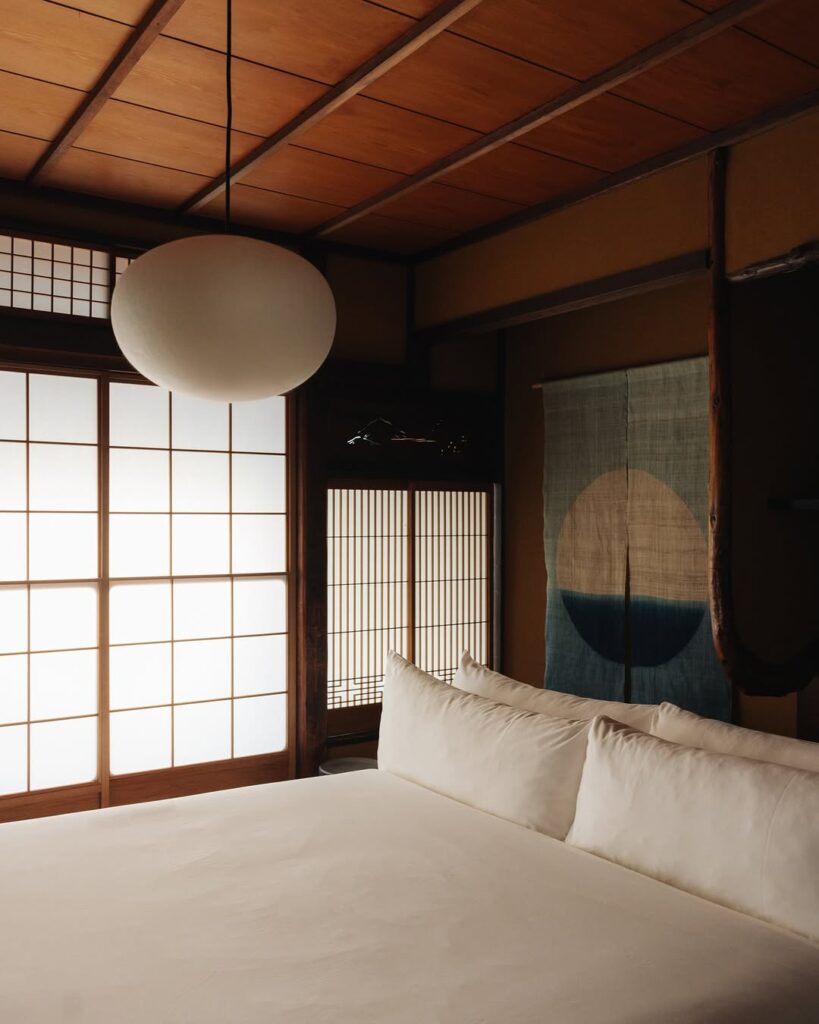
Shoji panels filter warm, diffused daylight into the room. The filtered light softens the bedroom atmosphere.
Streamlined lighting is the main feature. Shoji panels combine with sleek modern accents, and the décor has a matte finish.
Tatami mats provide a grounding base for low contemporary furniture. The furniture preserves harmony and adds functionality.
Neutral textures keep the room quiet. Light and shadow serve as visual focal points.
A Japandi bedroom arrangement balances heritage details with modern minimalism.