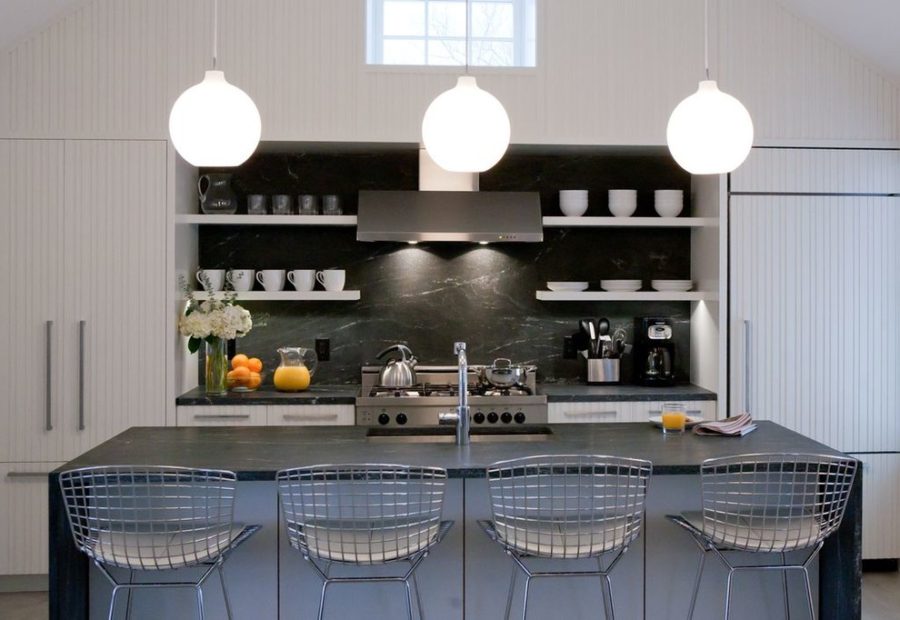
10+ Kitchen Decor Ideas for a Beautiful, Practical Everyday Space
Kitchen decor affects how the room feels, how it functions, and how it fits into daily living.
As the center of the home, the kitchen handles organization, functionality, and gatherings. Kitchen updates can extend beyond aesthetics.
The changes might be part of a complete renovation or a seasonal refresh. Current trends can inform kitchen details that add value and style.
Kitchen design brings together materials, layouts, and accents to create a look that feels timeless and tailored.
These kitchen transformation ideas focus on practical choices for real-life use and long-term use.
Textured Wall Treatment
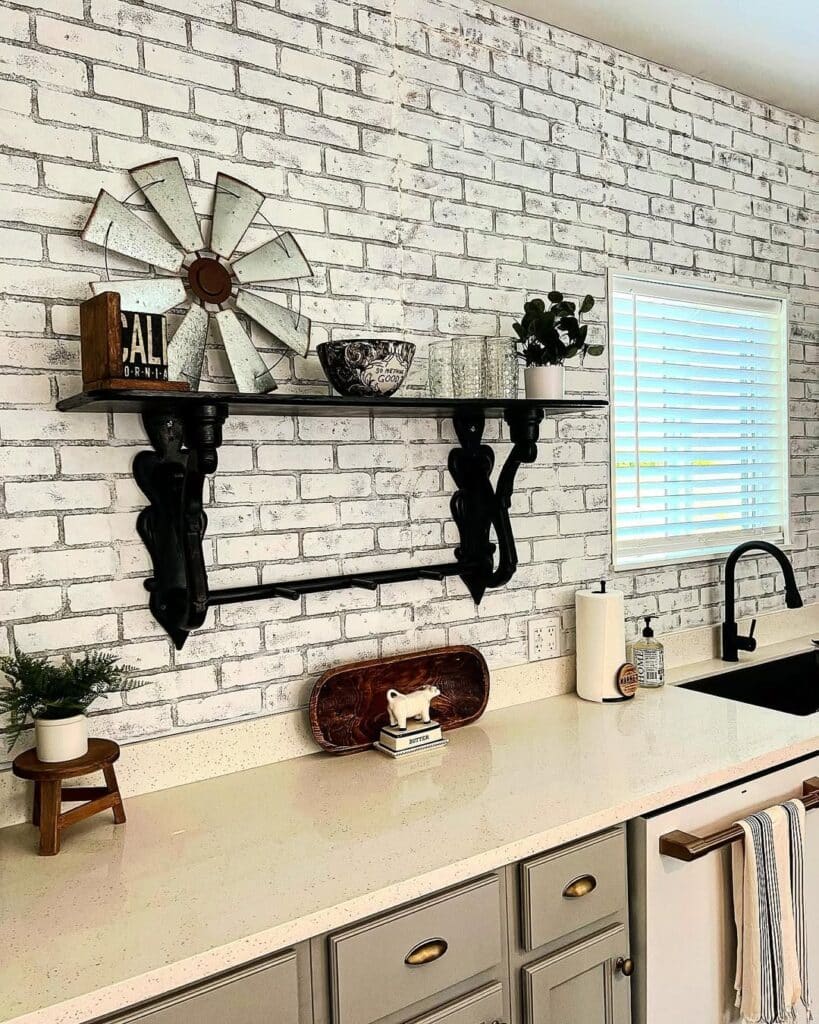
Textured wall treatments replace flat kitchen walls with a tactile element. The texture also increases visual interest.
Shiplap paneling, brick veneer, plaster finish, and dimensional tile can all create shadow variation. As daylight changes, those shadows change with it.
Open shelving, breakfast nooks, and cooking ranges have a textured treatment behind them. The surrounding finishes are understated.
In one corner or across a larger wall, reclaimed wood and handmade tile can add texture. Choose neutral tones for long-term flexibility, since they allow future decor changes and reduce the need for major updates.
Use professional application for proper integration and durability. The material choice depends on the installation method.
Experts recommend textured walls for kitchen decor planning. They support kitchen personalization without requiring extensive remodeling.
Floating Kitchen Island
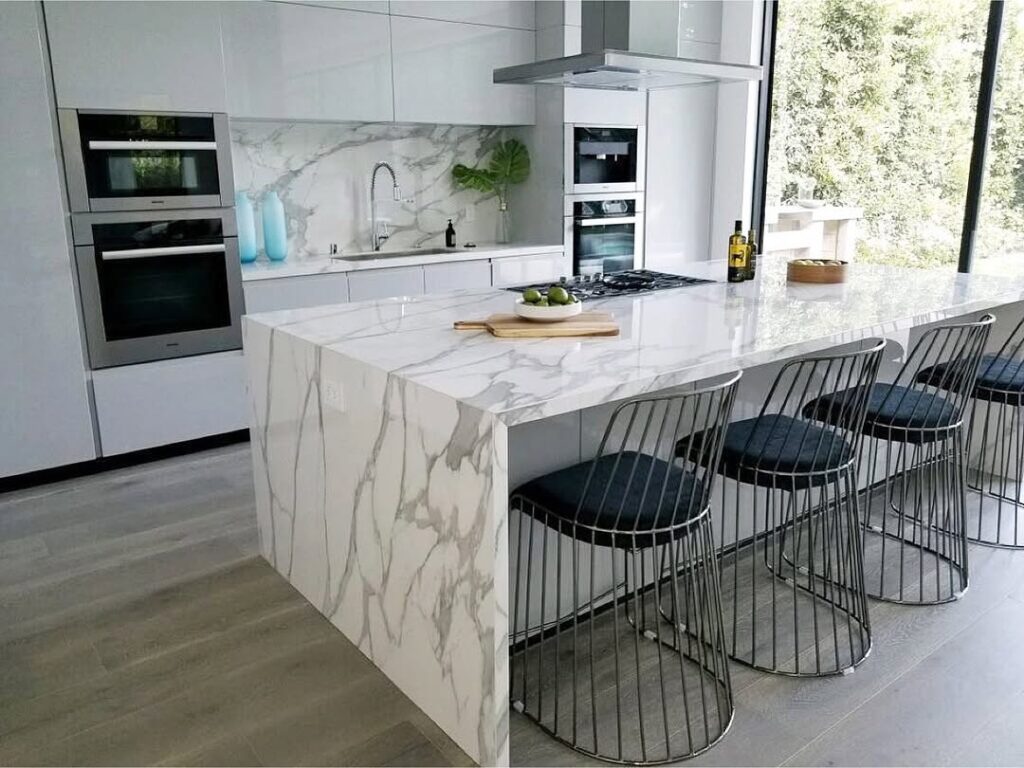
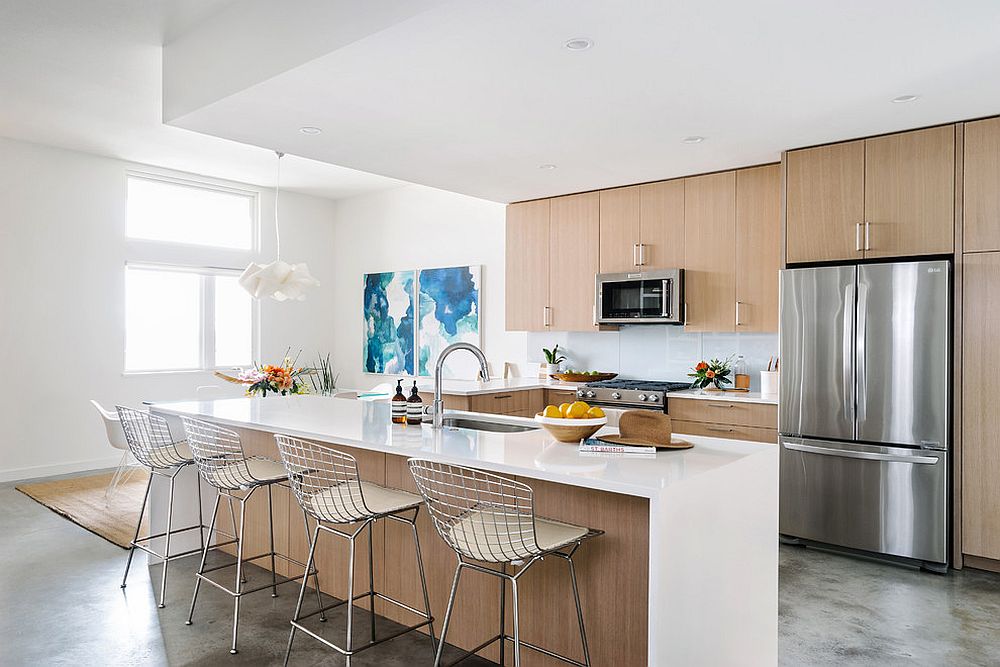
A floating island leaves floor space visible around it. In a modern kitchen layout, it feels less anchored than a fixed cabinetry island, a look designers increasingly favor.
Slim legs and a cantilevered countertop keep the island structure minimalist while maintaining durability. Floating islands also reduce a cramped feeling and provide a central workstation, with the lighter visual weight supporting smaller kitchens.
Hidden wheels make this island more versatile and enable it to move when needed. Built-in outlets provide power access, while open shelving keeps cooking essentials within reach.
Quartz, butcher block, and metal are among the material options for the island. Choose finishes that echo the cabinetry and flooring for design consistency, while avoiding a mix that feels overwhelming.
Recessed lights or pendant fixtures can sit above the floating island. The lighting visually anchors the island while preserving openness overhead.
A lighter surface can help make better use of the room. Floating islands support space maximization and offer another option besides bulky fixed islands.
Patterned Bold Backsplashes
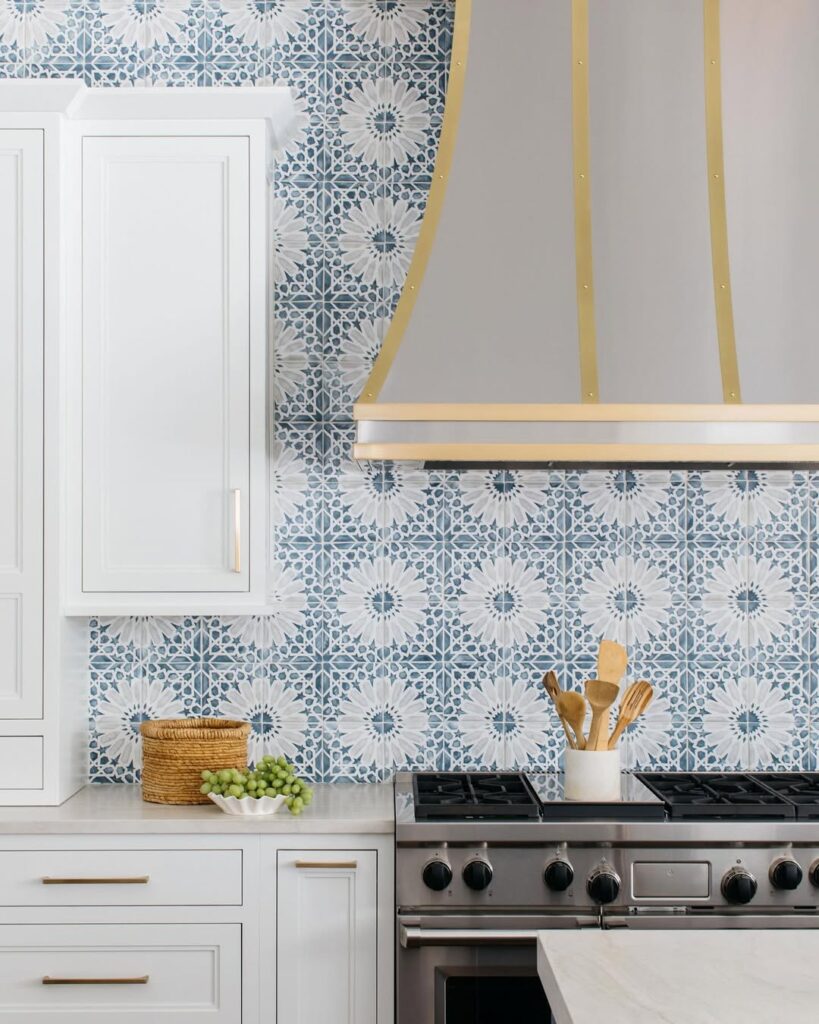
Bold backsplash patterns define the room's character and can make the backsplash a focal point. The backsplash also protects the surface while serving as a design feature.
A backsplash can use vibrant blue, deep green, or black-and-white colors. Mosaic tiles, geometric motifs, Moroccan zellige, and a dramatic slab are design options, while high-contrast designs increase backsplash prominence.
Behind the stove, an extended backsplash can continue behind open shelving. Carry the backsplash from the countertop up to the ceiling. This bold design balances understated cabinetry and countertops.
Backsplash material must provide durability. Porcelain, quartz, and hand-glazed ceramic tile are resilient options suitable for high-traffic areas.
Statement backsplashes support individuality and artistry. They also suit kitchens as living spaces increasingly function as living spaces.
Displayed Open Shelves
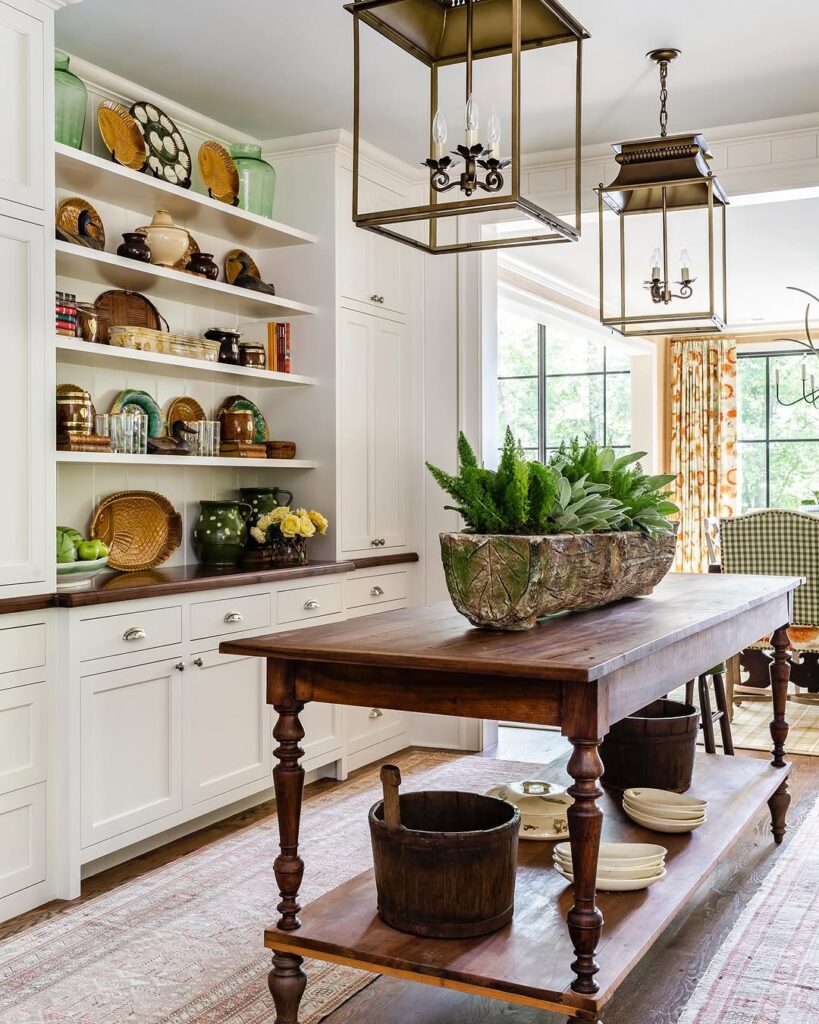
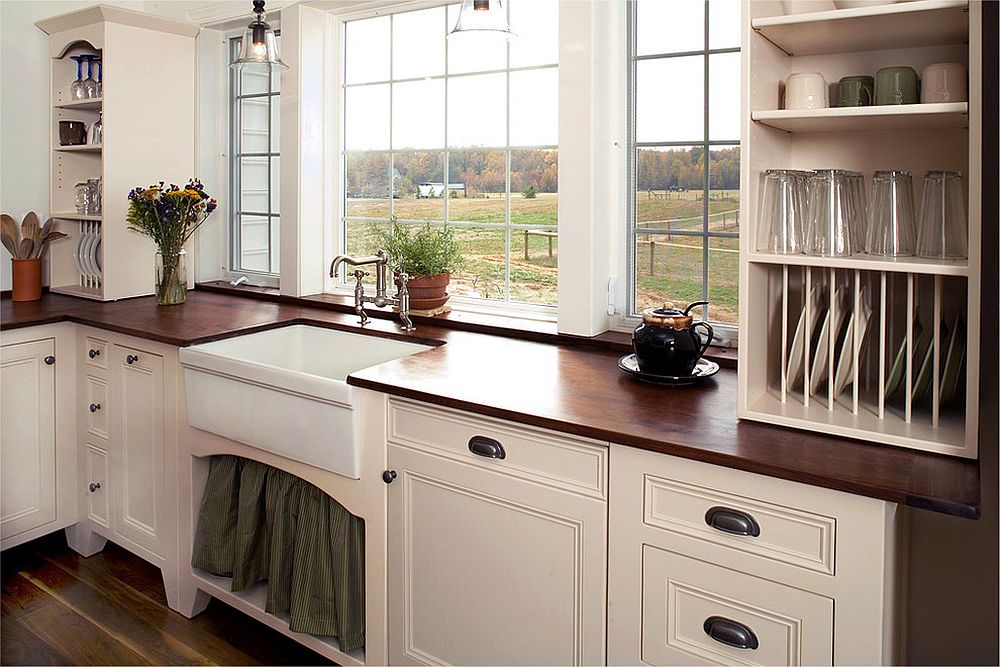
The lighter look of open shelving, compared with upper cabinets, can display and store everyday essentials. Shelf displays also reflect homeowner taste.
For practical organization, use natural wood shelves with minimalist metal brackets or floating glass shelves. These shelf options suit kitchen styles such as rustic farmhouse and modern industrial.
Give the shelves texture by bringing together dishes made of ceramic, glass jars, and woven baskets. Keep the colors neutral or coordinating, mix useful and decorative items, vary their heights, and show them in groups of three.
Shelf lighting improves evening functionality by illuminating the shelves. Wall sconces are one option, while LED strips can be placed beneath the shelves.
Open shelving retains practical storage and supports access to daily objects. Its priorities include accessibility, style, and creativity.
Vertical Herb Garden
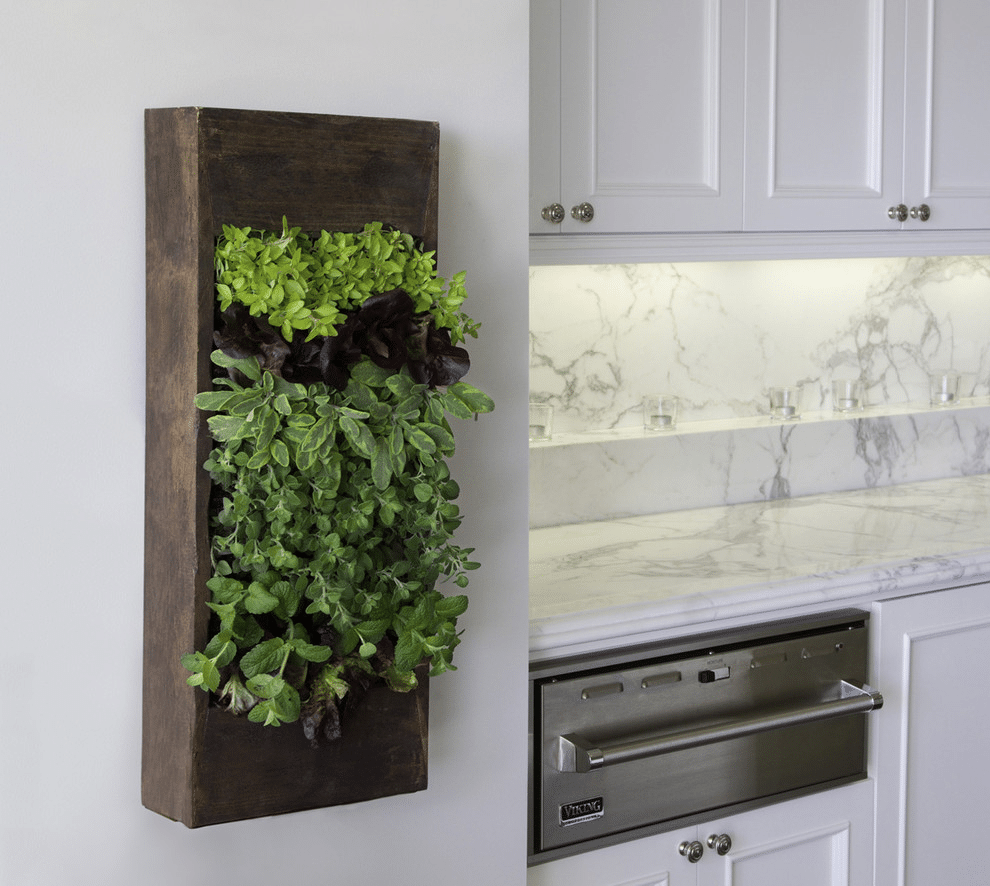
A vertical herb garden uses wall space, which helps support small kitchens. It provides both greenery and fresh herbs.
Indoor herbs need minimal maintenance and can include basil, thyme, parsley, and mint. Place them by windows or provide grow lights. A herb garden can use a modular system, wall-mounted planters, or a hydroponic tower.
Self-watering systems simplify upkeep and support novice gardeners. The herb garden fits narrow vertical spaces and integrates with a backsplash or shelving.
In one corner, place the herb garden where work surfaces stay clear. Natural wood, metal, and ceramic plant containers suit rustic, industrial, and contemporary kitchens.
Indoor herbs can improve air quality and support meal preparation. Vertical gardens reflect sustainability and personalization while integrating natural elements.
Statement Light Fixtures
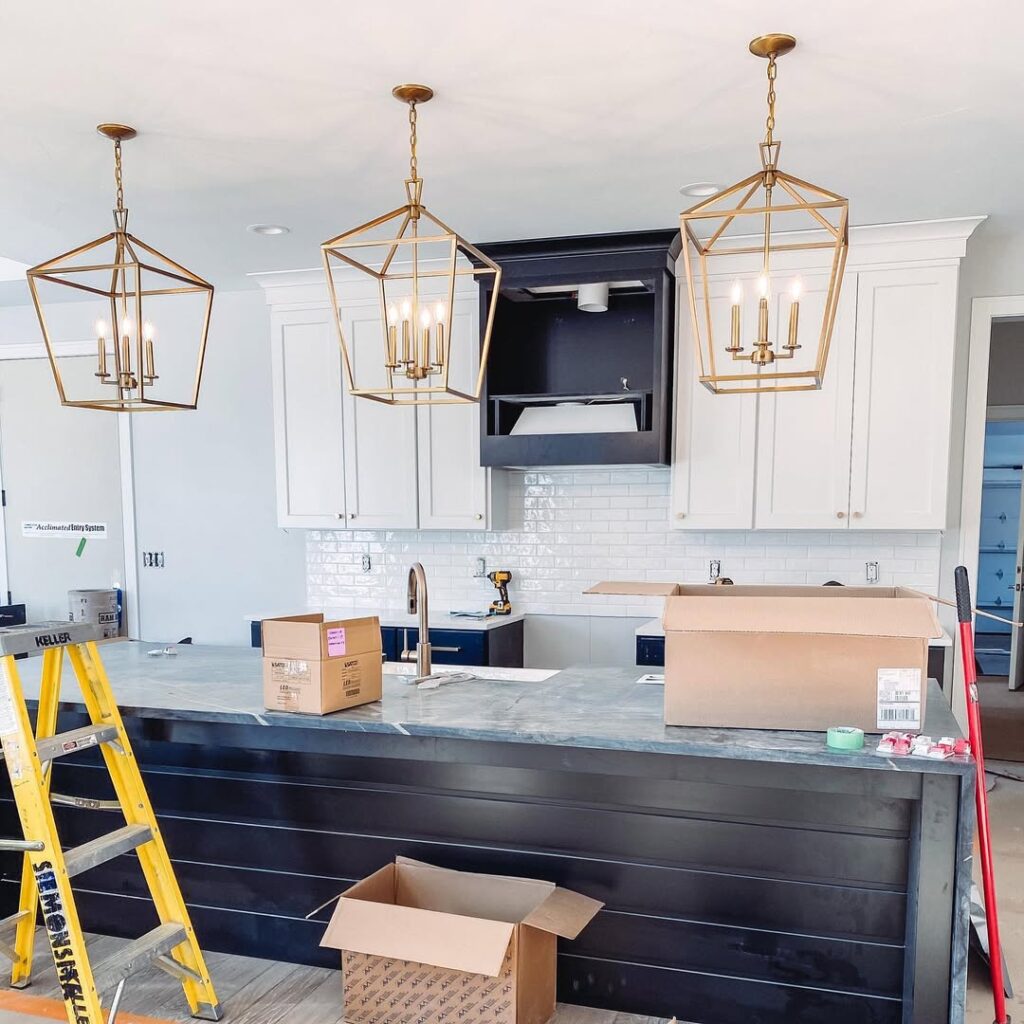
A sculptural chandelier can serve as artwork as well as task illumination. An oversized pendant or another large light fixture can define the kitchen's character.
Task lighting and ambient lighting should work together for a balanced space. The plan needs to cover both focused work and the room's overall atmosphere.
Strategic lighting placement preserves kitchen flow. Put lighting at the islands, by the sinks, and in the dining areas.
Frosted glass, matte black, and brushed brass lighting materials can coordinate with both cabinetry finishes and countertop finishes.
Lighting versatility is a priority when one dimmable, energy-efficient LED fixture needs to support food preparation and entertaining. Energy-efficient designs also appeal to sustainability-focused homeowners.
Pair bold lighting with neutral kitchens. In open-concept layouts, coordinate kitchen lighting with the adjacent living spaces.
An artistic, sculptural lighting form can provide a custom appearance. It does not require a full remodel.
Statement lighting combines beauty and practicality, making it a quick refresh for the kitchen.
Cabinet lighting
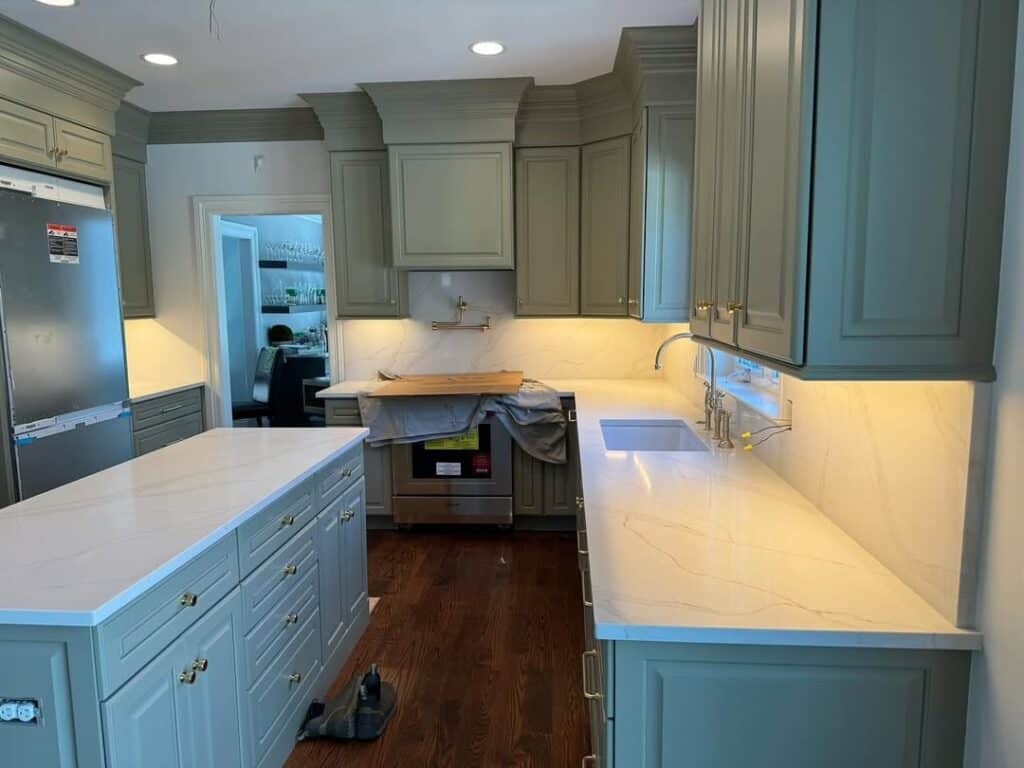
Under-cabinet lighting provides workspace illumination and ambient lighting. It eliminates countertop shadows and supports safe meal preparation.
Warm white lighting supports a cozy atmosphere. Cooler lighting complements modern kitchens. LED strip light, puck light, and tape light are lighting types available in various color temperatures.
Under-cabinet task lighting supports prep areas. Dimmable lighting systems can transition between daytime and evening lighting.
Battery-operated lighting models work without a wired installation. Advanced lighting systems can include motion sensors and app-controlled settings, while hardwired setups keep the wires hidden.
Even lighting placement avoids hot spots and gaps. Ensure an even distribution of under-cabinet lighting, and layer it with ceiling fixtures and pendants.
As a kitchen upgrade, under-cabinet lights support open-concept living. Layered lighting helps connect the kitchen with the living area.
Two-tone cabinet design
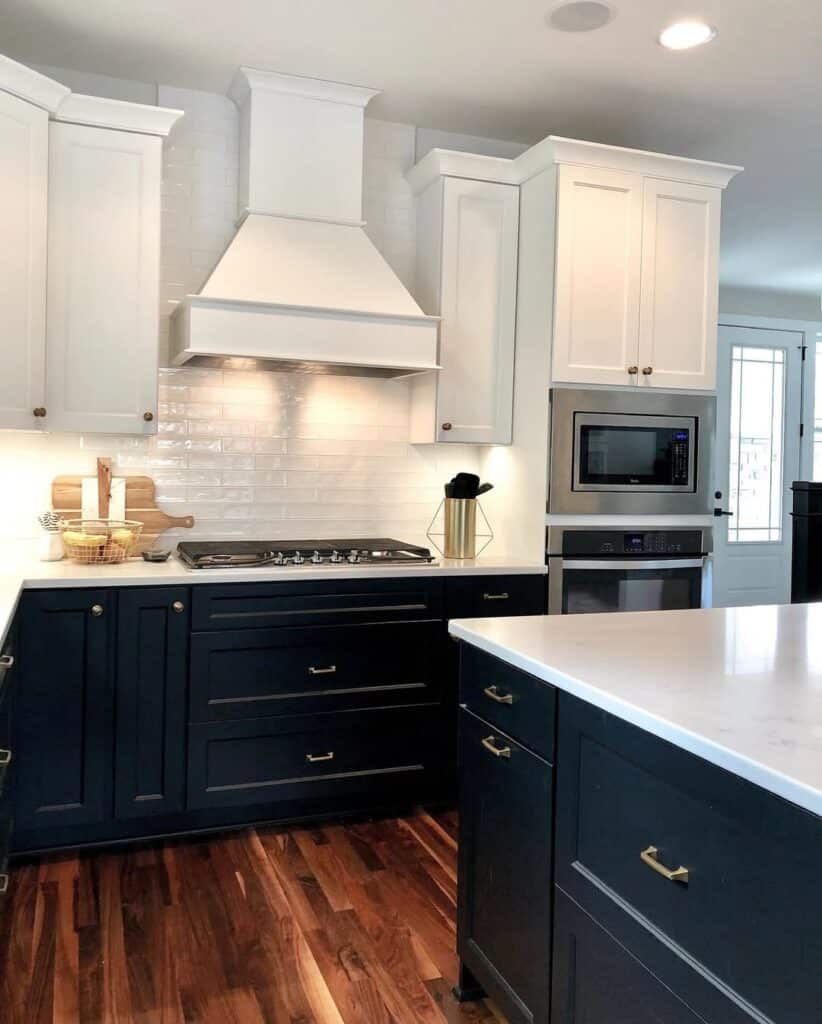
Pair contrasting or complementary cabinet colors in a two-tone cabinetry scheme. The two tones define zones and highlight architectural features.
A bold kitchen island contrasts with neutral perimeter cabinets. When upper cabinets are lighter than lower cabinets, they open up visual height.
White oak works with sage green or navy. Keep the two cabinet tones consistent with either matte or satin finishes.
Gold, black, and brushed nickel cabinet pulls offer hardware options for two-tone cabinetry. Coordinate the hardware and backsplash with the cabinetry.
Two-tone cabinetry supports color introduction in both small and expansive kitchens. The cabinetry is the main color feature.
Color-Blocked Cabinetry
Hidden Storage
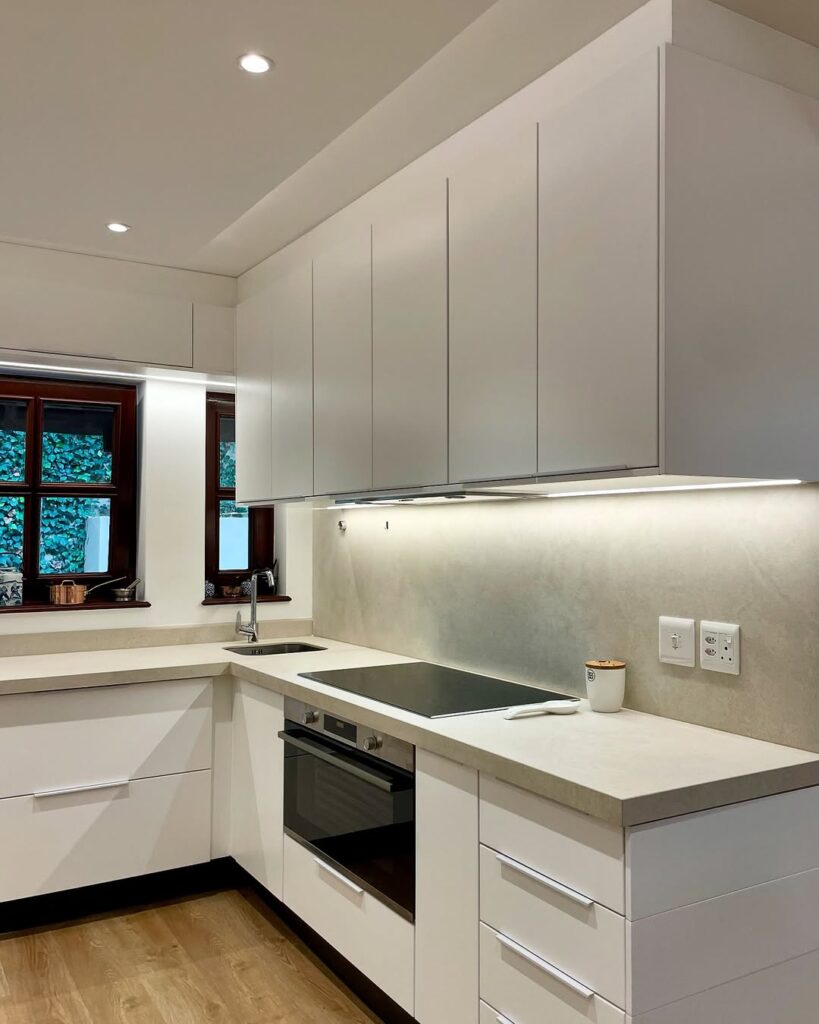
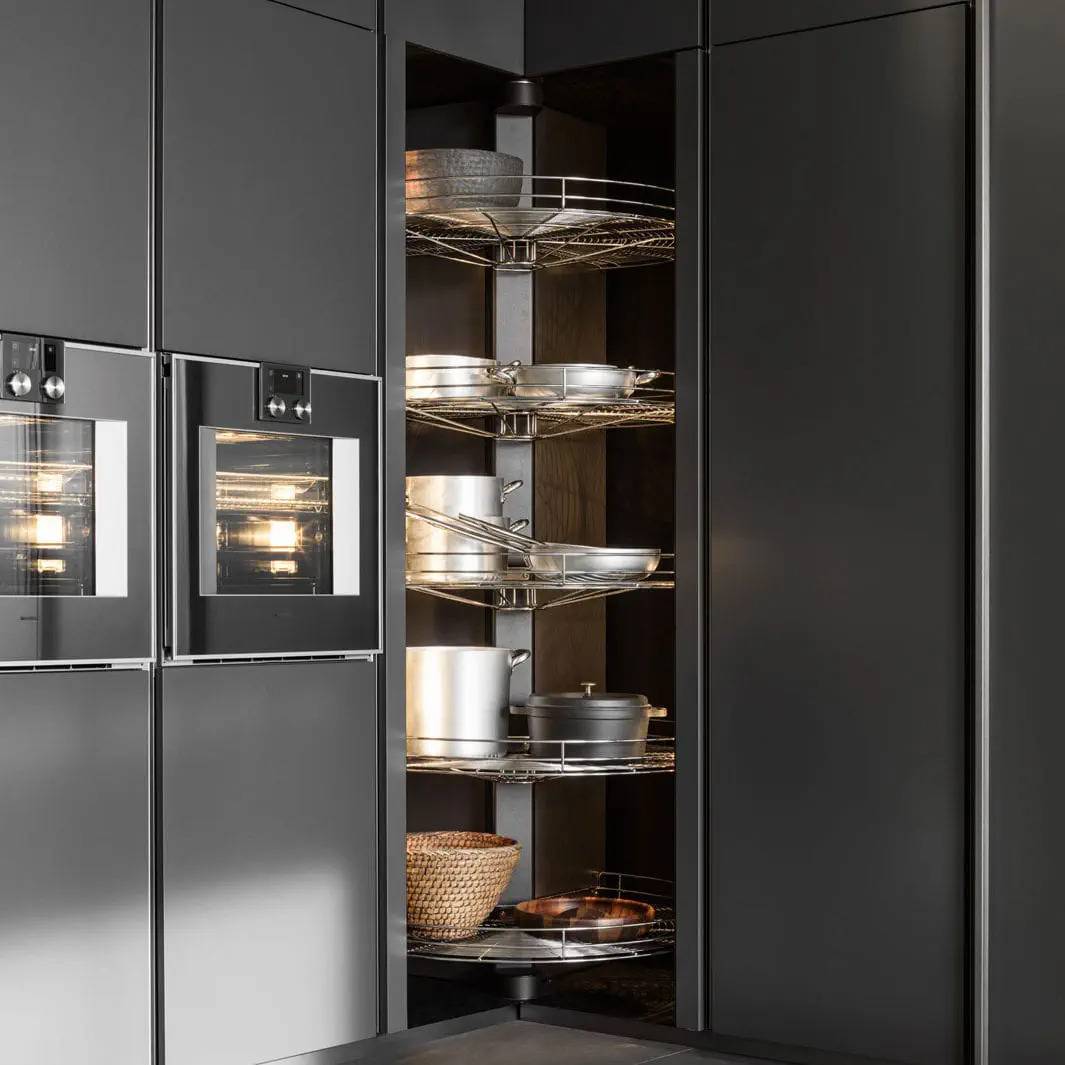
Cabinetry with touch-latch openings can conceal integrated appliances and hidden compartments. Concealed storage supports kitchen organization.
A floor-to-ceiling cabinet with pocket doors can conceal a prep station and pantry nook. A deep toe-kick drawer adds storage below.
A panel-ready refrigerator can disappear into the cabinetry. A panel-ready dishwasher and an integrated trash pull-out also keep concealed elements together, which benefits small kitchens.
An appliance garage and vertical pull-out keep high-use items accessible while staying out of sight. Multifunctional island storage adds another option. Cabinet openings can use sleek handles or push-to-open hardware.
Hidden storage improves functionality and supports kitchen efficiency.
Matte Surface Finishes
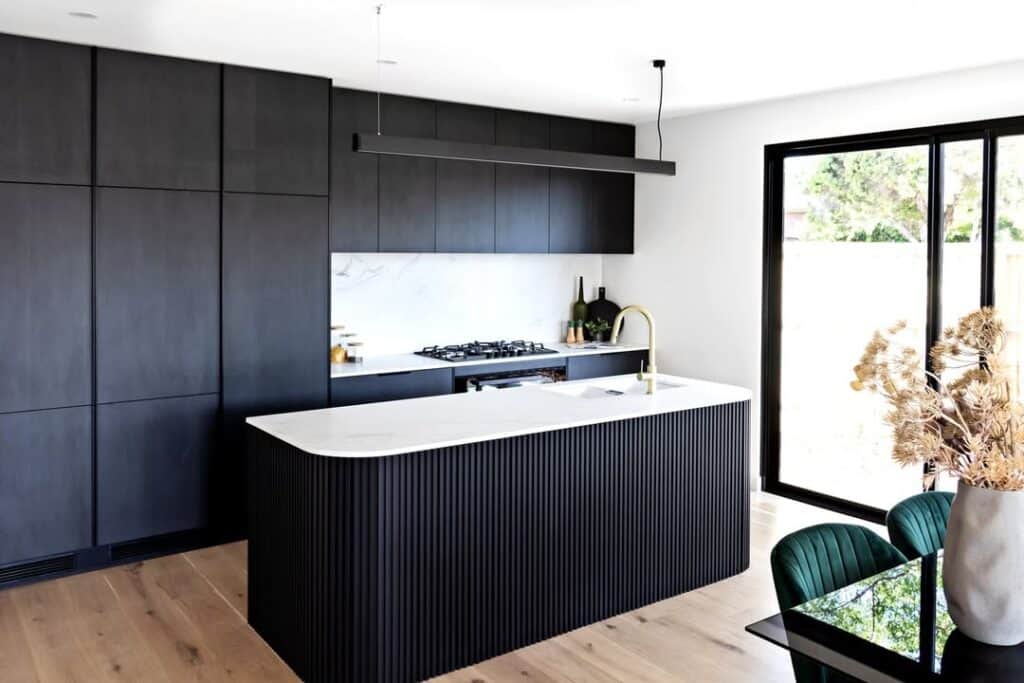
Low-sheen matte surfaces reflect less light and minimize fingerprints. They can be used for cabinetry, countertops, and appliances.
Matte cabinetry comes in neutral and earthy colors and works with modern minimalism and rustic farmhouse styles. Matte materials provide durability, including powder-coated metals, honed granite, and matte quartz.
Matte surfaces need less polishing and can mask smudges and scratches. Compared with high-gloss finishes, they are easier to maintain.
Layer textures in matte kitchens by pairing matte cabinets with metal accents, wood accents, and veined stone.
Muted finishes reflect naturalism. Mainstream matte black appliances blend into the cabinetry.
Mixed Metal Accent Details
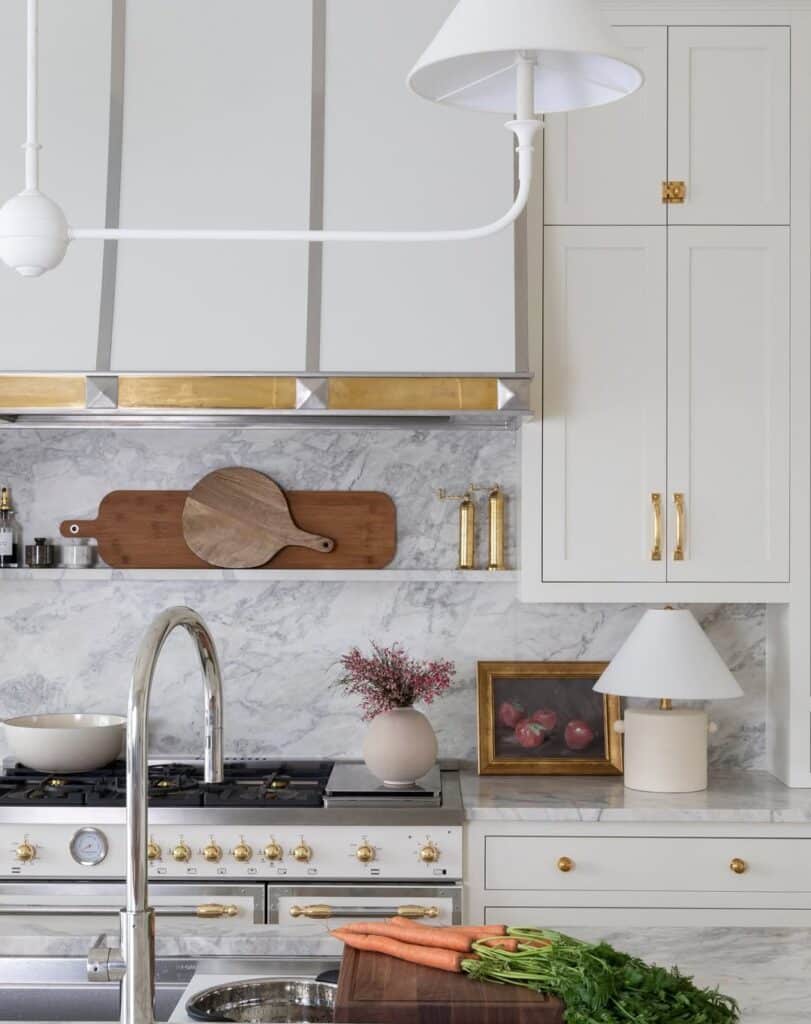
Mixed metal accents add design dimension. Combine multiple finishes, such as polished chrome, matte black, brushed nickel, and aged brass.
Choose one dominant metal as the design anchor, then add one or two secondary metals through hardware, faucets, or lighting fixtures. Keep the sheen consistent, whether the finish is polished or brushed.
Black cabinet handles can pair with a brushed-gold faucet, while the faucet can also work with a stainless-steel appliance. Pair these metal finishes with neutral cabinetry and natural stone countertops, and mix warm and cool tones.
Visual overload stays limited when metal accents remain small in scale. Add them to the range hood trim, the drawer pulls, and the pendant bases.
Layered finishes combine traditional influences and contemporary influences. Mixed metals work in both modern kitchens and transitional kitchens.
Smart Appliance Integration
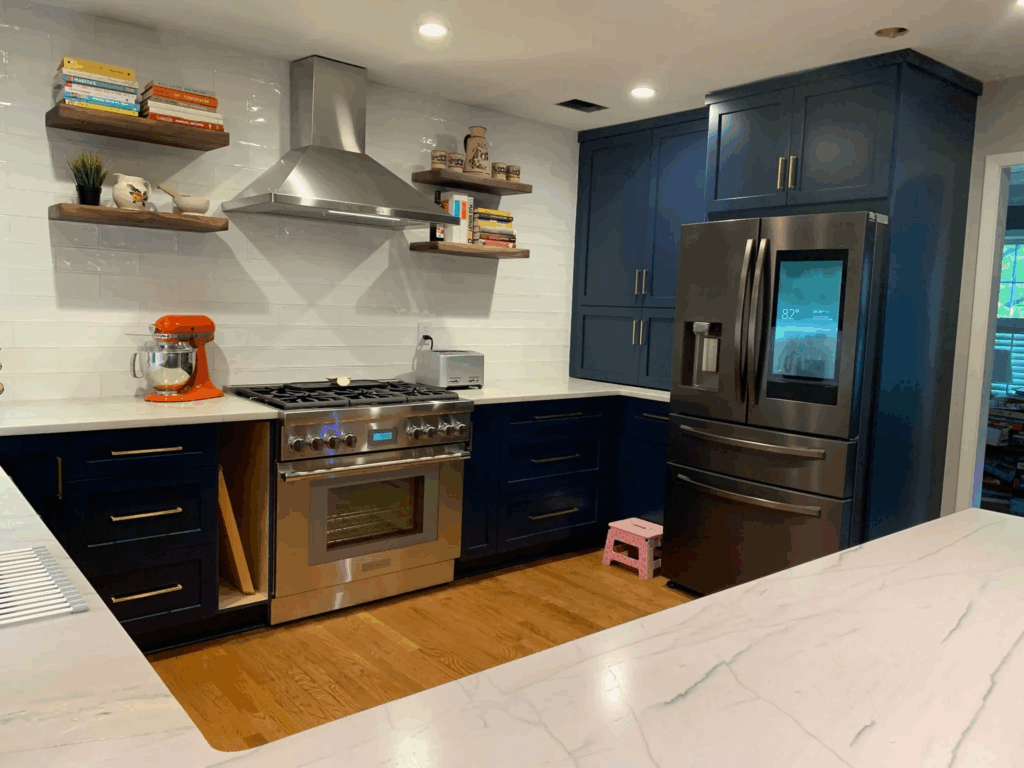
Streamlined cabinetry integrates the smart appliances. These appliances offer advanced features.
Touchless control starts with the faucet. Smart appliances can send maintenance reminders, provide real-time notifications, and allow remote operation through home automation systems or smartphones. In high-end renovations, an app-connected dishwasher, a voice-activated refrigerator, and a Wi-Fi oven add to the setup.
A hidden control panel keeps the technology out of sight. With custom panel-ready appliance finishes, integrated technology reduces visual clutter while smart features blend with the overall style.
The smart refrigerator uses cooling zones to support freshness. A smart oven provides remote preheating, which saves time and resources. A connected stove includes auto-shutoff.
Integrated smart appliances support future-proofing and an organized appearance. Smart technology also supports efficient living spaces.
Natural Wood Accents
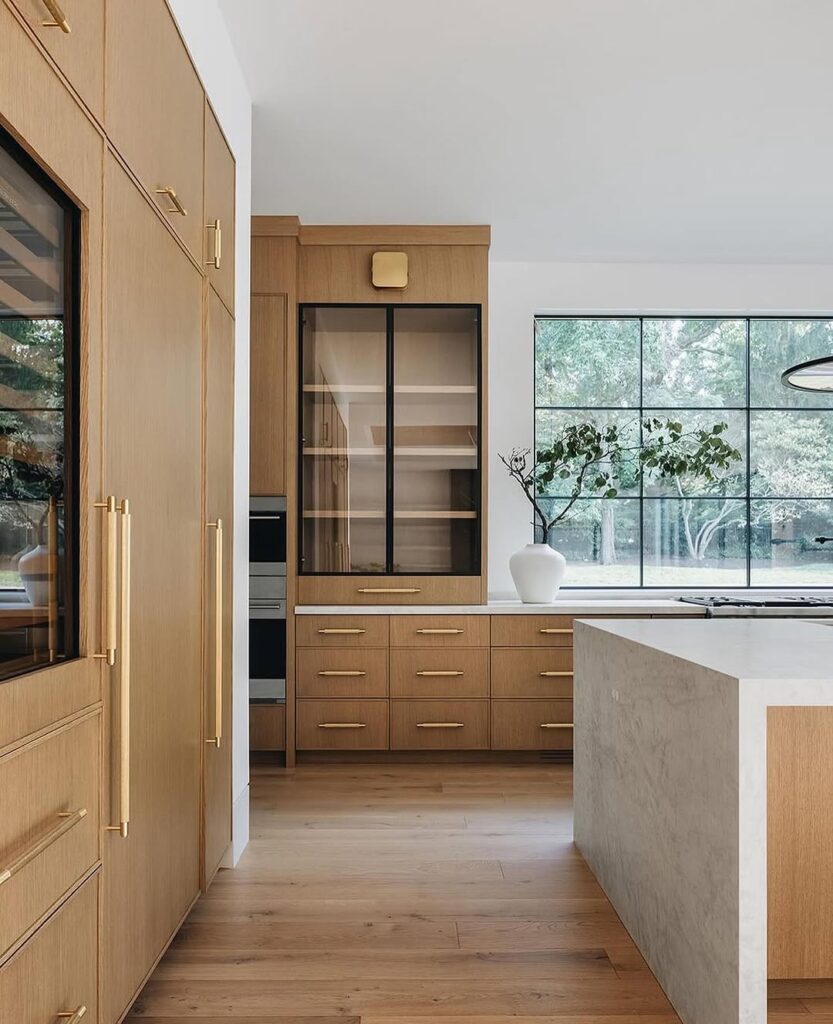
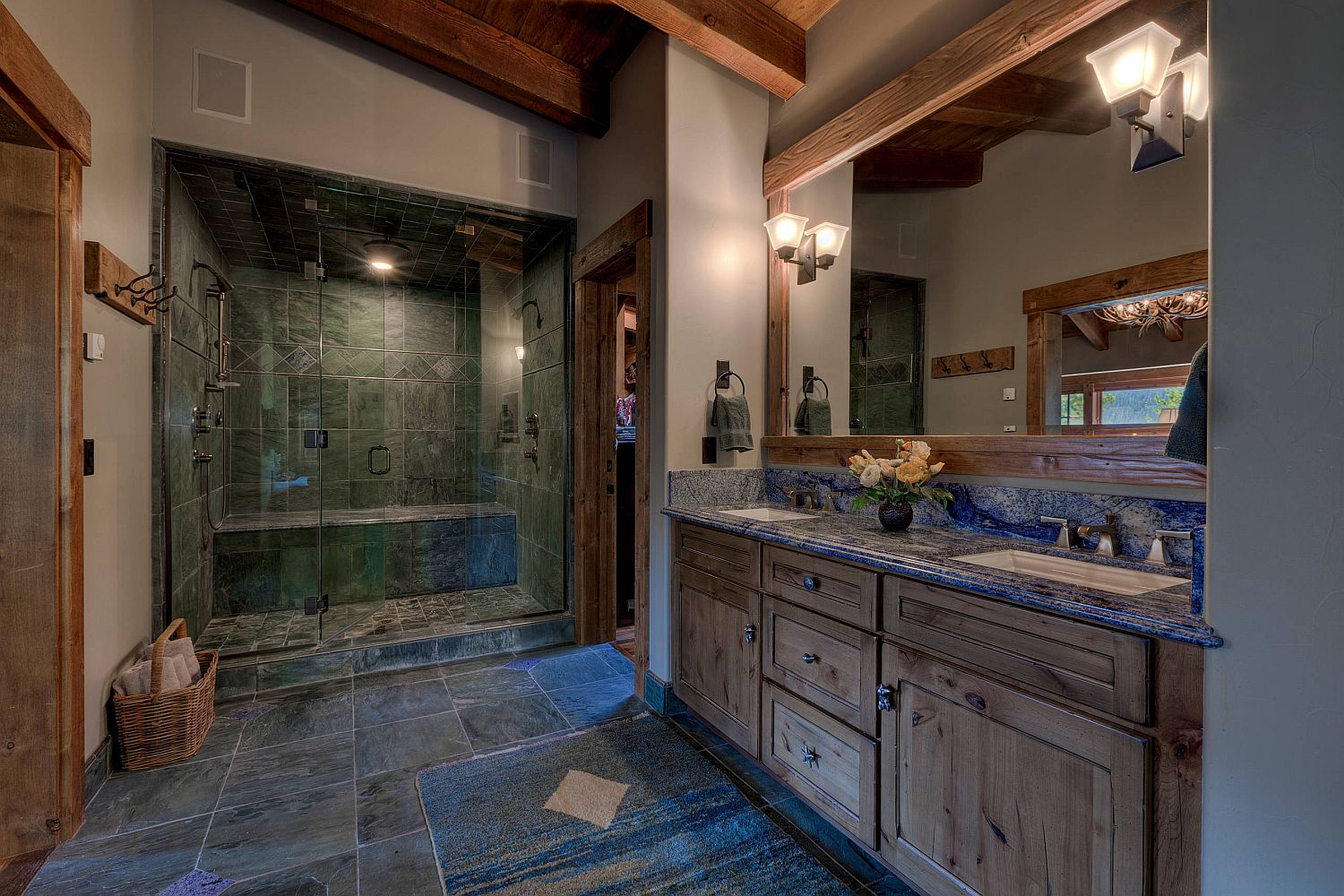
Natural wood brings organic texture and warmth to a kitchen. It also softens modern finishes.
Oak, maple, walnut, and birch bring different tones and textures to the room. Their grain can vary in pattern and color, while the surfaces add a tactile quality. Natural wood also reduces a sterile feel.
Natural wood can form the butcher block countertop, floating shelf, and custom cabinetry. A wood barstool and utensil rack add nearby details. A natural wood ceiling beam can also be part of the kitchen.
Glass, stone, and sleek metals can be combined with natural wood. Apply sealing treatments to wood surfaces for longevity, since the treatments protect against moisture and heavy use.
Prioritize reclaimed wood in sustainable design for its environmental benefits. Natural materials align with mindful living and biophilic design.
Colorful Accent Piece
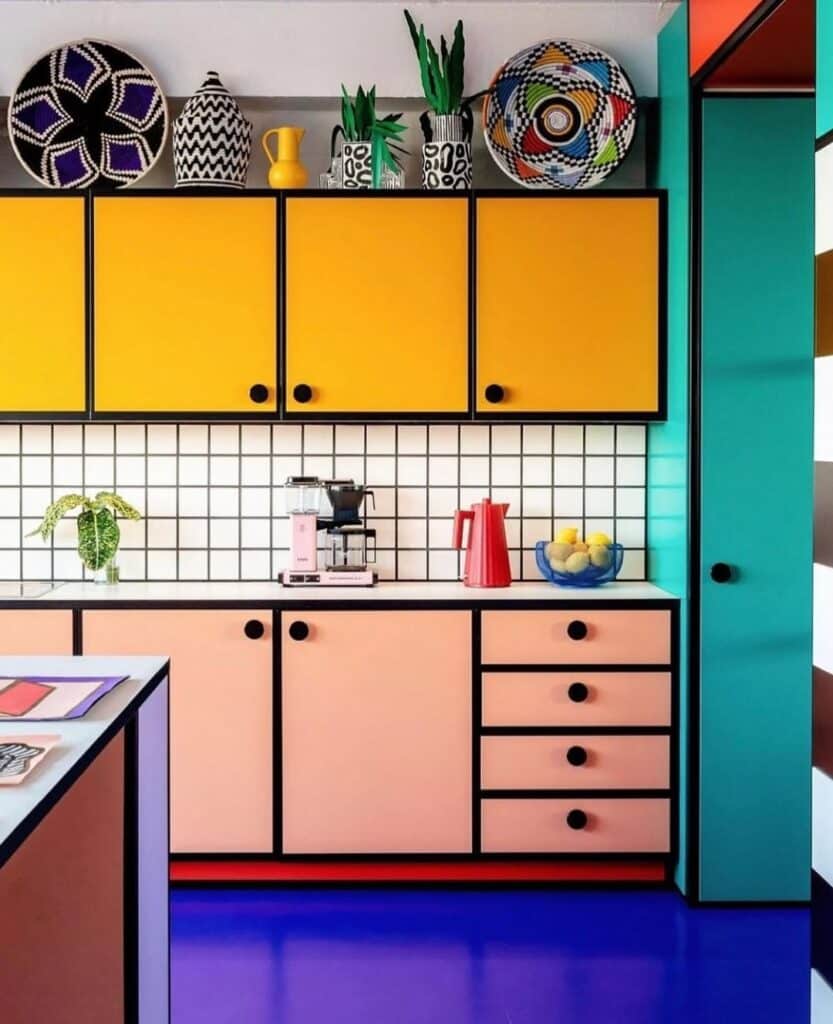
In a neutral kitchen, colorful accents allow trend experimentation without permanent changes. A colorful accent piece can introduce color in a limited way.
Bold hues can be added to accent pieces such as barstools and pendant lighting without creating visual overload. Small appliances, dishware, and cabinet hardware can be included as well.
Color pairings such as gold with teal, brass with navy, or cream alongside sage green create a cohesive palette. Rotate the accessories seasonally, which avoids a full renovation.
Bright dish towels, patterned rugs, and upholstered seating are textile accents, while art prints and decorative ceramics are shelf accents placed on open shelving.
In one corner or across the room, colorful accents offer a low-risk refresh and avoid a full renovation. Interchangeable accents provide flexibility.
Glass Front Cabinet
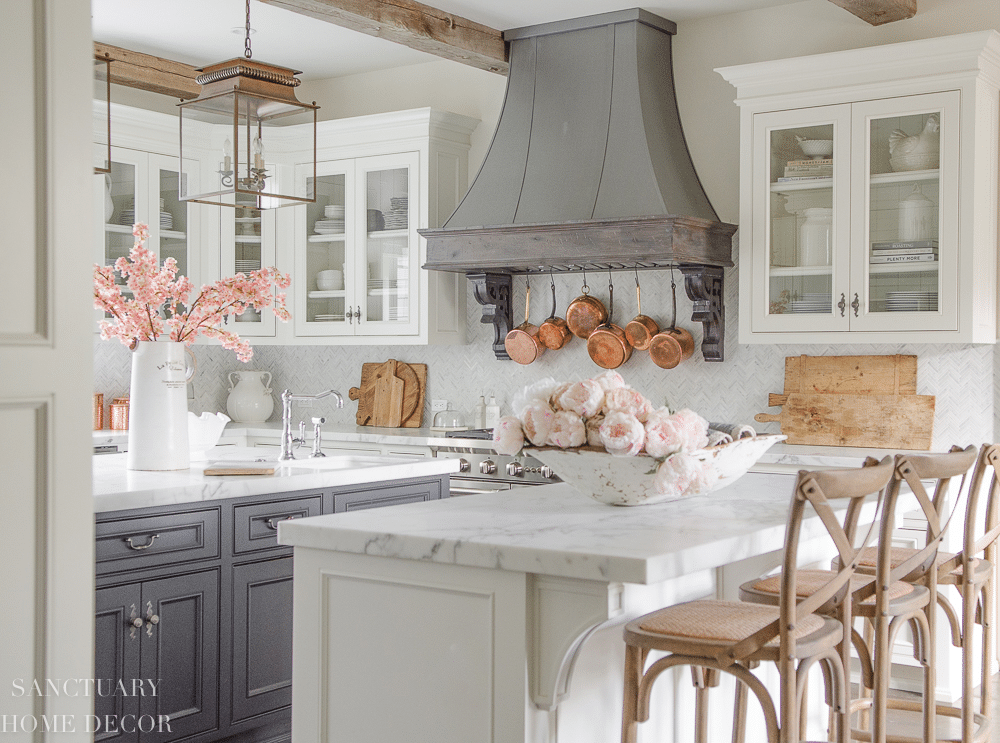
Dishes, glassware, and decor are visible through the cabinet front. The glass can be clear, frosted, or textured, depending on the display.
Clear, frosted, and textured glass create different levels of transparency. Glass-front upper cabinets reduce wall heaviness, so select the transparency that suits your organization preference.
Soft cabinet lighting provides an ambient glow. Installed with glass-front cabinets, it illuminates the cabinet shelves.
Brushed nickel, black, and wood are frame finish options for the cabinet. Choose a complementary frame that integrates with the scheme, and keep the displayed items consistent to reduce clutter.
Glass-front cabinets suit both farmhouse kitchens and modern kitchens. Use them as accent cabinets or install them more extensively.
Glass cabinetry supports personalization and openness while balancing practicality. The visible contents become a nearby detail.